

P0341 on 2012-2019 Land Rover Range Rover: Camshaft Sensor vs. Timing Chain Issues
On 2012-2019 Range Rovers, P0341 often points to a failing camshaft position sensor, but it is also a very common symptom of stretched timing chains, a known issue on these engines. While the sensor is a cheap first step (~$50-$150), be prepared for potential timing chain work, which is a major and expensive repair, often costing between $5,000 and $10,000.
- P0341 on a 2012-2019 Range Rover is a serious code that requires immediate attention.
- While the code points to the camshaft position sensor, the most likely cause on these vehicles is a stretched timing chain due to worn guides.
- Do not ignore this code. Continued driving could lead to the timing chain skipping or breaking, resulting in catastrophic engine failure.
- A simple diagnostic step is to swap the Bank 1 and Bank 2 intake cam sensors to see if the code follows the sensor.
- If the sensor is not the cause, prepare for a significant repair bill for a full timing chain service.
What's Unique About the 2012-2019 Land Rover RANGE ROVER

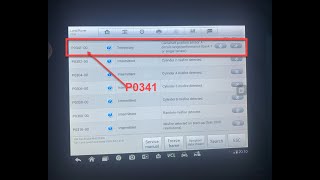
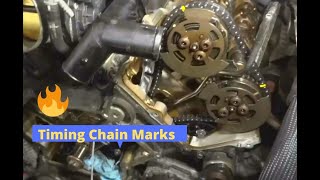
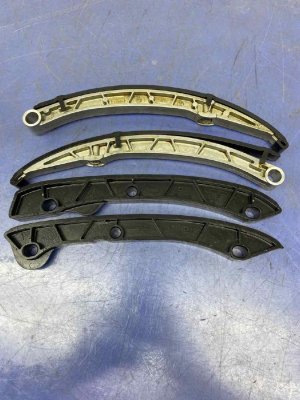
For the 2012-2019 Range Rover, particularly those with the 5.0L V8 (AJ133) and 3.0L V6 (AJ126) engines, this code is notorious for being an early warning of a much larger problem: stretched timing chains. The 3.0L V6 is a derivative of the 5.0L V8, sharing its core architecture and its flaws. The primary design flaw in earlier engines was the use of aluminum timing chain guide rails with plastic tensioners. The steel tensioner plunger would wear a hole into the softer aluminum guide over time, causing the system to lose the ability to keep the chain taut. This slack creates a discrepancy between the actual camshaft timing and what the sensor reports, triggering the P0341 code long before 🎬 Watch: How this timing issue triggers the P0341 code. you might hear the classic chain rattle. Land Rover issued an updated guide design around 2015 with a steel insert to prevent this wear, but even later models can suffer from tensioner failure due to oil sludge buildup.
Diagnostic Flowchart

Tap your situation to follow the diagnostic path that matches what you're seeing on this vehicle.
Generation note: This range covers the end of the L322 generation (2012) and the entire L405 generation (2013-2019). The primary engines, including the 5.0L V8 (AJ133) and the related 3.0L Supercharged V6 (AJ126), share the same basic architecture and are both known for the timing chain issues that can cause this code. TSB LTB00916NAS3 applies to models up to 2017, indicating the issue was present for a significant portion of the L405's production run. A class-action lawsuit was filed regarding these timing chain failures.
Symptoms You May Notice

- Check Engine Light is on.
- Difficulty starting the engine, or extended cranking time.
- Engine stalls, especially at idle.
- Rough idling or surging.
- A metallic rattle or clicking noise from the front of the engine for 2-5 seconds on a cold start.
- Hesitation or lack of power during acceleration.
- Reduced fuel economy.
- In some cases, especially early on, there may be no noticeable driving issues other than the Check Engine Light, as noted in TSB SSM74161.
- Replacing only the camshaft position sensor without investigating timing chain slack. Many owners replace the sensor, the light goes off temporarily, but it returns because the underlying mechanical timing issue is still present.
Most Likely Causes
- Stretched Timing Chain / Worn Guides 🔴 High Probability The AJ-V8 engine family used in these Range Rovers has well-documented issues with premature wear of the timing chain guides. The original guides were made of aluminum, and the steel tensioner plunger would wear them down, creating slack. This allows the chain to stretch and alter the cam/crank correlation, triggering a P0341 code. Infrequent oil changes can exacerbate the problem by causing sludge to restrict oil flow to the hydraulic tensioners.
How to confirm: A mechanic can check timing chain tension, often by removing the oil filler cap and feeling for slack in the chain. A definitive diagnosis requires checking camshaft/crankshaft correlation with an advanced scan tool (looking for timing deviation) or physically inspecting the timing components, which is labor-intensive and requires significant engine disassembly.
Typical fix: Complete replacement of timing chains, tensioners, and guides with the updated parts. This is a very involved and expensive job, often requiring 20+ labor hours. Many owners and shops also recommend replacing the water pump, crossover pipes, and VVT actuators at the same time.
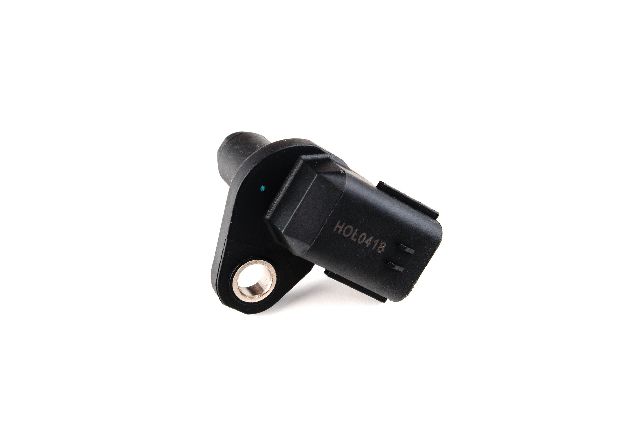
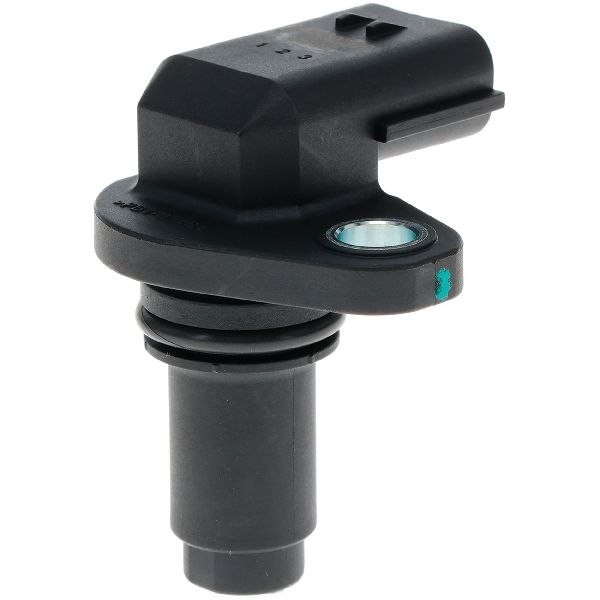
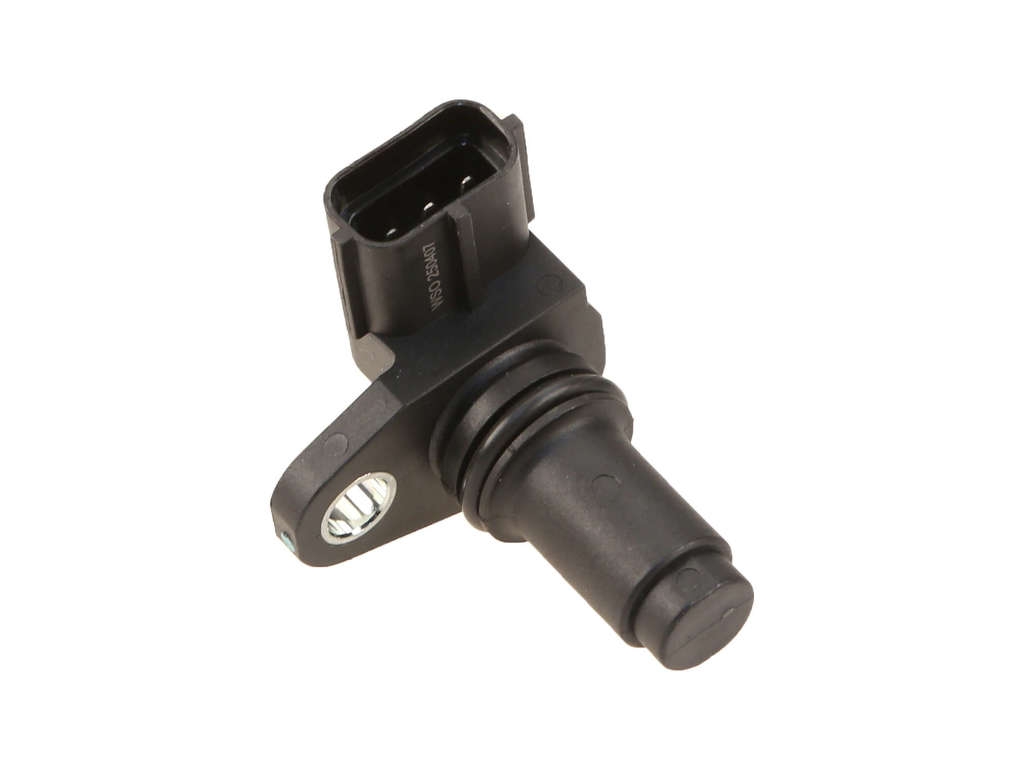
Est. part cost: $800-$1500 for a full kit - Failing Camshaft Position Sensor (Bank 1 Intake) 🟡 Medium Probability Sensors fail over time due to heat cycles and oil contamination. Since it's a relatively inexpensive part, it's often replaced first as a diagnostic step, though it is frequently not the root cause on these engines.
How to confirm: Swap the Bank 1 and Bank 2 intake camshaft position sensors. They are typically accessible on the front of the valve covers. Clear the codes and drive the vehicle. If the code changes to P0366 (Camshaft Position Sensor 'B' Circuit Range/Performance Bank 1), the sensor is bad. If the P0341 code returns, the problem is not the sensor.
Typical fix: Replace the Bank 1 intake camshaft position sensor.
Est. part cost: $50-$150 - Wiring or Connector Issue ⚪ Low Probability The engine harness wiring can become brittle or corroded over time, or the connector to the sensor can become loose or contaminated with oil. A user on the ScannerDanner forum noted that both Bank 1 sensors were dropping out, suggesting a shared power or ground issue in the sub-harness.
How to confirm: Visually inspect the wiring harness leading to the sensor for any signs of damage, chafing, or melting. Check the connector for a secure fit and clean contacts. Use a multimeter to check for proper voltage and ground at the connector.
Typical fix: Repair the damaged section of the wiring harness or clean/replace the connector.
Est. part cost: $10-$100
Rare But Worth Checking
- Failing Variable Valve Timing (VVT) Solenoid or Cam Phaser: A sticky VVT solenoid or a failing cam phaser (variator) can prevent the camshaft from adjusting its timing correctly, leading to a correlation error. This can happen after a timing chain job if components are not installed correctly or are faulty. One owner on YouTube documented a P0341 code after a timing chain job that was ultimately caused by a faulty VVT variator.
- Low Oil Level or Pressure: The timing chain tensioners and VVT system are hydraulically operated by engine oil. Severely low oil level or pressure can cause the tensioners to lose pressure, creating slack in the chain and triggering timing codes. A technician in a YouTube video diagnosed a P0341 on a Range Rover Evoque that was simply very low on engine oil; topping it off resolved the code.
- Failing Powertrain Control Module (PCM): This is extremely rare, but a faulty PCM can misinterpret sensor signals. This should only be considered after all other possibilities have been exhaustively ruled out.
Diagnosis Steps
- Check engine oil level and condition. Ensure it is full and not overdue for a change. Low oil can cause VVT and tensioner issues.
- Scan the PCM for any other stored trouble codes. Note any codes related to timing, misfires, or other camshaft sensors, especially P0016.
- Using a scan tool with live data, monitor the camshaft position sensor signal for Bank 1 (CMP1). Compare it to the signal from Bank 2 (CMP2) if available. Look for dropouts or erratic readings.
- Inspect the wiring and connector for the Bank 1 intake camshaft position sensor. Look for damage, corrosion, or oil contamination.
- As a simple test, swap the intake camshaft position sensors between Bank 1 and Bank 2. Clear the codes and drive the vehicle. If the code returns as P0366, the sensor you moved is faulty. If P0341 returns, the issue is not the sensor.
- If the sensor is ruled out, the next step is to investigate the mechanical timing. With the engine off and cool, carefully remove the oil filler cap and try to feel for slack in the timing chain. Any looseness is a strong indicator of worn guides/tensioners.
- If slack is detected or suspected, consult a professional. Confirming the diagnosis requires specialized tools to lock the engine and check cam/crank alignment, which is the first step of a timing chain replacement job.
Parts You'll Likely Need
- Timing Chain Kit
(OEM #LR032048 (Chain), Full kits have multiple numbers)— This is the most probable root cause on the 5.0L and 3.0L engines. A full kit with updated guides is required to properly fix worn guides and stretched chains.
Trusted brands: Land Rover (OEM), INA
OEM price range: $1200-$1800
Aftermarket price range: $800-$1200 - Camshaft Position Sensor — This is the second most likely cause, or the first part to be replaced during diagnosis. It's much cheaper and easier to replace than the timing components.
Trusted brands: Land Rover (OEM), Bosch, Standard Motor Products
OEM price range: $100-$160
Aftermarket price range: $50-$100
Related Codes That Often Appear With This One
- P0016 — Crankshaft Position - Camshaft Position Correlation (Bank 1 Sensor A). This code directly indicates a timing discrepancy between the crank and cam, strongly pointing to a stretched timing chain. TSB LTB00916NAS3 also lists these codes together.
- P0366 — Camshaft Position Sensor 'B' Circuit Range/Performance (Bank 1). This refers to the exhaust camshaft sensor on the same bank. Seeing both codes together could point to a shared wiring issue or a significant timing problem affecting the entire bank, as discussed on a ScannerDanner forum thread.
- P054A — Cold Start 'B' Camshaft Position Timing Over-Advanced (Bank 1). This code is mentioned alongside P0341 in TSB SSM74161, indicating a potential software or VVT system issue on cold starts.
Technical Service Bulletins (TSBs) & Recalls
- LTB00916NAS3: Mentions P0341 along with other correlation codes (P0016, P0017) as a reason for investigating timing issues on models up to 2017.
- SSM74161: Notes that P0341 can be stored in the PCM, sometimes with no noticeable driveability concerns, alongside other VVT-related codes like P054A-00.
Platform-Specific Known Issues
- Owner Experience: Sensor vs. Chain: A common story on forums like Reddit involves an owner getting a P0341 code, replacing the camshaft position sensor themselves for a low cost, only to have the check engine light return. A subsequent visit to a mechanic confirms the dreaded stretched timing chain, leading to a multi-thousand dollar repair.
- Repair Cost Shock: Multiple threads on Reddit and Land Rover forums discuss the high cost of the timing chain replacement. Independent shop quotes range from $4,000 to $7,000, while dealership quotes can exceed $10,000, especially when including 'while you're in there' items like water pumps and crossover pipes.
- Post-Repair VVT Issues: In a detailed YouTube video, an owner of an LR4 with the 5.0L engine performed a full timing chain replacement but continued to get a P0341 code. After extensive diagnosis, the problem was traced to a faulty intake camshaft VVT variator (phaser) on Bank 1, demonstrating that other components in the timing system can also be the culprit.
Mechanic-Grade Diagnostic Values
- Camshaft Position Sensor (Hall Effect Type) Voltage — expected: The sensor receives a reference voltage, typically 5V, from the PCM. The signal wire sends a pulsing digital (on/off) signal back to the PCM.. Failure: A signal that is missing, intermittent, or does not align with the crankshaft position sensor signal will trigger the code. A constant high or low voltage on the signal wire indicates a circuit fault or failed sensor.
- Camshaft Position Sensor (Hall Effect Type) Resistance — expected: Testing resistance on a 3-wire Hall effect sensor is not a reliable test of function, as it's an active electronic component, not a simple coil. Readings can vary widely. A continuity test on the wiring harness is more effective.. Failure: An open or short circuit found while testing continuity between the sensor connector and the PCM connector indicates a wiring problem.
Hidden / Shadow Codes Worth Checking
- P0341-00: This sub-code, meaning 'No sub type information', is explicitly mentioned in TSB SSM74161 and another TSB related to loose VCT actuator bolts, indicating a general range/performance fault. (see via JLR SDD/Pathfinder or an advanced professional scan tool.)
- P0341-91: This sub-code was reported by an owner of a 2018 Discovery with an Ingenium engine, which was diagnosed as a timing chain issue. The specific meaning of the '-91' suffix is not publicly documented but was linked to the mechanical failure by the dealer. (see via JLR SDD/Pathfinder or an advanced professional scan tool.)
Scan Tool Commands That Help
- JLR SDD / Pathfinder: Live Data Monitoring (Cam/Crank Correlation) — This is the primary diagnostic step after checking for basic sensor/wiring faults. The tool can graph the requested vs. actual camshaft position for Bank 1. Any significant deviation or erratic signal that isn't commanded by the PCM points towards a mechanical timing issue (chain slack, VVT phaser problem).
- JLR SDD / Pathfinder: VVT System Test / Actuator Control — If a mechanical timing issue is suspected, this bidirectional test allows a technician to command the VVT solenoids to advance or retard cam timing. If the camshaft position does not change as commanded, it can help isolate a faulty VVT solenoid, a stuck phaser, or an oil pressure problem to the VVT system.
Wiring & Ground Locations
- Main Engine/Chassis Ground Points — On the L405 platform, there are critical ground studs located in the front wheel arches, behind the fender liners on both the driver and passenger sides. These are typically 13mm nuts holding several ground leads.. Corrosion or looseness at these main ground points can cause a host of intermittent and difficult-to-diagnose electrical issues, including erratic sensor readings. A poor ground can affect the sensor's ability to send a clear signal to the PCM, potentially triggering a range/performance code like P0341.
- Battery Ground Point — The main battery ground cable connects to studs located under the spare tire in the trunk area.. While less likely to cause an isolated sensor code, a poor main battery ground can lead to system-wide low voltage and unpredictable electronic behavior. It's a foundational check for any electrical diagnosis.
- ECM Connector — The Engine Control Module (ECM) is located in the right side of the engine compartment.. When diagnosing a persistent P0341 after replacing the sensor, a continuity and resistance check of the wiring from the camshaft position sensor connector directly to the corresponding pins at the ECM connector is required to rule out a harness failure.
Real Owner Repair Stories
- YouTube channel 'shadetree wrenching' (2011 Land Rover LR4 5.0L V8) — P0341 code for Bank 1 intake camshaft appeared immediately after a full timing chain replacement job.
❌ Tried (didn't work) The timing was re-checked and confirmed to be correct., The camshaft position sensor was already new as part of the initial job.
✅ What actually fixed it The Bank 1 intake VVT variator (cam phaser) was faulty. Upon inspection, a groove was found worn into the housing where the locking pin engages, and a mounting screw may have been bent, preventing it from operating correctly. Replacing the VVT variator resolved the P0341 code. - Reddit user 'Necessititties' on r/LandRoverDiscovery (2016 Discovery Sport (Ingenium engine)) — P0341 code and Check Engine Light.
❌ Tried (didn't work) Replacing the camshaft position sensor.
✅ What actually fixed it The vehicle was taken to a local mechanic who confirmed the root cause was a stretched timing chain, a known issue on that engine. The user was taking it to a Land Rover dealer for the repair. - YouTube channel 'GAS Automotive' (Range Rover Evoque (engine not specified, but behavior is relevant)) — P0341 code stored, engine noise on acceleration.
❌ Tried (didn't work) Initial scan and code reading.
✅ What actually fixed it The vehicle was found to be extremely low on engine oil (4 liters low). Topping up the engine oil to the correct level resolved the noise and the P0341 code, as the VVT system and chain tensioners rely on hydraulic oil pressure to function correctly.
OEM Part Supersession History
LR051008 (Tensioner)→LR095472 (Tensioner)— The original timing chain tensioner design was part of the system prone to premature wear. The updated part numbers are associated with the revised and more durable timing components.
Heads up: When replacing timing components, it is critical to use a complete kit with all updated parts (chains, guides, tensioners) as some early (Tsubaki) and later (INA) chain systems had different pitches and are not interchangeable.AJ811429 (Tsubaki Chain System)→C2Z22078 (INA Chain System)— JLR changed the design of the entire timing system from a wider 6.35mm pitch Tsubaki chain to a narrower 8mm pitch INA chain. This was likely for cost and standardization.
Heads up: The two systems are completely incompatible. Chains, guides, tensioners, and sprockets must all belong to the same system (either all Tsubaki or all INA).
Model Year Variations Within This Range
- 2012-2014: Models in this range were originally fitted with timing chain guides made of a softer aluminum, which were prone to being worn down by the steel tensioner plunger. This is the primary design flaw.
- 2015-2019: Models from 2015 onwards were factory-fitted with updated timing chain guides that feature a steel insert to prevent the tensioner from wearing through the guide. While more robust, these systems can still fail due to oil sludge blocking the hydraulic tensioner.
Helpful Videos

Used OEM Parts in Stock
New Aftermarket Parts Available


The information in this article is provided for general reference and educational purposes only. Vehicle specifications, procedures, and part compatibility can vary by production date, trim level, and region. Always consult your vehicle's factory service manual and verify part numbers before purchasing or performing repairs. Safety-critical components such as airbags, seat belts, and braking systems should be installed by a qualified professional.
- Land Rover RANGE ROVER:
- 🎬 Helpful Videos
- 🛍️ Shop This Part
- What's Unique About the 2012-2019 Land Rover RANGE ROVER
- Diagnostic Flowchart
- Symptoms You May Notice
- Most Likely Causes
- Rare But Worth Checking
- Diagnosis Steps
- Parts You'll Likely Need
- Related Codes That Often Appear With This One
- Technical Service Bulletins (TSBs) & Recalls
- Platform-Specific Known Issues
- Mechanic-Grade Diagnostic Values
- Hidden / Shadow Codes Worth Checking
- Scan Tool Commands That Help
- Wiring & Ground Locations
- Real Owner Repair Stories
- OEM Part Supersession History
- Model Year Variations Within This Range
- 🎟️ Get 5% Off