

P0341 on 2015-2016 Land Rover Discovery Sport: Timing Chain and VVT Guide
On a 2015-2016 Discovery Sport, P0341 almost always indicates a mechanical engine timing issue, not just a bad sensor. The most common causes are a failed Variable Camshaft Timing (VCT) actuator or a stretched timing chain, both known issues on this Ford-derived 2.0L EcoBoost engine. This is a complex, professional-level repair costing between $1,200 and $5,000+, with some owner reports of dealer quotes for full timing jobs exceeding this.
- P0341 on a 2015-16 Discovery Sport is a serious code that strongly suggests a mechanical timing problem, not a simple sensor failure.
- Do not replace the camshaft position sensor without first investigating the VCT system and timing chain, as this is unlikely to fix the problem.
- The most likely causes are a failed intake VCT actuator (per TSB LTB00916NAS5) or a stretched timing chain.
- Listen for an engine rattle; its presence makes a mechanical timing issue extremely likely.
- This is not a DIY-friendly repair. Due to the complexity and risk of engine damage, professional diagnosis and service are highly recommended.
What's Unique About the 2015-2016 Land Rover DISCOVERY SPORT
The 2.0L turbocharged engine (based on the Ford EcoBoost and named Si4 by Land Rover) used in the 2015-2016 Discovery Sport is known for specific timing component failures that directly cause the P0341 code. Land Rover has issued multiple Technical Service Bulletins (TSBs) acknowledging that a faulty intake Variable Camshaft Timing (VCT) actuator or stretched timing chains are the root cause, often accompanied by a rattling noise. Unlike many other vehicles where P0341 might be a simple sensor swap, on this platform, it's a strong indicator of a more significant mechanical problem requiring immediate and professional diagnosis. A Reddit user with a 2016 Discovery Sport confirmed this, stating they replaced the sensor for P0341 to no avail, with the actual cause being a stretched timing chain.
Diagnostic Flowchart
Tap your situation to follow the diagnostic path that matches what you're seeing on this vehicle.
Symptoms You May Notice
- Check Engine Light (Malfunction Indicator Lamp) is on.
- Rattling noise from the engine, especially on startup or when the VVT system actuates.
- Difficulty starting the engine or extended cranking.
- Rough idle or stalling.
- Reduced engine power and acceleration, especially from a stop.
- A banging noise from the top of the engine on cold starts.
- In some cases, no noticeable drivability issues may be present aside from the Check Engine Light. [SSM74161]
- Replacing only the camshaft position sensor without diagnosing the underlying mechanical timing system. The code will almost certainly return if a bad VCT actuator or stretched chain is the true cause.
Most Likely Causes
- Failed Intake Variable Camshaft Timing (VCT) Actuator 🔴 High Probability A widely known issue documented in Land Rover TSBs LTB00916NAS5 and LTB00916NAS3. A 'stopper' inside the actuator can detach, causing it to fail and disrupt cam timing, often triggering P0341 and P0016.
How to confirm: A technician can remove the valve cover and physically inspect the VCT actuator for excessive rotational play. Per the TSB, if the camshaft can be rotated clockwise by hand without rotating the engine, the actuator has failed.
Typical fix: Replace the faulty intake VCT actuator. Many technicians recommend replacing the timing chain, guides, and tensioners at the same time due to labor overlap.
Est. part cost: $150-$300 - Stretched Timing Chain and/or Worn Guides/Tensioners 🔴 High Probability These Ford-derived 2.0L engines are known to experience premature timing chain stretch, which causes the camshaft and crankshaft correlation to be off, triggering P0341 and often P0016. A Reddit user with a 2016 Discovery Sport reported a garage diagnosing a rattling chain early at 84,000 miles.
How to confirm: This requires a physical inspection of the timing components, which is a labor-intensive process. A distinct rattling noise from the engine is a strong indicator. An advanced scan tool can also show a deviation between the desired and actual camshaft position angles at idle.
Typical fix: Replace the timing chain, tensioners, and guides as a complete kit. It is often recommended to replace the VVT actuators and VVT solenoids at the same time.
Est. part cost: $500-$1000 - Low or Dirty Engine Oil 🟡 Medium Probability The VCT system is hydraulically operated by engine oil pressure. Low or contaminated oil can prevent the VVT solenoids, phasers, and chain tensioner from functioning correctly, leading to timing errors and a rattling noise.
How to confirm: Check the engine oil level and condition on the dipstick. A YouTube video demonstrated a Range Rover Evoque with P0341 and a horrible rattle that was resolved simply by adding 4 liters of oil to bring it to the correct level. 🎬 Watch: How low oil levels can trigger P0341 and engine rattles.
Typical fix: Perform an engine oil and filter change using the manufacturer-specified grade of oil. Clear codes and see if the problem returns.
Est. part cost: $70-$150 - Faulty Camshaft Position Sensor or Wiring ⚪ Low Probability While the code points to the sensor, it's rarely the root cause on this vehicle given the prevalence of mechanical timing issues. Owners on forums frequently report replacing the sensor with no success.
How to confirm: Inspect the sensor's wiring and connector for damage. A technician can use a multimeter to test the sensor's signal output or an oscilloscope to view the waveform.
Typical fix: Replace the camshaft position sensor.
Est. part cost: $50-$150
Rare But Worth Checking
- Faulty VVT Solenoid (Oil Control Valve): TSB SSM74161 mentions that faulty VVT solenoids can cause P0341, sometimes with no driveability concerns. This is a simpler fix than a timing chain and worth investigating as oil sludge can block its passages.
- Damaged Camshaft Reluctor Ring: The ring on the camshaft that the sensor reads can become damaged or slip, causing an erratic signal. This is uncommon but possible, especially if other engine work has been performed.
Diagnosis Steps
- Read all stored DTCs with a quality OBD-II scanner. Note all codes present, especially correlation codes like P0016/P0017 and VVT codes like P052A.
- Check the engine oil level and condition. If low or dirty, correct this first, clear the codes, and test drive. This simple step fixed a P0341 and rattle on an Evoque in one documented case.
- Listen for a rattling or banging noise from the engine, particularly on cold starts. A rattle is a strong symptom of a timing chain or VCT actuator issue.
- Inspect the wiring harness and connector for the Bank 1 intake camshaft position sensor for any visible damage, corrosion, or oil contamination.
- If timing correlation codes (P0016/P0017) are present, professional diagnosis is required. A technician will need to remove the valve cover to inspect the VCT actuator for excessive play per TSB LTB00916NAS5.
- If the VCT actuator appears fine, the next step is a full inspection of the timing chain, guides, and tensioners, which is a significant labor undertaking. An oscilloscope can also be used to compare cam and crank sensor patterns to a known-good waveform.
Parts You'll Likely Need
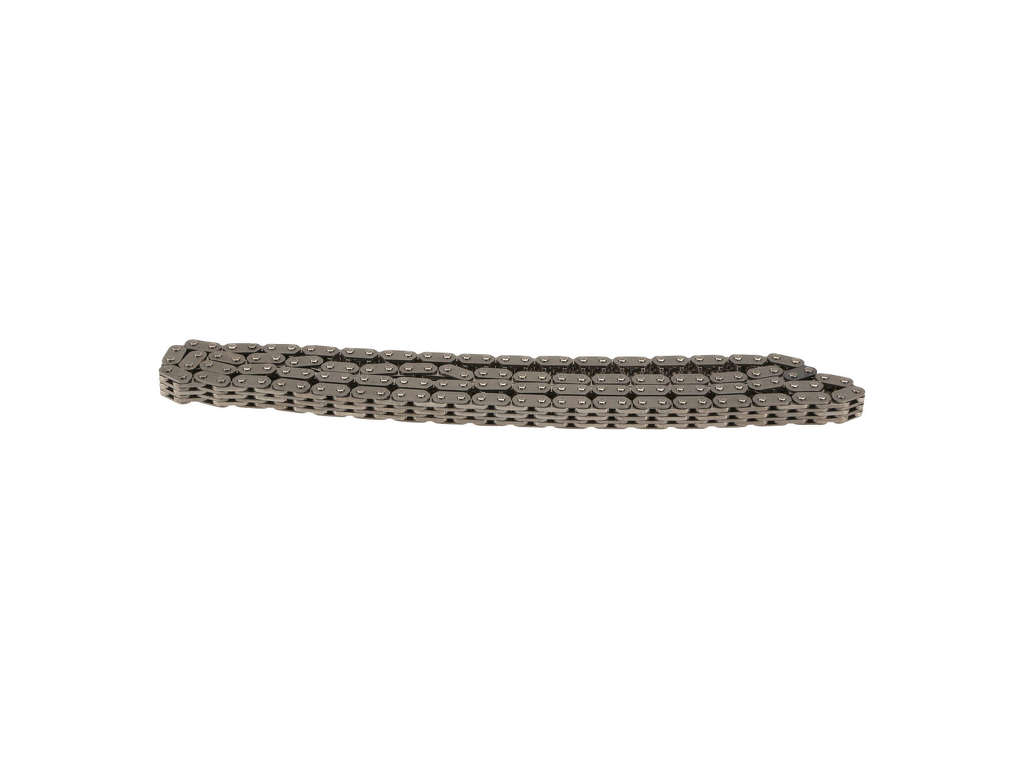
- Timing Chain Kit
(OEM #LR025263 (chain only), various kit numbers like LR095137)— This is the most probable fix if the timing chain has stretched. A kit includes the chain(s), guides, and tensioners. 🎬 Watch: Detailed timing chain and sprocket replacement for the 2.0L engine.
Trusted brands: Land Rover (OEM), Febi, DNJ Rock
OEM price range: $500-$1000
Aftermarket price range: $220-$600 - Intake VCT Actuator (Phaser)
(OEM #LR095897 (supersedes LR085467, LR050849, LR024999))— A known failure point documented in TSBs. The internal 'stopper' can break, causing timing deviation.
Trusted brands: Land Rover (OEM)
OEM price range: $200-$300
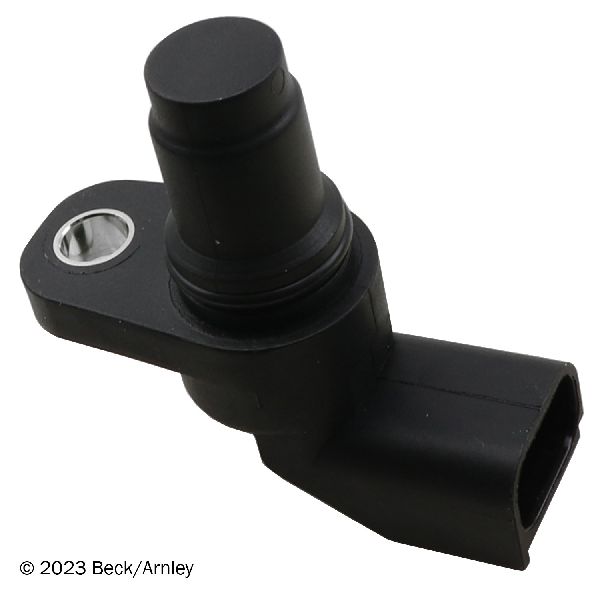
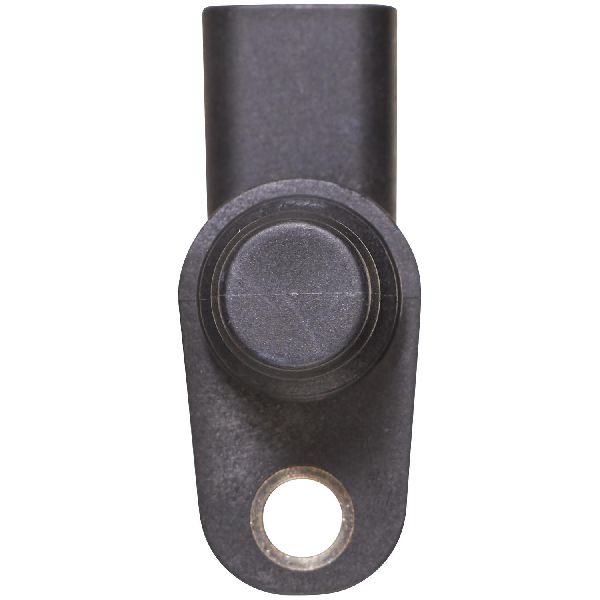
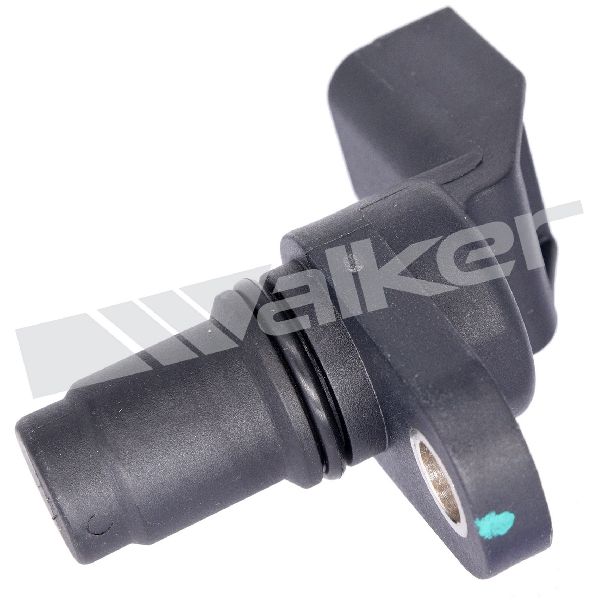
Aftermarket price range: $150-$250 - Camshaft Position Sensor
(OEM #31316341 (Volvo number, shared part))— Replaced if it is proven to be faulty after mechanical timing issues have been ruled out. A low-probability fix.
Trusted brands: Bosch, Delphi, Land Rover (OEM)
OEM price range: $100-$180
Aftermarket price range: $50-$100
Related Codes That Often Appear With This One
- P0016 — Crankshaft Position - Camshaft Position Correlation (Bank 1 Sensor A). This code directly indicates a timing misalignment between the crank and cam, strongly supporting a stretched chain or failed VCT actuator as the cause.
- P0017 — Crankshaft Position - Camshaft Position Correlation (Bank 1 Sensor B). Similar to P0016, but for the exhaust camshaft. Its presence further points to a base timing issue affecting the whole system.
- P052A — Cold Start 'A' Camshaft Position Timing Over-Advanced (Bank 1). This code is often seen with P0341 and points to issues with the VCT system, particularly the actuator sticking on startup. [15, SSM74161]
- P0014 — 'B' Camshaft Position - Timing Over-Advanced or System Performance (Bank 1). This indicates a problem with the exhaust camshaft timing, often caused by the same VVT system faults. [11, SSM74161]
Technical Service Bulletins (TSBs) & Recalls
- LTB00916NAS5: Details the failure of the intake VCT actuator due to a detached internal 'stopper', causing a rattle and codes like P0341 and P0016. Provides a manual check for the failure.
- LTB00916NAS3: An earlier version of the above TSB, also linking P0341 to VCT actuator failure. [NHTSA]
- SSM74161: Suggests that P0341 and other VVT-related codes can occur with no driveability concerns and may point to a faulty VVT solenoid. [NHTSA]
Platform-Specific Known Issues
- TSB LTB00916NAS5 directly addresses P0341 (and others) being caused by a detached 'stopper' in the intake VCT actuator, causing a rattle and timing deviation.
Mechanic-Grade Diagnostic Values
- VVT Solenoid (Oil Control Valve) Coil Resistance — expected: 5 to 15 Ohms. Failure: A reading of infinite resistance (open circuit) or near-zero resistance (short circuit).
- VVT Solenoid Connector Voltage — expected: ~12V (Battery Voltage) with Key On, Engine Off. Failure: No voltage suggests a wiring issue or blown fuse.
- Camshaft Position Sensor Connector Voltage — expected: Pin 3 (Reference) should have ~5V. Pin 2 should be ground. Pin 1 (Signal) will vary.. Failure: Missing reference voltage or bad ground indicates a wiring or PCM issue.
- Scan Tool Live Data: 'Actual Inlet Variable Valve Timing Position' — expected: 0 to 0.4 degrees at idle on a healthy engine.. Failure: A reading of 9 degrees or more indicates a significant timing correlation fault, likely from a stretched chain or failed phaser.
Scan Tool Commands That Help
- JLR SDD / Pathfinder: VVT System Test / Actuator Control — To functionally test the VVT solenoids and phasers. A technician can command timing changes and watch live data for a response, helping to isolate a faulty solenoid, stuck phaser, or oil pressure issue from a base timing (chain) problem.
Wiring & Ground Locations
- Camshaft Position Sensor Connector — Screwed into the top of the valve cover, near the front of the engine, above the intake camshaft.. This 3-pin connector is the primary interface for the sensor. Pin 3 (5V Reference), Pin 2 (Ground), and Pin 1 (Signal) can be tested here for voltage and signal integrity. Oil contamination or a loose connection can cause the P0341 code.
- Main Engine-to-Chassis Ground Strap — Typically runs from a starter motor mounting bolt or a dedicated boss on the engine block to a point on the vehicle's frame rail.. A poor or corroded main engine ground can create electrical noise and voltage differentials, interfering with the sensitive signals from the cam and crank sensors and potentially triggering range/performance codes like P0341.
Real Owner Repair Stories
- Reddit user 'Necessititties' (2016 Land Rover Discovery Sport (Ingenium engine, but same code and symptom)) — Check Engine Light with code P0341.
❌ Tried (didn't work) Replacing the camshaft position sensor.
✅ What actually fixed it A local mechanic diagnosed a stretched timing chain. The vehicle was then taken to a Land Rover dealer for the timing chain replacement job. - YouTube channel 'GAS Automotive' / 'CSM Garage' (Range Rover Evoque (shares 2.0L Si4 engine with 2015-16 Discovery Sport)) — P0341 code with a horrible rattling noise from the engine.
❌ Tried (didn't work) Clearing the code with a scanner (it returned immediately).
✅ What actually fixed it The vehicle was found to be extremely low on engine oil (4 liters low). Topping up the oil to the correct level resolved the rattling noise and the P0341 code, as oil pressure is critical for the VVT system and chain tensioner.
OEM Part Supersession History
LR024999, LR050849, LR085467, LR083920→LR095897— Standard part evolution for improved design and durability of the intake VCT actuator (phaser).
Helpful Videos
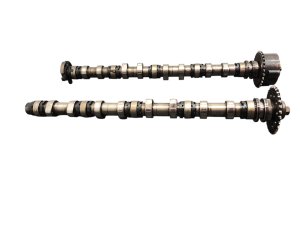
Used OEM Parts in Stock
New Aftermarket Parts Available


The information in this article is provided for general reference and educational purposes only. Vehicle specifications, procedures, and part compatibility can vary by production date, trim level, and region. Always consult your vehicle's factory service manual and verify part numbers before purchasing or performing repairs. Safety-critical components such as airbags, seat belts, and braking systems should be installed by a qualified professional.
- Land Rover DISCOVERY SPORT:
- 🎬 Helpful Videos
- 🛍️ Shop This Part
- What's Unique About the 2015-2016 Land Rover DISCOVERY SPORT
- Diagnostic Flowchart
- Symptoms You May Notice
- Most Likely Causes
- Rare But Worth Checking
- Diagnosis Steps
- Parts You'll Likely Need
- Related Codes That Often Appear With This One
- Technical Service Bulletins (TSBs) & Recalls
- Platform-Specific Known Issues
- Mechanic-Grade Diagnostic Values
- Scan Tool Commands That Help
- Wiring & Ground Locations
- Real Owner Repair Stories
- OEM Part Supersession History
- 🎟️ Get 5% Off