

P0341 on 2013-2019 Jaguar XF: Cam Sensor vs. Timing Chain Causes and Fixes
P0341 on a Jaguar XF most often points to a failing camshaft position sensor on Bank 1. However, it can also be an early warning of a stretched timing chain, a known issue on these engines. Replacing the sensor is a simple, low-cost first step (~$30-$80 for the part). If the code returns, suspect a more serious mechanical timing issue.
- P0341 means the Bank 1 camshaft position sensor signal is out of range or performing incorrectly.
- The easiest and most common fix is replacing the camshaft position sensor itself.
- On the Jaguar XF, this code can be an early symptom of a stretched timing chain, a known and more serious issue.
- Check for other codes. If you see P0016 or P0017, a timing chain problem is very likely.
- If a new sensor doesn't fix the code, have the mechanical engine timing professionally inspected.
What's Unique About the 2013-2019 Jaguar XF

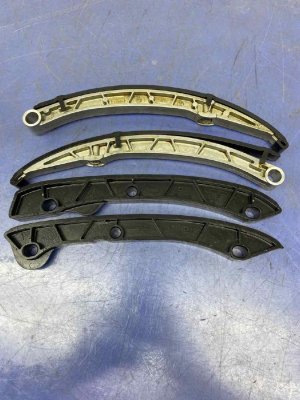
On many cars, P0341 is a straightforward sensor failure. For the 2013-2019 Jaguar XF, particularly those with the AJ-series V6 and V8 engines, this code must be treated with more caution. These engines are known for premature timing chain guide and tensioner wear. The primary failure is often the plastic-coated guides becoming brittle and breaking, or the steel plunger of the hydraulic tensioner wearing through the softer aluminum guide rail. This allows the timing chain to go slack, altering the cam/crank timing relationship just enough to trigger a P0341 performance code before more severe timing correlation codes (like P0016) appear. Therefore, while the sensor is the easy first check, underlying mechanical timing issues are a significant and well-documented possibility.
Diagnostic Flowchart

Tap your situation to follow the diagnostic path that matches what you're seeing on this vehicle.
Generation note: This year range covers two Jaguar XF generations: the end of the X250 (2013-2015) and the beginning of the X260 (2016-2019). The underlying causes for P0341 are similar across both generations as they share engine families (e.g., AJ126 V6, Ingenium 4-cyl). The provided TSBs from NHTSA apply to models in both generations, indicating a persistent issue.
🎬 Watch: Replacing the timing chain on a 2.0 Ingenium engine.Symptoms You May Notice

- Check Engine Light is on.
- Engine is difficult to start or requires longer cranking time.
- Rough idle or engine stumbling.
- Engine stalling.
- Reduced engine power and poor acceleration.
- Decreased fuel economy.
- Audible rattling noise from the front of the engine, especially on cold startup, which strongly points to timing chain/tensioner failure.
- In some cases, only the Check Engine Light is on with no other noticeable symptoms. [Bulletin #SSM74160]
- Replacing the crankshaft position sensor. While related, a P0341 code specifically points to the camshaft sensor circuit, not the crankshaft sensor.
- Assuming it's ONLY the sensor without considering timing chains. On these Jaguars, ignoring the possibility of a timing issue can lead to a repeat code and leave a more serious mechanical problem unaddressed. This is a common story in owner forums.
Most Likely Causes

- Failing Camshaft Position Sensor (Bank 1, Intake) 🔴 High Probability Sensors can fail over time due to extreme heat cycles and oil contamination in the engine bay. It's the most common and simplest failure point for this code.
How to confirm: Swap the Bank 1 and Bank 2 intake camshaft position sensors (if your engine has two). They are usually on the front of the valve covers. Clear the codes and drive. If the code changes to P0346 (Bank 2), the sensor is bad. Alternatively, test the sensor's voltage signal with a multimeter; it should produce a consistent pulse as the engine runs. 🎬 Watch: How to diagnose and test the camshaft position sensor.
Typical fix: Replace the Bank 1 intake camshaft position sensor.
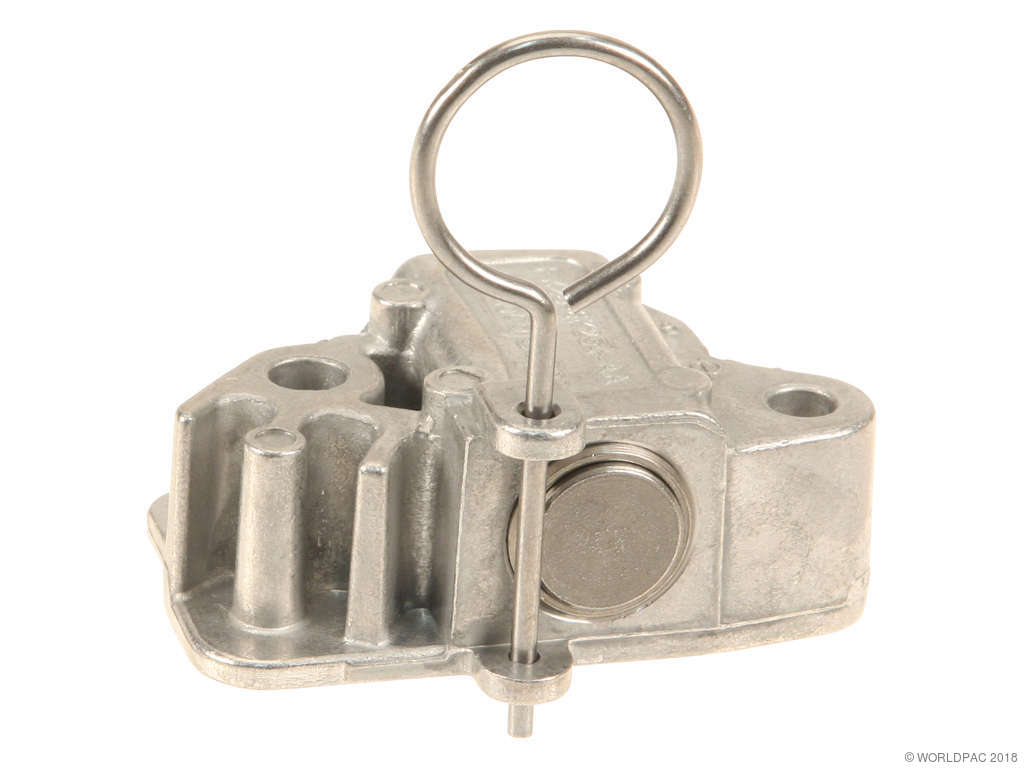
Est. part cost: $30-$80 - Stretched Timing Chain or Failing Guides/Tensioners 🟡 Medium Probability The AJ126 (V6) and AJ133 (V8) engines are notorious for issues with their timing chain guides and tensioners. The plastic guides can crack, and the tensioners can fail to maintain pressure, leading to chain slack. This slack causes a slight deviation in cam timing that the sensor reports, triggering P0341. TSB JTB00480NAS2 directly links P0341 with other timing codes, acknowledging this connection.
How to confirm: Listen for a distinct rattling from the front of the engine on cold starts. Use an advanced scan tool to check for cam/crank correlation deviation. A deviation of more than a few degrees suggests a timing issue. Physical inspection for chain slack or broken plastic guide pieces in the oil pan is definitive, but requires significant labor.
Typical fix: Replace the timing chains, all guides, and all tensioners. This is a major, labor-intensive repair. 🎬 See this walkthrough of a petrol engine timing chain replacement.
Est. part cost: $500-$1200 - Wiring or Connector Issue ⚪ Low Probability Engine bay heat and vibrations can cause wiring to become brittle or connectors to loosen over time. Oil can also contaminate the connector pins.
How to confirm: Visually inspect the wiring harness and connector for the Bank 1 camshaft sensor. Check for frayed wires, corrosion in the connector pins, or a loose connection. Use a multimeter to check for the 5V reference, ground, and signal continuity back to the PCM.
Typical fix: Repair the damaged section of wiring or clean/replace the connector.
Est. part cost: $5-$50
Rare But Worth Checking
- Low Oil Level or Degraded Oil: The variable valve timing (VVT) system uses oil pressure to adjust cam timing. If oil is low or dirty, it can cause the camshaft phasers to respond slowly or erratically, creating a timing discrepancy that may trigger P0341.
- Failing Powertrain Control Module (PCM): This is extremely rare. Before condemning the PCM, all other possibilities (sensor, wiring, mechanical timing) must be exhaustively ruled out. A known repair case involved replacing the ECM after the sensor, wiring, and mechanical timing were all confirmed to be good.
- Damaged Camshaft Reluctor Wheel: The reluctor wheel is a toothed ring on the camshaft that the sensor reads. If it is damaged, cracked, or has slipped, it will send an erratic signal. This is uncommon but possible.
Diagnosis Steps
- Read all stored fault codes with an OBD-II scanner. Note any other codes present, especially P0016/P0017 or misfire codes.
- On a cold start, listen carefully for a rattling or clattering noise from the front of the engine lasting a few seconds. This is a strong indicator of timing chain tensioner/guide issues.
- Check the engine oil level and condition. Top up or change if necessary, as low/dirty oil can affect VVT operation.
- Locate the Bank 1 intake camshaft position sensor. Inspect its wiring and connector for any visible damage, corrosion, or loose connections.
- If accessible, swap the Bank 1 and Bank 2 intake camshaft position sensors. Clear the codes and drive the vehicle to see if the fault code changes to P0346 (Bank 2). If it does, the sensor is faulty.
- If the code does not change, use a multimeter to test the sensor's circuit for proper voltage (typically a 5V reference), ground, and a clean signal wire back to the PCM.
- If wiring and the sensor are confirmed good, the next step is to investigate mechanical timing. This is best done by a professional.
- An advanced scan tool can be used to monitor cam/crank deviation in live data. If it exceeds the manufacturer's specification (typically more than +/- 6 degrees), it strongly indicates a stretched timing chain or VVT phaser issue.
Parts You'll Likely Need
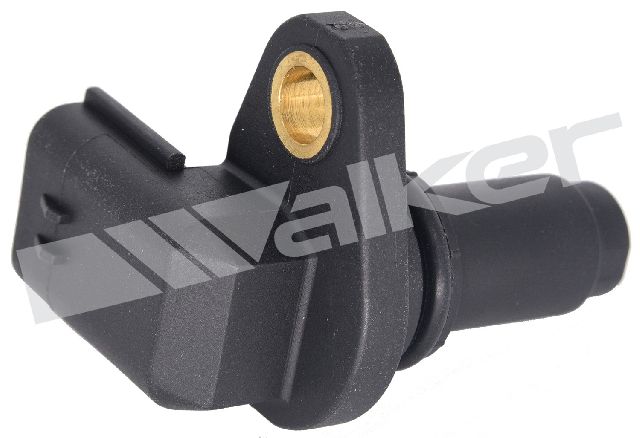
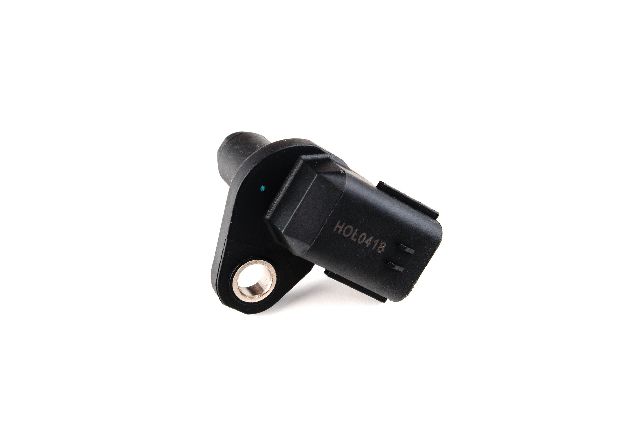
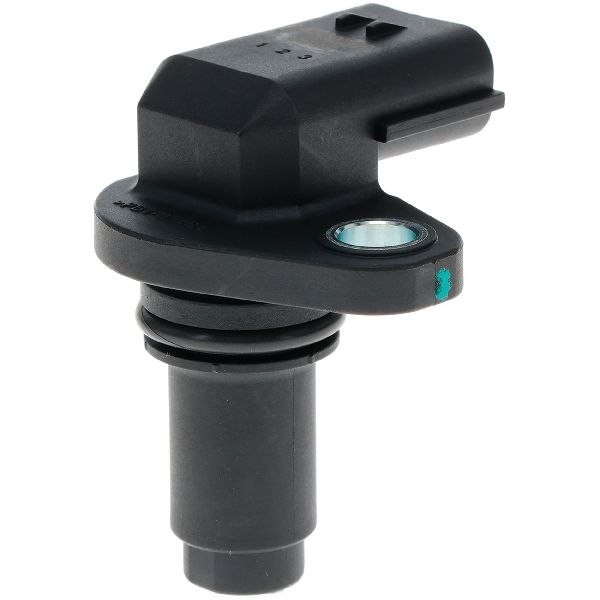
- Camshaft Position Sensor
(OEM #AJ813216)— This is the most frequent cause of P0341 and is a simple, inexpensive part to replace as a first step.
Trusted brands: Bosch (OEM Supplier, P/N: 0232103140), Denso, Standard Motor Products
OEM price range: $60-$100
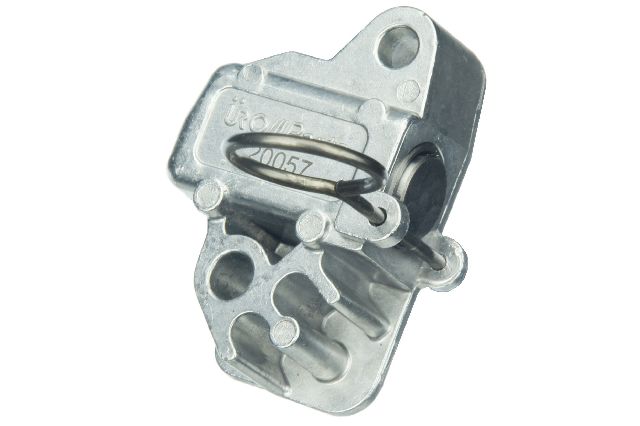
Aftermarket price range: $30-$80 - Timing Chain Kit
(OEM #LR032048 (V8/V6 kit reference), C2Z22078 (Chain), C2Z28429 (Tensioner))— If the sensor and wiring are good, a failing timing chain system is the next most likely cause, especially on the V6 and V8 engines. A complete kit including chains, guides, and tensioners is required.
Trusted brands: Jaguar (OEM), EuroAMP, Cloyes
OEM price range: $700-$1200
Aftermarket price range: $400-$800
Related Codes That Often Appear With This One
- P0016 / P0017 — These codes indicate a direct crankshaft/camshaft correlation error. If you see these with P0341, a stretched timing chain is highly probable. [Bulletin #JTB00480NAS2, 36]
- P0300 / P0301-P0308 — Misfire codes can occur because incorrect cam timing leads to inefficient combustion in one or more cylinders. [Bulletin #SSM74160]
- P0346 — This is the equivalent code for the Bank 2 camshaft position sensor. Seeing both codes together could point to a systemic issue like timing chains or an oil pressure problem affecting both banks.
- P052A — This code for 'Cold Start "A" Camshaft Position Timing Over-Advanced' is often seen with P0341 and points directly to issues with the VVT system, often caused by failing timing components.
Technical Service Bulletins (TSBs) & Recalls
- JTB00516NAS1: Mentions MIL illumination with P0341-91 stored.
- SSM74160: Notes P0341-00 can be stored without driveability concerns, alongside other DTCs.
- JTB00480NAS2: Associates P0341 with other timing-related DTCs like P0016 and P0017, and engine rattle, indicating a known link to mechanical timing failure.
Platform-Specific Known Issues
- Owner Experience: Sensor Swap Fails, Timing Chain is the Culprit: A common narrative on JaguarForums.com involves an owner getting a P0341, replacing the Bank 1 sensor, and having the code return shortly after. A subsequent trip to the dealer or a specialist confirms timing chain slack via live data, requiring the full timing chain service. This highlights the importance of not stopping diagnosis at the sensor.
- TSB JTB00516NAS1: Notes that the Malfunction Indicator Lamp (MIL) can be illuminated with DTC P0341-91 stored, confirming this specific code variant is recognized by the manufacturer.
- TSB SSM74160: This bulletin acknowledges that P0341-00 can be stored in the Powertrain Control Module (PCM), sometimes with no noticeable driveability concerns, alongside other timing and misfire codes.
- TSB JTB00480NAS2: Directly links P0341 with more severe timing correlation codes like P0016 and P0017, indicating it can be a precursor to a confirmed mechanical timing fault.
Mechanic-Grade Diagnostic Values
- Camshaft Position Sensor Power Supply Voltage — expected: ~5V DC. Failure: 0V or significantly lower indicates a wiring issue (open, short) or a problem with the PCM's 5V reference circuit.
- Camshaft Position Sensor Ground Circuit Check — expected: ~12V DC (Battery Voltage). Failure: 0V or low voltage indicates a poor or open ground connection.
- Camshaft Position Sensor Signal Voltage (Dynamic) — expected: Rapidly switching square wave between ~0V and ~5V (best viewed on an oscilloscope). A multimeter may show an average voltage that changes with RPM.. Failure: A flat-line voltage (stuck at 0V or 5V) or an erratic, inconsistent signal while the engine is cranking or running indicates a failed sensor or a problem with the reluctor wheel.
Hidden / Shadow Codes Worth Checking
- P0341-92: This manufacturer-specific sub-code points to a 'Performance or Incorrect Operation' failure mode. It provides more detail than the generic P0341 code. (see via Dealer-level diagnostic tools like Jaguar Land Rover SDD (Symptom Driven Diagnostics) or Pathfinder.)
- P0341-00: This is another variant of the code noted in a Technical Service Bulletin, indicating a general fault without a specific subtype identified. (see via Mentioned in TSB SSM74160, visible with professional scan tools. [Bulletin #SSM74160])
Scan Tool Commands That Help
- JLR SDD / Pathfinder: Live Data > Cam/Crank Correlation — This is a crucial step after verifying the sensor and wiring. It graphs the requested vs. actual camshaft position, allowing a technician to see deviations in degrees. A steady deviation beyond a few degrees at idle strongly suggests a stretched timing chain or phaser issue.
- JLR SDD / Pathfinder: Service Functions > VVT System Test / Actuator Control — Use this bidirectional test to command the VVT solenoids on and off. This helps determine if a VVT solenoid is stuck or responding slowly, which can also cause a P0341 code, isolating it from a purely mechanical chain issue.
- Advanced OBD-II Scanners: Cam/Crank Relearn — After replacing a camshaft position sensor, some vehicles require a relearn procedure for the PCM to adapt to the new sensor's specific signal characteristics. This function, if available, initiates that process.
Wiring & Ground Locations
- Sensor Connector Pinout (Typical 3-wire) — At the camshaft position sensor itself, on the front of the valve cover.. Knowing the function of each pin (Power, Ground, Signal) is essential for accurately testing the circuit with a multimeter to determine if the fault is the sensor, the wiring, or the PCM.
- G1D123 / G1D124 — Engine compartment, on the right-hand (passenger) side frame rail, near the front.. These are major ground points in the engine bay. The Engine Control Module (ECM) and its sensors rely on clean, solid ground connections. A corroded or loose ground here can introduce electrical noise or voltage drops, causing a range/performance code like P0341.
- EMS LH Ground Stud — Located on the left front inner fender.. This is a specific ground stud for the Engine Management System (EMS). A fault at this specific point is highly likely to cause issues with engine sensors, including the camshaft position sensor.
Real Owner Repair Stories
- JaguarForums.com user post (2000 Jaguar Vanden Plas (AJ27 V8 engine)) — Persistent P0341 code, slight rumble/jerking around 50 mph, 'Reduced Performance' message.
❌ Tried (didn't work) Replaced the camshaft position sensor., Confirmed with a Jaguar specialist that the engine timing was correct., Confirmed timing chain tensioners were the updated metal version., Replaced spark plugs and coils.
✅ What actually fixed it After verifying the wiring harness was okay, the final fix was replacing the Engine Control Module (ECM) with one from a salvage vehicle. - JustAnswer.com expert advice (2017 Jaguar XF 2.0L Diesel (Ingenium)) — Check Engine Light with code P0341, heavy engine sound on acceleration.
❌ Tried (didn't work) Replaced the camshaft position sensor, but the light came back on the next day.
✅ What actually fixed it The consulting mechanic stated that after a sensor replacement fails to fix the issue, the next steps are to meticulously inspect the wiring harness for damage and then to suspect a mechanical timing chain issue, as this is a common failure pattern on these engines.
OEM Part Supersession History
AJ813216→N/A— This is the current and widely used part number for the specified model range, particularly for the Ingenium engines.
Heads up: While this part is used on many JLR models, always verify fitment with a VIN. The OEM supplier is Bosch.
Model Year Variations Within This Range
- 2013-2015 (X250 Generation): Late X250 models used either the 3.0L V6 (AJ126) or a Ford-based 2.0L GTDi four-cylinder engine. The timing chain guide issues are primarily associated with the V6.
- 2016-2019 (X260 Generation): The X260 generation introduced the JLR-developed 2.0L Ingenium engine family (petrol and diesel). Early versions of these Ingenium engines (pre-2019) are also known to suffer from premature timing chain stretch, which can be a cause for P0341.
Helpful Videos
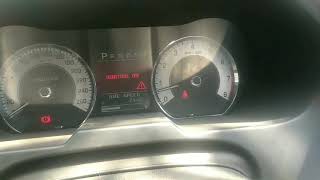
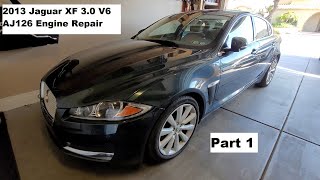
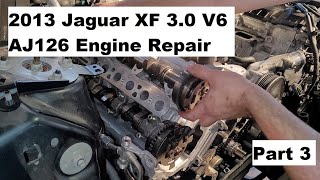
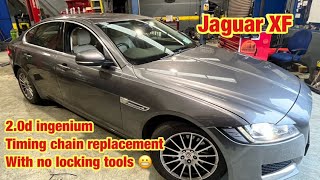

Used OEM Parts in Stock
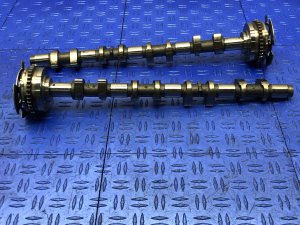
New Aftermarket Parts Available


The information in this article is provided for general reference and educational purposes only. Vehicle specifications, procedures, and part compatibility can vary by production date, trim level, and region. Always consult your vehicle's factory service manual and verify part numbers before purchasing or performing repairs. Safety-critical components such as airbags, seat belts, and braking systems should be installed by a qualified professional.
- Jaguar XF:
- 🎬 Helpful Videos
- 🛍️ Shop This Part
- What's Unique About the 2013-2019 Jaguar XF
- Diagnostic Flowchart
- Symptoms You May Notice
- Most Likely Causes
- Rare But Worth Checking
- Diagnosis Steps
- Parts You'll Likely Need
- Related Codes That Often Appear With This One
- Technical Service Bulletins (TSBs) & Recalls
- Platform-Specific Known Issues
- Mechanic-Grade Diagnostic Values
- Hidden / Shadow Codes Worth Checking
- Scan Tool Commands That Help
- Wiring & Ground Locations
- Real Owner Repair Stories
- OEM Part Supersession History
- Model Year Variations Within This Range
- 🎟️ Get 5% Off