

P0341 on 2012-2017 Chevrolet Sonic: Camshaft Sensor Causes and Fixes
For a 2012-2017 Chevy Sonic with code P0341, the most common cause is a failing intake camshaft position sensor, a fix strongly suggested by GM Technical Service Bulletin #PIP5329C. Replacing the sensor is a straightforward DIY job costing between $25 and $70 for the part. Other potential but less common causes include wiring issues or a stretched timing belt.
- P0341 on a Chevy Sonic almost always points to a bad intake camshaft position sensor.
- A GM Technical Service Bulletin (PIP5329C) confirms that replacing the sensor is the first and most likely fix.
- This is a very DIY-friendly repair; the sensor is inexpensive and easy to access on top of the engine.
- If a new sensor doesn't solve the problem, check the wiring and connector before suspecting a more serious mechanical timing belt issue.
- Symptoms include hard starting, stalling, rough idle, and poor acceleration.
What's Unique About the 2012-2017 Chevrolet SONIC

For this specific generation of Chevrolet Sonic with the 1.8L engine, General Motors issued a Technical Service Bulletin (TSB #PIP5329C) that streamlines diagnosis. Unlike on many other vehicles where P0341 can be a toss-up between a bad sensor or a more serious timing issue, the TSB for the Sonic and its platform mates (like the Chevy Cruze) advises technicians to replace the camshaft position sensor as the first and most likely step. This makes the P0341 code on this platform a more predictable and often simpler fix than it might be on other cars.
Diagnostic Flowchart

Tap your situation to follow the diagnostic path that matches what you're seeing on this vehicle.
Symptoms You May Notice
- Check Engine Light is on
- Engine is difficult to start or cranks for a long time.
- Engine stalls unexpectedly, especially at idle or during turns.
- Rough idling and engine misfires.
- Noticeable loss of power and poor acceleration
- Reduced fuel economy.
- Engine cranks normally but does not start. 🎬 See a breakdown of common bad camshaft sensor symptoms.
- Replacing the Crankshaft Position Sensor: While the cam and crank sensors work together, P0341 specifically points to the camshaft 'A' (intake) sensor circuit. Replacing the crank sensor is unlikely to fix this code.
- Replacing the VVT Solenoids: While VVT solenoid issues can cause performance problems, they typically set their own specific codes (like P0010, P0011, etc.). A YouTube video incorrectly suggests this as a fix for P0341, which is a common point of confusion for DIYers.
Most Likely Causes

- Failing Intake Camshaft Position Sensor 🔴 High Probability This is the most common failure and is directly referenced in GM Technical Service Bulletin #PIP5329C as the primary fix. The sensor is exposed to significant heat and vibration on top of the engine, leading to electronic failure over time. It's a well-documented issue on forums for the Sonic and Cruze.
How to confirm: Per TSB #PIP5329C, the recommended diagnostic step is to replace the sensor and see if the code returns. A more advanced test involves using a scan tool to watch live data for signal dropouts or using a multimeter to test the sensor's voltage signals against specifications.
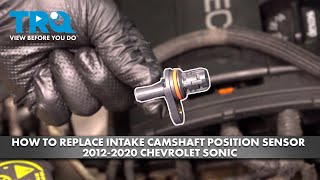
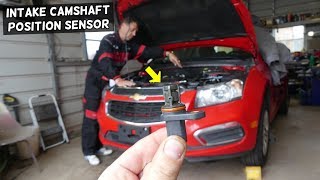
Typical fix: Replace the intake camshaft position sensor. It is located on the driver's side of the valve cover, held in by a single E10 Torx bolt. It's recommended to apply a small amount of clean engine oil to the new sensor's O-ring before installation.
Est. part cost: $25-$70 - Wiring Harness or Connector Issue 🟡 Medium Probability The wiring harness leading to the sensor can become brittle from engine heat, or the connector pins can corrode, leading to an intermittent signal. The plastic connector and its locking tab can also become fragile and break during removal.
How to confirm: Visually inspect the wiring for cracks, fraying, or signs of melting. Unplug the connector and check for corrosion, oil contamination, or bent pins. Use a multimeter to check for the correct voltage (typically 5V reference), ground, and a clean signal at the sensor connector.
Typical fix: Repair the damaged section of wire or clean the connector terminals. If the connector itself is damaged, it may need to be replaced with a pigtail connector.
Est. part cost: $5-$50 - Stretched Timing Belt / Timing Issue ⚪ Low Probability The 1.8L engine uses a timing belt that requires replacement at a scheduled interval of 97,500 miles. If the belt is neglected, it can stretch or jump a tooth, which will throw off the cam/crank correlation and trigger P0341, often along with P0016. This is a known failure point if maintenance is not performed.
How to confirm: This is a more involved diagnosis. If a new sensor and verified wiring do not fix the code, the next step is to inspect the timing belt, tensioner, and alignment marks. This requires removing the upper timing belt cover 🎬 Watch: How to inspect and replace the 1.8L timing belt. for a visual check.
Typical fix: Replace the timing belt, tensioner, and associated pulleys as a complete kit. This is a significant job that should be done as preventative maintenance to avoid catastrophic engine failure.
Est. part cost: $100-$250
Rare But Worth Checking
- Magnetized Cylinder Head Components: TSB #PIP5329C notes a rare scenario where, after a front-end collision, improper welding procedures can magnetize metal components in the cylinder head, interfering with the sensor's reading. If the code persists after replacing the sensor and the vehicle has a history of collision repair, this could be the cause. This requires extensive, professional repair, often involving cylinder head replacement.
- Low or Dirty Engine Oil: While less likely to be the primary cause for P0341 alone, low or dirty engine oil can affect the performance of the VVT (Variable Valve Timing) system, which can sometimes contribute to camshaft timing-related codes. Some mechanics recommend performing an oil change before replacing sensors as a good practice.
Diagnosis Steps
- Scan the vehicle's computer to confirm P0341 is the primary code. Note any other codes present, especially P0366 or P0016.
- Follow the recommendation of TSB #PIP5329C: Replace the intake camshaft position sensor ('A' sensor). It is located on the valve cover, is easily accessible with an E10 socket, and is the most probable cause.
- Clear the code and test drive the vehicle. If the code does not return, the repair is complete.
- If the code returns, perform a thorough visual inspection of the sensor's wiring harness and connector. Look for any signs of damage, corrosion, or loose connections.
- If the wiring appears intact, use a multimeter to test for correct voltage (typically 5V reference), ground, and signal at the sensor connector.
- Check engine oil level and condition. If low or very dirty, perform an oil and filter change.
- If the sensor and wiring are confirmed to be good, the next step is to investigate a potential mechanical timing issue. Inspect the condition and tension of the timing belt (service interval is 97,500 miles) and verify the timing marks are correctly aligned.
- As a final, rare check (if the vehicle has a history of collision repair), consider the possibility of magnetized cylinder head components as described in TSB #PIP5329C.
Parts You'll Likely Need
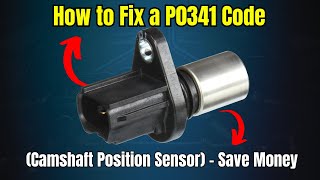
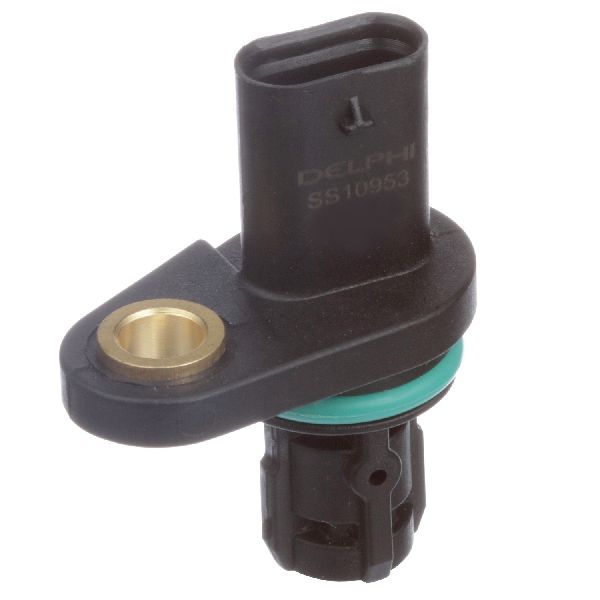
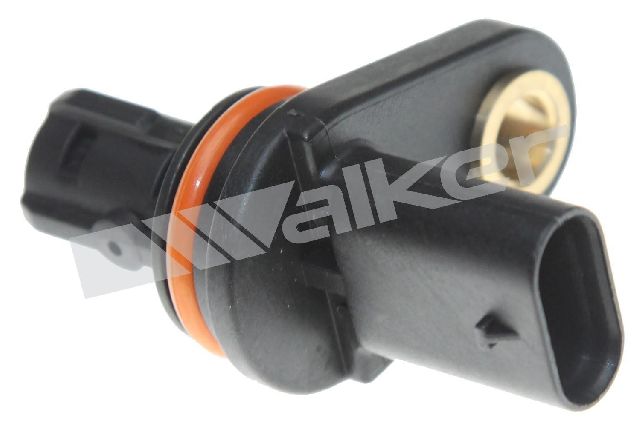
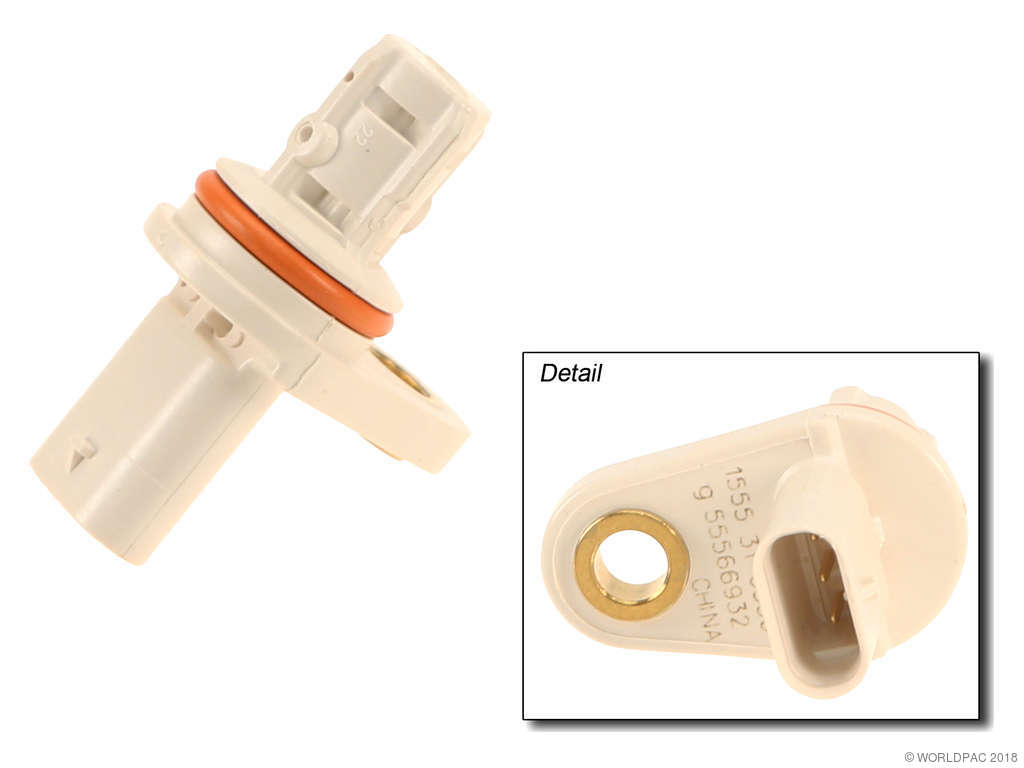
- Intake Camshaft Position Sensor
(OEM #55565709)— This is the most common point of failure for code P0341 on this vehicle, as identified by GM's own service bulletin. Note: The exhaust sensor is part number 55565708; they are often sold as a pair.
Trusted brands: ACDelco (OEM), Delphi, Bosch, Standard Motor Products (SMP), TRQ
OEM price range: $50-$70
Aftermarket price range: $25-$50
Related Codes That Often Appear With This One
- P0366 — This code is for the exhaust camshaft position sensor ('B' sensor). TSB #PIP5329C mentions that P0341 and P0366 can appear together, indicating a potential issue with both sensors or a shared underlying problem like a wiring fault. It is common practice to replace both sensors at the same time.
- P0340 — P0340 indicates a complete malfunction of the camshaft position sensor circuit, whereas P0341 indicates a performance/range issue. An intermittent fault (P0341) can degrade into a complete failure (P0340).
- P0016 — This code indicates a Crankshaft/Camshaft Correlation error. If the timing belt has stretched or jumped, it's common to see P0016 along with P0341, as both codes relate to the mechanical misalignment between the two shafts.
Technical Service Bulletins (TSBs) & Recalls
- PIP5329C: 'DTC P0341 And/Or P0366 Set' - Recommends replacing the camshaft position sensor as the primary fix and investigates magnetized head components as a rare secondary cause. This TSB applies to the Sonic, Cruze, and other GM models with the 1.8L engine.
- 16186: 'Catalytic Converter Internal Damage' - While not directly for P0341, this recall involves an ECM reprogram on 2013-2014 Sonics with the 1.8L LWE engine to prevent high exhaust temperatures. It's a relevant vehicle health item to be aware of, as unresolved engine issues can sometimes lead to catalytic converter problems.
Platform-Specific Known Issues
- GM Technical Service Bulletin #PIP5329C directly addresses DTC P0341 on the 2012-2017 Sonic 1.8L. It instructs technicians that if this code is present, the primary corrective action should be to replace the related camshaft position sensor. It also provides a secondary, rare diagnostic path involving magnetized cylinder head components if the vehicle has a history of front-end collision and improper welding repair.
- The 1.8L LWE engine has a timing belt with a service interval of 97,500 miles. Failure to replace the belt can lead to it stretching or skipping, causing timing correlation codes like P0341 and P0016.
Mechanic-Grade Diagnostic Values
- Camshaft Position Sensor Power Supply Voltage — expected: 5 Volts DC. Failure: A reading significantly lower or higher than 5V indicates a problem with the ECM or wiring.
- Camshaft Position Sensor Ground Circuit — expected: Near 0 Volts DC. Failure: Voltage present on the ground wire indicates a bad ground connection.
- Camshaft Position Sensor Signal Wire (while cranking) — expected: An ON/OFF digital square wave signal, typically switching between 0V and 5V.. Failure: An absent, erratic, or inconsistent signal waveform when viewed on an oscilloscope points to a faulty sensor or reluctor wheel issue.
Scan Tool Commands That Help
- GDS2 (Global Diagnostic System 2): Camshaft Position Sensor Signal Present — This parameter in the GM dealer-level scan tool's live data list should show a consistent 'Yes'. If it flickers to 'No' while the engine is running or cranking, it confirms an intermittent signal dropout from the sensor, directly corresponding to a P0341 fault.
- Professional Scan Tool: Crankshaft Position Relearn — While not always required for a simple camshaft sensor replacement, a crank relearn procedure may be necessary if other timing components (like the timing belt or crankshaft sensor) are replaced, or if the ECM is reprogrammed. Some vehicles may require this to clear related codes after a repair.
Wiring & Ground Locations

- G103 — Left front corner of the engine compartment.. This is a primary engine compartment ground. A loose or corroded G103 can cause various electrical issues for engine sensors and the ECM.
- G104 — Lower right rear of the 1.8L engine.. This ground is located directly on the engine block and is critical for components mounted on the engine, including the Crankshaft Position Sensor, which works in tandem with the Camshaft sensor.
- G105 — Left front of the engine compartment, near the underhood fuse block.. This ground serves the Engine Control Module (ECM). A poor connection here can directly impact the ECM's ability to correctly interpret sensor signals, potentially causing false codes.
- Camshaft Position Sensor Connector — On top of the valve cover, plugging into the sensor.. This 3-pin connector provides power, ground, and signal transmission. For the 1.8L engine, the typical pinout is Pin 1: 5V Power Supply (Gray wire), Pin 2: Signal (Green wire), Pin 3: Ground (Brown wire).
Real Owner Repair Stories
- Cruzetalk.com user (2014 Chevy Cruze 1.8L (platform mate)) — Check Engine Light with codes P0341 and P0366.
❌ Tried (didn't work) Initially, the user only replaced the intake camshaft position sensor (for P0341).
✅ What actually fixed it The user ultimately had to replace both the intake and exhaust camshaft position sensors, as well as the timing belt and water pump, to finally resolve both codes. This indicates the timing was likely off, and the sensors may have been a contributing factor or were replaced as part of the comprehensive timing job.
OEM Part Supersession History
55565709→25195556— Standard part lifecycle update by GM.
Heads up: The new part number (25195556) is a direct replacement for the original (55565709) and is functionally identical. Aftermarket interchange part numbers include PC903, S10382, and 213-4521.
Model Year Variations Within This Range
- 2012-2017: For the 1.8L engine, there were no significant changes to the engine block, cylinder head, or camshaft position sensor design that would affect the diagnosis or repair of a P0341 code within this generation. The 1.8L LUW engine was consistent across these model years before being phased out.
Helpful Videos


We Have This Part in Stock


The information in this article is provided for general reference and educational purposes only. Vehicle specifications, procedures, and part compatibility can vary by production date, trim level, and region. Always consult your vehicle's factory service manual and verify part numbers before purchasing or performing repairs. Safety-critical components such as airbags, seat belts, and braking systems should be installed by a qualified professional.
- Chevrolet SONIC:
- 🎬 Helpful Videos
- 🛍️ Shop This Part
- What's Unique About the 2012-2017 Chevrolet SONIC
- Diagnostic Flowchart
- Symptoms You May Notice
- Most Likely Causes
- Rare But Worth Checking
- Diagnosis Steps
- Parts You'll Likely Need
- Related Codes That Often Appear With This One
- Technical Service Bulletins (TSBs) & Recalls
- Platform-Specific Known Issues
- Mechanic-Grade Diagnostic Values
- Scan Tool Commands That Help
- Wiring & Ground Locations
- Real Owner Repair Stories
- OEM Part Supersession History
- Model Year Variations Within This Range
- 🎟️ Get 5% Off