

P0340 on 2007-2010 Toyota Sienna: Camshaft Sensor Circuit Fixes
P0340 on a 2007-2010 Sienna indicates a fault in the Camshaft Position Sensor 'A' (Bank 1) circuit. Bank 1 is the cylinder head against the firewall. The most common fix is replacing the faulty sensor itself, often called a VVT sensor. An aftermarket sensor costs around $25-$60, while an OEM Denso part is significantly more but highly recommended for reliability, especially for the hard-to-reach rear bank sensors. Before replacing parts, always check the battery, as low voltage is a known cause
- Always check your battery first when you see a P0340 on a 2007-2010 Sienna; a weak battery is a known cause.
- The most likely faulty part is the Bank 1 (rear, by firewall) intake camshaft position sensor.
- Replacing the Bank 1 sensor is a difficult DIY task that requires removing the intake manifold; using a high-quality Denso OEM part is crucial to avoid doing the job twice.
- A sensor swap with the easily accessible Bank 2 sensor is the best way to confirm a faulty sensor before starting the difficult replacement job.
What's Unique About the 2007-2010 Toyota SIENNA

On the Toyota Sienna with the 3.5L 2GR-FE engine, the camshaft position sensors are often referred to as 'VVT sensors'. A notable issue, documented in a Toyota Technical Service Bulletin (TSB), is that low battery voltage can trigger a P0340 code, even if the sensor and its circuit are perfectly fine. This can happen due to inconsistent engine cranking speed, which the computer misinterprets as a sensor fault. 🎬 Watch this breakdown of the Sienna P0340 battery voltage issue. Additionally, the Bank 1 (rear) sensors are notoriously difficult to access, requiring removal of the upper intake manifold and cowl assembly, making the use of high-quality OEM parts 🎬 See how to access the rear sensors and spark plugs. critical to avoid repeat labor.
Diagnostic Flowchart
Tap your situation to follow the diagnostic path that matches what you're seeing on this vehicle.
Symptoms You May Notice
- Check Engine Light is on
- Engine is hard to start or will not start at all
- Extended engine cranking before starting
- Engine stalls or idles roughly, sometimes shutting off randomly while driving
- Noticeable loss of engine power and poor acceleration
- Engine misfiring
- Replacing the crankshaft position sensor when the code is for the camshaft sensor.
- Replacing the camshaft position sensor without first checking for simple issues 🎬 Watch this quick guide on common P0340 causes and fixes. like a weak battery or loose connector.
- Replacing the wrong camshaft position sensor. The 2GR-FE has four sensors (intake and exhaust for each bank). P0340 specifically refers to the Bank 1 intake sensor.
Most Likely Causes

- Failed Camshaft Position Sensor 'A' (Bank 1) 🔴 High Probability These sensors are electronic components that operate in a high-heat environment and can fail over time. Intermittent failures are common, where the sensor works correctly when cold but fails as the engine warms up, or vice-versa. Sometimes they can test within the correct resistance range but still be faulty.
How to confirm: Test the sensor's resistance with a multimeter; it should be within a specific range (e.g., 835-1400 ohms when cold). A more definitive test is to swap the Bank 1 and Bank 2 intake camshaft sensors (if they are identical part numbers). Clear the codes and drive. If the code changes to P0345 (for Bank 2), the sensor you moved is confirmed to be faulty. An oscilloscope can also be used to verify the sensor is not producing a signal.
Typical fix: Replace the Camshaft Position Sensor for Bank 1 (intake side). It is strongly recommended to use OEM (Denso) parts for better reliability and to avoid repeating the difficult labor required for rear bank access.
Est. part cost: $25 - $227 - Low Battery Voltage 🟡 Medium Probability As per Toyota TSB T-TT-0010-10 Rev, low battery voltage can cause inconsistent engine cranking speed, leading the ECM to incorrectly set a P0340 and/or P0335 code. This should be the first check.
How to confirm: Test the battery's voltage with a multimeter. A healthy, fully charged battery should read approximately 12.6 volts with the engine off. Have the battery load-tested at an auto parts store to confirm its health under load.
Typical fix: Charge or replace the weak or failing battery.
Est. part cost: $150 - $300 - Wiring or Connector Issue ⚪ Low Probability Engine vibration and heat can cause wires to break or insulation to become brittle over time. The connector itself can also become loose or corroded, leading to a poor connection.
How to confirm: Visually inspect the wiring harness and connector for the Bank 1 camshaft sensor. Check for breaks, corrosion, or loose pins. Use a multimeter to check for the correct reference voltage (approx. 5V) and ground at the connector.
Typical fix: Repair the damaged section of wiring or replace the connector pigtail.
Est. part cost: $10 - $30
Rare But Worth Checking
- Dirty or Clogged VVT Oil Filter Screen: The Variable Valve Timing (VVT) system uses engine oil pressure to operate. A tiny, hidden filter screen protects the VVT solenoid (oil control valve). If this screen gets clogged with sludge from infrequent oil changes, it can restrict oil flow, affecting cam phasing and potentially triggering timing-related codes like P0340. Cleaning or replacing this small filter can sometimes resolve the issue.
- Stretched Timing Chain or Failed Tensioner: While the 2GR-FE uses a timing chain designed to last the life of the engine, it can stretch over time, or the tensioner can fail. This causes a discrepancy between the camshaft and crankshaft signals that the ECM flags as a sensor circuit fault. This is a more serious mechanical issue usually accompanied by rattling noises from the engine, especially on startup.
- Faulty Engine Control Module (ECM): This is the least likely cause. The ECM should only be considered after all other possibilities, including sensors, wiring, and mechanical timing, have been thoroughly ruled out. A factory service manual procedure may conclude with 'replace ECM' if all other tests pass.
Diagnosis Steps

- Check the battery. Ensure it is fully charged and healthy. A weak battery is a known cause for this code on Toyota vehicles per TSB T-TT-0010-10 Rev.
- Scan for other codes. If other codes are present, address them first as they may be related.
- Identify the correct sensor. P0340 is for Bank 1, which is the cylinder head against the firewall. The sensor is for the intake camshaft.
- Visually inspect the wiring and connector for the Bank 1 camshaft position sensor. Look for any signs of damage, corrosion, or loose connections. Access will be difficult.
- If access is possible and the sensors are the same part number, swap the Bank 1 and Bank 2 intake camshaft sensors. The Bank 2 sensor is easily accessible on the front valve cover. Clear the codes and drive the vehicle. If the code changes to P0345 (Bank 2), the sensor you moved is faulty.
- If the code P0340 returns after the swap, the problem is likely in the wiring to the Bank 1 sensor, the timing components, or the ECM.
- Using a multimeter, check for correct voltage (approx. 5V) and ground at the sensor connector according to the factory service manual.
- If wiring and sensors are confirmed to be good, the issue may be mechanical (e.g., stretched timing chain, damaged reluctor wheel on the camshaft) or a fault in the ECM, which may require professional diagnosis.
Parts You'll Likely Need

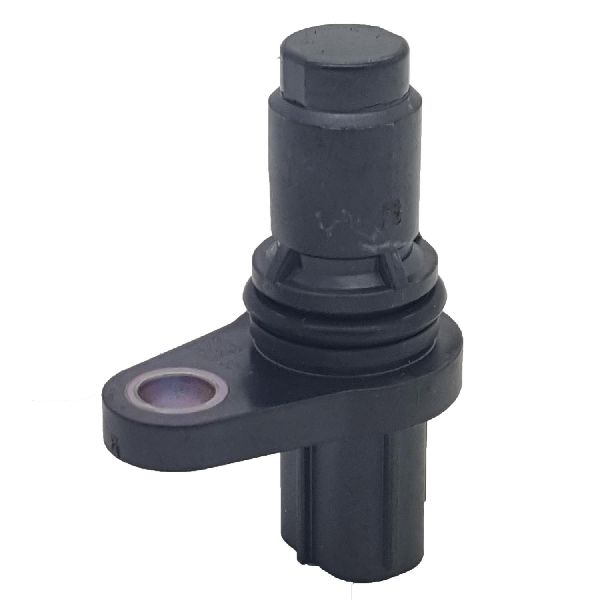
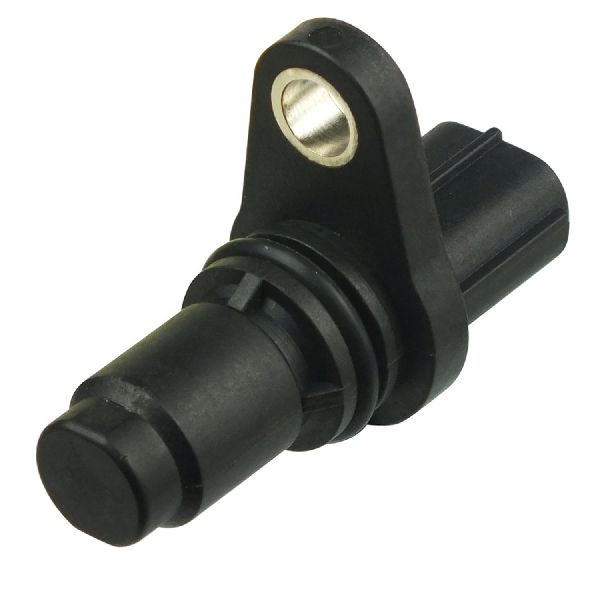
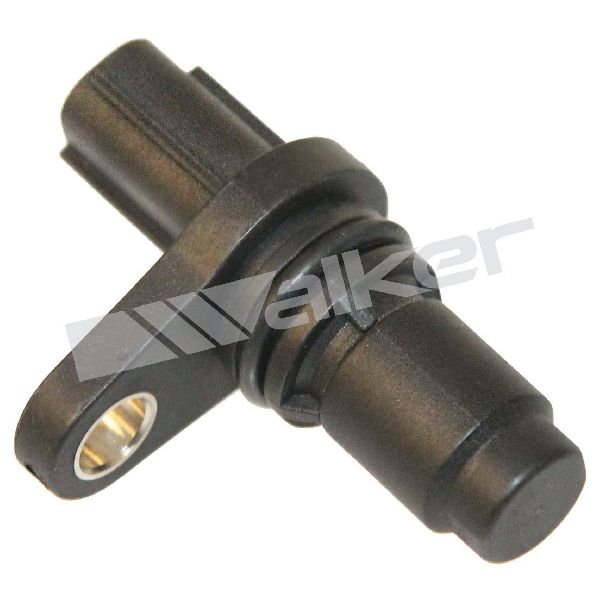
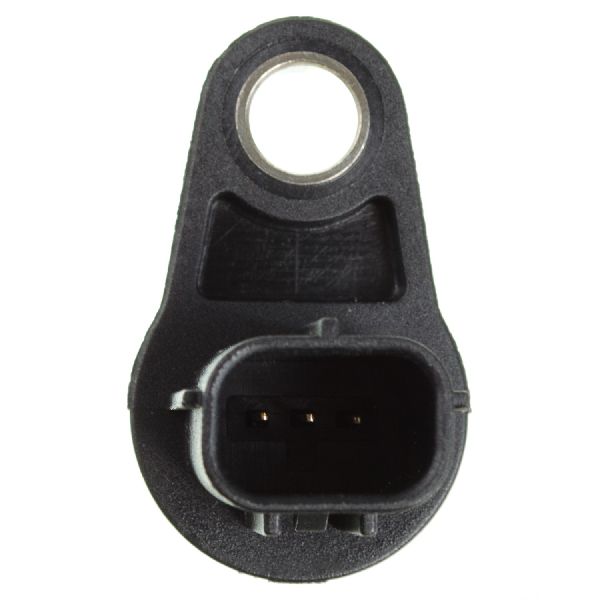
- Camshaft Position Sensor (Bank 1)
(OEM #90919-05061)— This is the most frequent cause of a P0340 code. The sensor itself fails electronically or intermittently. Given the difficult access for Bank 1, using the OEM Denso part is highly recommended.
Trusted brands: Denso (OEM), Aisin, Standard Motor Products
OEM price range: $140-$227
Aftermarket price range: $25-$60
Related Codes That Often Appear With This One
- P0335 — This is the code for the Crankshaft Position Sensor. As noted in TSB T-TT-0010-10 Rev, low battery voltage can cause both P0340 and P0335 to appear simultaneously.
- P0345 — This code is for the Camshaft Position Sensor 'A' on Bank 2. If you swap the Bank 1 and Bank 2 sensors for diagnosis, you would expect to see this code appear if the sensor is faulty. Seeing both P0340 and P0345 together could point to a common issue affecting both banks, like a wiring problem or a timing chain issue.
Technical Service Bulletins (TSBs) & Recalls
- T-TT-0010-10 Rev: Notes that low battery voltage can contribute to a MIL 'ON' condition for P0340 and/or P0335.
- T-SB-0094-09: Addresses a ticking or rattle noise from the 2GR-FE engine, which can be related to the VVT gear assemblies, a system monitored by the camshaft position sensors.
Platform-Specific Known Issues
- A Technical Service Bulletin (T-TT-0010-10 Rev) was issued by Toyota stating that low battery voltage can cause a P0340 code due to inconsistent engine rotational speed during startup.
- Access to the Bank 1 (rear) camshaft sensors is extremely difficult, requiring removal of the windshield cowl and upper intake manifold. Due to the high labor involved, it is often recommended to replace both the intake and exhaust sensors on Bank 1 at the same time as a preventative measure.
- The 2GR-FE engine can be prone to a brief engine rattle on cold startups, which can be related to the VVT system. While not always directly causing a P0340, it indicates potential issues in the same system. TSBs exist for this issue (e.g., T-SB-0094-09) which can involve replacing VVT gear assemblies.
Mechanic-Grade Diagnostic Values
- Camshaft Position Sensor Resistance — expected: 835 to 1,400 Ω when cold; 1,060 to 1,645 Ω when hot.. Failure: Readings outside of these ranges indicate a faulty sensor. However, a sensor can still be bad even if it reads within spec due to intermittent failure.
- Camshaft Timing Oil Control Valve (VVT Solenoid) Resistance — expected: 6.9 to 7.9 kΩ at 20°C (68°F).. Failure: Resistance outside this range suggests a faulty solenoid, which can affect cam timing and potentially trigger related codes.
- Sensor Connector Voltage (Key On, Engine Off) — expected: Approximately 5.0 volts between the power supply pin (e.g., gray wire) and a known good ground.. Failure: No voltage or low voltage points to a wiring issue between the ECM and the sensor, or a faulty ECM.
- Camshaft Position Sensor Installation Torque — expected: 10 N*m (102 kgf*cm, 7 ft.*lbf).. Failure: Improper torque could lead to incorrect air gap or sensor damage.
Hidden / Shadow Codes Worth Checking
- Freeze Frame Data: While not a hidden code, Toyota's Techstream software can read and store Freeze Frame Data the moment a DTC like P0340 is set. This data captures critical engine parameters (running/stopped, engine temp, air-fuel ratio, etc.) which can be invaluable for diagnosing intermittent faults. (see via Toyota Techstream software or a high-end professional scan tool.)
Scan Tool Commands That Help
- Techstream: Read Pending Codes — After clearing DTCs, this function can be used to see if a fault is detected again during a single drive cycle before the main MIL is illuminated, helping to confirm if a repair was successful.
- Techstream: Active Test: Control the VVT System — A technician can command the VVT oil control valves (solenoids) to operate. While observing live data for camshaft angle, this test can help determine if the mechanical part of the VVT system is responding correctly, helping to isolate a sensor/wiring fault from a mechanical fault like a stuck phaser or bad solenoid.
Wiring & Ground Locations

- Engine Harness Grounds (e.g., EA, EB) — The 2GR-FE has several key ground points for the engine harness. One is on the side of the front cylinder head, underneath the throttle body area. Another important ground strap runs from the top of the transmission to the chassis.. A poor or corroded engine ground can cause a variety of spurious sensor codes, including P0340, due to incorrect voltage references. Ensuring these grounds are clean and tight is a critical diagnostic step.
- Bank 1 Exhaust VVT Sensor Connector (for reference) — On the rear bank (Bank 1), the exhaust VVT sensor connector wires are: Pin 1 - Black/White, Pin 2 - Blue/White, Pin 3 - Yellow.. While P0340 is for the intake sensor, the connectors are often damaged during other repairs like spark plug changes. Knowing the wire colors is crucial for repairing a damaged pigtail on the same bank.
- ECM Connector E9 — Located at the Engine Control Module.. Diagnostic procedures require checking for continuity between the sensor connector (C18 for Bank 1) and the ECM connector (E9) to rule out an open or short in the harness.
Real Owner Repair Stories
- YouTube video on a 2004-2006 Sienna (similar 3MZ-FE engine but identical diagnostic principle) (2004-2006 Toyota Sienna) — Engine randomly shutting off while driving.
❌ Tried (didn't work) The original sensor tested within the specified resistance range of 835-1400 ohms, making it seem like it was good.
✅ What actually fixed it Replacing the camshaft position sensor with a known-good used one resolved the issue. The check engine light turned off on its own after a few minutes of driving. This confirms that the sensor can fail intermittently even when its cold resistance tests as 'good'. - South Main Auto Repair YouTube Channel (2007 Toyota Sienna 3.3L (Note: Video shows 3.3L but diagnostic process is identical for 3.5L)) — Extended crank, no-start condition, P0340 code present.
❌ Tried (didn't work) Customer had already replaced the camshaft position sensor with an aftermarket part from eBay with no success.
✅ What actually fixed it Using an oscilloscope, the technician confirmed 5V reference and good ground at the sensor, but no signal was being produced. Swapping the known-good front sensor to the rear bank (and the suspect sensor to the front) caused the fault to move, confirming the aftermarket sensor was bad out of the box. The final fix was installing a quality replacement sensor.
OEM Part Supersession History
90919-05061→Current— This part number appears to be the current and long-standing number for this application.
Heads up: Various official Toyota parts sites list this part number for a wide range of years, including the 2007-2010 Sienna, but also list it as a 'Crank Position Sensor' in some catalogs, which can cause confusion. Always verify by the part's description as 'Camshaft Position Sensor'.
Model Year Variations Within This Range
- 2009-2010: Some owner forums and technical sources mention that the 2009 and 2010 models received an updated, all-metal VVT oil line to replace an earlier rubber-and-metal design that was prone to leaking or bursting. While not a direct cause of P0340, a major oil leak from this line could lead to low oil pressure, affecting VVT operation and potentially triggering timing-related codes.
- 2007-2010: Some Sienna models in this range were produced with an external engine oil cooler, while others were not. This is an important distinction when sourcing a replacement JDM engine, but does not directly affect the P0340 diagnosis.
Helpful Videos

We Have This Part in Stock


The information in this article is provided for general reference and educational purposes only. Vehicle specifications, procedures, and part compatibility can vary by production date, trim level, and region. Always consult your vehicle's factory service manual and verify part numbers before purchasing or performing repairs. Safety-critical components such as airbags, seat belts, and braking systems should be installed by a qualified professional.
- Toyota SIENNA:
- 🎬 Helpful Videos
- 🛍️ Shop This Part
- What's Unique About the 2007-2010 Toyota SIENNA
- Diagnostic Flowchart
- Symptoms You May Notice
- Most Likely Causes
- Rare But Worth Checking
- Diagnosis Steps
- Parts You'll Likely Need
- Related Codes That Often Appear With This One
- Technical Service Bulletins (TSBs) & Recalls
- Platform-Specific Known Issues
- Mechanic-Grade Diagnostic Values
- Hidden / Shadow Codes Worth Checking
- Scan Tool Commands That Help
- Wiring & Ground Locations
- Real Owner Repair Stories
- OEM Part Supersession History
- Model Year Variations Within This Range
- 🎟️ Get 5% Off