

P0340 on 2008-2015 Toyota Sequoia: Camshaft Sensor Causes and Fixes
P0340 on a Toyota Sequoia indicates a fault in the Bank 1 camshaft position sensor circuit. Before replacing the sensor, check your battery; a low charge is a known cause for this code on these trucks, as confirmed by a Toyota TSB. If the battery is healthy, inspect the wiring for damage, then consider the sensor itself as the next most likely culprit.
- P0340 means a fault in the Bank 1 (passenger side) camshaft position sensor circuit.
- **Crucially, check your battery first!** A weak battery is a known cause of P0340 on 2008-2015 Sequoias, per a Toyota TSB.
- If the battery is good, inspect the sensor's wiring for damage before buying parts.
- The most common fix is replacing the camshaft position sensor itself, which is a relatively easy DIY job.
- If you see this code along with P0335 and other sensor codes, suspect a larger electrical issue like a failing starter or rodent damage.
What's Unique About the 2008-2015 Toyota SEQUOIA

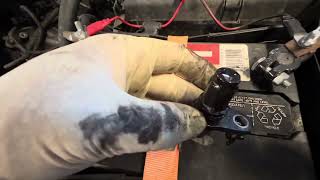
For the second-generation Toyota Sequoia and its platform-mate, the Tundra, a unique and often overlooked cause for P0340 is low battery voltage. A Toyota Technical Service Bulletin (T-TT-0010-10 Rev) explicitly states that slow or inconsistent engine cranking speed can trigger this code, even if the sensor is perfectly fine. The TSB advises checking the freeze-frame data to see if battery voltage was below 11 volts when the code was set. Owners should always test the battery and starting system before spending money on new sensors, 🎬 Watch this guide on common causes and fixes for P0340. as a simple battery charge or replacement could be the fix. This issue is particularly relevant for these large V8 engines, which require significant power to crank over.
Diagnostic Flowchart
Tap your situation to follow the diagnostic path that matches what you're seeing on this vehicle.
Symptoms You May Notice
- Check Engine Light is on
- Engine is difficult to start or has a long crank time
- Engine cranks but does not start
- Engine stalls, especially at idle
- Rough running or misfiring
- Noticeable lack of acceleration and power
- Single loud click from the starter with a no-crank condition
- Replacing the Crankshaft Position Sensor (P0335). While TSB T-TT-0010-10 Rev notes that P0340 and P0335 can appear together due to low voltage, P0340 specifically points to the camshaft sensor circuit. Always diagnose the specific code you have first.
- Replacing the sensor without checking the battery first. Given the specific TSB for this vehicle, a weak battery is a highly likely and cheaper fix to investigate first.
- Assuming a single sensor failure when multiple cam/crank codes (P0335, P0340, P0345, P0390) appear at once. A cluster of these codes strongly points to a systemic issue like a failing starter, bad battery, or widespread rodent damage to the harness.
Most Likely Causes

- Failed Camshaft Position Sensor 🔴 High Probability Sensors are exposed to high heat and vibration at the top of the engine, leading to eventual electronic failure. They are a common replacement item.
How to confirm: After confirming wiring is intact, test the sensor with a multimeter for voltage signal according to the service manual. A simpler method is to swap it with the Bank 2 sensor (driver's side) and see if the code changes to P0345.
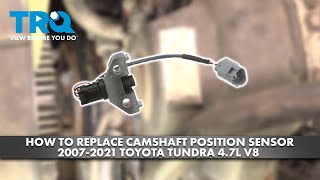
Typical fix: Replace the Bank 1 Camshaft Position Sensor. It is typically held in by a single 10mm bolt. 🎬 See this walkthrough for replacing the sensor on a V8.
Est. part cost: $40-$160 - Low Battery Voltage or Failing Starter 🔴 High Probability A manufacturer TSB (T-TT-0010-10 Rev) specifically calls this out. Inconsistent cranking speed confuses the ECM's reading of the cam and crank signals. Forum users on TundraSolutions have reported a no-crank, single-click condition accompanied by a slew of cam and crank codes (P0335, P0340, P0345, etc.), which was ultimately traced to a bad starter.
How to confirm: Test the battery with a multimeter (should be >12.4V static) and have the charging/starting system load-tested. Check freeze-frame data for voltage below 11V when the DTC was set. If the battery is good but cranking is slow or results in a single click, the starter motor is suspect.
Typical fix: Charge or replace the battery. If the battery is good but cranking is slow, the starter motor may need replacement.
Est. part cost: $150-$300 for a battery, $200-$500 for a starter. - Damaged Wiring or Connector 🟡 Medium Probability Engine heat can make plastic connectors brittle. More commonly, the wiring harness on top of the engine is a prime target for rodents, especially on vehicles that sit for periods. This can cause multiple sensor codes to appear at once. On older 2UZ-FE engines with timing belts, the sensor wire can also rub against the serpentine belt if not routed correctly after service.
How to confirm: Visually inspect the wiring harness and connector for the Bank 1 camshaft sensor. Look for frayed wires, chew marks, corrosion in the connector pins, or signs of rubbing against belts.
Typical fix: Repair the damaged section of wire or replace the connector pigtail.
Est. part cost: $5-$30
Rare But Worth Checking
- Stretched or Skipped Timing Chain/Belt: If the timing chain (on 1UR-FE/3UR-FE) or belt (on 2UZ-FE) has stretched or skipped a tooth, the correlation between the camshaft and crankshaft will be incorrect, which can set this code. This is a more serious mechanical issue, often accompanied by ticking noises and a sudden loss of power.
- Faulty Engine Control Module (ECM): This is very rare, but the ECM can fail internally. This should only be considered after all other possibilities, including wiring and sensors, have been exhaustively ruled out.
- Blown Fuse: The camshaft position sensor circuit is protected by a fuse. If the sensor is not receiving its reference voltage (typically 5V), a blown fuse could be the cause. This is less common than a sensor or wiring failure but is simple to check.
Diagnosis Steps

- Read all stored and pending codes with an OBD-II scanner. Note if other cam/crank codes (P0335, P0345, etc.) are present.
- Check the Battery First: Test the battery's static voltage (>12.4V is healthy). Have the battery and starter load-tested, as a weak starter can cause this code. Review the freeze-frame data for the code; if voltage was below 11V, the battery/charging system is the likely culprit.
- Inspect the Wiring: Locate the Bank 1 (passenger side) camshaft position sensor on the top of the valve cover. Carefully inspect its electrical connector and the surrounding harness for any signs of rodent damage (chewed wires), corrosion, or looseness. Ensure the harness is not rubbing on any belts.
- Swap Sensors (V8 Engines): The intake cam sensors for Bank 1 and Bank 2 are typically the same part. Swap the passenger side (Bank 1) and driver side (Bank 2) sensors. Clear the codes and drive the vehicle. If the code returns as P0345 (for Bank 2), you have confirmed the sensor itself is faulty.
- Test the Sensor Circuit: If you have a multimeter, unplug the sensor and turn the key to 'ON'. You should have a 5V reference voltage on one wire and a good ground on another. A lack of voltage could indicate a blown fuse or a break in the wire.
- Replace the Sensor: If the sensor is confirmed bad, replace it. It is held in by a single 10mm bolt and is easily accessible on top of the engine.
- If the problem persists, especially if multiple codes were present from the start, re-evaluate the starter motor. If only P0340 persists, investigate more complex issues like timing chain/belt problems or a fault in the ECM.
Parts You'll Likely Need
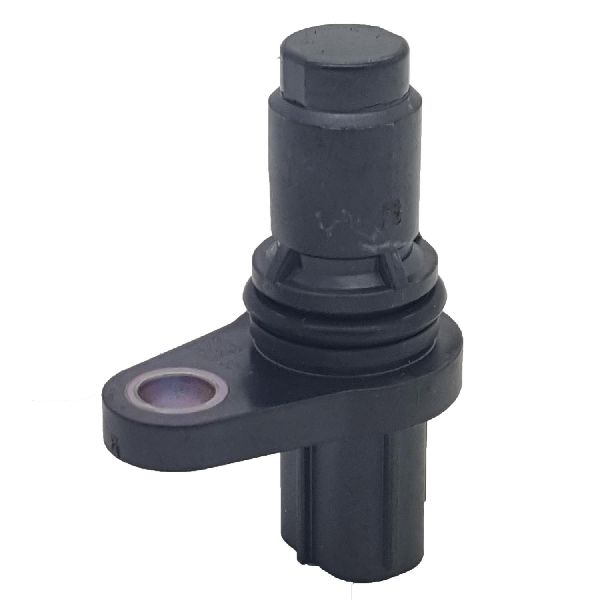
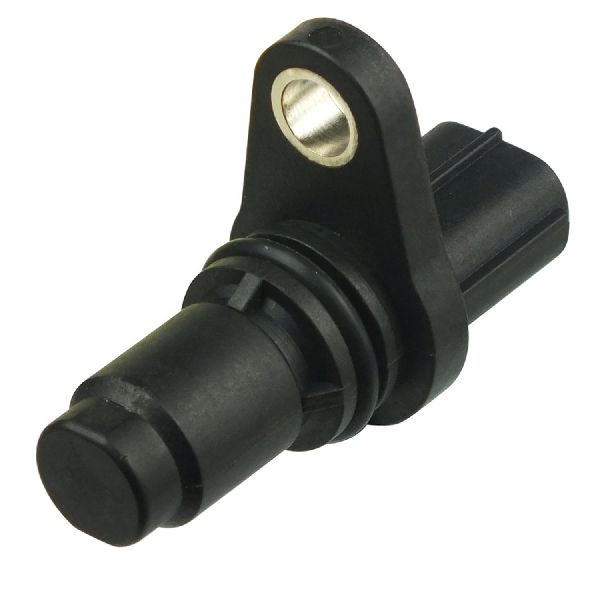
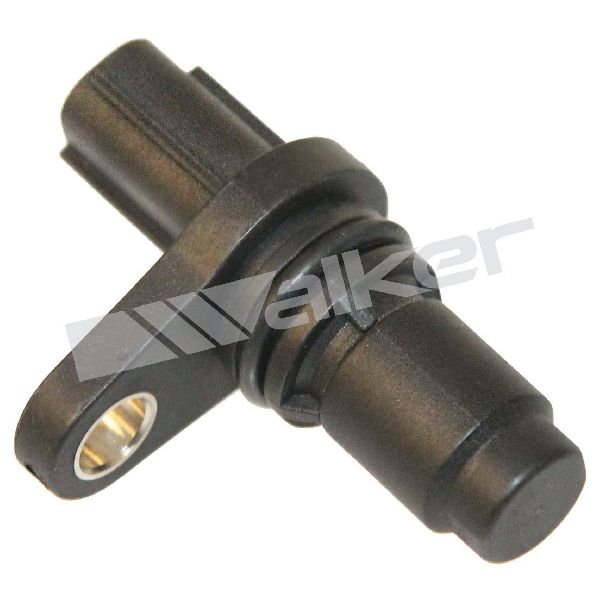
- Camshaft Position Sensor
(OEM #90919-A5002, 90919-05060)— This is the most common part to fail and cause a P0340 code, after ruling out battery and wiring issues. Note: 90919-A5002 is listed for some V8s, while 90919-05060 is also widely cited for Toyota V8s. Always verify with VIN.
Trusted brands: Denso (OEM Manufacturer), Standard Motor Products (SMP), Dorman, ECCPP
OEM price range: $120-$185
Aftermarket price range: $40-$90 - Battery — A weak or failing battery is a documented cause of P0340 on this specific vehicle platform per a manufacturer TSB.
Trusted brands: Interstate, DieHard, Duralast
OEM price range: $200-$350
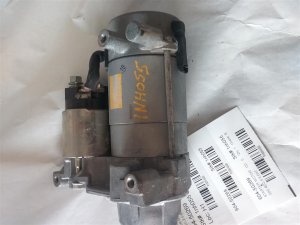
Aftermarket price range: $150-$250 - Starter Motor — A failing starter that draws excessive voltage or creates electrical noise during cranking can trigger P0340 and other related codes. This is a known issue on Tundra/Sequoia forums.
Trusted brands: Denso (OEM Manufacturer), TYC, Bosch
OEM price range: $300-$500
Aftermarket price range: $150-$300
Related Codes That Often Appear With This One
- P0335 — Crankshaft Position Sensor Circuit Malfunction. According to TSB T-TT-0010-10 Rev, both codes can be triggered by low battery voltage and inconsistent cranking speed. They often appear together when a starter is failing.
- P0345 — Camshaft Position Sensor 'A' Circuit Malfunction (Bank 2). If both banks fail simultaneously, it strongly suggests a common cause like a wiring harness problem (rodent damage), a failing starter, or the low voltage issue described in the TSB. It is highly unlikely both sensors would fail at the exact same time.
Technical Service Bulletins (TSBs) & Recalls
- T-TT-0010-10 Rev
Platform-Specific Known Issues
- A Technical Service Bulletin (T-TT-0010-10 Rev) was issued stating that low battery voltage can cause a P0340 and/or P0335 code due to inconsistent engine rotational speed during cranking. The TSB recommends checking freeze frame data for voltage below 11V.
- Multiple forum threads on TundraSolutions.com confirm that a failing starter motor is a common cause for a cluster of codes including P0340, P0335, P0345, P0365, and P0390, often presenting as a 'no-crank, single click' symptom.
Mechanic-Grade Diagnostic Values
- Sensor Connector Voltage Reference — expected: ~5V. Failure: No voltage or significantly lower voltage suggests a wiring issue, blown fuse, or ECM fault.
- Sensor Signal Waveform (using oscilloscope) — expected: A clean square wave that changes frequency with engine RPM.. Failure: A missing, erratic, or distorted waveform indicates a faulty sensor or a problem with the reluctor wheel on the camshaft.
- Sensor Installation Bolt Torque — expected: 10 Nm (7 ft-lbf). Failure: N/A - This is an installation specification to prevent damage.
Scan Tool Commands That Help
- Toyota Techstream: Live Data List (Health Check) — Use this to monitor the camshaft and crankshaft position sensor signals in real-time while cranking or running the engine. This can help verify if the ECM is receiving a signal at all, and to check for correlation between cam and crank signals, which is crucial for diagnosing timing issues.
- Toyota Techstream: Active Test — While there may not be a direct command for the position sensor itself, Techstream's Active Test menu allows for control of related components like VVT solenoids. Activating these can help determine if the broader VVT system is responding, indirectly helping to isolate the problem to the sensor circuit.
Wiring & Ground Locations

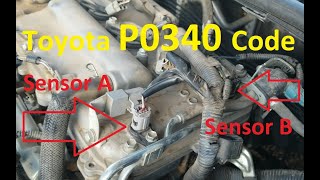
- Bank 1 Camshaft Position Sensor — On 1UR-FE and 3UR-FE engines, it is typically on the top front of the Bank 1 (passenger side) valve cover. On the older 4.7L 2UZ-FE, it is located behind the timing belt cover on the driver's side.. This is the primary sensor for the P0340 code. Its location varies significantly by engine, affecting accessibility and labor time.
- Engine Ground EB/EC (2UZ-FE) — On the 2001 Sequoia (2UZ-FE), ground points are located on the rear of the right and left cylinder heads.. A poor engine ground can cause erratic signals from various sensors, including the camshaft position sensor. Verifying these grounds are clean and tight is a key step in diagnosing electrical faults.
- Engine Ground A1/A3 (3UR-FE) — On a 2014 Sequoia, major ground points are located behind the left headlight assembly (A1) and on the right side of the engine compartment (A3).. These chassis grounds are critical for the entire engine management system. A loose or corroded ground here can cause widespread, difficult-to-diagnose electrical issues, including sensor circuit codes like P0340.
Real Owner Repair Stories
- Tundra forum user (2008 Toyota Sequoia 5.7L) — No-crank, no-start condition with a single loud click from the starter. A cluster of 9 trouble codes were present: P0335 (Crank), P0340 (Cam Bank 1), P0345 (Cam Bank 2), P0365 (Cam B Bank 1), and P0390 (Cam B Bank 2).
❌ Tried (didn't work) Fully charging the battery had no effect.
✅ What actually fixed it The user suspected a failing starter motor was the root cause of the electrical chaos and the cluster of sensor codes, which aligns with the known TSB and other owner experiences. The final repair was not posted, but the diagnosis points strongly to the starter.
"I Checked Everything" — The Actual Cause
- While not a smoke test issue, a common pattern for P0340 on this platform is for the sensor and wiring to test perfectly fine, only for the root cause to be a weak battery or a failing starter motor. The starter can create significant electrical noise or a large voltage drop during cranking, which corrupts the signals from the cam and crank sensors and causes the ECM to log fault codes, as described in TSB T-TT-0010-10 Rev and confirmed by owner experiences.
When the Usual Fixes Don't Work
- In a case involving a 2008 Sequoia, the owner experienced a no-crank condition with a loud click and a full array of camshaft and crankshaft position sensor codes (P0335, P0340, P0345, etc.). While one might assume multiple simultaneous sensor failures or a major wiring issue, the evidence strongly pointed to a single component: a failing starter motor creating a massive voltage drop and electrical interference, which aligns with the manufacturer's TSB. This serves as a counter-example to diagnosing each code individually, suggesting instead a systemic electrical problem as the root cause.
OEM Part Supersession History
90919-05036→90919-A5002— Part update/revision by the manufacturer.
Heads up: 90919-A5002 is listed for many 2004-2015 Toyota V8 applications, but is sometimes also listed as a crankshaft sensor. Always verify fitment with VIN.90919-05060→90919-T5005— Part update/revision by the manufacturer.
Heads up: Part 90919-05060 is a widely used sensor for both cam and crank positions across many Toyota models. Compatibility must be confirmed via VIN as there can be subtle differences.
Model Year Variations Within This Range
- 2008-2009: The 4.7L 2UZ-FE engine, which uses a timing belt, was available. On this engine, the camshaft position sensor is located behind the timing belt cover, making replacement a much more labor-intensive job that is typically done during a timing belt service.
- 2010-2015: The 4.7L was replaced by the 4.6L 1UR-FE (2010-2012) and the 5.7L 3UR-FE became the standard/only engine (2013-2015). Both of these 'UR' family engines use a timing chain. The camshaft position sensors are located on the top of the valve covers and are easily accessible, held by a single 10mm bolt.
Helpful Videos
Used OEM Parts in Stock
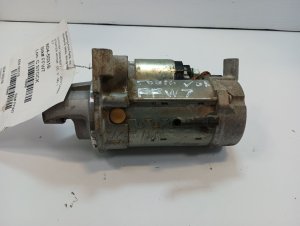
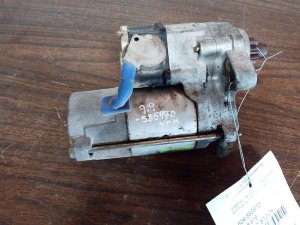
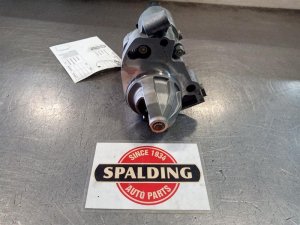
New Aftermarket Parts Available


The information in this article is provided for general reference and educational purposes only. Vehicle specifications, procedures, and part compatibility can vary by production date, trim level, and region. Always consult your vehicle's factory service manual and verify part numbers before purchasing or performing repairs. Safety-critical components such as airbags, seat belts, and braking systems should be installed by a qualified professional.
- Toyota SEQUOIA:
- 🎬 Helpful Videos
- 🛍️ Shop This Part
- What's Unique About the 2008-2015 Toyota SEQUOIA
- Diagnostic Flowchart
- Symptoms You May Notice
- Most Likely Causes
- Rare But Worth Checking
- Diagnosis Steps
- Parts You'll Likely Need
- Related Codes That Often Appear With This One
- Technical Service Bulletins (TSBs) & Recalls
- Platform-Specific Known Issues
- Mechanic-Grade Diagnostic Values
- Scan Tool Commands That Help
- Wiring & Ground Locations
- Real Owner Repair Stories
- "I Checked Everything" — The Actual Cause
- When the Usual Fixes Don't Work
- OEM Part Supersession History
- Model Year Variations Within This Range
- 🎟️ Get 5% Off