

P0340 on 2011-2018 Ram 1500: Camshaft Sensor Causes and Fixes
P0340 on a 4th Gen Ram 1500 typically indicates a faulty camshaft position sensor, a common and relatively inexpensive DIY repair. It can also be caused by wiring issues. A new Mopar sensor costs around $45-$75, and using cheaper aftermarket parts is a common cause of repeat failures. In some cases, especially on the 3.6L V6, this code can be a symptom of a more serious mechanical timing problem.
- P0340 on a 2011-2018 Ram 1500 almost always points to the camshaft position sensor circuit.
- The most likely fix is replacing the camshaft position sensor itself. This is a simple, 10-minute DIY job for most owners.
- Strongly consider using an OEM Mopar sensor, as many owners report that cheaper aftermarket parts do not fix the problem permanently.
- If a new OEM sensor doesn't fix the code, the next step is to inspect the wiring harness and connector for damage.
- This code can cause stalling and no-start conditions, so it should be addressed promptly.
What's Unique About the 2011-2018 Ram 1500

On this generation of Ram 1500, the P0340 code is a frequent complaint. Manufacturer Technical Service Bulletins (TSBs) from the period show that Chrysler was actively investigating these faults, even instructing dealership technicians to call specific engineers before replacing sensors. [TSB #68080819A, TSB #05149141A] This suggests a known issue that could be more complex than a simple sensor failure. Forum discussions among owners reinforce this, with many reporting that only OEM Mopar sensors solve the problem long-term, while aftermarket sensors may cause the code to return almost immediately. Furthermore, another TSB (18-024-17 REV. C) was issued to change the P0340 fault from a one-trip to a two-trip logic, an attempt to make the system less sensitive to minor, intermittent signal dropouts.
Diagnostic Flowchart

Tap your situation to follow the diagnostic path that matches what you're seeing on this vehicle.
Symptoms You May Notice

- Check Engine Light is on
- Engine is hard to start or will not start
- Engine stalls, sometimes at low speeds or when stopping [5, ODI #11669169]
- Rough idle or unstable running
- Reduced engine power and poor acceleration
- Transmission may not shift properly or enters 'limp mode'
- Traction control light may illuminate
- Decreased fuel economy
- Engine may not rev above 2500 RPM as a safety measure
- Replacing the Crankshaft Position Sensor: This is a different sensor with a different function. While a failing crank sensor can cause similar no-start or stalling symptoms, P0340 specifically points to the camshaft sensor circuit.
- Using Aftermarket Sensors: This is the most common misstep. Many owners report that after replacing a faulty sensor with a non-OEM part, the code returned quickly. The issue was only resolved by using a genuine Mopar sensor.
Most Likely Causes

- Faulty Camshaft Position Sensor 🔴 High Probability The sensor is a common failure point. Forum discussions strongly indicate that aftermarket sensors often fail quickly or don't work at all, making OEM Mopar sensors the recommended replacement. Many owners report replacing a sensor with a store brand part, only for the P0340 code to return within days, 🎬 See why using a Mopar sensor is critical for this fix. a problem that was then fixed by installing a genuine Mopar sensor.
How to confirm: Replace the sensor with a Mopar part. Given the low cost, high probability, and known issues with aftermarket parts, this is the most effective first step. Alternatively, test the sensor's output signal with a multimeter; it should switch between 5V and 0V as the engine is cranked.
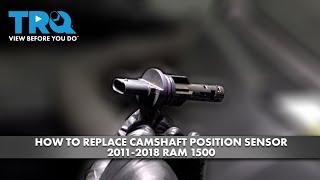
Typical fix: Replace the camshaft position sensor. On the 5.7L HEMI, it is located on the front of the engine, on the passenger side, held by a single 10mm bolt. 🎬 Watch this step-by-step guide to replacing the 5.7L Hemi sensor. On the 3.6L V6, it is on the front of the passenger-side cylinder head (Bank 1, exhaust cam).
Est. part cost: $25 - $75 - Wiring Harness or Connector Damage 🟡 Medium Probability The wiring harness to the sensor is routed in a hot, high-vibration area. Wires can become brittle and break, or the harness can chafe against other components. In one documented case, the wiring was found to have melted from contact with the exhaust manifold.
How to confirm: Visually inspect the wiring harness and connector leading to the camshaft position sensor for any signs of melting, corrosion, chafing, or loose pins. Wiggle the harness while the engine is running to see if it triggers the stall or code. Check for 5V reference voltage and a good ground at the connector with the key on.
Typical fix: Repair the damaged section of wiring or replace the connector pigtail. Ensure the repaired harness is properly secured away from heat sources like the exhaust.
Est. part cost: $15 - $40 - Weak Battery or Faulty Alternator ⚪ Low Probability Low system voltage can cause a variety of erratic electronic issues and false sensor codes on modern, computer-controlled vehicles. A weak battery can cause voltage to drop significantly during cranking, disrupting sensor signals.
How to confirm: Test the battery's voltage with the engine off (should be ~12.6V) and the alternator's output with the engine running (should be ~13.7-14.7V). Many auto parts stores will test your battery and alternator for free.
Typical fix: Replace the battery and/or alternator.
Est. part cost: $150 - $600
Rare But Worth Checking
- Timing Chain or Cam Phaser Issue: If the timing chain is stretched or a cam phaser is faulty, the physical position of the camshaft can be out of sync with what the PCM expects, triggering the sensor code. This is a known issue on the 3.6L Pentastar, where a rattling noise on startup can be a key symptom. One owner on RamForum.com had a dealer replace the cam phaser for $1700, only for the code to return, highlighting the difficulty in diagnosis.
- Low Oil Level or Pressure: The cam phasers that control variable valve timing are hydraulically operated by engine oil pressure. If the oil level is low or the oil is the wrong viscosity, the phasers may not respond correctly, leading to a deviation in cam timing that can trigger P0340 or P0344. Using an incorrect or undersized oil filter can also cause pressure issues.
- Faulty Powertrain Control Module (PCM): This is a rare cause. The PCM itself can fail, but all other possibilities, especially sensor and wiring issues, should be exhaustively ruled out before considering PCM replacement. One owner chronicled a multi-month saga of replacing the sensor (generic and OEM), pigtail, cam phaser, and finally the PCM, with the code returning each time, illustrating that even PCM replacement is not a guaranteed fix for a persistent issue.
Diagnosis Steps

- Read the trouble codes with an OBD-II scanner.
- Visually inspect the camshaft position sensor and its electrical connector/wiring for obvious damage, melting, or corrosion. Pay close attention to harness routing near the exhaust.
- If an aftermarket sensor is installed, replace it with a genuine OEM Mopar part before proceeding. This alone solves the issue in a majority of cases.
- Check engine oil level and condition. Low or dirty oil can affect cam phaser operation and trigger timing-related codes.
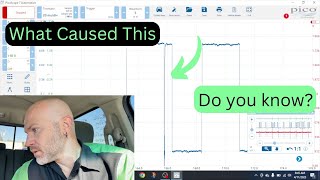
- Check for a 5-volt reference signal 🎬 Watch a mechanic diagnose a tricky cam sensor wiring issue. and a good ground at the sensor connector with the key on.
- If the sensor and wiring appear good, test your battery and charging system to rule out voltage issues.
- If the problem persists, more advanced diagnostics are needed, such as checking the sensor signal with an oscilloscope or investigating mechanical timing (timing chain/phasers), which may require a professional.
- Suspect the PCM only after all other possibilities have been exhaustively eliminated.
Parts You'll Likely Need
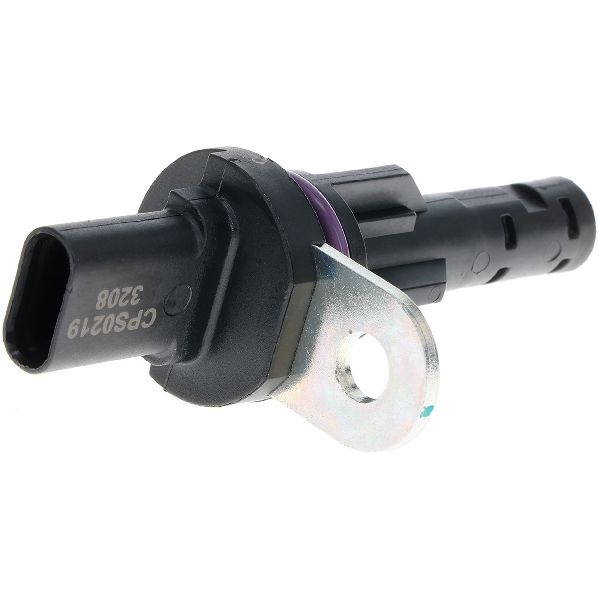
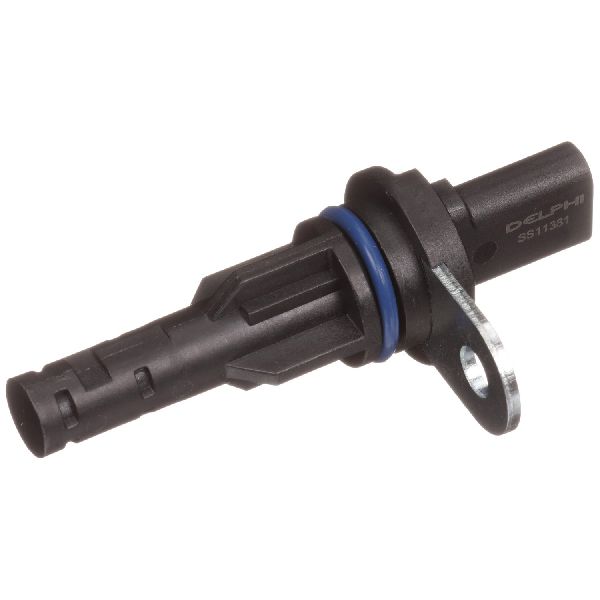
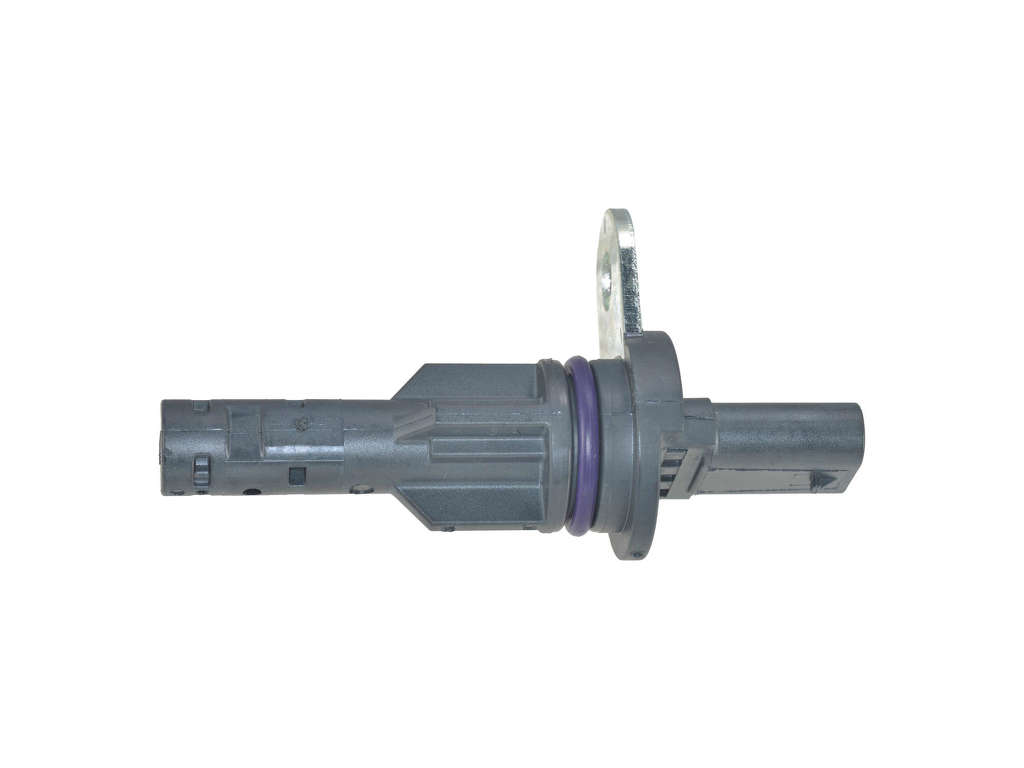
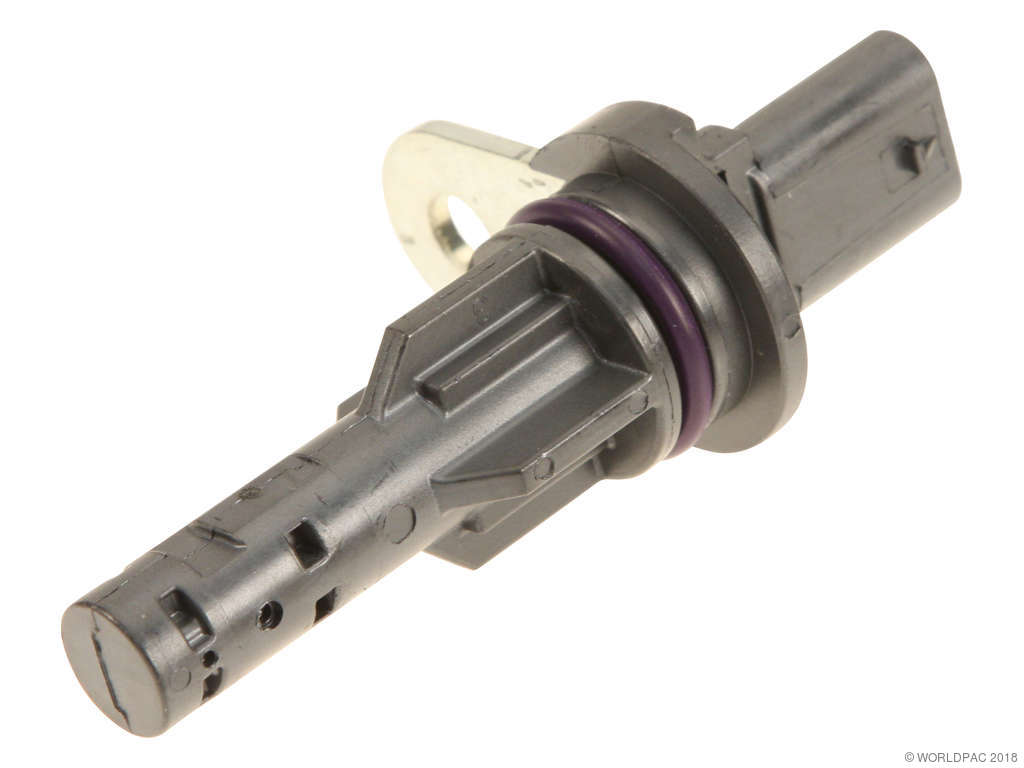
- Camshaft Position Sensor
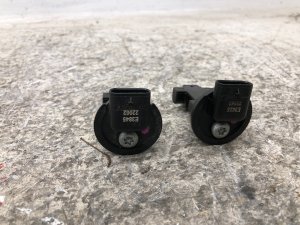
(OEM #5149141AF (or 5149141AE) for 5.7L HEMI; 5149230AA for 3.6L Pentastar)— This is the most common failure component for code P0340. Using an OEM Mopar sensor is highly recommended for a lasting repair, as aftermarket versions are notoriously unreliable in this application.
Trusted brands: Mopar (OEM)
OEM price range: $45-$75
Aftermarket price range: $25-$50
Related Codes That Often Appear With This One
- P0344 — P0344 indicates an intermittent signal from the same sensor circuit ('Camshaft Position Sensor 'A' Circuit Intermittent'). It often appears with P0340 as the problem develops or if there's a loose connection or failing sensor that hasn't failed completely.
- U1424 — This code for 'Implausible Engine Torque Signal' was seen in an NHTSA complaint alongside P0340, suggesting the bad cam sensor data can cause network communication errors related to engine performance calculations. [ODI #11669169]
- C121C — A user on Reddit reported this 'Torque Request Signal Denied' code appearing simultaneously with P0340, indicating the ABS/Traction Control module is not trusting the torque data it's receiving from the PCM due to the faulty cam signal.
Technical Service Bulletins (TSBs) & Recalls
- 68080819A: Camshaft Position Sensor
- 05149141A: Camshaft Position Sensor
- 18-024-17 REV. C: Flash: Powertrain Diagnostic and System Enhancements
Platform-Specific Known Issues
- NHTSA TSB #68080819A & #05149141A: These bulletins specifically mention code P0340 and instruct dealership technicians to contact a specific Chrysler engineer when replacing the camshaft position sensor, indicating a known, complex issue the manufacturer was actively tracking during 2015-2016.
- NHTSA TSB #18-024-17 REV. C: This software update bulletin for 2016-2017 models with the 3.6L and 5.7L engines changes the logic for setting code P0340 (and others) from a one-trip fault to a two-trip fault. This was likely done to prevent the check engine light from illuminating due to brief, non-critical signal interruptions.
- Owner Complaint of Stalling (ODI #11669169): An owner of a 2015 model reported to the NHTSA that their truck experienced stalling at low speeds while logging code P0340, confirming the real-world drivability impact.
- Real-World Rep:
Mechanic-Grade Diagnostic Values
- Camshaft Position Sensor (CMP) Connector Voltage — expected: With the key on and engine off, the two outer pins should both read ~5 volts DC, and the center pin should be ground.. Failure: Voltage below 4.5V or above 5.2V on the supply circuit, or lack of a good ground on the center pin, indicates a wiring or PCM issue.
- CMP Signal Circuit Voltage (Sensor Connected) — expected: When back-probing the signal wire with the engine running, the voltage should rapidly switch between 0V and 5V. This is best viewed on an oscilloscope.. Failure: A signal that is stuck high (at 5V), stuck low (at 0V), or shows glitches/dropouts indicates a faulty sensor or wiring issue.
- CMP Signal Circuit Resistance to Ground — expected: With the sensor and PCM disconnected, the resistance between the signal circuit wire and battery ground should be greater than 100k ohms.. Failure: A low resistance reading indicates a short to ground in the wiring harness.
Scan Tool Commands That Help
- Professional Scan Tool (e.g., Snap-on, Autel, WiTech): Cam/Crank Relearn — This function should be performed after replacing a camshaft, crankshaft, timing components, or the PCM to synchronize the sensors' signals with the engine's mechanical timing. While not always required for just a sensor swap, it can resolve persistent codes if the PCM's learned correlation is off.
Wiring & Ground Locations
- CMP Sensor Connector — On the 5.7L HEMI, it's on the front of the engine block, passenger side, below the alternator. On the 3.6L Pentastar, it's on the front of the passenger-side cylinder head.. This is the primary point of failure for wiring issues, including melted wires from contact with the exhaust, corrosion, or loose pins.
- Shared Sensor Ground — The ground circuit for the camshaft position sensor is shared with several other sensors, including the crankshaft position sensor, throttle body, barometric pressure sensor, and oil pressure switch, all terminating at the PCM.. A fault or short in any one of these sensors or their wiring can affect the ground for the entire circuit, potentially causing a P0340 code even if the cam sensor itself is good. This is a key reason for complex, hard-to-diagnose cases.
- PCM Connector C2 — This is one of the main harness connectors at the Powertrain Control Module (PCM).. Service manual procedures require disconnecting this connector to perform resistance checks on the signal, supply, and ground circuits between the PCM and the sensor, which is necessary to isolate a wiring fault from a PCM fault.
Real Owner Repair Stories
- RamForum.com user 'solongjoe' (2014 Ram 1500 5.7L with 181k miles (on a rebuilt engine)) — P0340 code, truck goes into limp mode.
❌ Tried (didn't work) Replaced cam sensor with a generic part., Replaced cam sensor with an OEM Mopar part., Repaired wiring at the sensor connector., Replaced the pigtail connector., Changed oil and used an OEM filter., Dealer replaced wiring from pigtail back to PCM., Dealer replaced the cam phaser per STAR (Chrysler Tech Support) recommendation., Replaced the PCM with a reconditioned unit.
✅ What actually fixed it The story was unresolved after all listed attempts, highlighting an extreme case where the common and even rare fixes failed to solve the problem, pointing towards a potential deep mechanical issue (like the camshaft itself) or an intermittent wiring problem missed by multiple technicians. - YouTube channel 'Rapid Car Care LLC' (2004 Dodge Ram 2500 5.7L HEMI) — Crank no-start, P0340 (Cam Sensor) and P0129 (Barometric Pressure Sensor) codes present.
❌ Tried (didn't work) The video's premise is to avoid throwing parts like the cam sensor and barometric pressure sensor at the codes.
✅ What actually fixed it The actual cause was a faulty Crankshaft Position Sensor. Even though there was no code for the crank sensor, it had internally shorted, which affected the shared sensor circuit and triggered the P0340 code. Replacing the crank sensor fixed the no-start and cleared the codes.
When the Usual Fixes Don't Work
- In one documented case on a 2004 Ram 1500, a persistent P0340 and crank-no-start condition was not caused by the camshaft sensor, its wiring, or even the PCM. The root cause was a faulty crankshaft position sensor that was not setting its own trouble code. Because the cam and crank sensors share parts of their electrical circuit, the failure of the crank sensor was causing the PCM to report a fault with the cam sensor. Replacing the crankshaft sensor resolved all issues. This demonstrates that diagnosis should not stop at the component named in the DTC, especially when multiple sensors share a circuit.
OEM Part Supersession History
5149054AA, 5149054AB→5149054AC, 68060336AA— Standard part revision and consolidation.
Heads up: These part numbers refer to the sensor's wiring harness connector (pigtail), not the sensor itself. While functionally similar, wire colors may change between revisions.
Model Year Variations Within This Range
- 2016-2017: A PCM software update was released (TSB #18-024-17 REV. C) that changed the P0340 fault logic from a one-trip to a two-trip fault. This means the condition must be detected on two consecutive drive cycles before illuminating the Check Engine Light, making the system less sensitive to brief, intermittent glitches.
Helpful Videos

Used OEM Parts in Stock
New Aftermarket Parts Available


The information in this article is provided for general reference and educational purposes only. Vehicle specifications, procedures, and part compatibility can vary by production date, trim level, and region. Always consult your vehicle's factory service manual and verify part numbers before purchasing or performing repairs. Safety-critical components such as airbags, seat belts, and braking systems should be installed by a qualified professional.
- Ram 1500:
- 🎬 Helpful Videos
- 🛍️ Shop This Part
- What's Unique About the 2011-2018 Ram 1500
- Diagnostic Flowchart
- Symptoms You May Notice
- Most Likely Causes
- Rare But Worth Checking
- Diagnosis Steps
- Parts You'll Likely Need
- Related Codes That Often Appear With This One
- Technical Service Bulletins (TSBs) & Recalls
- Platform-Specific Known Issues
- Mechanic-Grade Diagnostic Values
- Scan Tool Commands That Help
- Wiring & Ground Locations
- Real Owner Repair Stories
- When the Usual Fixes Don't Work
- OEM Part Supersession History
- Model Year Variations Within This Range
- 🎟️ Get 5% Off