

P0340 on 2020-2021 Ford Escape: Camshaft Sensor Circuit Malfunction Causes & Fixes
On a 2020-2021 Ford Escape, code P0340 is often caused by specific issues beyond a bad sensor. The most common causes are a known wiring harness chafing problem near the steering shaft or a software issue requiring a PCM update, both documented in Ford Technical Service Bulletins (TSBs).
- For a 2020-2021 Ford Escape, P0340 is often not a bad sensor. Prioritize checking for TSBs.
- The two most likely causes are a chafed wiring harness near the steering column or a PCM software issue requiring an update from a dealer.
- Do not drive the vehicle if you see a "Stop Safely Now" message, as the engine could stall.
- A visual inspection of the 14290 wiring harness is a critical first diagnostic step after checking for TSBs.
- If TSBs don't apply, then proceed with traditional diagnostics like checking the sensor, its connector, and engine oil condition.
What's Unique About the 2020-2021 Ford ESCAPE

For the 2020-2021 Ford Escape, a P0340 code is frequently not a simple case of a failed sensor. Ford has issued specific Technical Service Bulletins (TSBs) that point to more unique platform issues. One major cause is a wiring harness (part number family 14290) that can chafe above the steering shaft, causing a short. [SSM 50245, SSM 50116] This chafing can blow fuse 44 and trigger a host of unrelated DTCs along with P0340. Another documented issue, particularly on 2020 Escape Hybrid models built between January 9, 2019, and February 27, 2020, is a software calibration problem in the Powertrain Control Module (PCM) that misinterprets the cam and crank signals during startup, requiring a reprogram. [9, 20B14, 20B14-S1, 20B14-S2]
Diagnostic Flowchart
Tap your situation to follow the diagnostic path that matches what you're seeing on this vehicle.
Symptoms You May Notice
- Check Engine Light is on.
- Engine runs rough or misfires.
- Hard starting or will not start.
- Vehicle stalls unexpectedly.
- Limited acceleration and speed. [9, 20B14]
- "Stop Safely Now" message on the instrument cluster (primarily on Hybrid models). [9, 20B14]
- Unstable or rough idle.
- Immediately replacing the camshaft position sensor without checking for TSBs or inspecting the wiring harness. On this specific vehicle, the sensor itself is often not the root cause.
- Replacing the sensor when the actual issue is a blown fuse (Fuse 44) caused by the chafed 14290 harness.
Most Likely Causes

- Chafed Wiring Harness (14290 Harness) 🔴 High Probability Ford TSBs SSM 50245 and SSM 50116 specifically identify a wiring harness (part number family 14290) that is prone to chafing directly above the steering shaft u-joint or near the upper brake pedal mount. The routing of the harness makes it susceptible to rubbing against these components, eventually wearing through the insulation.
How to confirm: Visually inspect the 14290 harness in the area above the steering shaft and near the brake pedal for signs of abrasion, exposed wires, or damage. This may require removing lower dash panels for access. Also, check if fuse 44 in the fuse box is blown, as this is a common consequence of the short circuit described in the TSBs.
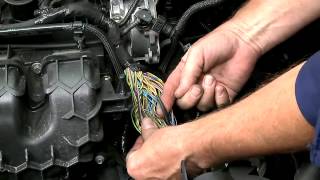
Typical fix: Repair the damaged section of the wiring harness using appropriate splicing techniques and heat shrink. Protect the repaired area with anti-abrasion tape or a protective sleeve. 🎬 See how professionals handle Ford wiring harness recall repairs. Re-route or secure the harness away from the steering shaft to prevent future chafing.
Est. part cost: $10-$50 for wiring repair supplies - Powertrain Control Module (PCM) Software Calibration 🔴 High Probability Ford TSBs 20B14, 20B14-S1, and 20B14-S2 state that poor crankshaft and camshaft signal quality during startup can trigger P0340. This is a known software issue affecting certain 2020 Escape models, specifically the 2.5L Full Hybrid Electric Vehicle (HEV) models built at the Louisville plant from Jan 2019 to Feb 2020.
How to confirm: A Ford dealership or qualified shop with access to Ford's diagnostic system (FDRS) can check if the vehicle's VIN is affected by Customer Satisfaction Program 20B14 and if the PCM software is outdated.
Typical fix: Reprogram the Powertrain Control Module (PCM) to the latest software version as per the TSB. This is a no-charge repair if the vehicle is covered by the program.
Est. part cost: $0 if covered under warranty or customer satisfaction program - Faulty Camshaft Position Sensor 🟡 Medium Probability Like any electronic component, the sensor can fail over time due to heat and vibration, though it's less common than the wiring or software issues on this specific platform. The internal magnet can degrade over time under high heat.
How to confirm: After ruling out wiring and software issues, test the sensor's voltage output with a multimeter or oscilloscope. 🎬 Watch this guide to diagnosing camshaft circuit malfunction codes. A simpler method is to swap the intake and exhaust sensors (if they are identical parts) and see if the code changes to P0365 (Camshaft Sensor 'B'). If the code changes, the sensor is faulty.
Typical fix: Replace the Camshaft Position Sensor 'A' (intake).
Est. part cost: $30-$100 - Dirty or Contaminated Engine Oil ⚪ Low Probability This is not specific to the Escape but is a general cause. If oil changes are neglected, sludge can build up on the sensor tip, obscuring the reading.
How to confirm: Remove the camshaft position sensor and inspect its tip. If it is covered in thick, dark sludge, it may not be able to read the camshaft's position correctly. Check the oil level and condition on the dipstick.
Typical fix: Perform an engine oil and filter change. Clean the sensor before reinstalling. If the code clears and does not return after a 20-mile drive cycle, this was the likely cause.
Est. part cost: $40-$80
Rare But Worth Checking
- Damaged Timing Components: A stretched timing chain or failed tensioner can cause the camshaft and crankshaft to go out of sync, which can trigger a P0340 code. This is a more serious mechanical issue and would likely be accompanied by rattling noises from the engine.
- Failing Alternator: A bad alternator can produce excessive electrical noise (AC ripple) or voltage fluctuations, which may interfere with the camshaft position sensor's signal. This is less common but has been noted on other Ford models.
- Faulty Powertrain Control Module (PCM): In rare cases, the PCM itself may be faulty and unable to correctly process the signal from a known-good sensor and circuit. This should be the last item to consider after all other possibilities are exhausted.
Diagnosis Steps
- Scan for all stored trouble codes. Note if P1A0C or a wide range of other electrical codes are present.
- Check for open recalls and applicable TSBs for your vehicle's VIN. Specifically look for TSBs 20B14, SSM 50245, and SSM 50116 using the NHTSA website or by calling a dealer.
- If TSBs SSM 50245 or 50116 are relevant, check fuse 44. If it is blown, this strongly indicates a short circuit.
- Carefully inspect the 14290 wiring harness above the steering shaft u-joint for any signs of chafing, rubbing, or exposed wires.
- If the harness appears damaged, repair the wires and protect the harness from future damage with anti-abrasion tape.
- If the harness is intact and TSB 20B14 applies (especially on 2020 hybrid models), consult a dealer to have the PCM reprogrammed to the latest calibration.
- If no TSBs apply or resolve the issue, proceed with standard diagnostics. Check the engine oil condition.
- Inspect the camshaft position sensor connector for corrosion or loose pins.
- Test the sensor and its circuit with a multimeter to verify correct voltage (typically 5V reference) and ground signals.
- If the sensor or circuit tests faulty, replace the necessary component.
Parts You'll Likely Need

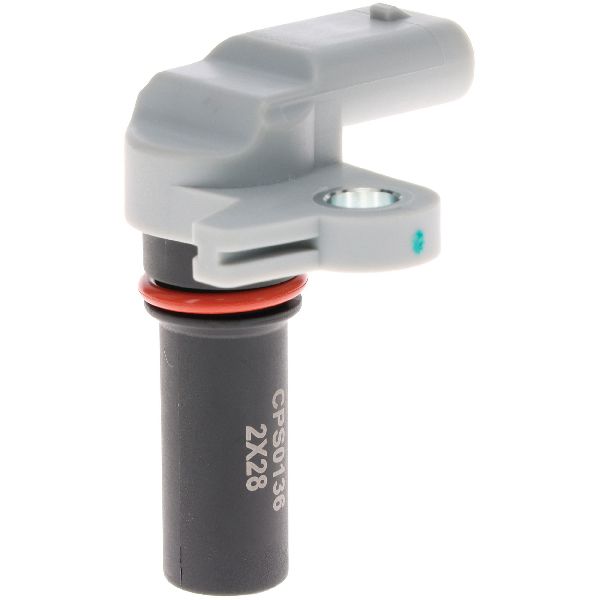
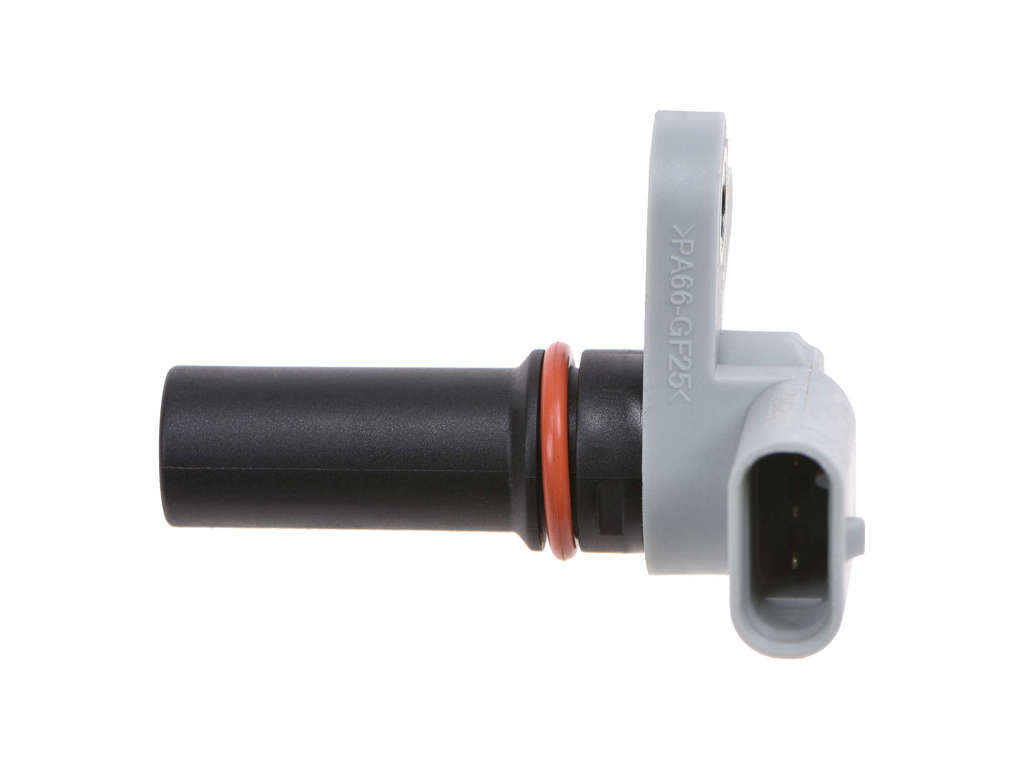
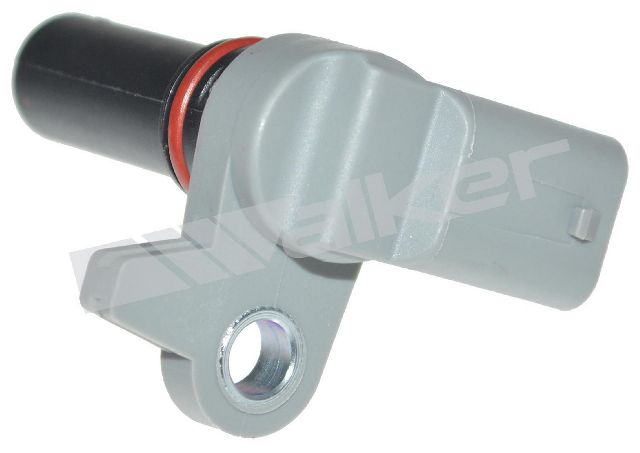
- Camshaft Position Sensor
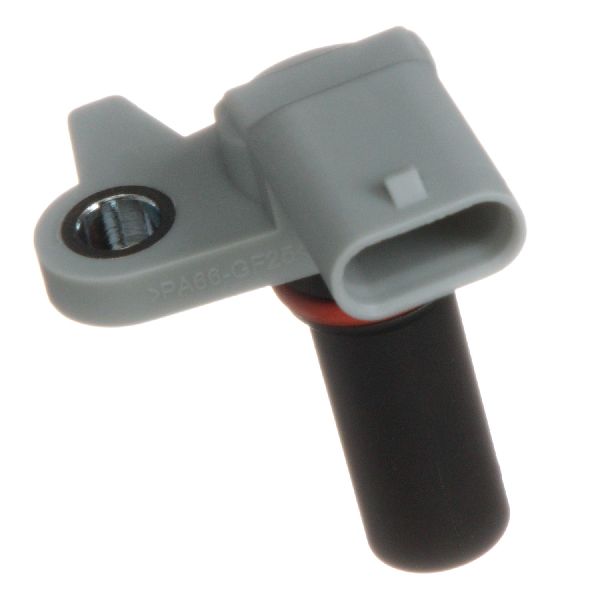
(OEM #HX7Z-6B288-A)— If wiring and software issues are ruled out, the sensor itself may have failed. This part number fits the 1.5L engine and may fit others. Always verify with VIN. 🎬 Watch: Step-by-step camshaft sensor replacement for the 1.5L engine.
Trusted brands: Motorcraft, Bosch, Delphi
OEM price range: $50-$90
Aftermarket price range: $30-$60 - Wiring Harness Repair Kit/Supplies — Required to fix chafing on the 14290 harness as identified in TSBs SSM 50245 and SSM 50116. This typically includes wire, butt connectors, heat shrink, and anti-abrasion tape.
OEM price range: $10-$50
Aftermarket price range: $10-$30
Related Codes That Often Appear With This One
- P1A0C — This code is specifically mentioned alongside P0340 in TSB 20B14, relating to the PCM software calibration issue on hybrid models. [9, 20B14, 20B14-S1, 20B14-S2]
- P0344 — This code indicates an intermittent signal from the same sensor circuit, which can be caused by the same wiring or software issues as P0340. [SSM 50245]
- P06A7, P0840, P2122, etc. — TSBs SSM 50245 and SSM 50116 list a large number of seemingly unrelated codes that can be triggered simultaneously when the 14290 wiring harness chafes and causes a short, often blowing fuse 44.
Technical Service Bulletins (TSBs) & Recalls
- SSM 50245: Notes P0340 can be caused by the 14290 harness chafing above the steering shaft u-joint.
- SSM 50116: Similar to SSM 50245, points to the 14290 harness chafing as a cause for P0340 and other DTCs.
- 20B14, 20B14-S1, 20B14-S2: Describes a PCM software calibration issue on certain 2020 hybrid models causing P0340 and P1A0C.
Platform-Specific Known Issues
- TSB #SSM 50245 / #SSM 50116: A known issue where the 14290 wiring harness chafes above the steering shaft, causing an electrical short that can trigger P0340 and many other codes.
- TSB #20B14 / #20B14-S1 / #20B14-S2: A customer satisfaction program for certain 2020 models (primarily 2.5L hybrids) to reprogram the PCM due to poor cam/crank signal quality at startup, which causes P0340 and P1A0C along with a 'Stop Safely Now' warning.
Mechanic-Grade Diagnostic Values
- Camshaft Position Sensor Power Supply Voltage — expected: ~5.0 Volts DC. Failure: 0V indicates an open in the power supply wire from the PCM or a PCM fault. Significantly lower voltage could indicate a short or PCM issue.
- Camshaft Position Sensor Signal Wire Voltage (Sensor Disconnected) — expected: ~5.0 Volts DC. Failure: 0V indicates an open or short-to-ground in the signal wire between the connector and the PCM.
- Camshaft Position Sensor Ground Wire — expected: Near 0 Ohms to ground. Failure: High resistance (Ohms) indicates a poor ground connection, which can cause erratic sensor readings.
- Camshaft Position Sensor Signal (Hall-Effect Type) — expected: A square wave alternating between ~0V and ~5V. Failure: A flat line at 0V or 5V, or a distorted waveform, indicates a faulty sensor or a problem with the timing ring on the camshaft.
Scan Tool Commands That Help
- Ford Diagnostic & Repair System (FDRS): PCM Reprogramming — This function is required to load the updated software calibration that resolves the issue described in TSB 20B14 for affected 2020 Escape Hybrid models. It corrects the PCM's interpretation of cam/crank signals at startup.
Wiring & Ground Locations

- 14290 Harness — The main engine wiring harness. The specific chafe point is located directly above the steering shaft universal joint, near the upper brake pedal mount, under the driver's side dashboard.. This is the harness identified in TSBs SSM 50245 and SSM 50116. Chafing at this location can cause a short in the sensor circuits, blowing Fuse 44 and triggering P0340 along with numerous other codes.
- G108 — Typically located on the front of the engine block or nearby on the chassis frame rail in the engine compartment.. This is a primary engine ground point. A loose or corroded G108 can cause floating grounds and introduce electrical noise, potentially disrupting the signals from the camshaft and crankshaft position sensors, leading to intermittent codes like P0340.
- C175B — A large, multi-pin engine harness connector, often found near the PCM on the left side of the engine compartment.. Wiring for the camshaft position sensors passes through this connector. Corrosion or a pushed-out pin at this location can create an open or high-resistance fault in the CMP sensor circuit, directly causing a P0340 code.
- PCM (Powertrain Control Module) — On the 2020-2021 Escape, it is typically located in the engine compartment on the driver's side, near the firewall.. All sensor signals and power/ground circuits terminate here. Testing at the PCM connector pins is the final step to confirm if a wiring fault exists between the sensor and the module, or if the PCM itself is the issue.
OEM Part Supersession History
HX7Z-6B288-A→No supersession found.— This appears to be the current and original part number for the specified application.
Model Year Variations Within This Range
- 2020: Certain 2020 models with the 2.5L Hybrid (HEV/PHEV) engine are subject to Customer Satisfaction Program 20B14, which involves a PCM software update to fix incorrect interpretation of cam/crank signals at startup. This issue appears to have been resolved in later production models. [9, 20B14]
- 2020-2022: Some 2.5L HEV/PHEV engines within this range were part of safety recall 22S47 for potential engine failure due to manufacturing defects. While not directly causing P0340, a failing engine could certainly trigger a variety of engine codes as a secondary effect.
Helpful Videos

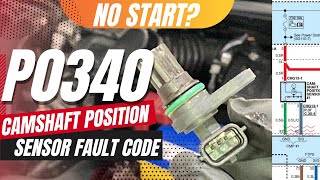
We Have This Part in Stock


The information in this article is provided for general reference and educational purposes only. Vehicle specifications, procedures, and part compatibility can vary by production date, trim level, and region. Always consult your vehicle's factory service manual and verify part numbers before purchasing or performing repairs. Safety-critical components such as airbags, seat belts, and braking systems should be installed by a qualified professional.
- Ford ESCAPE:
- 🎬 Helpful Videos
- 🛍️ Shop This Part
- What's Unique About the 2020-2021 Ford ESCAPE
- Diagnostic Flowchart
- Symptoms You May Notice
- Most Likely Causes
- Rare But Worth Checking
- Diagnosis Steps
- Parts You'll Likely Need
- Related Codes That Often Appear With This One
- Technical Service Bulletins (TSBs) & Recalls
- Platform-Specific Known Issues
- Mechanic-Grade Diagnostic Values
- Scan Tool Commands That Help
- Wiring & Ground Locations
- OEM Part Supersession History
- Model Year Variations Within This Range
- 🎟️ Get 5% Off