

P0340 on 2011-2017 Dodge Durango: Camshaft Sensor Circuit Causes & Fixes
P0340 on a Dodge Durango usually means the camshaft position sensor on Bank 1 (passenger side) has failed. It's a ~$40 part and is relatively easy to replace on the 5.7L V8. However, on the 3.6L V6, this code is frequently a warning sign for a more serious mechanical issue like a failing camshaft phaser, which is a much more expensive repair. Always check oil level and condition first, as low oil pressure can trigger this code.
- P0340 on a 2011-2017 Durango means a fault in the camshaft position sensor circuit for Bank 1 (passenger side).
- The most common fix is replacing the camshaft position sensor, a relatively simple and inexpensive DIY job. Always consider using an OEM Mopar sensor for best results.
- On the 3.6L V6 engine, be aware that this code is a very common symptom of a failing camshaft phaser, a more complex and expensive mechanical repair.
- Before replacing parts, always inspect the sensor's wiring and connector for damage, as this can also trigger the code.
- If you replace the sensor and the code returns, the root cause is likely a software issue (check for TSBs) or a mechanical problem with the phasers or timing chain.
What's Unique About the 2011-2017 Dodge DURANGO

For the 2011-2017 Dodge Durango, especially with the 3.6L Pentastar V6, P0340 is a well-documented issue. While Chrysler released several Technical Service Bulletins (TSBs) to update the engine software and make it less sensitive to brief sensor signal interruptions, the code's persistence often points to a deeper problem. This code on the 3.6L engine is frequently a symptom of a failing camshaft phaser, worn rocker arms, or other timing components, not just a bad sensor. Owners and technicians report replacing the sensor multiple times only to find the root cause is a worn phaser that requires a more involved, labor-intensive repair. A characteristic startup rattle that lasts for a few seconds is a strong indicator of this mechanical wear.
Diagnostic Flowchart

Tap your situation to follow the diagnostic path that matches what you're seeing on this vehicle.
Symptoms You May Notice
- Check Engine Light is on
- Engine is hard to start or will not start
- Engine stalls or runs rough, especially at idle or when coming to a stop
- Noticeable loss of power and acceleration
- Vehicle may enter 'limp mode' with limited functionality and shifting issues
- Engine makes a brief rattling or ticking noise on startup
- Replacing the crankshaft position sensor instead of the camshaft position sensor.
- Repeatedly replacing the camshaft position sensor when the actual fault lies with a mechanical component like a cam phaser or timing chain.
- Replacing spark plugs and ignition coils to fix a rough idle that is actually caused by incorrect cam timing.
- Overlooking a faulty wiring connector or harness damage, especially after other engine repairs have been performed.
Most Likely Causes

- Faulty Camshaft Position Sensor (Bank 1) 🔴 High Probability Sensors can fail over time due to heat and vibration. Oil leaking from the valve cover gasket can also contaminate the sensor and its connector, causing failure. Aftermarket sensors are known to have a higher failure rate, with many owners and technicians recommending sticking to OEM Mopar parts.
How to confirm: Inspect the sensor for damage or oil contamination. The easiest test is to swap the Bank 1 and Bank 2 camshaft position sensors (if they are identical and accessible) and see if the code changes to P0365 (Bank 2). If it does, the sensor is bad. On the 3.6L, accessing the sensors requires removing the upper intake manifold.
Typical fix: Replace the Bank 1 camshaft position sensor. 🎬 Watch: This video shows the sensor location and replacement steps. On the 3.6L V6, there are four sensors (intake and exhaust for each bank). P0340 typically refers to the intake sensor on the passenger side. On the 5.7L V8, there is only one cam sensor, located on the front timing cover.
Est. part cost: $30-$80 - Wiring or Connector Issue 🟡 Medium Probability The sensor wiring is located in the hot engine bay and can become brittle, corroded, or damaged over time. The connector's locking tab can break, or wires can be pulled out of the connector, especially on the 3.6L during other service that requires moving the harness.
How to confirm: Visually inspect the wiring harness and connector leading to the Bank 1 camshaft sensor. Look for frayed wires, loose pins, or corrosion. Use a multimeter to check for a 5V reference signal, a good ground, and a fluctuating signal wire with the engine running.
Typical fix: Repair the damaged section of wiring or replace the connector pigtail.
Est. part cost: $15-$40 - Failing Camshaft Phaser (3.6L V6) 🟡 Medium Probability The 3.6L Pentastar engine is known for issues with camshaft phasers, which are part of the Variable Valve Timing (VVT) system. A TSB specifically notes that P0340 can be triggered by a faulty exhaust phaser. The phaser's internal locking pin or spring mechanism can wear, causing it to not hold the correct base timing on startup, which the sensor reports as a fault.
How to confirm: This is difficult to confirm without professional tools. A mechanic can use a scan tool to monitor desired vs. actual cam timing. A distinct rattling or ticking noise on startup that quickly goes away is a very strong sign of a bad phaser.
Typical fix: Replace the failing camshaft phaser(s). TSB #05048043A$ recommends replacing all three valve timing components if the exhaust phaser is replaced for this code. This is a labor-intensive job with a cost that can range from $1,200 to over $2,500 at a dealership.
Est. part cost: $150-$300 - Outdated PCM Software ⚪ Low Probability Chrysler issued TSBs #18-024-17 REV. C and #18-049-20 to change the fault logic from a a single trip to a two-trip fault, making the system less likely to trigger the Check Engine Light for minor, transient glitches.
How to confirm: A Dodge dealership or a well-equipped independent shop can check your vehicle's software version against the latest available updates.
Typical fix: Update the Powertrain Control Module (PCM) software.
Est. part cost: $0-$200
Rare But Worth Checking
- Worn Timing Chain or Guides: If the timing chain has stretched, it can cause the camshaft and crankshaft to be out of sync, triggering this code. This is usually accompanied by rattling noises and would likely set correlation codes like P0016 as well. 🎬 Watch: A complete walkthrough of the timing chain replacement process.
- Low Oil Pressure/Dirty Oil: The cam phasers are hydraulically operated by engine oil. Low oil pressure or sludgy oil can prevent them from functioning correctly, leading to timing-related codes like P0340. This is a critical first check. On some 3.6L engines, oil gallery plugs can come loose, causing a significant loss of pressure.
- Failing Alternator: A failing alternator can produce excessive electrical noise (AC ripple) on the vehicle's DC system, which can interfere with the sensitive signals from the camshaft position sensor and trigger a P0340 code.
- Failed Powertrain Control Module (PCM): This is extremely rare, but the PCM itself can fail. This should only be considered after all other possibilities, especially wiring and mechanical faults, have been exhaustively ruled out.
Diagnosis Steps

- Read all stored trouble codes with an OBD-II scanner. Note any other codes that are present, especially misfire (P030x) or correlation (P0016) codes.
- Check engine oil level and condition. Low or dirty oil can cause VVT system faults. If the oil level is low, top it off, clear the codes, and see if the problem persists.
- Visually inspect the wiring and connector for the Bank 1 (passenger side) camshaft position sensor. Look for obvious damage, corrosion, oil contamination, or a loose connection.
- If accessible (easier on 5.7L), swap the Bank 1 and Bank 2 camshaft position sensors. Clear the codes and drive the vehicle. If the code returns as P0365 (Bank 2), the sensor you moved is faulty and needs replacement.
- If the code remains P0340 after the swap, the problem is in the circuit or a mechanical component.
- Use a multimeter to test the sensor's circuit at the connector. With the key on, you should find a 5-volt reference wire, a ground wire with good continuity to the chassis, and a signal wire.
- If wiring and the sensor are confirmed good, the next step is to investigate mechanical causes. Listen carefully for a startup rattle that could indicate a bad cam phaser. 🎬 See this Q&A on diagnosing startup rattles and phaser issues.
- Check with a dealer if your vehicle's PCM software is up to date, referencing TSBs #18-024-17 and #18-049-20.
- If mechanical issues are suspected, professional diagnosis is recommended. A technician can perform an oil pressure test and use a scan tool to graph camshaft and crankshaft signals to pinpoint the fault.
Parts You'll Likely Need
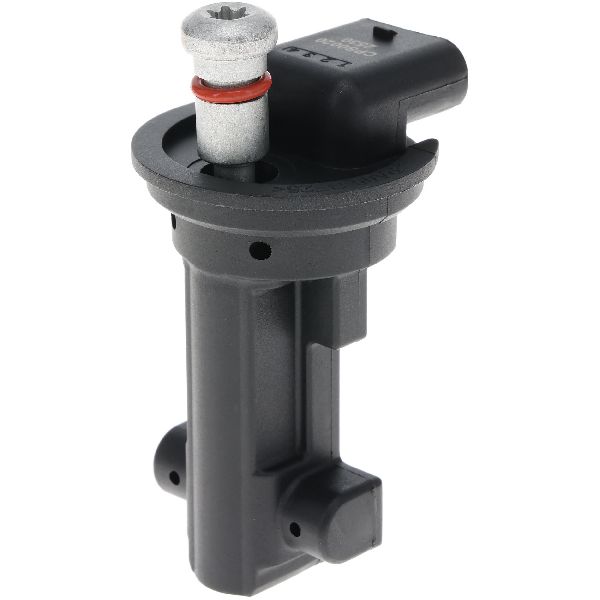
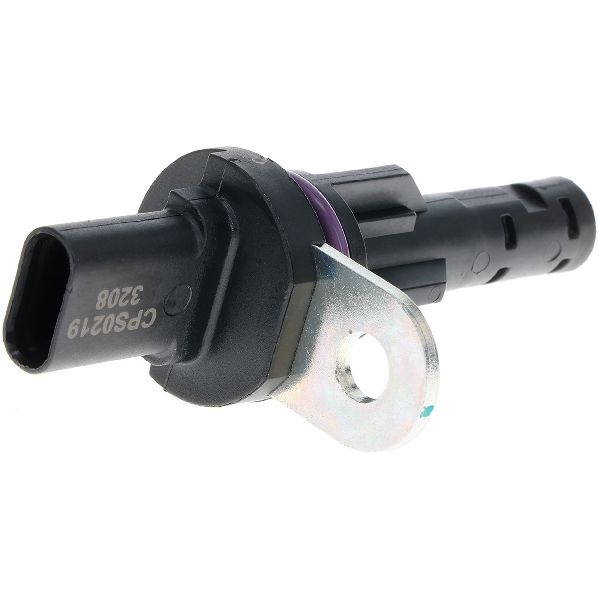
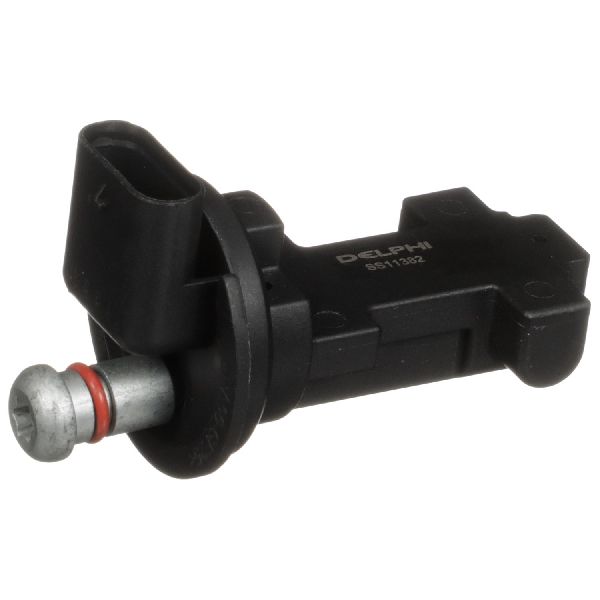
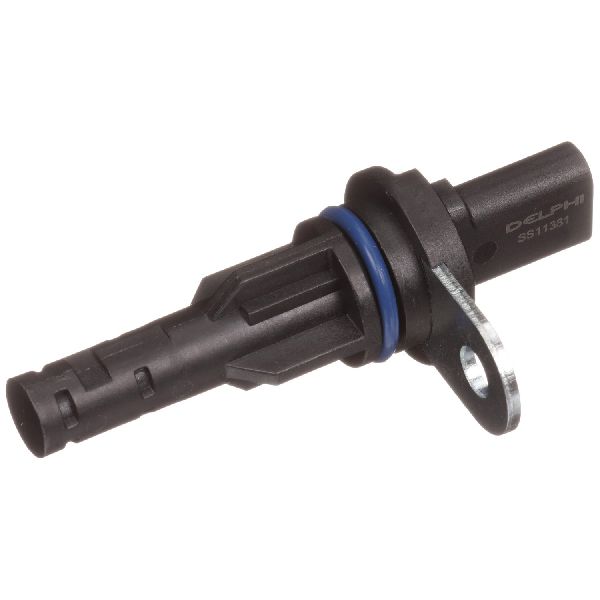
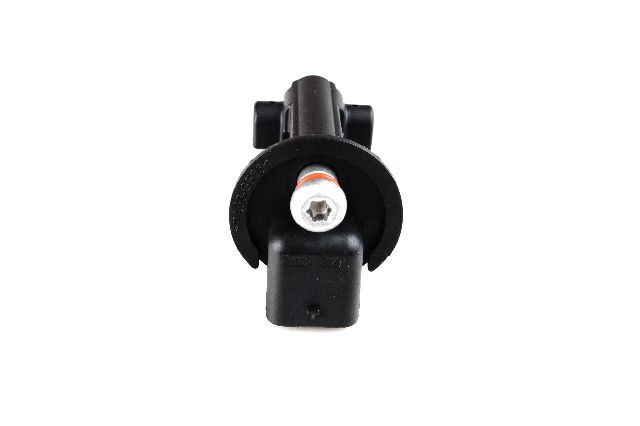
- Camshaft Position Sensor (Bank 1)
(OEM #5149141AF)— This is the most common initial failure point for a P0340 code. It is a Hall-effec
Related Codes That Often Appear With This One
- P0344 — This is the 'intermittent' version of P0340, indicating the signal loss is sporadic. Often, both codes appear together.
- P0300, P0302, P0304, P0306 — Incorrect camshaft timing disrupts the engine's rhythm, leading to random (P0300) or specific cylinder misfires. TSB 09-002-14 REV. B addresses a known issue on 2011-2013 3.6L engines where a cylinder head defect causes these misfires.
- P000B, P0016 — These codes relate to cam/crank correlation and slow camshaft response, often pointing directly to a mechanical timing or phaser issue rather than just a sensor circuit fault.
- P0365 — This is the equivalent code for the camshaft position sensor on Bank 2 (driver's side). Seeing both may indicate a systemic issue like a stretched timing chain, low oil pressure, or a software glitch.
Technical Service Bulletins (TSBs) & Recalls
- 18-024-17 REV. C
- 18-049-20
- 05048043A$
- 09-002-14 REV. B
Platform-Specific Known Issues

- TSB #18-024-17 REV. C: Addresses overly sensitive fault logic for P0340 and other sensor codes on 3.0L and 3.6L engines by changing the setting from a one-trip to a two-trip fault.
- TSB #05048043A$: Specifically calls out P0340 as a potential symptom of a failed exhaust phaser on the 3.6L engine and recommends replacing multiple timing components as a set if this is the cause.
- TSB #09-002-14 REV. B: Details an extended warranty (X56) for a known cylinder head issue on 2011-2013 3.6L engines that causes misfires (P0300, P0302, etc.), which can sometimes accompany cam/crank codes.
Mechanic-Grade Diagnostic Values
- Camshaft Position Sensor Supply Voltage — expected: 4.5 - 5.2 Volts. Failure: No voltage or voltage outside this range indicates a wiring or PCM issue.
- Camshaft Position Sensor Ground Circuit Resistance — expected: Less than 5.0 Ohms. Failure: High resistance indicates a poor ground connection, which can cause erratic sensor signals.
- Camshaft Position Sensor Signal Wire (Engine Cranking/Running) — expected: Fluctuating digital signal (square wave) between ~0V and ~5V. Failure: A static voltage (either 0V or 5V) or no voltage indicates a failed sensor or a wiring short/open.
Scan Tool Commands That Help
- wiTECH (Chrysler Dealer Tool): VVT System Test — When a mechanical issue with the cam phasers is suspected after the sensor and wiring have been verified as good. This test commands the phasers to move and measures their response, confirming if they are stuck, slow, or operating correctly, which helps differentiate a sensor fault from a mechanical fault.
Wiring & Ground Locations
- Bank 1 Camshaft Position Sensor Connector — On the 3.6L V6, it is located on the passenger side (Bank 1) rear of the cylinder head, underneath the upper intake manifold. On the 5.7L V8, it is on the front timing cover.. This is the primary connection point to test for power, ground, and signal. Its location under the intake on the 3.6L makes visual inspection and testing difficult without some disassembly.
- Ground G914A — Commonly located on the right side (passenger side) of the engine block.. This is a shared ground point for multiple engine sensors. A loose or corroded connection at this specific ground can cause intermittent and difficult-to-diagnose signal faults for the camshaft and crankshaft position sensors.
Real Owner Repair Stories
- Multiple forum threads (e.g., Dodge Durango forums, Allpar) (2011-2014 Dodge Durango with 3.6L V6) — Persistent P0340 code, often accompanied by a light ticking or tapping noise from the top of the engine, especially on startup.
❌ Tried (didn't work) Replacing the camshaft position sensor (sometimes multiple times), Swapping sensors between banks, Checking wiring harness for faults
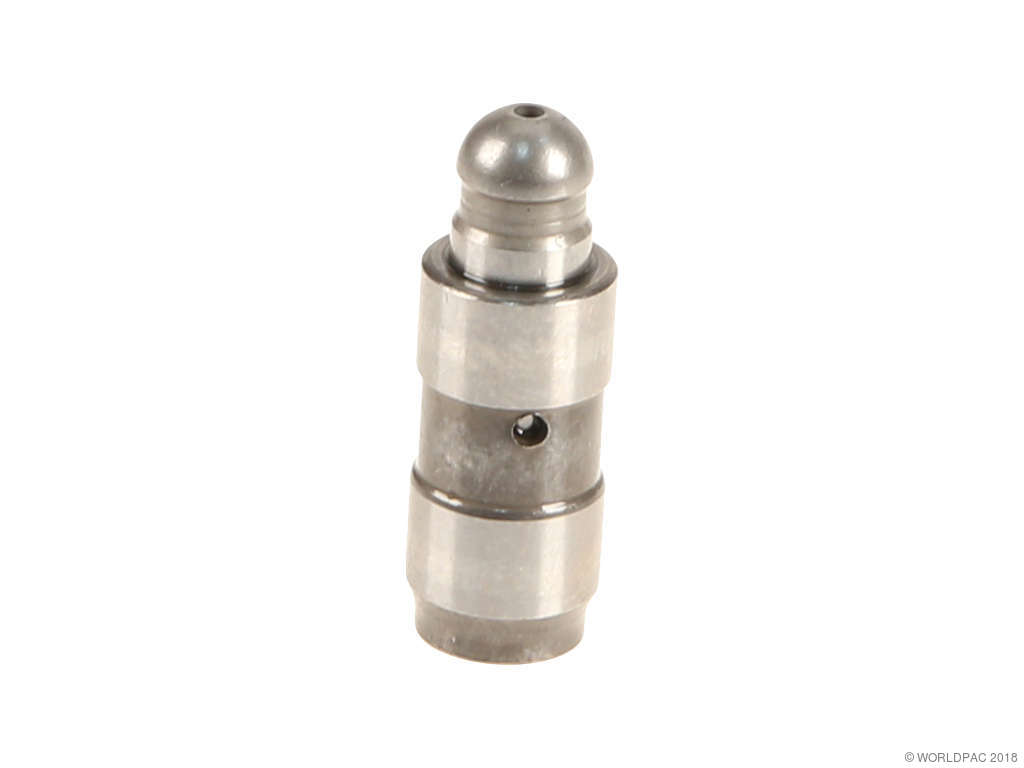
✅ What actually fixed it Replacement of worn rocker arms and lifters on the affected bank (Bank 1). The needle bearings in the rocker arms fail, causing excessive play and altering valve lift, which the PCM interprets as a cam timing error. - Reddit user and forum reports (2013 Dodge Durango with 3.6L V6) — P0340 and/or P0344 codes, hesitation, and eventually limp mode. Critically, the oil pressure gauge would read very low at idle (e.g., 4-5 PSI) but the oil pressure warning light did not always illuminate.
❌ Tried (didn't work) Replacing camshaft position sensor, Replacing oil pressure sensor, Changing oil and filter
✅ What actually fixed it The root cause was a failing oil pump or a blocked oil pickup tube. The low oil pressure was insufficient to properly operate the VVT cam phasers, especially at low RPM, causing the cam timing to be out of position and triggering the P0340 code. - DodgeForum.com user report (Dodge vehicle with recurring P0340) — Check Engine Light with code P0340 returned shortly after clearing.
❌ Tried (didn't work) Replacing the camshaft position sensor with an aftermarket (non-Mopar) part.
✅ What actually fixed it Replacing the aftermarket sensor with a genuine OEM Mopar sensor resolved the issue permanently. This suggests the PCM is sensitive to the precise signal quality and timing provided by the OEM sensor.
"I Checked Everything" — The Actual Cause
- In cases of a persistent P0340 on the 3.6L V6 where wiring and sensors check out, the root cause is often mechanical or hydraulic, not electrical. A failing oil pump can cause low pressure that prevents VVT phasers from actuating correctly, leading the PCM to flag a cam sensor code because the camshaft is not where it's expected to be. This will not be found with a smoke test or standard electrical checks.
OEM Part Supersession History
5149141AA, 5149141AB, 5149141AC, 5149141AD, 5149141AE→5149141AF— Standard part revision and improvement over time.
Heads up: While older versions may fit, it is always recommended to use the latest available OEM part number (5149141AF) to ensure compatibility and benefit from any design improvements. Aftermarket sensors are frequently reported by owners to cause repeat failures.
Model Year Variations Within This Range
- 2011-2015: The early 3.6L Pentastar V6 engines were more susceptible to valvetrain issues, including premature wear of the rocker arms, which could lead to a ticking noise and trigger code P0340.
- 2016-2017: Beginning with the 2016 model year, the 3.6L Pentastar engine was significantly updated. This included a revised VVT system and improved valvetrain components (rocker arms, springs, etc.) to enhance durability and address known issues from earlier years. While not immune, these later models are less prone to P0340 caused by rocker arm failure.
Helpful Videos
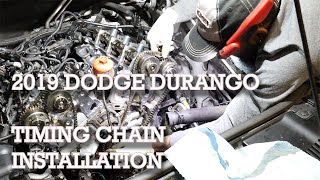
Used OEM Parts in Stock
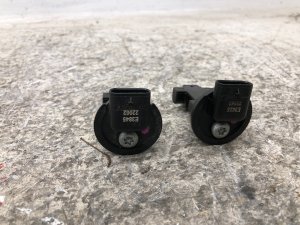
New Aftermarket Parts Available

The information in this article is provided for general reference and educational purposes only. Vehicle specifications, procedures, and part compatibility can vary by production date, trim level, and region. Always consult your vehicle's factory service manual and verify part numbers before purchasing or performing repairs. Safety-critical components such as airbags, seat belts, and braking systems should be installed by a qualified professional.
- Dodge DURANGO:
- 🎬 Helpful Videos
- 🛍️ Shop This Part
- What's Unique About the 2011-2017 Dodge DURANGO
- Diagnostic Flowchart
- Symptoms You May Notice
- Most Likely Causes
- Rare But Worth Checking
- Diagnosis Steps
- Parts You'll Likely Need
- Related Codes That Often Appear With This One
- Technical Service Bulletins (TSBs) & Recalls
- Platform-Specific Known Issues
- Mechanic-Grade Diagnostic Values
- Scan Tool Commands That Help
- Wiring & Ground Locations
- Real Owner Repair Stories
- "I Checked Everything" — The Actual Cause
- OEM Part Supersession History
- Model Year Variations Within This Range
- 🎟️ Get 5% Off