

P0340 on 2015 Chrysler 200: Camshaft Position Sensor Circuit Causes and Fixes
On a 2015 Chrysler 200, code P0340 typically points to a failed camshaft position sensor or its wiring. This is a common and relatively inexpensive fix, but it is critical to use a high-quality OEM Mopar sensor, as aftermarket parts are known to fail quickly. For the 2.4L engine, the part is Mopar #68080819AC, and for the 3.6L V6, it's #5149141AF. Before replacing parts, check if TSB #18-022-17 REV. A applies, as a simple PCM software update may resolve the issue.
- P0340 on a 2015 Chrysler 200 indicates a fault in the Bank 1 camshaft position sensor circuit.
- The most common cause is a failed sensor, which is a relatively affordable and accessible part to replace, especially on the 2.4L engine.
- Always inspect the wiring and connector for damage or oil contamination before replacing the sensor, as this is a common secondary cause.
- The location of the sensor depends on your engine. For the 3.6L V6, Bank 1 is the passenger-side (rear) cylinder head and is accessible without major disassembly.
- Do not continue driving with this code, as the engine could stall at any time, creating a dangerous situation.
What's Unique About the 2015-2015 Chrysler 200

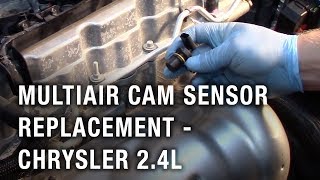
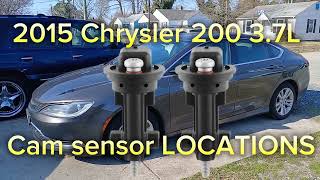
The 2015 Chrysler 200 was available with two different engines, a 2.4L 4-cylinder and a 3.6L V6, and the location and repair vary between them. On the 2.4L engine, there is a single, easily accessible camshaft position sensor on the cylinder head, under a small heat shield. 🎬 Watch: Step-by-step 2.4L Tigershark camshaft sensor replacement guide. On the 3.6L V6, there are two sensors, one for each cylinder head (bank). P0340 refers to Bank 1, which on this transverse engine is the cylinder head on the rear side of the engine bay (near the firewall), making it 🎬 See this video to locate both sensors on the 3.6L V6. the more difficult one to access. The Bank 2 sensor is on the front, radiator-side head and is much easier to reach. If you ever get a code for Bank 2 on the 3.6L (e.g., P0345), that sensor is located under the upper intake manifold, making replacement much more difficult.
Diagnostic Flowchart
Tap your situation to follow the diagnostic path that matches what you're seeing on this vehicle.
Symptoms You May Notice
- Check Engine Light is on
- Engine is hard to start or cranks but won't start
- Engine stalls unexpectedly, sometimes when coming to a stop
- Rough idle and engine misfires
- Lack of acceleration and reduced engine power
- Poor fuel economy
- Transmission shifting problems or going into "limp mode"
- Replacing the camshaft position sensor without first inspecting the wiring and connector, especially for oil contamination on the 3.6L engine.
- Using a cheap aftermarket sensor that is faulty out of the box, leading to the belief that the sensor was not the problem.
- Replacing hardware (sensor, phaser) before checking for the PCM software update specified in TSB #18-022-17 REV. A for the 2.4L engine.
Most Likely Causes

- Failed Camshaft Position Sensor 🔴 High Probability Sensors are electronic components that can fail over time due to heat cycles and vibration. Many owners report that aftermarket sensors fail quickly or are dead-on-arrival, making OEM Mopar sensors the recommended choice for a lasting repair.
How to confirm: After checking wiring, test the sensor's output with a multimeter or oscilloscope. The easiest confirmation is often replacing the sensor, as it's the most common failure point. A forum member on 200forums.com reported fixing their P0340 issue on a 2015 2.4L only after replacing a faulty new aftermarket sensor with a genuine Mopar part.
Typical fix: Replace the Bank 1 camshaft position sensor. A cam/crank relearn procedure with a capable scan tool is recommended after replacement for optimal performance.
Est. part cost: $35-$150 - Wiring Harness or Connector Issue 🟡 Medium Probability The wiring harness is exposed to high engine heat, which can make wires brittle and crack. On the 3.6L V6, oil leaks from the oil filter housing/cooler assembly 🎬 Watch: How oil leaks can cause 3.6L camshaft sensor codes. are extremely common and can drip down the back of the engine, saturating the Bank 1 cam sensor connector and wiring, causing a poor signal.
How to confirm: Visually inspect the wiring and connector for the Bank 1 camshaft sensor for any signs of damage, melting, or oil saturation. Check for a secure connection by wiggling the connector. Use a multimeter to test for proper voltage (usually 5V reference) and ground at the connector.
Typical fix: Repair the damaged section of wiring or replace the connector pigtail. Clean any oil from the connector with electrical contact cleaner.
Est. part cost: $10-$30 - Failed Camshaft Phaser (3.6L V6) ⚪ Low Probability On 3.6L Pentastar engines, the internal locking pin of the camshaft phaser can fail or get stuck due to debris, low oil pressure, or infrequent oil changes. This causes the camshaft to be out of position relative to the phaser, which the sensor reads as a circuit fault even though the sensor and wiring are good. This can happen without the typical startup rattle associated with Ford phaser issues.
How to confirm: This is an advanced diagnosis. A mechanic may notice independent movement between the camshaft and the phaser with the valve cover removed. This is often, but not always, accompanied by other timing-related codes like P0016 or a ticking noise.
Typical fix: Replace the failed camshaft phaser, which is a significant mechanical repair involving the engine's timing components.
Est. part cost: $150-$250
Rare But Worth Checking
- PCM Software Requires Update: TSB #18-022-17 REV. A was issued specifically for the 2015 Chrysler 200 with the 2.4L engine to address several codes, including P0340, that could be set erroneously. The fix is a PCM software update. A dealer or well-equipped shop should check for this before replacing any parts.
- Low or Dirty Engine Oil (2.4L): The 2.4L Tigershark engine is known for excessive oil consumption. If the oil level is low or the oil is dirty, it can affect the operation of the variable valve timing (MultiAir) system, which can indirectly trigger a P0340 code. Always check the oil level and condition first when this code appears.
- Failed Crankshaft Position Sensor: In some cases, a failing crankshaft position sensor can cause the computer to log a P0340 code because the signals from the two sensors are no longer synchronized. TSB #18-022-17 REV. A lists both P0340 and P0335 (crank sensor code) together, indicating a potential shared software-related issue.
- Stretched Timing Chain (3.6L): While less common on a 2015 model, a stretched timing chain on the 3.6L engine can cause the cam/crank correlation to be off, potentially triggering a P0340 code. This is usually accompanied by other timing codes (like P0016) or rattling noises.
- Faulty Powertrain Control Module (PCM): This is very rare. The PCM should only be considered after all other possibilities, including the sensor, wiring, mechanical timing, and software updates, have been thoroughly ruled out.
Diagnosis Steps
- Read the code with an OBD-II scanner and confirm P0340 is present. Note any other codes.
- Identify the engine (2.4L or 3.6L).
- For the 2.4L engine, check for Technical Service Bulletin #18-022-17 REV. A. If applicable, a PCM software update at a dealership may be the first and only required step.
- Check the engine oil level and condition. A low oil level, especially on the 2.4L, can cause this code.
- Locate the Bank 1 Camshaft Position Sensor. On the 2.4L, it's on the cylinder head, under a small heat shield held by a 10mm nut. On the 3.6L, it's on the rear valve cover, near the firewall, held by a T30 Torx bolt.
- Visually inspect the sensor's electrical connector and wiring harness for damage, corrosion, loose connections, or oil contamination.
- If wiring looks good, use a multimeter to check for a 5-volt reference signal and a good ground at the connector with the key on, engine off.
- If wiring and voltage are correct, the sensor itself is the most likely culprit. Replace the camshaft position sensor, preferably with an OEM Mopar part.
- Clear the codes and start the engine. A cam/crank relearn procedure with a professional scan tool is recommended after replacement.
- If the code returns, a more advanced diagnosis is needed to check for mechanical timing issues (timing chain/phaser) or a PCM fault.
Parts You'll Likely Need

- Camshaft Position Sensor (for 3.6L V6)
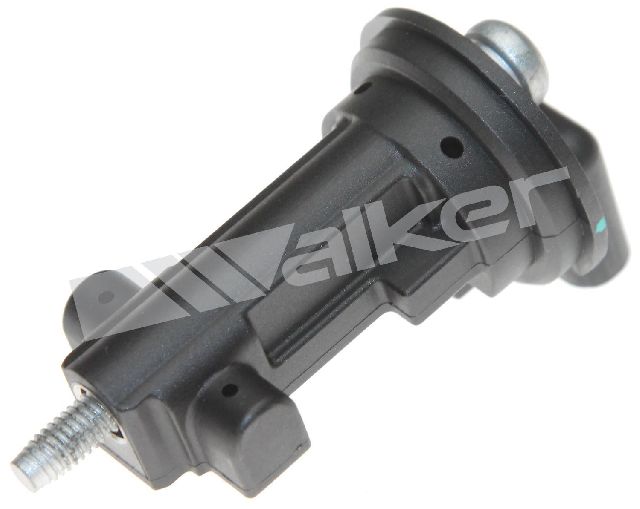
(OEM #5149141AF)— This sensor is the most common failure point for a P0340 code on the 3.6L Pentastar engine. It is an electronic component that wears out. Using the OEM Mopar part is highly recommended.
Trusted brands: Mopar, NTK/NGK, Delphi
OEM price range: $70-$150
Aftermarket price range: $30-$60 - Camshaft Position Sensor (for 2.4L I4)
(OEM #68080819AC (or superseded 68080819AD))— This is the specific sensor for the 2.4L Tigershark engine. It is the most common cause of P0340 on this engine. Using the OEM Mopar part is highly recommended.
Trusted brands: Mopar, Standard Motor Products (SMP), Bosch
OEM price range: $50-$90
Aftermarket price range: $20-$45
Related Codes That Often Appear With This One
- P0335 — This is the code for the Crankshaft Position Sensor. The cam and crank sensors work together, and TSB #18-022-17 REV. A lists them together as potentially being resolved by a PCM software update.
- P0344 — This code indicates an intermittent signal from the same camshaft position sensor circuit, often pointing to a wiring issue or a sensor that is beginning to fail.
- U1424 — This code for 'Implausible Engine Torque Signal' can appear alongside sensor codes like P0340 because the faulty sensor data prevents the PCM from accurately calculating engine torque. A Reddit user with a 2015 3.6L reported this exact combination causing limp mode.
- P1066 — On the 2.4L engine, this code for 'Cylinder 1 Oil Supply Solenoid' is related to the MultiAir system. TSB #18-022-17 REV. A also lists this code, suggesting a link between the valvetrain control system and the setting of a P0340.
Technical Service Bulletins (TSBs) & Recalls

- 18-022-17 REV. A: Applies to the 2.4L engine. Involves reprogramming the PCM to correct software logic that may falsely trigger P0340, P0335, U1424, and other codes. This is a critical first check before replacing parts on the 2.4L model.
Platform-Specific Known Issues
- TSB for PCM Software Update (2.4L Engine): A Technical Service Bulletin (TSB #18-022-17 REV. A) was issued for the 2015 Chrysler 200 with the 2.4L engine. It lists P0340 among several codes that can be resolved with a PCM software update. This should be investigated by a dealer before replacing any hardware, as it could be a simple software logic issue.
- Oil Consumption on 2.4L Tigershark Engine: The 2.4L engine has a well-documented issue with consuming oil. A low oil level can disrupt the MultiAir valvetrain system, which relies on hydraulic pressure, leading to various timing-related codes, including P0340. Checking the oil level should be a primary diagnostic step.
- Cam Phaser Failure on 3.6L Pentastar Engine: While the sensor is the most common culprit, P0340 on the 3.6L V6 can also be an early indicator of a failing camshaft phaser. The phaser can get stuck or fail to lock at its base timing position, causing the sensor to report a fault even when the sensor itself is working perfectly. This is a more serious mechanical issue.
Mechanic-Grade Diagnostic Values
- Camshaft Position Sensor Power Supply (3.6L & 2.4L) — expected: ~5V DC. Failure: Voltage significantly lower than 5V or no voltage indicates a wiring or PCM issue.
- Camshaft Position Sensor Ground Circuit Resistance — expected: Less than 3.0 Ohms. Failure: High resistance (OL) indicates an open or corroded ground wire.
- Camshaft Position Sensor Signal (Hall-Effect Sensor) — expected: The signal wire should toggle between ~5V and ~0V as the engine is cranked. An oscilloscope should show a clean square wave pattern.. Failure: A signal that is stuck high (5V), stuck low (0V), or shows a noisy/erratic pattern on an oscilloscope points to a failed sensor or a mechanical issue with the reluctor wheel.
Scan Tool Commands That Help
- wiTECH (Dealer Tool), Appcar DiagFCA, Autel: Cam/Crank Relearn — This procedure should be performed any time the camshaft position sensor, crankshaft position sensor, or any mechanical timing components (chain, phasers) are replaced. It synchronizes the signals from the sensors with the PCM. Failure to perform this relearn can result in continued poor performance even after replacing the correct part.
- wiTECH (Dealer Tool): Cam Crank Synchronization Event Monitor — This function allows a technician to view detailed data about the camshaft and crankshaft positions, including the 'Engine Unlock Position' and 'Unlock RPM' status. This data is crucial for diagnosing complex mechanical timing issues, such as a failing cam phaser, that might be the underlying cause of a P0340 code.
Wiring & Ground Locations

- G904A / G909A — On the left side of the engine (for 2.4L) or near the left side of the engine compartment.. These are primary ground points for various engine components and sensors. A loose or corroded ground at these locations can cause erratic sensor readings, including for the camshaft position sensor, leading to a P0340 code.
- Camshaft Position Sensor Connector (3-wire type) — Directly on the camshaft position sensor.. For testing, you must identify the three pins: Pin 1 is typically the 5V power supply from the PCM, Pin 2 is the sensor signal wire, and Pin 3 is the sensor ground. Verifying power and ground at the connector is the first step before condemning the sensor.
Real Owner Repair Stories
- MotorCity Mechanic YouTube Channel (Chrysler with 3.6L Pentastar engine (specific model not a 200, but an identical engine and code scenario)) — Check Engine Light with code P0340 appeared shortly after a previous repair.
❌ Tried (didn't work) Initial diagnosis focused on the code being an electrical 'circuit' problem (wiring, sensor).
✅ What actually fixed it The root cause was a failed exhaust camshaft phaser. The internal locking pin was not engaging, allowing the camshaft to be out of position, which the PCM interpreted as a sensor circuit fault. Replacing the cam phaser resolved the code.
OEM Part Supersession History
68080819AB, 68080819AC→68080819AD— Standard part revision and improvement by the manufacturer.
Heads up: The newest part number, 68080819AD, is the correct replacement for the 2.4L engine and is backward compatible with the older versions.05149141AF→5149141AF— Part number format update by Mopar. The leading zero is often dropped.
Heads up: 5149141AF is the correct and current part number for the 3.6L engine. No known incompatibilities.
Helpful Videos

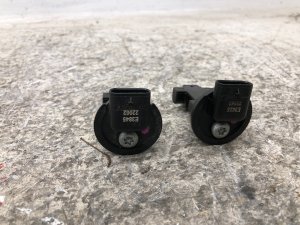
Used OEM Parts in Stock
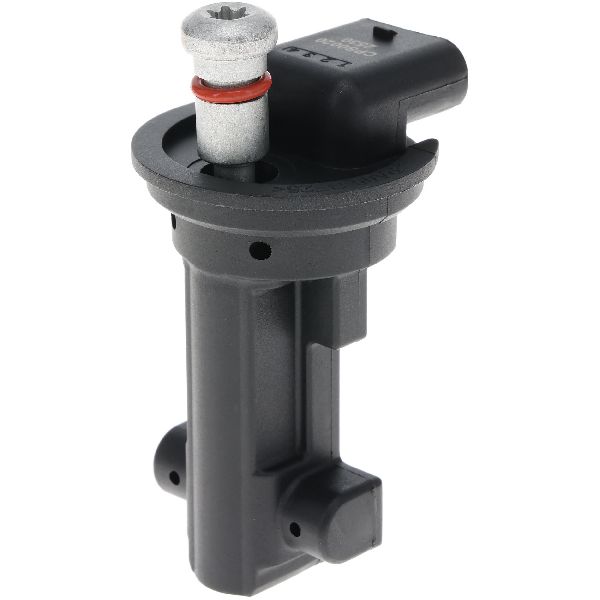
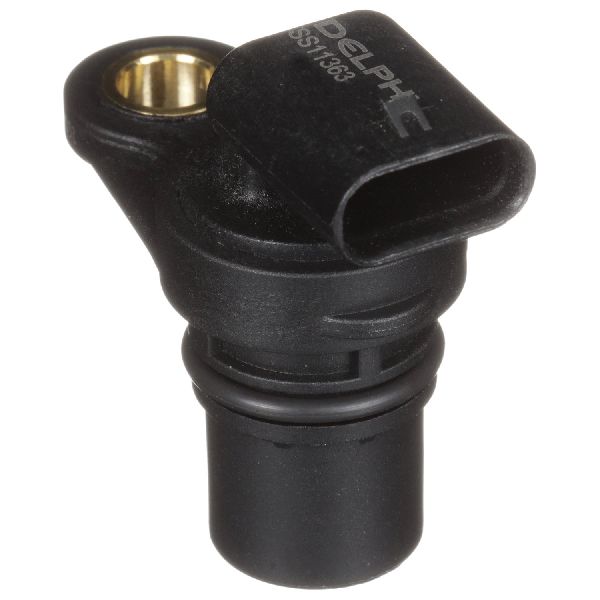
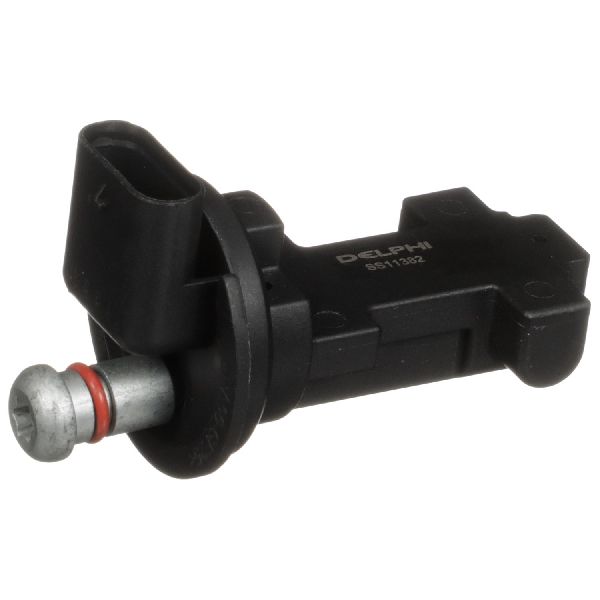
New Aftermarket Parts Available


The information in this article is provided for general reference and educational purposes only. Vehicle specifications, procedures, and part compatibility can vary by production date, trim level, and region. Always consult your vehicle's factory service manual and verify part numbers before purchasing or performing repairs. Safety-critical components such as airbags, seat belts, and braking systems should be installed by a qualified professional.
- Chrysler 200:
- 🎬 Helpful Videos
- 🛍️ Shop This Part
- What's Unique About the 2015-2015 Chrysler 200
- Diagnostic Flowchart
- Symptoms You May Notice
- Most Likely Causes
- Rare But Worth Checking
- Diagnosis Steps
- Parts You'll Likely Need
- Related Codes That Often Appear With This One
- Technical Service Bulletins (TSBs) & Recalls
- Platform-Specific Known Issues
- Mechanic-Grade Diagnostic Values
- Scan Tool Commands That Help
- Wiring & Ground Locations
- Real Owner Repair Stories
- OEM Part Supersession History
- 🎟️ Get 5% Off