

P0340 on 2012-2016 Chevrolet Silverado 2500: Camshaft Sensor Causes & Fixes
P0340 on a 2012-2016 Silverado 2500 almost always points to a faulty Camshaft Position Sensor (CMP) or its wiring. This can cause extended cranking, hard starting, stalling, and reduced power. Replacing the sensor is a common fix, but wiring inspection is crucial as chafing is common. The part costs between $25 and $110.
- P0340 on a 2012-2016 Silverado 2500 is most likely caused by a failed camshaft position sensor or a wiring issue.
- Symptoms are serious and include potential stalling, extended cranking, and no-start conditions, so the issue should be addressed promptly.
- Always inspect the wiring and connector for damage—especially for chafing near the alternator or power steering lines—before replacing the sensor.
- Use a quality replacement part from a brand like ACDelco or Delphi. Be aware of the correct part number for your specific engine (6.0L Gas vs. 6.6L Diesel).
- Replacement on the 6.0L gas engine is significantly more difficult than on the 6.6L diesel due to the sensor's location behind the water pump.
What's Unique About the 2012-2016 Chevrolet SILVERADO 2500

This issue is common enough on these trucks that GM has issued several Technical Service Bulletins (TSBs). The 2012-2016 year range also spans two different Silverado HD generations (2nd gen 'til 2014, 3rd gen from 2015), which can have different part locations and numbers. For certain 2012 models, a TSB specifically advises replacing the sensor even if diagnostics don't find a clear fault. A key difference is the sensor location and accessibility between the two main engines: on the 6.6L Duramax, it's on the front of the engine, but on the 6.0L Vortec, it is notoriously difficult to access, located behind the water pump.
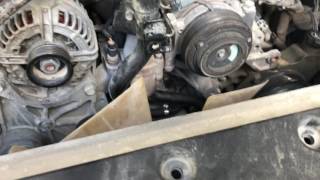
🎬 Watch: How to access the sensor on the 6.0L gas engine.Diagnostic Flowchart

Tap your situation to follow the diagnostic path that matches what you're seeing on this vehicle.
Generation note: The 2012-2016 range covers two generations: the second generation (GMT900 platform, 2012-2014) and the third generation (K2XX platform, 2015-2016). While the causes of P0340 are similar, part numbers and sensor locations may differ slightly between these generations and between the 6.0L gas and 6.6L Duramax diesel engines. For example, TSB PIP5335D notes to check for corrosion in connector X154 on 2014+ models.
Symptoms You May Notice
- Check Engine Light is on
- Engine is hard to start or cranks but won't start
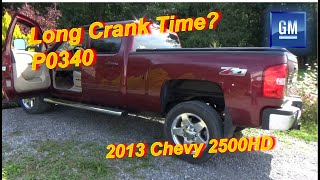
- Extended crank time before engine starts 🎬 Watch: Troubleshooting long crank times and P0340 codes on GM trucks.
- Engine stalls or idles roughly
- Reduced Engine Power message displayed
- Hesitation or loss of power during acceleration
- Decreased fuel economy
- Replacing the Crankshaft Position Sensor (P0335) instead of the Camshaft Position Sensor (P0340).
- Replacing the sensor without first checking the wiring and connector for damage, which is a very common cause on these trucks.
Most Likely Causes

- Faulty Camshaft Position Sensor (CMP) 🔴 High Probability Multiple TSBs (PIP5099A, PIP5335D) from GM point to sensor-related issues as a primary cause for this code on these trucks. The sensors are exposed to high heat and vibration, leading to eventual failure.
How to confirm: After checking wiring, test the sensor's output signal with a multimeter or oscilloscope. Often, the simplest confirmation is replacing the sensor, as it's an inexpensive part.
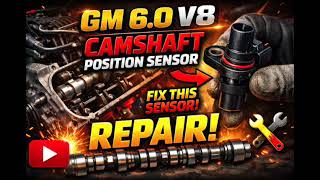
Typical fix: Replace the camshaft position sensor. On the 6.0L gas engine, this is a difficult job as the sensor is behind the water pump. On the 6.6L Duramax, it requires removing the fan shroud, belt, and an idler pulley. 🎬 See this straightforward Duramax camshaft sensor replacement walkthrough.
Est. part cost: $25-$110 - Wiring or Connector Issue 🟡 Medium Probability Engine heat and vibration can cause wiring to become brittle or connectors to loosen. Specific problem areas include the harness rubbing on power steering lines or against the back of the alternator stud.
How to confirm: Visually inspect the wiring harness and connector for the camshaft position sensor. Look for any signs of damage, corrosion, oil contamination, or loose pins. Wiggle the connector while the engine is running to see if it causes a stall or stumble.
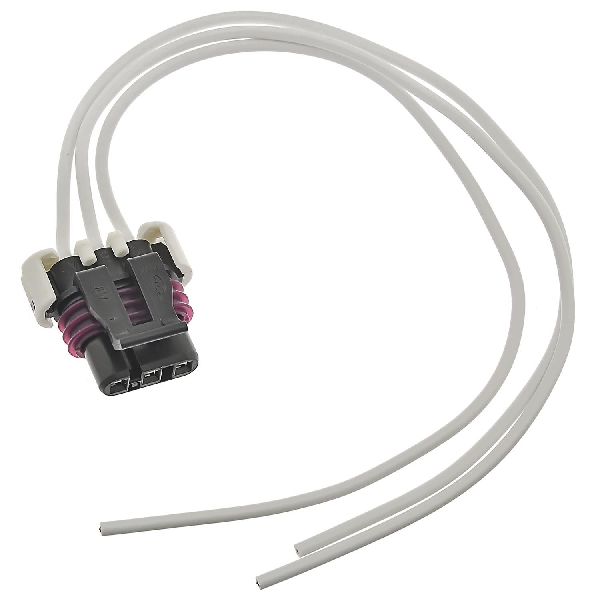
Typical fix: Repair the damaged section of wiring or replace the connector pigtail.
Est. part cost: $15-$40 - Rodent Damage to Wiring ⚪ Low Probability Trucks that are parked outdoors, especially in rural areas, are susceptible to rodents nesting in the engine bay and chewing on wires. The soy-based wiring insulation used in modern vehicles can attract them.
How to confirm: Visually inspect the engine bay for signs of nesting material (leaves, insulation) and look for chewed wires, particularly in the harness leading to the front of the engine.
Typical fix: Repair the chewed sections of the wiring harness by soldering in new wire and protecting it with loom or tape.
Est. part cost: $10-$50 (for repair materials) - Weak Battery or Charging System Issue ⚪ Low Probability Low voltage during cranking can sometimes cause erratic sensor readings, triggering false codes. These heavy-duty trucks have high electrical demands, especially diesel models with glow plugs.
How to confirm: Test the battery voltage and the alternator's output. A healthy battery should read above 12.4 volts at rest and the charging system should be between 13.5 and 14.5 volts with the engine running.
Typical fix: Charge or replace the battery. If the charging system is at fault, diagnose and replace the alternator.
Est. part cost: $150-$600
Rare But Worth Checking
- Damaged Camshaft Reluctor Ring: The sensor reads a toothed wheel (reluctor ring) on the camshaft. If this wheel is damaged or has slipped, it can cause incorrect readings even with a good sensor. This is an internal engine issue and much less common.
- Stretched Timing Chain: On higher-mileage engines, a stretched timing chain can alter the correlation between the camshaft and crankshaft, potentially triggering this code along with others like P0016. This is a significant mechanical repair.
- Faulty Powertrain Control Module (PCM): This is the least likely cause. The PCM should only be considered after all other possibilities (sensor, wiring, mechanical issues) have been definitively ruled out.
Diagnosis Steps
- Read the trouble codes with an OBD-II scanner.
- Visually inspect the camshaft position sensor and its electrical connector for any obvious damage, corrosion, or loose connections.
- Thoroughly inspect the wiring harness leading to the sensor for breaks, chafing, or heat damage. Pay close attention to where the harness passes the power steering lines and the alternator.
- If wiring looks good, use a multimeter to check for proper voltage (typically a 5V reference), ground, and signal at the sensor connector.
- If possible, use an oscilloscope to check for a proper square wave signal from the sensor while the engine is running or cranking. This is the most definitive test for the sensor itself.
- If the sensor, wiring, and power are all good, the issue may be mechanical (reluctor wheel, timing chain).
- If no other cause is found, replacing the camshaft position sensor is the most probable fix, especially given the TSBs for this vehicle.
Parts You'll Likely Need
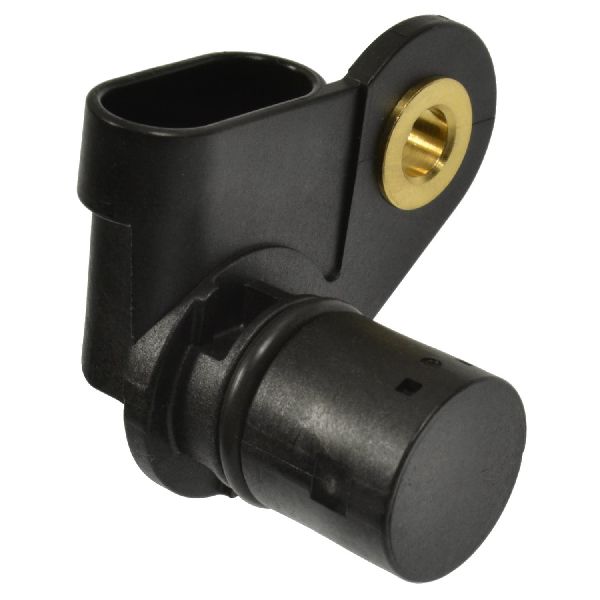
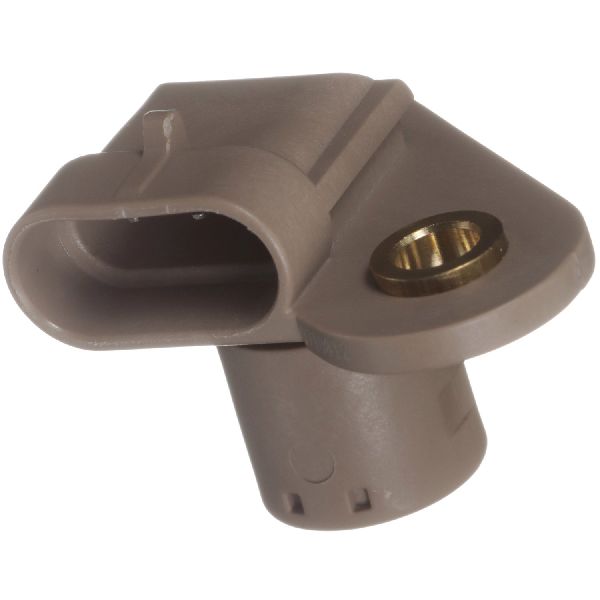
- Camshaft Position Sensor (6.6L Duramax LML)
(OEM #12672642)— This is the most common failure point for code P0340 on the Duramax engine, as documented by multiple GM Technical Service Bulletins.
Trusted brands: ACDelco (GM OE), Delphi, Standard Motor Products
OEM price range: $45-$110
Aftermarket price range: $30-$65 - Camshaft Position Sensor (6.0L Vortec L96)
(OEM #12591720)— This is the corresponding sensor for the gas V8 engine. It is also a common failure item. Note: Access is very difficult, located behind the water pump.
Trusted brands: ACDelco (GM OE), Delphi, NTK
OEM price range: $40-$90
Aftermarket price range: $25-$50
Related Codes That Often Appear With This One
- P0341 — This code indicates a range/performance issue with the same sensor circuit, often appearing alongside P0340. TSB #PIP5335D mentions them together.
- P0335 — This is for the Crankshaft Position Sensor. Since the PCM compares signals from both the cam and crank sensors for timing, a fault in one can sometimes lead to codes for the other. TSB #PIE0416A mentions them together.
- P0016 — Indicates a Crankshaft/Camshaft Position Correlation error. This code is more likely to appear if the root cause is mechanical, such as a stretched timing chain, rather than a simple sensor or wiring fault.
Technical Service Bulletins (TSBs) & Recalls

- PIE0416A: Concludes a period of data collection on DTCs P0335, P0340, or P0365.
- PIP5335D: Addresses P0340 and P0341 codes and directs technicians to use standard diagnostic procedures, including checking connector X154 for corrosion on newer models.
- PIP5099A: Advises replacing the cam position sensor on specific 2012 build dates for intermittent P0340.
Platform-Specific Known Issues
- For 2012 models built in September or October of 2012, TSB #PIP5099A specifically recommends replacing the cam position sensor for an intermittent P0340, even if standard diagnostics don't find a fault.
- TSB #PIP5335D acknowledges that codes P0340 and P0341 can set and advises technicians to follow normal diagnostics. For 2014+ models, it specifically calls out inspecting connector X154 for corrosion.
- TSB #PIE0416A was issued to gather and then conclude the need for field information regarding codes P0335, P0340, and P0365, indicating a known pattern of issues.
- Real-world reports indicate the wiring harness is prone to chafing where it routes near the power steering lines or makes contact with the back of the alternator's positive stud.
- On the 6.0L Vortec engine, the sensor is located behind the water pump, making replacement significantly more labor-intensive than on the Duramax.
Mechanic-Grade Diagnostic Values
- Camshaft Position Sensor Power Supply Voltage — expected: Approximately 5.0 Volts DC with key on, engine off.. Failure: No voltage or significantly low voltage indicates a problem with the PCM or the wiring from the PCM.
- Camshaft Position Sensor Ground Circuit — expected: Near 0 Ohms resistance between the ground wire at the connector and a known good chassis ground.. Failure: High resistance (OL) indicates an open in the ground circuit.
- Camshaft Position Sensor Signal Voltage (Static) — expected: Approximately 4-5 Volts DC on the signal wire with the sensor plugged in and key on, engine off.. Failure: 0 volts on the signal wire could indicate a short to ground or a faulty sensor.
- Camshaft Position Sensor Signal (Dynamic) — expected: Using an oscilloscope, a square wave switching between approximately 0V and 5V should be visible while cranking or running the engine.. Failure: A flat line, missing signal, or distorted waveform indicates a faulty sensor or a wiring issue.
Scan Tool Commands That Help
- GDS2 / Tech2Win or equivalent professional scan tool: Crankshaft Position System Variation Learn (also known as a CASE relearn) — This procedure is required after replacing the camshaft position sensor, crankshaft position sensor, or the ECM. It synchronizes the sensors with the PCM to ensure accurate misfire detection and timing. Failure to perform this can lead to persistent codes or rough running.
Wiring & Ground Locations
- CMP Sensor Signal Wire — For the 6.0L Vortec, this is typically a Dark Blue with White stripe wire at the sensor connector.. This is the wire that carries the camshaft position signal back to the PCM. An open or short on this specific wire will directly cause a P0340.
- CMP Sensor Low Reference Wire — For the 6.0L Vortec, this is typically a Brown wire at the sensor connector.. This is the sensor's ground circuit provided by the PCM. A poor connection here will prevent the sensor from operating correctly.
- Connector X154 — On 2015-2016 models, this connector is located on the front engine cover, near the vacuum pump.. TSB #PIP5335 specifically identifies this connector as a potential location for corrosion, which can interrupt the cam sensor signal and trigger P0340/P0341.
- Harness Chafe Point — The wiring harness that includes the CMP sensor wires is known to rub against the power steering lines.. Vibration can cause the harness to chafe through, shorting the sensor wires and causing an intermittent or constant P0340.
Real Owner Repair Stories
- Pine Hollow Auto Diagnostics YouTube Channel (2013 Chevrolet Silverado 2500HD) — Long crank time, customer complained 'starter won't shut off'. Code P0340 was present.
❌ Tried (didn't work) Initial diagnosis went straight to visual inspection before using scan tools extensively.
✅ What actually fixed it Rodent damage was found on the wiring harness for the camshaft position sensor and VVT actuator. The chewed wires were repaired by soldering in new sections and protecting the harness. This resolved the long crank and the code.
OEM Part Supersession History
12568983, 12585545→12591720— Part consolidation and potential design updates by the manufacturer.
Heads up: Applies to the 6.0L V8 Vortec engine.98079566→12672642— Part consolidation and potential design updates by the manufacturer.
Heads up: Applies to the 6.6L V8 Duramax engine.
Model Year Variations Within This Range
- 2015-2016: TSB #PIP5335 points to checking connector X154 on the front engine cover for corrosion as a specific diagnostic step for P0340/P0341 on the K2XX platform trucks.
- 2012 (Sept-Oct builds): TSB #PIP5099A advises replacing the cam position sensor for an intermittent P0340 even if diagnostics do not lead to a clear resolution, suggesting a known batch of faulty sensors for these specific build months.
Helpful Videos

We Have This Part in Stock


The information in this article is provided for general reference and educational purposes only. Vehicle specifications, procedures, and part compatibility can vary by production date, trim level, and region. Always consult your vehicle's factory service manual and verify part numbers before purchasing or performing repairs. Safety-critical components such as airbags, seat belts, and braking systems should be installed by a qualified professional.
- Chevrolet SILVERADO 2500:
- 🎬 Helpful Videos
- 🛍️ Shop This Part
- What's Unique About the 2012-2016 Chevrolet SILVERADO 2500
- Diagnostic Flowchart
- Symptoms You May Notice
- Most Likely Causes
- Rare But Worth Checking
- Diagnosis Steps
- Parts You'll Likely Need
- Related Codes That Often Appear With This One
- Technical Service Bulletins (TSBs) & Recalls
- Platform-Specific Known Issues
- Mechanic-Grade Diagnostic Values
- Scan Tool Commands That Help
- Wiring & Ground Locations
- Real Owner Repair Stories
- OEM Part Supersession History
- Model Year Variations Within This Range
- 🎟️ Get 5% Off