

P0339 on 2019-2021 Ram 1500: Crank Sensor Intermittent Causes and Fixes
P0339 on a 2019-2021 Ram 1500 indicates an intermittent signal from the crankshaft position sensor. The most common fix is a software update performed by the dealer, as specified in multiple Technical Service Bulletins for both the 5.7L HEMI and 3.6L Pentastar engines. If the software update doesn't resolve it, the sensor itself or its wiring is the next likely cause, with owners strongly recommending the use of an OEM Mopar part to avoid repeat failures.
- For a 2019-2021 Ram 1500, P0339 is very often a software issue, not a hardware failure.
- Your first step should be to contact a Ram dealer and inquire about software updates related to TSBs for P0339.
- Do not immediately replace the crankshaft position sensor without ruling out software issues first, as this may not fix the problem.
- Symptoms can be serious, including engine stalling, so address this code promptly.
- If hardware is the cause, the crankshaft position sensor itself is the most likely part to have failed, followed by its wiring.
What's Unique About the 2019-2021 Ram 1500

For the 5th generation Ram 1500 (2019-2021), this code is frequently linked to software calibration issues within the Powertrain Control Module (PCM). Ram has issued several Technical Service Bulletins (TSBs) advising that a PCM software update is the primary fix. For the 5.7L eTorque V8, TSB 18-076-20 Rev. A directly lists P0339 as a code addressed by a PCM flash. For the 3.6L V6, TSB 18-020-26 links P0339 to cold start issues and misfires, also corrected by a software update. This indicates the computer can be overly sensitive and misinterpret a valid sensor signal, flagging it as intermittent. These TSBs often bundle fixes for other seemingly unrelated codes, pointing to a broader software logic problem rather than just a simple hardware failure.
Diagnostic Flowchart

Tap your situation to follow the diagnostic path that matches what you're seeing on this vehicle.
Symptoms You May Notice
- Check Engine Light (MIL) is on.
- Engine stalls intermittently, sometimes while driving.
- Hard starting, long crank times, or a crank-no-start condition, especially when the engine is warm.
- Engine has a rough idle or miss.
- Hesitation or stumbling during acceleration.
- Reduced fuel economy.
- "Ready Not Ready" message appearing in the EVIC display on eTorque models.
- Tachometer needle drops to zero intermittently while driving.
- Replacing the crankshaft position sensor without first checking for software updates. Given the numerous TSBs, the PCM software is the most likely culprit and should be checked first to avoid unnecessary parts replacement.
- Using an aftermarket (non-Mopar) crankshaft position sensor. Forum threads are filled with stories of owners who had the P0339 code return shortly after installing a cheaper aftermarket sensor, only resolving the issue by switching to the genuine OEM part.
Most Likely Causes

- Powertrain Control Module (PCM) Software Glitch 🔴 High Probability Multiple manufacturer TSBs (e.g., #18-076-20 for the 5.7L and #18-020-26 for the 3.6L) have been issued for the 2019-2021 Ram 1500 specifically to address this code with a software update. This is the most common and manufacturer-recommended first step.
How to confirm: A Ram dealership or a properly equipped independent shop can check your vehicle's current software version against the latest available updates by referencing your VIN and the applicable TSBs.
Typical fix: Reprogramming the PCM with the latest manufacturer software using the wiTECH scan tool. This is a dealer-level service.
Est. part cost: $0 (if under warranty) - $150 - Faulty Crankshaft Position Sensor 🟡 Medium Probability The sensor operates in a high-heat environment near the transmission bell housing and exhaust, and internal electronics can fail over time, leading to signal dropouts when hot. Many owners on forums report replacing the sensor ultimately solved their stalling issues.
How to confirm: A mechanic can use an oscilloscope to monitor the sensor's square wave signal pattern while the engine is running. If the signal drops out, becomes erratic, or disappears when the engine gets hot, the sensor is bad. A simpler, though less definitive, test is checking the sensor's resistance with a multimeter.
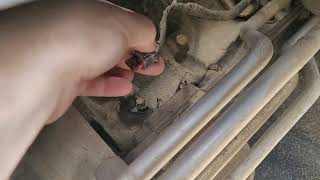
Typical fix: Replace the crankshaft position sensor. 🎬 Watch: Step-by-step crankshaft sensor removal on a 2019 Ram Owners strongly advise using a genuine Mopar part (Part #68477925AB) as aftermarket sensors are known to fail quickly or not work at all.
Est. part cost: $50-$90 (OEM) - Wiring or Connector Issue ⚪ Low Probability The sensor's wiring is located near hot exhaust components and can become brittle, melted, or corroded over time, causing an intermittent connection. The connector pins can also lose tension, creating a poor connection.
How to confirm: Visually inspect the wiring harness from the sensor to the main loom for any signs of melting, chafing, or corrosion. Wiggle the connector and harness with the engine running to see if it triggers a stall or rough running. Perform a continuity test on the wires between the sensor and the PCM.
Typical fix: Repair the damaged section of the wiring harness or clean/replace the connector. Apply dielectric grease to the new connector to prevent future corrosion.
Est. part cost: $5-$50
Rare But Worth Checking
- Damaged Reluctor Wheel: The sensor reads teeth on a reluctor wheel (or tone ring) on the crankshaft. If this wheel is bent, cracked, or has debris on it, it can cause an erratic signal. This is uncommon but can happen, especially if other engine or transmission work has been performed recently.
- Faulty Powertrain Control Module (PCM): While a software update is the most common PCM-related fix, in rare cases the module's internal hardware (input circuit) can fail, requiring replacement. This should only be considered after all other possibilities, including wiring, have been exhaustively tested. A user on RamForum.com went through two PCMs before other issues were found.
Diagnosis Steps
- Check for Technical Service Bulletins (TSBs): This is the most critical first step. Have a dealer check your VIN for applicable software updates related to TSBs #18-020-26 (for 3.6L), #18-076-20 Rev. A (for 5.7L), or other related flashes. If an update is available, perform it before any hardware replacement.
- Scan Tool Live Data: Use a scan tool to monitor the crankshaft position sensor's RPM reading while cranking and running the engine. Watch for any dropouts, erratic readings, or a flat zero reading when the engine is known to be turning. Wiggle the harness during this test to see if you can induce a fault.
- Visual Inspection: Inspect the crankshaft position sensor's wiring harness and connector for any obvious signs of damage, such as melting, chafing, or corrosion. The sensor is located on the passenger side of the engine block, near the back where it meets the transmission.
- Test the Sensor and Circuit: If wiring looks good, test the sensor itself. This is best done with an oscilloscope to view the signal waveform for dropouts. 🎬 Watch: How to diagnose and fix the P0339 code A less precise method is to check its internal resistance with a multimeter. Also, check for 5V reference, ground, and signal at the connector.
- Check the Reluctor Wheel: If the sensor and wiring are good, the next step is to inspect the reluctor wheel for damage. This is more labor-intensive and may require removing the transmission or oil pan for access.
- Crankshaft Position Sensor Relearn: After replacing the sensor, a relearn procedure may be required. Some high-end scan tools have this function, but it often requires the dealer's wiTECH tool. Failure to perform the relearn can cause the code to persist or result in poor performance.
- Test the PCM: If all other components check out, the PCM itself may be faulty. This is rare and should be the last step in diagnosis.
Parts You'll Likely Need
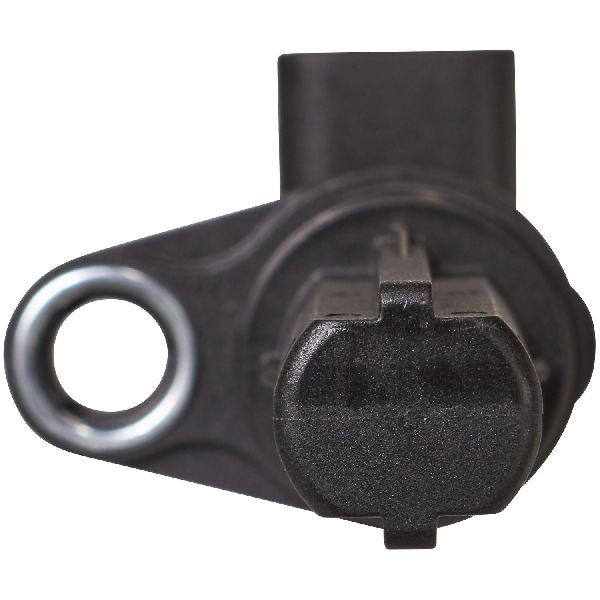
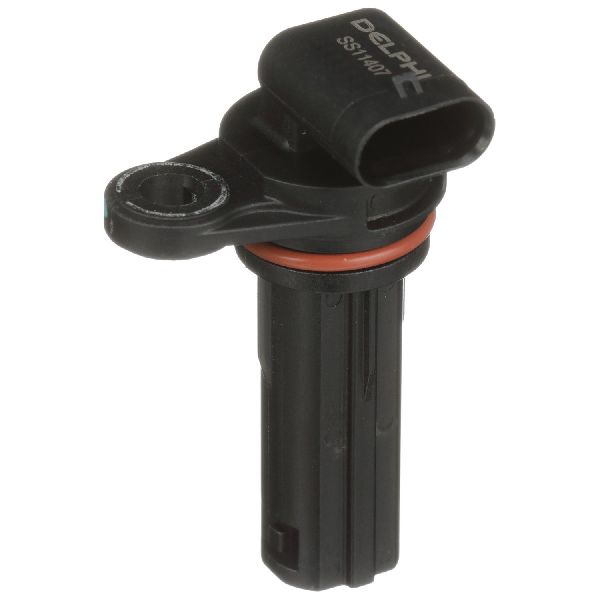
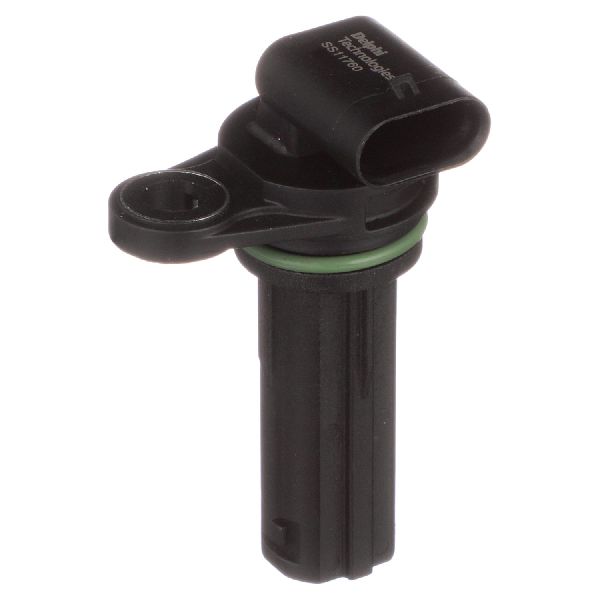
- Crankshaft Position Sensor
(OEM #68477925AB)— This is the component that generates the signal. If it's failing internally, it must be replaced. This is the most common hardware failure for this code after software issues are ruled out. It is strongly recommended to use the OEM Mopar part.
Trusted brands: Mopar (Recommended), NTK, Delphi
OEM price range: $50-$90
Aftermarket price range: $25-$60
Related Codes That Often Appear With This One
- P0335 — P0335 indicates a general failure of the crankshaft position sensor circuit. It's common to see it with P0339 because an intermittent fault (P0339) is a type of circuit failure. TSB 18-076-20 lists both codes as being resolved by the same software update.
- P0300-P0308 — These are random or specific cylinder misfire codes. An incorrect crank signal disrupts ignition and fuel timing, which can lead to misfires. TSB #18-020-26 specifically links P0339 with cylinder misfires on the 3.6L engine 🎬 See how a bad sensor affects the 3.6L engine during cold starts.
- P0456 — This code for a small EVAP system leak is mentioned in TSB #18-076-20 alongside P0339, suggesting the PCM software update addresses multiple unrelated issues at once.
Technical Service Bulletins (TSBs) & Recalls
- 18-020-26: For 3.6
Platform-Specific Known Issues
- A primary issue for 2019-2021 Ram 1500s is the need for a PCM software update to correct the logic for interpreting the crank sensor signal, as documented in multiple TSBs like #18-076-20 Rev. A and #18-020-26.
- The 5.7L eTorque engine is specifically called out in TSB #18-076-20 Rev. A, which also addresses symptoms like a "Ready Not Ready" message in the EVIC and crank-no-start situations related to the P0339 code.
- Owners across multiple forums strongly caution against using aftermarket crankshaft position sensors, reporting that problems often persist or return until a genuine Mopar sensor is installed.
Mechanic-Grade Diagnostic Values
- CKP Sensor 5-Volt Supply Circuit Voltage — expected: Between 4.5 and 5.2 volts with ignition on, engine off.. Failure: Voltage below 4.5V indicates an open or short to ground; voltage above 5.2V indicates a short to voltage.
- CKP Sensor Ground Circuit — expected: Less than 3.0 Ohms of resistance between the sensor connector and the PCM connector.. Failure: Resistance above 3.0 Ohms indicates an open or high resistance in the ground circuit.
- CKP Sensor Signal Circuit (cranking) — expected: A fluctuating AC voltage signal (typically around 200mV or higher) or a clear square wave on an oscilloscope when the engine is cranking.. Failure: A flatline 0V reading or an erratic, inconsistent waveform indicates a failed sensor or wiring issue.
- CKP Sensor Internal Resistance — expected: Generally between 200 to 1000 ohms, but this can vary. This test is less reliable for Hall-effect sensors used in modern Rams.. Failure: A reading of zero ohms (short circuit) or infinite resistance (open circuit).
Scan Tool Commands That Help
- wiTECH (Dealer Tool) or compatible high-end scanner (e.g., Appcar): Cam/Crank Relearn or Crankshaft Position Sensor Relearn — This function is used after replacing the crankshaft position sensor, PCM, or performing major engine work like a timing chain replacement. It synchronizes the sensor with the PCM. While some sources claim it's plug-and-play, performing a relearn is best practice to prevent persistent codes or performance issues.
- wiTECH or advanced scan tool: Live Data > CKP Sensor RPM — During diagnosis, monitor the RPM reading while cranking. A reading of zero or erratic jumping while the engine is audibly turning indicates a problem with the CKP sensor circuit. Wiggling the harness during this test can help identify intermittent connection problems.
Wiring & Ground Locations

- CKP Sensor Harness — The wiring runs from the sensor (passenger side, rear of engine block near transmission bell housing) up towards the main engine harness.. This harness is routed near hot exhaust components and areas of high vibration. It is prone to melting, chafing on the engine block or transmission, or becoming brittle, causing intermittent signal loss.
- Engine Block to Chassis Ground — There are multiple ground straps. A key one runs from the back of the engine block to the firewall/chassis. Others are located from the battery negative terminal to the body and engine.. A poor engine ground can create electrical noise and voltage offsets that interfere with the low-voltage signal from the crankshaft position sensor, causing the PCM to interpret it as an intermittent fault. This is often overlooked.
- CKP Sensor Connector Pinout (Typical 3-wire) — At the sensor itself.. Testing requires knowing the function of each pin: Pin 1 is typically the 5V reference from the PCM, Pin 2 is the sensor ground, and Pin 3 is the signal wire back to the PCM. Verifying voltage and ground at the connector is a key diagnostic step.
Real Owner Repair Stories
- RamForum.com user (4th/5th Gen Ram 1500 with intermittent electrical issues) — Intermittent 'Service Air Suspension' and 'Service Trailer Brake' messages, with traction control light on. While not P0339, the root cause is highly relevant.
❌ Tried (didn't work) Checking all related fuses.
✅ What actually fixed it The user suspected a ground issue. Another user confirmed there are key frame grounds near the air suspension compressor module and by the fuel filler neck that can cause widespread electrical problems when corroded or loose. Cleaning these grounds resolved similar multi-system error messages for other owners. - DodgeForum.com user (2003 Ram 1500 5.7L (Older model, but identical P0339 principle)) — Engine shut off completely while driving, then kicked back on after 20 seconds with check engine light and P0339 code.
❌ Tried (didn't work) Initially considered if the stall caused the code, rather than the code's cause leading to the stall.
✅ What actually fixed it The consensus from senior forum members was that a failing crankshaft position sensor will absolutely cause the PCM to shut down the engine as a protective measure. The fix was to replace the sensor, with a strong recommendation to use an OEM Mopar part and avoid aftermarket brands like Dorman for this specific sensor.
OEM Part Supersession History
68140678AB, 68140678AC→68477925AB— Standard part evolution for improved reliability, material changes, or manufacturing process updates.
Heads up: The newest part number, 68477925AB, is the correct and recommended replacement for the 2019-2021 Ram 1500 with 5.7L HEMI (including eTorque) and other Mopar engines. Using older stock or aftermarket equivalents is not advised.
Helpful Videos
We Have This Part in Stock


The information in this article is provided for general reference and educational purposes only. Vehicle specifications, procedures, and part compatibility can vary by production date, trim level, and region. Always consult your vehicle's factory service manual and verify part numbers before purchasing or performing repairs. Safety-critical components such as airbags, seat belts, and braking systems should be installed by a qualified professional.
- Ram 1500:
- 🎬 Helpful Videos
- 🛍️ Shop This Part
- What's Unique About the 2019-2021 Ram 1500
- Diagnostic Flowchart
- Symptoms You May Notice
- Most Likely Causes
- Rare But Worth Checking
- Diagnosis Steps
- Parts You'll Likely Need
- Related Codes That Often Appear With This One
- Technical Service Bulletins (TSBs) & Recalls
- Platform-Specific Known Issues
- Mechanic-Grade Diagnostic Values
- Scan Tool Commands That Help
- Wiring & Ground Locations
- Real Owner Repair Stories
- OEM Part Supersession History
- 🎟️ Get 5% Off