

P0339 on 2016-2017 Dodge Durango: Crankshaft Sensor Intermittent Causes & Fixes
P0339 on a 2016-2017 Durango usually means the crankshaft position sensor is failing or the PCM software is outdated. This can cause dangerous engine stalling. The most common fixes are a PCM software update from a dealer or replacing the sensor, which is a relatively low-cost part ($20-$90) and a manageable DIY job for many.
- P0339 on a Durango indicates an intermittent signal from the crankshaft sensor, which can cause dangerous engine stalling.
- The most likely cause is a faulty sensor, followed by damaged wiring or an outdated software calibration.
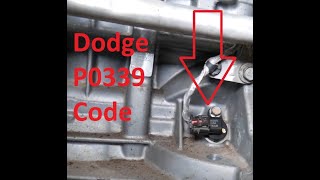
- The sensor is located on the lower passenger side of the engine and is accessible from underneath the vehicle.
- When replacing the sensor, it is highly recommended to use an OEM Mopar part or a reputable aftermarket brand to ensure reliability.
- If you have a 3.6L engine, check with a dealer to see if your vehicle needs the PCM software update mentioned in TSB 18-049-20.
What's Unique About the 2016-2017 Dodge DURANGO
For the 2016-2017 Dodge Durango with the 3.6L engine, Chrysler issued technical service bulletins (TSBs) to address this specific code. The manufacturer released a software update to change the P0339 fault from triggering a check engine light on a single occurrence to requiring two separate driving cycles where the fault is detected. This was done to reduce the likelihood of a false-positive check engine light from a momentary sensor glitch. The TSB also notes that the software update includes improvements to vehicle drivability when a crank sensor MIL is active.
Diagnostic Flowchart
Tap your situation to follow the diagnostic path that matches what you're seeing on this vehicle.
Symptoms You May Notice
- Engine stalling intermittently, often while driving, coming to a stop, or after warming up.
- Difficulty starting the engine, long crank times, or a no-start condition.
- Rough or uneven idle.
- Engine hesitation, stumbling, or bucking during acceleration.
- Check Engine Light is on (may be steady or flashing).
- Malfunctioning tachometer with erratic readings or dropping to zero while the engine is still running.
- Replacing the crankshaft position sensor without first checking if a PCM software update is available, as the TSB is a very common fix.
- Using a cheap aftermarket crankshaft sensor. Many owners report the P0339 code returning until a genuine Mopar sensor is installed.
- Replacing the camshaft position sensor(s) without confirming the fault is with the crankshaft sensor.
- Replacing spark plugs or ignition coils, assuming the stalling is a simple tune-up issue.
- Replacing the fuel pump, as a failing fuel pump can also cause stalling (though it typically presents with different trouble codes).
Most Likely Causes
- Failing Crankshaft Position Sensor 🔴 High Probability The sensor is exposed to significant heat and vibration at the bottom of the engine, causing internal components to degrade over time. Chrysler/Dodge vehicles of this era are known for crankshaft sensor failures, and many owners and mechanics strongly recommend using only OEM Mopar parts, as aftermarket sensors have a reputation for premature failure.
How to confirm: Use a scan tool to monitor RPM while cranking the engine. If the RPM reading drops to zero or becomes erratic while the engine is still turning, the sensor is likely bad. The most definitive test is to observe the sensor's square-wave signal with an oscilloscope for dropouts or malformed waves.
Typical fix: Replace the crankshaft position sensor. It is held by a single 10mm bolt on the passenger side of the engine block, near the transmission bell housing.
Est. part cost: $20-$90 - Damaged Wiring or Connector 🟡 Medium Probability The sensor's wiring harness is routed near hot exhaust components and is subject to engine vibration, which can cause wires to fray, insulation to melt, or the connector to become loose. Oil leaks from higher up on the engine can also seep into the connector and disrupt the signal.
How to confirm: Visually inspect the wiring harness leading to the sensor for any signs of melting, chafing, or corrosion. Unplug the connector and check for corroded pins, moisture, or oil contamination. Wiggle the harness while the engine is running to see if it induces a stall. Check for continuity, power (typically 5V), and ground at the connector with a multimeter.
Typical fix: Repair the damaged section of wire with heat-shrink butt connectors or replace the pigtail connector if it's damaged. Clean the connector terminals with electrical contact cleaner and apply dielectric grease to prevent future corrosion.
Est. part cost: $10-$30 - Outdated PCM Software 🟡 Medium Probability As documented in TSB #18-049-20, the original software calibration for the 3.6L engine was sensitive and could set a P0339 code from a minor, temporary signal loss that didn't affect drivability. This is a very common issue for this platform.
How to confirm: A Dodge dealership or a well-equipped independent shop with a wiTECH scan tool can check the current software version of your PCM and see if the update from TSB #18-049-20 (or a superseding bulletin) is available and has not been performed.
Typical fix: Update the Powertrain Control Module (PCM) to the latest software version. This is typically performed by a dealership and is often the first recommended step before replacing hardware.
Est. part cost: $0-$200
Rare But Worth Checking
- Damaged Reluctor Ring: The crankshaft position sensor reads teeth on a reluctor ring (or tone wheel) mounted on the crankshaft. If this ring is damaged, cracked, or has a bent or broken tooth, it can cause an intermittent signal. This is rare and typically requires significant labor to inspect (often with a borescope through the sensor hole) and replace, as it may involve removing the transmission or oil pan.
- Failing Powertrain Control Module (PCM): In very rare instances, the fault can be with the PCM itself, where the internal circuit responsible for reading the crank sensor signal is failing. This should only be considered after all other possibilities, including the sensor, wiring, and reluctor ring, have been exhaustively ruled out. A user on RamForum.com reported needing a PCM replacement to solve a persistent P0339.
Diagnosis Steps
- Read the trouble codes with an OBD-II scanner. Note all codes present, especially P0335, P0340, P0344, or any misfire codes.
- Contact a Dodge dealer with your VIN to check if TSB #18-049-20 or any other software update for P0339 is open for your vehicle. This should be a primary step before replacing parts.
- Use the scanner's live data feature to monitor engine RPM while cranking or idling. Watch for any sudden drops to zero or erratic readings, which would indicate a signal loss.
- Safely raise the vehicle and locate the crankshaft position sensor on the lower passenger side of the engine, near where it meets the transmission. It is held by a 10mm bolt.
- Visually inspect the sensor's connector and wiring harness for obvious damage, such as melting from the exhaust, chafing, oil contamination, or loose connections.
- Disconnect the sensor. Check the connector terminals for corrosion or oil. Clean as necessary with electrical contact cleaner and apply dielectric grease upon reassembly.
- Use a multimeter to test the circuit at the connector. You should have a power supply wire (typically 5V), a ground wire, and a signal wire. Check for proper voltage and ground.
- If wiring and software are ruled out, the sensor itself is the most likely culprit. Replace it, preferably with a genuine Mopar part.
- For a definitive diagnosis, use an oscilloscope to back-probe the signal wire. A good sensor will produce a clean, consistent square wave pattern. An intermittent sensor will show dropouts or a garbled/malformed pattern, which could also indicate a damaged reluctor ring.
Parts You'll Likely Need
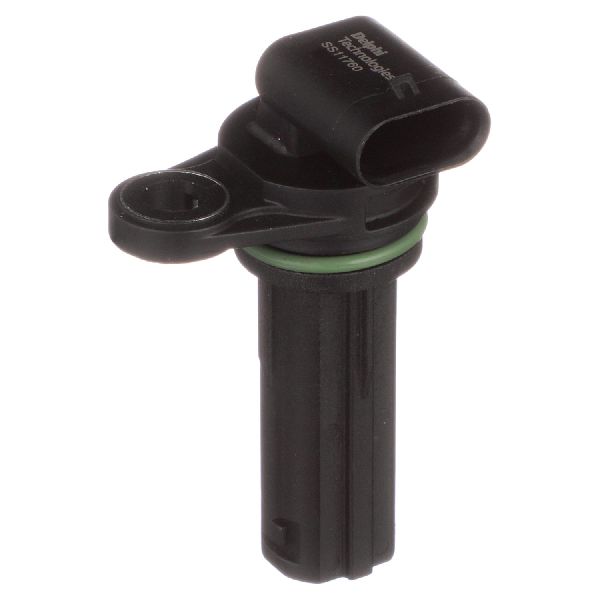
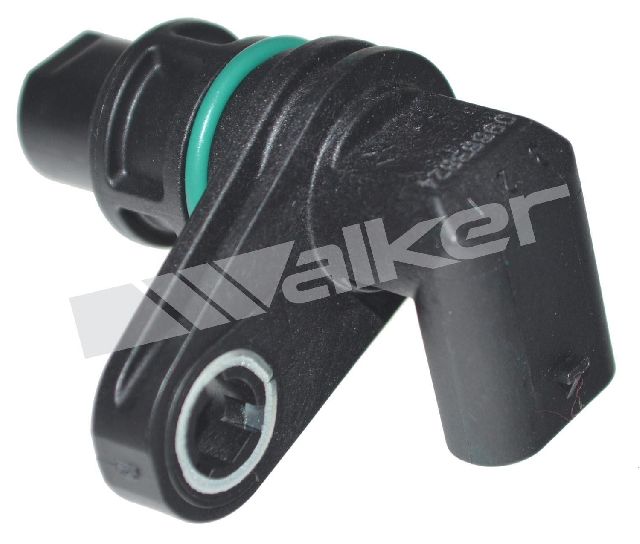
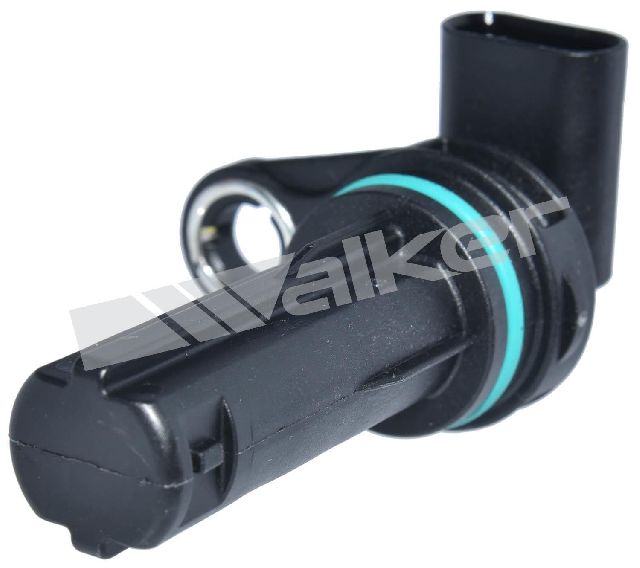
- Crankshaft Position Sensor
(OEM #68079375AD (For 3.6L V6), 68477925AB (For 5.7L V8))— This is the most common hardware failure point for code P0339 due to wear and heat degradation. Using an OEM Mopar part is highly recommended.
Trusted brands: Mopar (OEM - Recommended), Delphi, Hitachi, NTK/NGK
OEM price range: $50-$90
Aftermarket price range: $20-$60
Related Codes That Often Appear With This One
- P0335 — P0335 indicates a general or complete failure of the crankshaft position sensor circuit, while P0339 points specifically to an intermittent problem. They often appear together if the sensor is failing completely or if the PCM software requires an update as per TSB #18-049-20.
- P0340 / P0344 — These codes relate to the camshaft position sensor. Since the cam and crank sensors work together for timing, a fault in one can sometimes cause the PCM to flag an issue with the other. The TSBs for the Durango confirm these codes are often related and addressed by the same software update.
- P0300-P0306 — These are random or specific cylinder misfire codes. An intermittent crank signal provides bad data for ignition timing, which can lead to misfires.
Technical Service Bulletins (TSBs) & Recalls
- 18-049-20: Addresses a PCM software update for 3.0L and 3.6L engines that chang
Platform-Specific Known Issues
- A factory TSB (#18-049-20) was issued for the 3.6L engine to update the PCM software. This changes the code from a one-trip fault to a two-trip fault, making it less likely to be triggered by a minor, non-repeating glitch. It also improves drivability during a MIL event.
- Owners and technicians on forums frequently warn against using aftermarket crankshaft position sensors. Many have reported that the P0339 code returned shortly after installing a non-OEM part, with the issue only being resolved after switching to a genuine Mopar sensor.
Mechanic-Grade Diagnostic Values
- Crankshaft Position Sensor 5V Supply Voltage — expected: 4.5 - 5.2 Volts DC (at sensor connector, key on, engine off). Failure: Voltage below 4.5V or above 5.2V points to a wiring or PCM issue, not the sensor itself.
- Crankshaft Position Sensor Ground Circuit Resistance — expected: Less than 5.0 Ohms (between sensor connector ground pin and a known good chassis ground). Failure: Resistance higher than 5.0 Ohms indicates a poor ground connection, which can cause an unstable signal.
- Crankshaft Position Sensor Internal Resistance — expected: Typically 200 - 900 Ohms (check across sensor terminals when disconnected). Failure: A reading outside this range, or an open/infinite reading (OL), indicates a faulty sensor.
- Scan Tool Live Data - Engine RPM while cranking — expected: 100 - 500 RPM. Failure: A reading of 0 RPM while the engine is physically turning strongly suggests a failed CKP sensor or a complete circuit failure.
Scan Tool Commands That Help
- wiTECH or other advanced scan tool: Crankshaft Position Sensor Relearn / Cam/Crank Relearn — After replacing the crankshaft position sensor, the engine may not start or run correctly. A relearn procedure may be required to synchronize the new sensor with the PCM. Some advanced scan tools have this function, while for other vehicles it may require a specific drive cycle.
Wiring & Ground Locations
- Engine Ground Strap — There are multiple critical grounds, including a strap from the GPEC (PCM) controller to the bracket/front rail and an engine-to-body ground.. A loose or corroded engine or PCM ground can introduce electrical noise or unstable voltage into the crankshaft position sensor circuit, causing intermittent signal dropouts and triggering a P0339 code.
- Crankshaft Sensor Connector — On the passenger side of the engine block, near the transmission bell housing, for both 3.6L and 5.7L engines.. This 3-pin connector contains the 5V supply, ground, and signal wires. It is prone to contamination from oil leaks and heat damage from the nearby exhaust, which can cause intermittent connections.
Real Owner Repair Stories
- DodgeForum.com user post (Dodge truck (specific model not Durango, but same engine behavior)) — Truck started sputtering, especially under acceleration, and the Check Engine Light came on with codes P0300 and P0339.
❌ Tried (didn't work) Initial diagnosis pointed towards either EGR or crankshaft sensor.
✅ What actually fixed it Replacing the crankshaft position sensor resolved the sputtering and cleared both the P0339 and P0300 codes. The user noted the part was ordered from RockAuto and provided pictures of the location on the passenger side of the engine block. - Automotive Test Solutions YouTube Channel (2018 Chrysler 300 with 3.6L Pentastar (shared engine architecture)) — Hard start / extended crank time, with code P0339 present.
❌ Tried (didn't work) Replacing the crankshaft position sensor twice, the second time with a genuine OEM part.
✅ What actually fixed it A technician used a borescope inserted into the crank sensor mounting hole and discovered a single bent tooth on the crankshaft's reluctor wheel. The tooth was carefully bent back into place, which resolved the code.
OEM Part Supersession History
68079375AB, 68079375AC→68079375AD— Standard part revision and improvement by the manufacturer.
Heads up: The newest part number, 68079375AD, is the correct replacement for the previous versions for the 3.6L V6 engine.
Model Year Variations Within This Range
- 2016: For the 2016 model year, the 3.6L V6 in the SXT and Limited trims was rated at 290 or 295 horsepower depending on the specific package.
- 2017: For the 2017 model year, the 'Limited' trim was replaced by the 'GT' trim, which came standard with the 295 horsepower 3.6L V6 engine. One of the TSBs (#1802417) specifically mentions applicability to the "2017 MY Only" for the 3.6L engine, suggesting a potential software or calibration difference unique to that year.
Helpful Videos
We Have This Part in Stock


The information in this article is provided for general reference and educational purposes only. Vehicle specifications, procedures, and part compatibility can vary by production date, trim level, and region. Always consult your vehicle's factory service manual and verify part numbers before purchasing or performing repairs. Safety-critical components such as airbags, seat belts, and braking systems should be installed by a qualified professional.
- Dodge DURANGO:
- 🎬 Helpful Videos
- 🛍️ Shop This Part
- What's Unique About the 2016-2017 Dodge DURANGO
- Diagnostic Flowchart
- Symptoms You May Notice
- Most Likely Causes
- Rare But Worth Checking
- Diagnosis Steps
- Parts You'll Likely Need
- Related Codes That Often Appear With This One
- Technical Service Bulletins (TSBs) & Recalls
- Platform-Specific Known Issues
- Mechanic-Grade Diagnostic Values
- Scan Tool Commands That Help
- Wiring & Ground Locations
- Real Owner Repair Stories
- OEM Part Supersession History
- Model Year Variations Within This Range
- 🎟️ Get 5% Off