

P0339 on 2017-2021 Chrysler Pacifica: Crank Sensor Intermittent Fault Causes & Fixes
P0339 on a Chrysler Pacifica almost always points to a failing crankshaft position sensor or its wiring. The engine may stall, hesitate, or fail to start, often getting worse as the engine warms up. Replacing the sensor is the most common fix, costing around $35-$135 for the part and 1-2 hours of labor.
- P0339 means the crankshaft position sensor signal is intermittent, which can cause stalling or a no-start condition.
- The most likely cause is a faulty crankshaft position sensor.
- The second most likely cause is a damaged wire or connector leading to the sensor.
- Do not ignore this code, as unexpected stalling is a significant safety risk.
- When replacing the sensor, it is recommended to use a high-quality OEM (Mopar) or reputable aftermarket brand part for reliability.
What's Unique About the 2017-2021 Chrysler PACIFICA
The 2017-2021 Pacifica, equipped with the 3.6L Pentastar V6, is part of a vehicle family where intermittent crankshaft sensor codes are well-documented by Chrysler. The manufacturer has released multiple Technical Service Bulletins (TSBs) addressing this specific code, often in conjunction with P0335 (Crankshaft Position Sensor Circuit). One TSB, #18-002-19 REV A, notes that Chrysler changed P0339 from a one-trip to a two-trip fault, likely to reduce instances of the check engine light coming on from minor, non-critical signal glitches. This TSB also involved a PCM software update to improve drivability during a crank sensor malfunction.
Diagnostic Flowchart
Tap your situation to follow the diagnostic path that matches what you're seeing on this vehicle.
Symptoms You May Notice
- Engine stalling intermittently, sometimes while driving or when coming to a stop.
- Stalling becomes more frequent as the engine warms up; may not restart until it cools down.
- Difficulty starting the engine (long crank time).
- Intermittent no-start condition.
- Rough or uneven idling.
- Hesitation or stumbling during acceleration, sometimes feeling like a total loss of power.
- Check Engine Light is on, may flash during severe hesitation.
- Tachometer needle behaves erratically or drops to zero while the engine is still running.
- Replacing the camshaft position sensor instead of the crankshaft position sensor. While they work together, P0339 specifically points to the crankshaft sensor circuit. One owner on a Reddit forum replaced the crank sensor to no effect, only to find the issue was resolved by replacing a camshaft sensor, indicating the codes can sometimes be misleading.
- Replacing the battery or alternator without diagnosing the sensor circuit first. While severe voltage drops can cause sensor issues, it's not the primary cause for P0339.
- Assuming a misfire code (e.g., P0300) is from spark plugs or coils, when the root cause is the intermittent crank signal disrupting timing.
Most Likely Causes
- Failing Crankshaft Position Sensor 🔴 High Probability Heat and vibration in the engine bay cause the sensor's internal electronics and magnet to fail or degrade over time, leading to an intermittent signal that often worsens when hot. This is the most common failure point for P0339 across the entire 3.6L Pentastar engine family.
How to confirm: Use a scan tool to monitor the RPM signal while the engine is running. If the RPM reading drops to zero intermittently or behaves erratically, especially during a stumble or stall, the sensor is likely bad. An oscilloscope provides the most definitive test, showing dropouts in the square wave pattern. Since the problem is intermittent, the fault may not be present during testing; the best confirmation is often testing it while the failure is actively occurring. 🎬 See how to diagnose and fix the P0339 intermittent code.
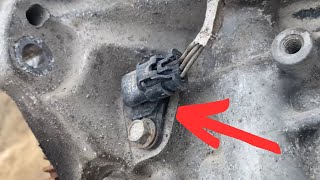
Typical fix: Replace the crankshaft position sensor. It is located on the rear of the engine block, near the transmission bell housing, and is accessed from underneath the vehicle. 🎬 Watch: A detailed walkthrough of the sensor replacement process. It is held in by a single 10mm bolt.
Est. part cost: $35-$135 - Damaged Wiring or Connector 🟡 Medium Probability The wiring harness to the sensor is routed near hot engine and exhaust components, making it susceptible to melting, chafing, or becoming brittle. The connector pins can also become loose or corroded from moisture and vibration, causing a poor connection.
How to confirm: Visually inspect the entire length of the wiring harness from the sensor to the PCM. Check for melted plastic, bare wires, or green corrosion inside the connector. Perform a 'wiggle test' on the harness and connector with the engine running to see if it induces a stall or stumble. Check for continuity on each of the three wires with a multimeter.
Typical fix: Repair the damaged section of the wire or replace the pigtail connector. Ensure the harness is properly secured away from heat sources. In severe cases where damage is extensive, the entire engine harness may need replacement.
Est. part cost: $15-$50
Rare But Worth Checking
- Damaged Reluctor Wheel/Tone Ring: The crankshaft position sensor reads teeth on a wheel (the reluctor wheel) to determine crank speed. If this wheel is damaged, bent, has debris on it, or has a cracked tooth, it can cause an erratic signal. This is uncommon but can happen, especially if other engine or transmission work has been performed recently.
- Failing Powertrain Control Module (PCM): In very rare cases, the fault can be internal to the PCM itself. The circuit that receives and interprets the sensor's signal can fail. This should only be considered after the sensor and wiring have been proven to be good. One owner reported a dealer replacing the PCM after multiple other failed fixes.
- Electromagnetic Interference (EMI): Though rare, strong electrical fields from other components (like a failing alternator or poorly routed spark plug wires) can interfere with the low-voltage signal from the crankshaft sensor, causing intermittent dropouts. A missing or corroded engine ground strap can increase susceptibility to EMI.
Diagnosis Steps
- Read all fault codes stored in the PCM. Note any other codes that are present, especially P0335, P0300, or camshaft sensor codes.
- Perform a thorough visual inspection of the crankshaft position sensor and its wiring harness. Look for any signs of melting, chafing, or corrosion at the connector. Ensure the harness is secured and not touching the exhaust.
- Use a scan tool to monitor live data for engine RPM while cranking and running. Watch for any sudden drops to zero or erratic readings, which would indicate a signal loss. This is most effective if you can replicate the fault (e.g., when the engine is hot).
- If accessing the connector, be aware of the red locking tab. This must be pulled out or slid back before the connector can be squeezed and removed.
- If possible, use an oscilloscope to back-probe the signal wire at the sensor. A good sensor will produce a clean, consistent square wave pattern that changes frequency with engine speed. An intermittent sensor will show dropouts or malformed patterns.
- If the signal is bad at the sensor, test the sensor itself. If the signal is good at the sensor but the code persists, test the wiring for continuity and shorts between the sensor and the PCM.
- If the sensor and wiring are confirmed to be good, the issue may be the reluctor wheel or, in rare cases, the PCM itself.
Parts You'll Likely Need
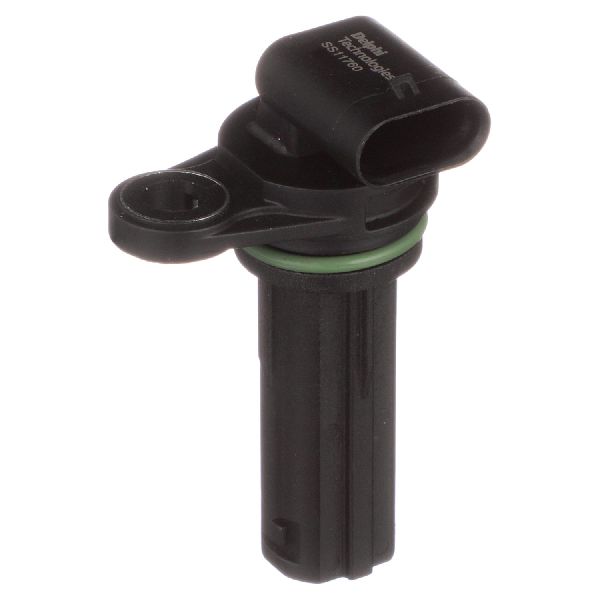
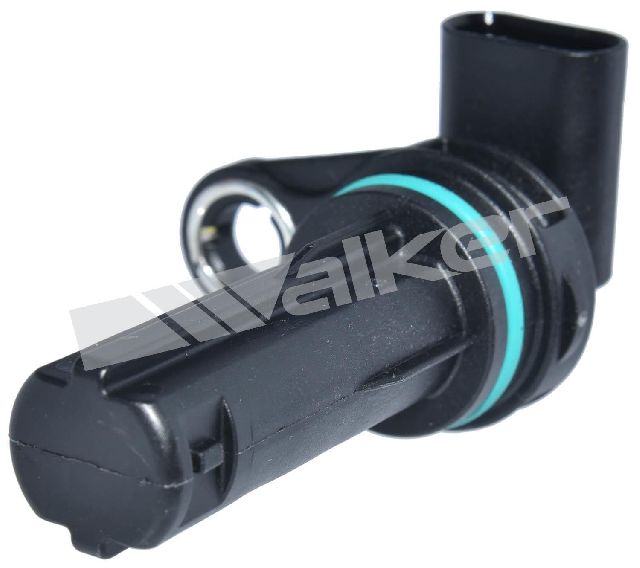
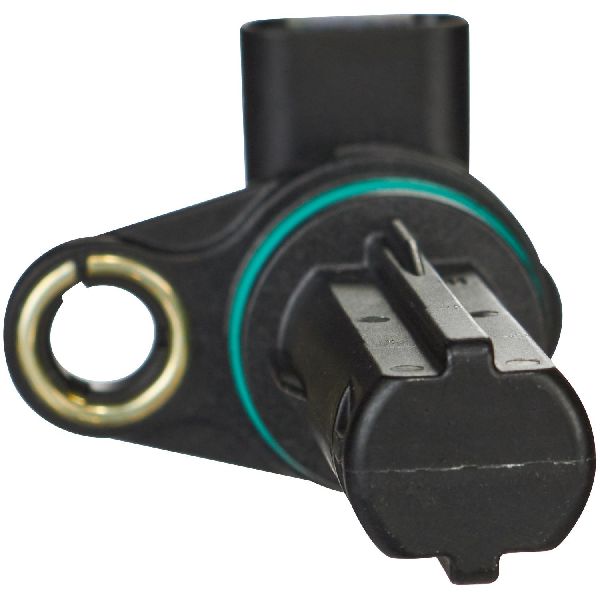
- Crankshaft Position Sensor
(OEM #68243142AB)— This sensor is the most frequent point of failure for the P0339 code due to its electronic nature and exposure to engine heat. There is some evidence from technicians that this part has been redesigned over the years to improve reliability. It is highly recommended to use an OEM Mopar part or a top-tier aftermarket brand like NTK or Delphi.
Trusted brands: Mopar, NTK, Delphi, Standard Motor Products (SMP)
OEM price range: $90-$135
Aftermarket price range: $35-$65
Related Codes That Often Appear With This One
- P0335 — P0335 (Crankshaft Position Sensor Circuit) is a closely related code. P0339 indicates an intermittent signal loss, while P0335 often indicates a more constant or complete failure of the circuit. 🎬 Watch: How to fix the related P0335 crankshaft sensor code. They frequently appear together, as noted in multiple Chrysler TSBs.
- P0340 / P0344 — These codes relate to the camshaft position sensor. Since the cam and crank sensors work together for timing, a fault in one can sometimes lead the PCM to flag an issue with the other. TSB #18-002-19 REV A mentions these codes in the same context as P0339.
- P0300 — This code for 'Random/Multiple Cylinder Misfire' is a common companion to P0339. The intermittent loss of the crankshaft signal prevents the PCM from accurately timing spark and fuel, leading to misfires.
Technical Service Bulletins (TSBs) & Recalls
- 1805022REVA: Mentions P0339 in a list of possible electrical system DTCs.
- 1802123: Notes P0339 can disable misfire monitoring.
- 1802023: Highlights P0339 as a potential DTC related to the power train.
- 1805121: Lists P0339 as a possible electrical system DTC.
- 18-002-19 REV A: States that P0339 was changed from a one-trip to a two-trip fault and included PCM software updates to improve drivability during a sensor failure.
Platform-Specific Known Issues
- Chrysler has issued multiple Technical Service Bulletins (TSBs) that mention P0339 for this vehicle. For example, TSB #1805022REVA and #1805121 list P0339 as a potential code set along with others. TSBs #1802123 and #1802023 explicitly highlight P0339 - Crankshaft Position Sensor Intermittent, noting that it can disable other major monitors like misfire detection.
- TSB #18-002-19 REV A is particularly relevant, as it involved a PCM software update that, in addition to changing P0339 to a two-trip fault, also included 'Improvements to vehicle drivability during a cam sensor and/or crank sensor malfunction'. This indicates Chrysler was aware of the issue and provided a software-level mitigation.
Mechanic-Grade Diagnostic Values
- Crankshaft Position Sensor Supply Voltage — expected: 5 Volts (on the supply wire to the sensor with key on, engine off). Failure: No voltage may indicate a blown fuse or a wiring issue between the PCM and the sensor.
- Crankshaft Position Sensor Signal Voltage — expected: Switches between 0V and 5V as the engine is cranked or running.. Failure: A signal that is stuck high, stuck low, or does not produce a clean, consistent switching pattern when viewed on an oscilloscope indicates a faulty sensor or a problem with the reluctor wheel.
- Crankshaft Position Sensor Resistance — expected: Typically between 200 to 900 ohms, but this can vary. Always consult the specific service manual for the vehicle.. Failure: A reading that is significantly outside the specified range, or an open/infinite reading, suggests the sensor is faulty.
Scan Tool Commands That Help
- wiTECH (Chrysler Dealer Tool) or equivalent professional scan tool: Crankshaft Variation Relearn (also known as CKP Relearn or Crank Angle Relearn) — This procedure is required after replacing the crankshaft position sensor, PCM, flywheel/flexplate, or performing major engine mechanical work. The PCM learns the minor imperfections of the crankshaft reluctor wheel to accurately detect misfires. Failure to perform this relearn can result in a persistent P0315 code (Crankshaft Position Variation Not Learned) and inaccurate misfire detection, which could indirectly lead to other codes if the engine is running poorly.
Wiring & Ground Locations
- Crankshaft Position Sensor Connector — On the rear of the engine block, near the transmission bell housing, passenger side.. This is the primary connection point to check for corrosion, damage, or a loose fit. It has 3 pins: a 5V supply, a sensor ground, and the signal return wire to the PCM.
- Engine Ground Strap — There are multiple ground straps. A key one often connects the engine block or engine mount to the vehicle's chassis/body.. A corroded, loose, or broken ground strap can cause a host of electrical issues, including creating electrical noise (EMI) that can interfere with the sensitive crankshaft sensor signal, leading to an intermittent P0339 code.
- PCM Connector C2 (White/Gray) — The PCM is located in the engine bay, typically near the battery or firewall. It has multiple large connectors.. This is where the crankshaft sensor harness terminates. Testing for signal, power, and ground at these pins can confirm if the wiring harness is intact between the sensor and the PCM. Based on general Chrysler 3.6L pinouts, the CKP signal, 5V supply, and sensor ground would be located here, but a model-year specific diagram is required for exact pin numbers.
Real Owner Repair Stories
- Reddit user 'Worried-Repair-6394' (2017 Chrysler Pacifica) — Van starting issue.
❌ Tried (didn't work) Replacing the crankshaft position sensor did not fix the starting issue.
✅ What actually fixed it Replacing the bank 2 camshaft position sensor resolved the starting problem, though the user later experienced separate misfire issues.
Model Year Variations Within This Range
- 2017-2019 (approx.): TSB #18-002-19 REV A, dated May 2019, changed the P0339 fault logic from a one-trip to a two-trip fault via a PCM software update. This means on updated vehicles, a single intermittent glitch won't immediately trigger the check engine light, requiring the fault to be detected on two separate driving cycles. The update also improved drivability during a sensor failure.
Helpful Videos

We Have This Part in Stock


The information in this article is provided for general reference and educational purposes only. Vehicle specifications, procedures, and part compatibility can vary by production date, trim level, and region. Always consult your vehicle's factory service manual and verify part numbers before purchasing or performing repairs. Safety-critical components such as airbags, seat belts, and braking systems should be installed by a qualified professional.
- Chrysler PACIFICA:
- 🎬 Helpful Videos
- 🛍️ Shop This Part
- What's Unique About the 2017-2021 Chrysler PACIFICA
- Diagnostic Flowchart
- Symptoms You May Notice
- Most Likely Causes
- Rare But Worth Checking
- Diagnosis Steps
- Parts You'll Likely Need
- Related Codes That Often Appear With This One
- Technical Service Bulletins (TSBs) & Recalls
- Platform-Specific Known Issues
- Mechanic-Grade Diagnostic Values
- Scan Tool Commands That Help
- Wiring & Ground Locations
- Real Owner Repair Stories
- Model Year Variations Within This Range
- 🎟️ Get 5% Off