

P0325 on 2003-2008 Honda Pilot: Knock Sensor Circuit Malfunction Causes and Fixes
P0325 on a 2003-2008 Honda Pilot almost always means the knock sensor has failed or its wiring is damaged. The sensor is buried under the intake manifold, making replacement labor-intensive (3-4 hours). A very common cause is rodent damage to the soy-based wiring insulation of the sub-harness. Expect to pay $350-$600+ for a professional repair.
- P0325 on a 2003-2008 Pilot points to an electrical problem with the knock sensor or its wiring, not necessarily a mechanical engine knock.
- The most common causes are a failed sensor or, more frequently, wiring chewed by rodents attracted to the soy-based insulation.
- The repair is labor-intensive (3-4+ hours) because the sensor is buried under the intake manifolds.
- It is critical to replace both the sensor and the sub-harness at the same time and to tighten the new sensor to exactly 23 ft-lbs.
What's Unique About the 2003-2008 Honda Pilot
On the Honda J35A V6 engine, the knock sensor is notoriously difficult to access. It's located deep in the engine valley, underneath the upper and lower intake manifolds. A very common issue on this platform is rodent damage; mice and other pests are known to chew through the knock sensor's sub-harness, which uses soy-based wire insulation that attracts them. This harness is located in the warm, protected engine valley. Because of the significant labor required to reach the sensor, it's crucial to diagnose the problem correctly and use a high-quality replacement part and harness.
Symptoms You May Notice
- Check Engine Light is on
- Reduced engine power and sluggish acceleration
- Decreased fuel economy
- Engine hesitation or jerking
- Audible engine pinging or knocking noises (in some cases)
- Replacing spark plugs or ignition coils. While these can cause performance issues, they do not directly cause a P0325 circuit code. The code specifically points to an electrical fault in the knock sensor circuit, not a general engine misfire or mechanical knock.
Most Likely Causes
- Damaged Wiring or Connector (Rodent Damage) 🔴 High Probability The knock sensor sub-harness is located in the engine valley, a warm, protected area that is a common nesting spot for rodents. The wiring insulation used by Honda in this era is soy-based, which attracts pests who chew through the wires, causing an open or short circuit. This is a very frequent cause of P0325 on this engine.
How to confirm: After removing the upper intake manifold, visually inspect the entire length of the knock sensor sub-harness (a single wire with connectors) for chew marks, breaks, or frayed insulation. Often the damage is obvious once the area is exposed.
Typical fix: Replace the knock sensor sub-harness. It is a short, inexpensive part. Splicing the single wire is possible but replacement is recommended for reliability. Honda has released updated harnesses and also sells a specific rodent-deterrent tape (P/N 4019-2317) treated with capsaicin that can be wrapped around the new harness for extra protection.
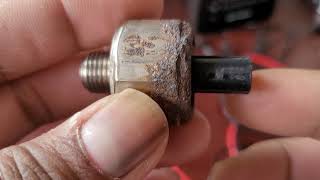
Est. part cost: $25-$50 for a new sub-harness - Failed Knock Sensor 🔴 High Probability After many years and heat cycles deep within the engine valley, the piezoelectric element inside the sensor can crack or fail. The plastic housing becomes brittle and can break, allowing moisture in and causing failure.
How to confirm: After accessing the sensor, test its resistance with a multimeter (should be infinite/open circuit between the pin and the sensor body/ground). A visual inspection may reveal cracks in the sensor body. However, since the labor to access it is so high, it is almost universally recommended to replace the sensor along with the harness regardless of testing.
Typical fix: Replace the knock sensor. This requires removing the upper and lower intake manifolds and fuel rail. It is critical to use a torque wrench and tighten the new sensor to the correct specification, typically 23 ft-lbs (31 Nm), as over-tightening can cause false signals and a repeat code.
Est. part cost: $30-$90
Rare But Worth Checking
- Powertrain Control Module (PCM) Issue: This is very rare. Before suspecting the PCM, all other possibilities (sensor, wiring, connections) must be exhaustively ruled out. Honda has issued TSBs for repeat P0325 codes on other J-series models, indicating they investigate PCM logic and other obscure causes.
Diagnosis Steps
- Confirm the presence of the P0325 code using an OBD-II scanner.
- Check for any Technical Service Bulletins (TSBs). Honda TSB AHM-2-22-16 investigated repeat P0325 codes on J-series engines, suggesting it's a known issue. Additionally, manufacturer TSB Bulletin #A-PAS-09122013-9 notes an investigation into vehicles that return with a repeat P0325 code or engine knock even after the sensor has been replaced.
- Begin disassembly to access the engine valley. This involves removing the engine covers, air intake tube, throttle body (four 12mm bolts/nuts), and upper intake manifold (typically 10mm and 12mm bolts/nuts).
- Once the upper intake is off, carefully inspect the knock sensor sub-harness for any signs of damage, especially from rodents. This is the most likely culprit.
- If wiring is damaged, proceed with replacing the sub-harness. It is also highly recommended to replace the knock sensor at the same time due to the labor involved.
- To replace the sensor, the fuel rail (four 8mm bolts) and lower intake manifold must be removed.
- Use a 24mm deep socket to remove the old knock sensor.
- Install the new knock sensor and tighten it to exactly 23 ft-lbs (31 Nm) using a torque wrench. Over or under-torquing will cause issues.
- Install the new sub-harness, ensuring it is properly routed and connected.
- It is highly recommended to replace the upper and lower intake manifold gaskets during reassembly to prevent vacuum leaks.
- Reassemble all components. Lower intake manifold bolts are torqued in a sequence to 16 ft-lbs. The upper intake manifold bolts are torqued to 16 ft-lbs.
- Reconnect the battery, clear the trouble code with the scanner, and perform a test drive to ensure the code does not return.
Parts You'll Likely Need
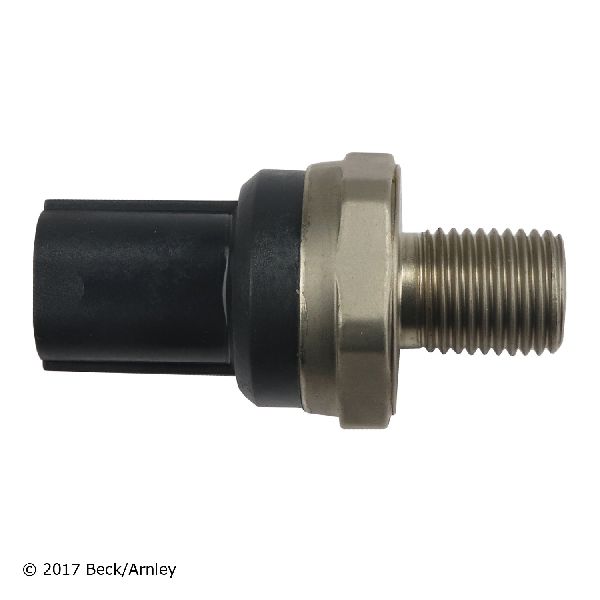
- Knock Sensor
(OEM #30530-P8F-A01)— This is the primary sensor that fails due to heat and age. It's recommended to replace it anytime the intake manifold is removed for this job.
Trusted brands: Honda (OEM), NGK/NTK, Denso
OEM price range: $60-$90
Aftermarket price range: $30-$60 - Knock Sensor Sub-Harness
(OEM #30531-RCA-A01)— This wiring is the most common point of failure due to rodent damage attracted by its soy-based insulation.
Trusted brands: Honda (OEM)
OEM price range: $25-$40
Aftermarket price range: $20-$35 - Intake Manifold Gasket Set
(OEM #17105-P8E-A01 (Lower), 17115-RCA-A01 (Upper))— The upper and lower intake manifolds must be removed for this repair. The old gaskets are crush-style and should not be reused, as they can cause vacuum leaks.
Trusted brands: Honda (OEM), Fel-Pro, Mahle
OEM price range: $40-$60
Aftermarket price range: $20-$40
Technical Service Bulletins (TSBs) & Recalls
- AHM-2-22-16: American Honda investigation into repeat P0325 complaints on 2007-2010 Odyssey models with the J35 engine, indicating a known pattern of issues with this code beyond simple sensor failure.
- TSB Bulletin #A-PAS-09122013-9: This manufacturer bulletin details an investigation into J-series engines that return with repeat P0325 circuit malfunction codes or engine pinging even after a new sensor has been installed.
Platform-Specific Known Issues
- Rodent Damage to Soy-Based Wiring: The location of the sensor and its wiring in the V6 engine valley makes it a prime target for rodents seeking shelter. Honda's use of soy-based wiring insulation during this period is a known attractant for pests, who chew through the wires causing the P0325 circuit code. This is a widely documented problem for this specific engine design and the number one cause for this code.
- Critical Knock Sensor Torque: The knock sensor for the J-series engine is highly sensitive to installation torque. The factory specification is 23 ft-lbs (31 Nm). If the sensor is over-tightened, it can become overly sensitive and generate false knock signals or trigger a code. If under-tightened, it may not detect real detonation. Using a torque wrench is not just recommended, it is critical for a successful repair.
Mechanic-Grade Diagnostic Values
- Knock Sensor Reference Voltage — expected: ~0.03 Volts. Failure: No voltage present at the harness connector (with sensor unplugged) points to a wiring or PCM issue.
- Knock Sensor Continuity to Ground — expected: Infinite resistance / Open circuit (O.L.). Failure: Any continuity or resistance reading between the sensor's electrical pin and its metal body (ground) indicates an internal short. The sensor is bad.
- Knock Sensor Signal Wire Continuity to PCM — expected: Continuity (near 0 ohms). Failure: No continuity (infinite resistance) indicates a break in the wire between the PCM and the knock sensor connector.
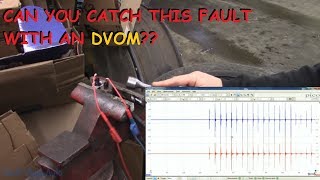
- Knock Sensor AC Voltage Output (Dynamic Test) — expected: A small AC voltage is generated when the engine block is tapped near the sensor.. Failure: No voltage generated when tapping indicates a dead sensor. A noisy or erratic waveform on an oscilloscope can also indicate a failing sensor even if it produces some voltage.
Wiring & Ground Locations
- PCM Connector C, Pin C22 — The Powertrain Control Module (PCM) is typically located behind the right kick panel in the passenger footwell. Connector C is a 31-pin connector.. This is the specific pin on the PCM that receives the signal from the knock sensor. Testing for continuity between this pin and the knock sensor harness connector is the definitive way to verify the wiring is intact.
- Knock Sensor Sub-harness Connector (C161) — Located in the engine valley, near the rear of the intake manifold. It's a single-pin connector that links the main engine harness to the short sub-harness leading to the sensor.. This is the primary disconnection point for testing the sensor and the main harness independently. Damage is common at this connector and the sub-harness itself.
- G101 (Engine Ground) — Located at the rear of the engine, typically on the cylinder head or intake manifold mounting point.. While the knock sensor grounds through the engine block, G101 is the main ground for the PCM and many engine sensors. A poor connection here can introduce electrical noise and cause a variety of phantom codes, though it's not a direct cause of a P0325 circuit fault.
Real Owner Repair Stories
- Honda-Tech Forum User (1999 Honda Civic 1.6L (Similar D-series engine logic)) — Immediate P0325 code after reset.
❌ Tried (didn't work) Replacing the knock sensor., Running a new 'cheater' wire in parallel with the original wire.
✅ What actually fixed it The original wire was shorted to ground somewhere in the harness. The fix was to completely disconnect the old wire at both the ECU and sensor ends and run a new, single wire to bypass the damaged original. - Drive Accord Forums User (2005 Honda Accord 4-cylinder (Similar sub-harness issue)) — Ripped the wire out of the knock sensor connector while replacing the starter.
❌ Tried (didn't work) Attempting to de-pin the connector without success.
✅ What actually fixed it Instead of replacing the entire harness, the user purchased the V6 knock sensor sub-harness (P/N 30531-RCA-A01), cut the new connector and a length of wire off, and spliced it onto the broken original harness using a butt connector. - NHTSA ODI #10649357 — An owner reported that while the replacement part cost is minimal, the labor to address the P0325 code at a dealership can range from $600 to $700, noting that the sensor failing suddenly without warning causes significant hardship.
- NHTSA ODI #11646443 — A driver experienced a check engine light for code P0325 that initially appeared briefly and turned off, only to return several weeks later, indicating an intermittent electrical component malfunction.
OEM Part Supersession History
30531-RCA-A00→30531-RCA-A01— Standard part number revision. No functional difference noted, but the newer part is the current replacement.N/A→4019-2317— This is the part number for Honda's official rodent-deterrent electrical tape. It is treated with capsaicin (hot pepper extract) to discourage chewing. It's not a replacement part but a preventative addition.
Model Year Variations Within This Range
- 2003-2004: These models typically use the J35A4 engine, which produces 240 hp and has a 10.0:1 compression ratio.
- 2005: The 2005 model year introduced the J35A6 engine, which featured a new exhaust system and an electronic throttle body, increasing output to 255 hp. The fundamental location and failure mode of the knock sensor remained the same.
- 2006-2008: These models use the J35A9 (4WD) or J35Z1 engine, which had further refinements but kept the knock sensor in the same V-bank location. The P0325 issue persists across all these engine versions.
Diagnostic Flowchart
Other Known Issues on This Vehicle
Issues unrelated to this code that are worth knowing about as an owner of this generation:
- Automatic Transmission Failure 🔴 High — Very common, especially in the 2003 model year, often occurring around 100,000-125,000 miles. Symptoms include slipping, jerking, and complete failure. (Ref: While numerous complaints exist, widespread recalls for the transmission itself are not noted for this generation, though some related recalls (like for the ignition switch affecting shifting) were issued.)
- Failed Front Engine Mount 🟠 Medium — Common failure item. The hydraulic mount leaks its fluid, causing a visible dark puddle under the front of the vehicle and leading to engine vibration or a 'clunk' on acceleration.
- Worn/Cracked Lower Control Arm Compliance Bushings 🟠 Medium — The large rear bushings on the front lower control arms are known to crack and fail, causing clunking noises over bumps, poor alignment, and uneven tire wear.
- Takata Airbag Inflator Recall 🔴 High — Affects a massive number of Honda vehicles from this era, including the 2008 Pilot. The inflators can rupture, sending metal shrapnel into the cabin. This is a critical safety recall. (Ref: Multiple active recalls. Owners should verify their VIN with Honda or NHTSA immediately.)
- Power Steering Whine 🟡 Low — A common issue where air enters the power steering system due to a failing O-ring on the pump's inlet hose, causing a whining or groaning noise, especially when cold or turning.
Used vs. New Parts: Buying Guide for This Vehicle
When a used part is the smart pick: For this specific repair, using used parts is strongly discouraged. The primary failure points are a wear-and-tear sensor and a wiring harness known for becoming brittle and being damaged by rodents. The labor cost to access these parts is very high, making the risk of a premature failure with a used part a poor economic choice.
What to inspect on the donor part:
- Not applicable. Do not use a used knock sensor or harness for this repair.
OEM-only on this vehicle (don't cheap out):
- Knock Sensor Sub-Harness (30531-RCA-A01)
Aftermarket brands forum-validated for this vehicle:
- NTK (NGK)
- Denso
- Delphi
Brands owners have reported issues with on this vehicle:
- Unnamed, 'white-box' brands from online marketplaces should be avoided due to the high labor cost of a potential repeat repair.
Real Owner Stories
Aggregated from forums and TSBs cited above. Mileages and costs reflect what owners reported in those sources.
2003-2008 Honda Pilot J35A
Symptoms: The owner found chewed wires upon removing the intake manifold after experiencing a P0325 code.
What fixed it: Replacement of the knock sensor sub-harness due to rodent damage.
Source hint: piloteers.org: Multiple threads corroborate that P0325 is a common code and that accessing the sensor requires significant disassembly. They also confirm the high frequency of rodent damage to the wiring harness.
Honda V6 J-Series
Symptoms: P0325 code triggered by damaged wiring insulation.
What fixed it: Replacement of the knock sensor sub-harness; the video explicitly shows chewed wires caused by the soy-based insulation issue.
Source hint: YouTube - 'P0325 Honda V6 J SERIES Knock Sensor REPLACEMENT' by 'Gears and Gasoline'
2003-2008 Honda Pilot
Symptoms: Check Engine Light for knock sensor circuit malfunction.
What fixed it: Replacement of the knock sensor using a 24mm deep socket and tightening to the specific torque of 23 ft-lbs.
Source hint: YouTube - 'How to Replace Knock Sensor 2003-2008 Honda Pilot' by 1A Auto
Related OBD-II Codes
Frequently Asked Questions
Is there a specific Honda TSB regarding the P0325 code for the J-series engine?
Why is my 2003-2008 Honda Pilot prone to rodent damage on the knock sensor wiring?
Is there a specific part to prevent rodents from chewing the knock sensor harness again?
What is the exact torque specification for the knock sensor on the J35A engine?
Do I need to remove the intake manifold to fix P0325 on my Pilot?
Should I replace the gaskets when fixing the knock sensor?
Helpful Videos
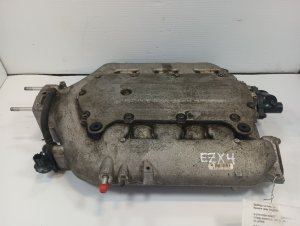
Used OEM Parts in Stock

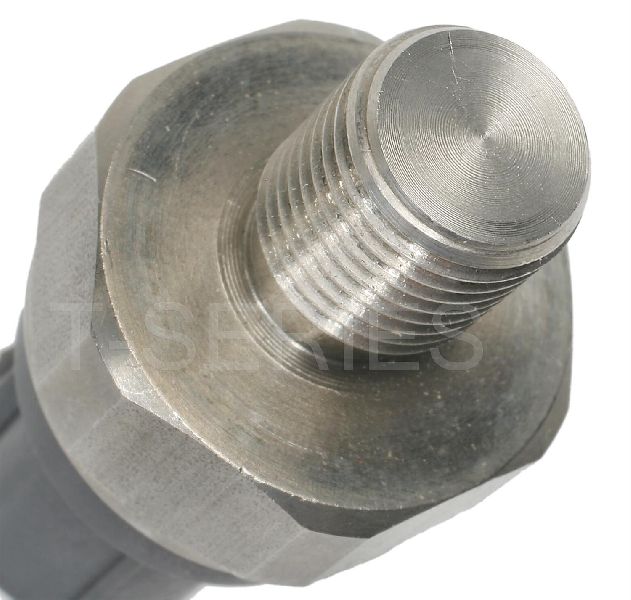
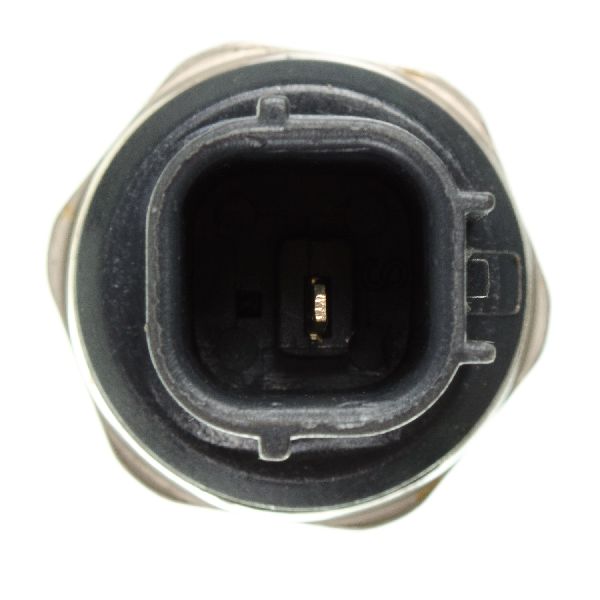
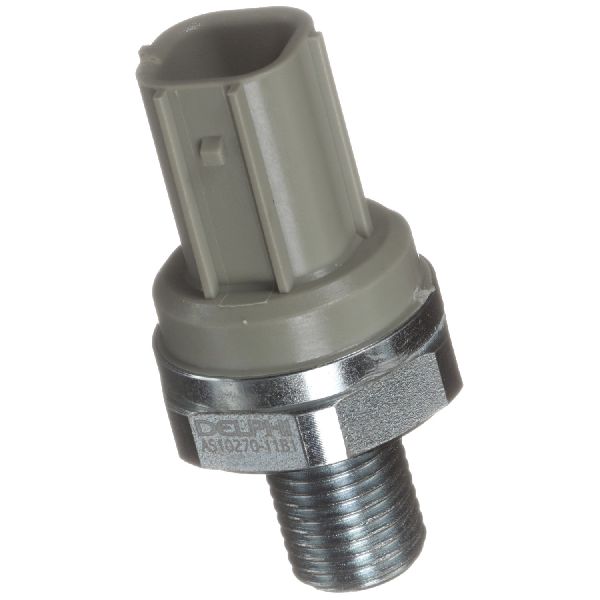
New Aftermarket Parts Available


The information in this article is provided for general reference and educational purposes only. Vehicle specifications, procedures, and part compatibility can vary by production date, trim level, and region. Always consult your vehicle's factory service manual and verify part numbers before purchasing or performing repairs. Safety-critical components such as airbags, seat belts, and braking systems should be installed by a qualified professional.
- Honda Pilot:
- 🎬 Helpful Videos
- 🛍️ Shop This Part
- What's Unique About the 2003-2008 Honda Pilot
- Symptoms You May Notice
- Most Likely Causes
- Rare But Worth Checking
- Diagnosis Steps
- Parts You'll Likely Need
- Technical Service Bulletins (TSBs) & Recalls
- Platform-Specific Known Issues
- Mechanic-Grade Diagnostic Values
- Wiring & Ground Locations
- Real Owner Repair Stories
- OEM Part Supersession History
- Model Year Variations Within This Range
- Diagnostic Flowchart
- Other Known Issues on This Vehicle
- Used vs. New Parts: Buying Guide for This Vehicle
- Real Owner Stories
- 2003-2008 Honda Pilot J35A
- Honda V6 J-Series
- 2003-2008 Honda Pilot
- Related OBD-II Codes
- Frequently Asked Questions
- 🎟️ Get 5% Off