

P0325 on 2012-2018 Ford Focus ST: Knock Sensor Circuit Malfunction Causes and Fixes
For the 2012-2018 Ford Focus ST, code P0325 almost always means the knock sensor has failed or its wiring is damaged. The sensor is located under the intake manifold, making replacement a labor-intensive job. Expect to pay $40-$80 for a new sensor and $300-$500 for professional installation. It is highly recommended to replace the intake manifold gaskets at the same time.
- P0325 on a Focus ST points to an electrical problem with the knock sensor circuit, not necessarily a mechanical engine problem.
- The most likely cause is a failed knock sensor, followed by damaged wiring.
- The biggest challenge of this repair is accessing the sensor, which is located behind the intake manifold.
- Due to the difficult access, DIY repair is challenging and requires significant disassembly. DIY difficulty is rated 4 out of 5.
- Do not ignore the code long-term, as it disables the engine's protection against damaging detonation.
What's Unique About the 2012-2018 Ford Focus
On the Focus ST's 2.0L EcoBoost engine, the knock sensor is notoriously difficult to access, as it is buried deep on the engine block behind the intake manifold. While the provided TSB for a different EcoBoost engine mentions wire chafing, the most common point of failure on the Focus ST is typically the sensor itself due to heat and vibration. A recall for 2013-2014 Focus ST models addressed insufficiently compressed wiring harness splices that could cause erroneous signals and various drivability issues, which could potentially manifest as a P0325 code.
Symptoms You May Notice
- Check Engine Light is on
- Reduced engine power and sluggish acceleration.
- Decreased fuel economy.
- Engine may feel jerky or hesitate.
- Audible engine pinging or knocking (in some cases).
- In rare cases, a transient code can be set by using low-octane fuel combined with high heat and engine load, which may not return after clearing and refueling with high-octane gas.
- Replacing spark plugs or ignition coils to fix a performance issue without first addressing the P0325 code. The performance loss is often due to the PCM's protective timing strategy, not a misfire.
- Assuming the engine has a serious mechanical knock. P0325 specifically points to an electrical fault in the sensor's circuit, not necessarily the presence of actual engine knock.
Most Likely Causes
- Failed Knock Sensor 🔴 High Probability The sensor is located in a high-heat, high-vibration area on the engine block, leading to eventual internal failure. This is the most common cause for this code on the Focus ST.
How to confirm: After gaining access by removing the intake manifold, test the sensor's internal resistance with a multimeter. An open circuit (infinite resistance) or a shorted circuit (near-zero resistance) confirms failure. A specific resistance value for Ford is not consistently published, so comparison to a new sensor or looking for an obvious open/short is the most practical test.
Typical fix: Replace the knock sensor. Due to the difficult access, this is a labor-intensive job that requires removing the intake manifold. It is highly recommended to replace the intake manifold gaskets at the same time to prevent vacuum leaks.
Est. part cost: $40-$85 - Damaged Wiring or Connector 🟡 Medium Probability The wiring harness leading to the sensor is exposed to the same heat and vibration. Wires can become brittle and break, or the connector (C109) can be damaged. A TSB on other Ford EcoBoost engines points to wire chafing as a known issue. [TSB 18-2367] Additionally, TSB 18-2062 for 2012-2014 non-ST Focus models identifies a chafe point near the G103 ground stud, and a recall for 2013-2014 STs was issued for faulty wiring harness splices.
How to confirm: Visually inspect the entire length of the wiring harness from the sensor to the main loom for any signs of melting, chafing, or breaks. Perform a continuity test from the sensor connector to the PCM connector.
Typical fix: Repair the damaged section of wire or replace the connector pigtail. Ensure the harness is properly secured away from heat sources and sharp edges.
Est. part cost: $15-$40
Rare But Worth Checking
- Powertrain Control Module (PCM) Fault: This is extremely rare. The PCM should only be considered as the cause after the sensor and its entire circuit have been tested and confirmed to be in perfect working order.
- Improper Sensor Installation: If the sensor was recently replaced, an incorrect torque value can cause issues. Over-torquing can damage the sensor, while under-torquing can prevent it from detecting vibrations properly. The mounting surface must also be perfectly clean. The torque spec is typically around 15 lb-ft (20 Nm).
- Transient Condition (e.g., Bad Fuel): A Reddit user reported the P0325 code appeared during a long, hot drive after using lower octane fuel. The code did not return after clearing it and refueling with 93 octane. This suggests the PCM may flag a circuit fault under extreme conditions if it receives unexpected knock signals.
Diagnosis Steps
- Scan for Codes: Use an OBD-II scanner to confirm P0325 is present and check for any other related codes.
- Visual Inspection: Inspect the area around the intake manifold for any obvious signs of damaged wiring or loose connectors. The sensor itself is located on the front of the engine block, behind the intake manifold, and is not visible without disassembly.
- Access the Sensor: This is the most difficult step. It requires the removal of the air intake assembly, throttle body, and the entire intake manifold to gain access to the knock sensor and its connector.
- Inspect Connector and Harness: Once accessed, disconnect and inspect the sensor's electrical connector (C109) for corrosion, damage, or loose pins. Carefully check the wiring harness for any signs of heat damage, chafing, or breaks. For 2012-2014 models, pay special attention to the harness near the G103 ground stud for chafing, as noted in TSB 18-2062.
- Test the Sensor: Set a multimeter to measure resistance (Ohms). Disconnect the sensor and measure the resistance between its two pins. A reading of infinite resistance (OL) or near-zero resistance indicates a faulty sensor that needs replacement.
- Test the Circuit: If the sensor tests good, check the wiring harness. Test for continuity on both wires from the sensor connector back to the PCM. Check for any shorts to ground or shorts to power. The PCM will set code P0325 if the signal voltage is less than 0.2V or greater than 4.8V when the engine speed is above 2000 RPM.
- Replace and Reassemble: If the sensor is faulty, replace it. Ensure the mounting surface on the engine block is clean. Torque the new sensor to the manufacturer's specification (typically 15 lb-ft or 20 Nm). Replace the intake manifold gaskets to prevent future vacuum leaks. Reassemble all components in the reverse order of removal.
Parts You'll Likely Need
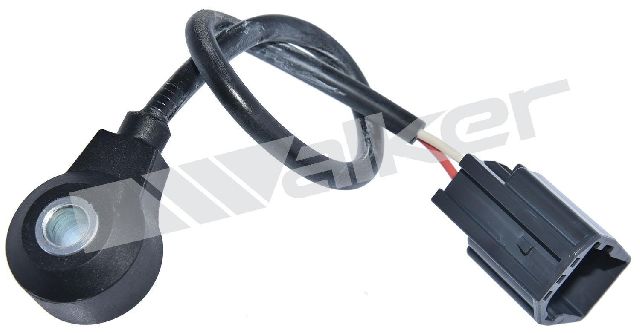
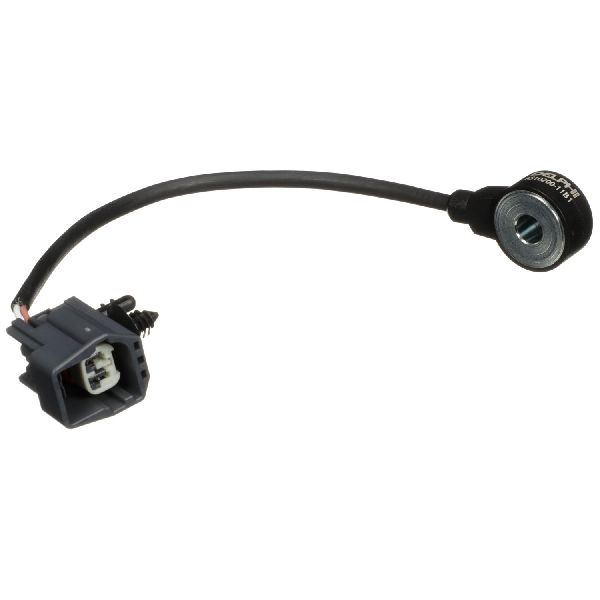
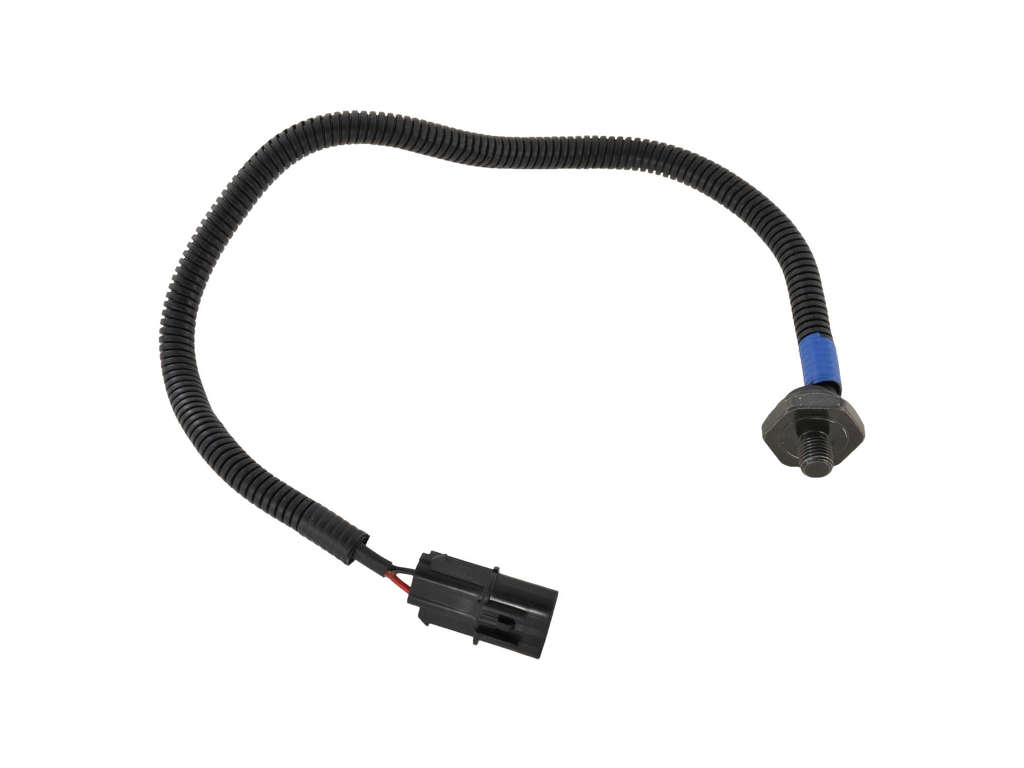
- Engine Knock Sensor
(OEM #BE8Z-12A699-B)— This is the most common failure point for code P0325 on this vehicle due to its location and the stress of heat and vibration. Note: While this part number is widely cited for Ford 1.5L and 1.6L engines, its direct application to the 2.0L EcoBoost ST should be confirmed with a dealer using your VIN.
Trusted brands: Motorcraft, Bosch, NGK/NTK, Delphi
OEM price range: $60-$85
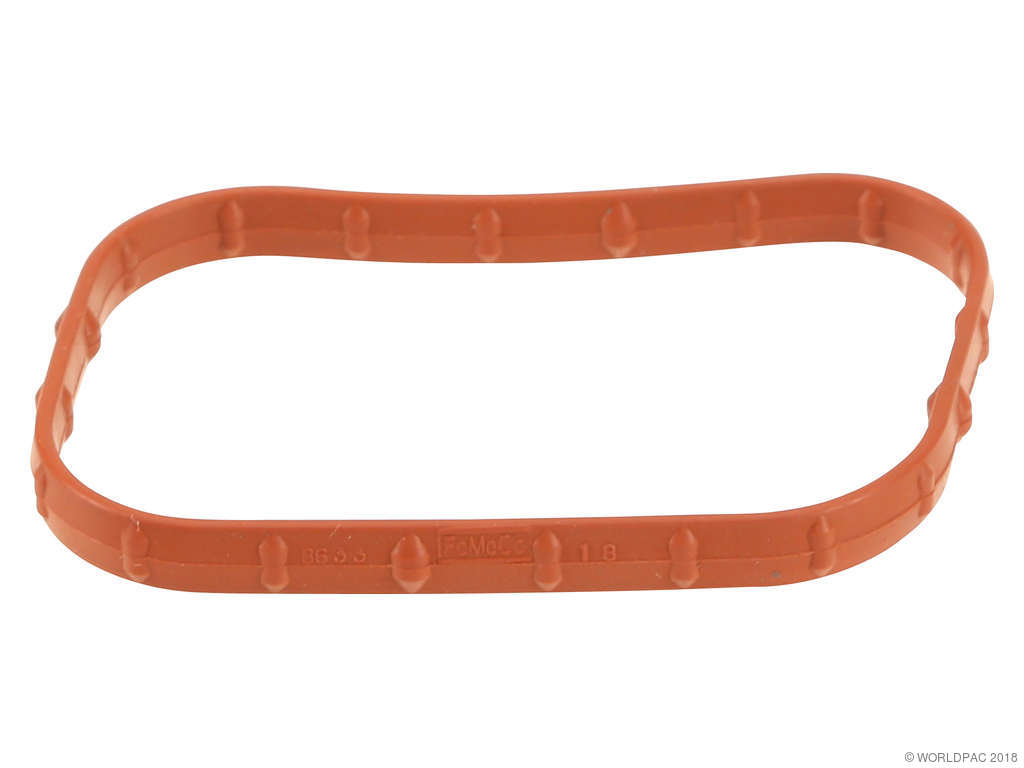
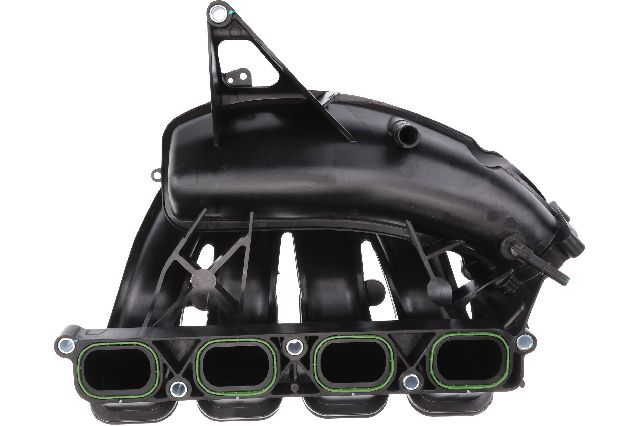
Aftermarket price range: $40-$65 - Intake Manifold Gaskets — These are single-use gaskets that must be replaced whenever the intake manifold is removed to prevent vacuum leaks, which can cause other performance issues.
Trusted brands: Ford/Motorcraft, Fel-Pro, Mahle
OEM price range: $25-$40
Aftermarket price range: $15-$30
Related Codes That Often Appear With This One
- P0330 - Knock Sensor 2 Circuit Malfunction: While the Focus ST 2.0L EcoBoost only has one knock sensor, some platform mates like the Escape 2.0L EcoBoost have two. Seeing both codes often points to a shared wiring issue.
- P0327 - Knock Sensor 1 Circuit Low: This is a more specific version of P0325, indicating the signal voltage is below the expected threshold, often due to a short to ground. The root causes are the same.
Technical Service Bulletins (TSBs) & Recalls
- TSB 18-2367: While for a 3.5L EcoBoost Explorer, it notes that DTCs including P0325 can be caused by a wire chafe condition near the knock sensor connector, suggesting a potential pattern for Ford's EcoBoost engine family.
- TSB 18-2062: Specific to 2012-2014 non-ST Focus models, this TSB identifies a wiring harness chafe point near the G103 ground stud that can cause an open/short in the knock sensor circuit, triggering P0325. While not for the ST, it highlights a known issue with harness routing on the Focus platform.
Platform-Specific Known Issues
- The primary issue for the Focus ST is the difficult location of the knock sensor, which is on the front of the engine block, tucked behind the intake manifold. This placement significantly increases the labor time and cost of replacement compared to many other vehicles. DIY replacement requires significant disassembly, including the intake manifold.
- A wiring harness recall for 2013-2014 models and a TSB for non-ST models (TSB 18-2062) indicate a vulnerability to wiring issues in the engine bay on this platform, which can directly cause a P0325 code.
Mechanic-Grade Diagnostic Values
- PCM Knock Sensor Circuit Voltage (Fault Trigger) — expected: Between 0.2V and 4.8V (with engine speed > 2000 RPM). Failure: A voltage reading less than 0.2V or more than 4.8V will set the P0325 code, indicating a short or open circuit.
- Knock Sensor Bolt Torque — expected: 15 lb-ft (20 Nm). Failure: Over-torquing can damage the sensor; under-torquing can prevent it from detecting knock properly.
Wiring & Ground Locations
- G103 — Left front of motor compartment / left side of engine compartment.. TSB 18-2062 for the non-ST Focus identifies a wiring harness chafe point near this ground stud that can cause an open/short in the knock sensor circuit, triggering P0325. While the TSB is not for the ST, the shared platform makes this a critical inspection point.
- C109 — On the engine block, connecting to the knock sensor itself. It is located behind/under the intake manifold.. This is the direct electrical connector for the knock sensor. It is exposed to high heat and vibration, making it a potential point of failure due to corrosion, damaged pins, or a broken locking tab. TSB 18-2367 on another EcoBoost engine specifically mentions this connector area as a chafe point. [TSB 18-2367]
Real Owner Repair Stories
- go-parts.com Knowledge Center (2012 Ford Focus 2.0L GDI (non-ST)) — Check engine light with code P0325.
✅ What actually fixed it Replacing the knock sensor resolved the code. The story confirmed the difficult location under the intake manifold.
OEM Part Supersession History
E3AZ-12A699-A→Part Discontinued— Older part number for various Ford vehicles from the 80s and 90s.
Heads up: This part is not for the 2012-2018 Focus.BE8Z-12A699-B→Current— This is the widely listed part for 1.5L and 1.6L EcoBoost engines in vehicles like the Escape, Fusion, and Fiesta.
Heads up: While often associated with the Focus platform, its direct fitment for the 2.0L EcoBoost ST engine is not explicitly confirmed in parts catalogs, which primarily list it for the 1.5L/1.6L engines. Always confirm the correct part number with a dealer using the vehicle's VIN before purchase.1S7A-12A699-BB→Unknown— This part number is seen in used parts listings for the 2.0L EcoBoost engine.
Heads up: This may be an earlier or alternative part number for the 2.0L EcoBoost knock sensor. Its compatibility should be verified.
Model Year Variations Within This Range
- 2013-2014: These are pre-facelift models. A safety recall was issued for faulty wiring harness splices on some of these vehicles, which could cause a P0325 code. They also have different exterior styling (front/rear fascias, headlights) and interior controls compared to later models.
- 2015-2018: These are facelift models with revised exterior and interior styling, including a different steering wheel and the introduction of SYNC 3 infotainment in later years. The engine and transmission remained the same, but Ford revised the steering and suspension. The wiring harness splice issue from the recall was presumably resolved for these model years.
Diagnostic Flowchart
Other Known Issues on This Vehicle
Issues unrelated to this code that are worth knowing about as an owner of this generation:
- EVAP System Purge Valve Failure 🔴 High — Very common across all model years. Can occur at any mileage. (Ref: NHTSA Recall 18V735 / Ford 18S32. Symptoms include rough idle after refueling, stalling, and potential fuel tank deformation.)
- Intake Valve Carbon Buildup 🟠 Medium — Common issue for all GDI engines, typically needing attention every 50k-70k miles. (Ref: null. Symptoms include misfires, rough idle, and loss of power. Cleaning requires intake manifold removal (walnut blasting is the preferred method).)
- Low-Speed Pre-Ignition (LSPI) 🔴 High — A risk inherent to small displacement, turbocharged GDI engines. Avoided by not applying heavy throttle load at low RPM in high gears (e.g., flooring it in 5th/6th gear below 3000 RPM). (Ref: null)
- Manual Transmission Synchronizer Failure 🟠 Medium — Noted by some owners, particularly on earlier models or modified cars. Leads to grinding or difficult shifts. (Ref: null. Upgraded aftermarket synchronizers are available.)
- Cracked Cylinder Head 🟡 Low — Less common, but a known potential failure where the integrated exhaust manifold ('headifold') can crack, often near the turbo flange. (Ref: null. Can cause coolant loss or exhaust leaks.)
- Wiring Harness Chafing (Pre-Facelift) 🟠 Medium — More common on pre-2015 models, can cause stalling and fluctuating RPMs. A recall was issued in the US. (Ref: US recall was issued; some vehicles repaired under warranty.)
Used vs. New Parts: Buying Guide for This Vehicle
When a used part is the smart pick: It is strongly NOT recommended to use a used knock sensor for this repair. The labor to access the sensor by removing the intake manifold is significant and costly. The risk of a used sensor failing prematurely far outweighs the small cost savings over a new part. A used part should only be considered for the wiring harness pigtail if a new one is unavailable.
Donor-vehicle mileage cap: roughly under 30000 miles for the part to have meaningful remaining life.
What to inspect on the donor part:
- For a wiring pigtail: ensure the plastic is not brittle, the locking tab is intact, and there is no corrosion on the pins.
- Verify the donor vehicle was not in a front-end collision that could have stressed the engine wiring.
- Check for any signs of rodent damage or melting on the donor harness.
OEM-only on this vehicle (don't cheap out):
- Engine Knock Sensor
Aftermarket brands forum-validated for this vehicle:
- Motorcraft (OEM)
- Bosch
- NGK/NTK
- Delphi
Brands owners have reported issues with on this vehicle:
- Unnamed, no-brand 'white box' parts from online marketplaces. Given the high labor cost, using a part of unknown quality is a significant risk.
Real Owner Stories
Aggregated from forums and TSBs cited above. Mileages and costs reflect what owners reported in those sources.
2013-2014 Ford Focus ST 2.0L EcoBoost
Symptoms: The owner experienced a P0325 code after a long drive using lower octane fuel (not 91). The car felt sluggish.
What fixed it: Cleared the code and refueled with 93 octane gas; the issue did not return.
Source hint: reddit.com/r/FocusST - Thread 'P0325 KNOCK SENSOR' by u/nutsackGadgets
2011 Ford Focus 1.6 Ti-VCT
Symptoms: The vehicle suffered from stalling and a significant lack of power along with the P0325 error code.
What fixed it: Diagnosis confirmed the issue was related to the knock sensor system, noting this specific engine uses two sensors.
Source hint: fordownersclub.com - Thread 'error code p0325'
2012-2018 Ford Focus ST 2.0L EcoBoost — 336000 miles
Symptoms: While not specifically for a failed sensor, the owner detailed the labor-intensive process of removing the intake manifold, which is required to reach the knock sensor.
What fixed it: Performed intake manifold removal to clean carbon buildup and replaced the PCV valve and manifold gaskets.
Source hint: reddit.com/r/FocusST - Thread 'Just hit 336k miles, please check and clean your intake valves!'
Related OBD-II Codes
Frequently Asked Questions
Does TSB 18-2062 apply to my 2014 Ford Focus ST?
Is there a recall for the wiring issues causing P0325 on the Focus ST?
Can using low-octane gas cause a P0325 code on my EcoBoost engine?
Where is the knock sensor located on the 2.0L EcoBoost engine?
What else should I replace while fixing the knock sensor?
What are the specific voltage thresholds that trigger P0325 on this Ford?
Helpful Videos
Used OEM Parts in Stock


New Aftermarket Parts Available


The information in this article is provided for general reference and educational purposes only. Vehicle specifications, procedures, and part compatibility can vary by production date, trim level, and region. Always consult your vehicle's factory service manual and verify part numbers before purchasing or performing repairs. Safety-critical components such as airbags, seat belts, and braking systems should be installed by a qualified professional.
- Ford Focus:
- 🎬 Helpful Videos
- 🛍️ Shop This Part
- What's Unique About the 2012-2018 Ford Focus
- Symptoms You May Notice
- Most Likely Causes
- Rare But Worth Checking
- Diagnosis Steps
- Parts You'll Likely Need
- Related Codes That Often Appear With This One
- Technical Service Bulletins (TSBs) & Recalls
- Platform-Specific Known Issues
- Mechanic-Grade Diagnostic Values
- Wiring & Ground Locations
- Real Owner Repair Stories
- OEM Part Supersession History
- Model Year Variations Within This Range
- Diagnostic Flowchart
- Other Known Issues on This Vehicle
- Used vs. New Parts: Buying Guide for This Vehicle
- Real Owner Stories
- 2013-2014 Ford Focus ST 2.0L EcoBoost
- 2011 Ford Focus 1.6 Ti-VCT
- 2012-2018 Ford Focus ST 2.0L EcoBoost — 336000 miles
- Related OBD-II Codes
- Frequently Asked Questions
- 🎟️ Get 5% Off