

P0324 on 2013-2017 Chevrolet Malibu: Knock Control System Error Fixes
This code indicates a general error in the knock control system. On the Malibu, this is often caused by loose intake manifold bolts creating a vacuum leak and abnormal engine operation, or a failing water pump creating vibrations mistaken for knock. Check for these issues before replacing the knock sensor itself. Torquing the intake bolts to 108 in-lbs is the most common fix.
- For a 2013-2017 Malibu, P0324 is often a symptom, not the root cause.
- Before buying any parts, check for the two most common vehicle-specific causes: loose intake manifold bolts (TSB #PIP5529B) and a noisy water pump (TSB #21-NA-030).
- If many other codes (like P0171, P0101, P0106) are present, the intake manifold bolts are the most likely culprit.
- Do not replace the knock sensor unless these more common, platform-specific issues have been ruled out.
What's Unique About the 2013-2017 Chevrolet MALIBU

On this generation of Chevrolet Malibu and its platform mates, the P0324 code is frequently a symptom of other issues rather than a primary knock sensor failure. GM issued a Technical Service Bulletin (TSB PIP5529B) linking P0324 with a group of other codes caused by loose intake manifold bolts, leading to unmetered air and erratic engine performance. Another TSB (21-NA-030) points to failing water pumps creating vibrations that the ECM misinterprets as engine knock. A third TSB (PIP5251B) notes that even noisy hydraulic lifters after a long sit can trigger this code. These platform-specific issues mean that simply replacing the knock sensor is often the wrong first step.
🎬 See this guide on common P0324 causes and repair steps.Diagnostic Flowchart
Tap your situation to follow the diagnostic path that matches what you're seeing on this vehicle.
Generation note: The 2013-2017 range covers two generations of the Malibu. The 8th generation ran from 2013-2016 (with the '2016 Malibu Limited' being a continuation of the 8th gen), and the 9th generation began in 2016. The TSB regarding loose intake manifold bolts (PIP5529B) specifically covers this entire 2013-2017 model year range and the LCV, LKW, and LTG engines used across them, indicating this is a persistent issue across both generations.
Symptoms You May Notice
- Check Engine Light is on
- Audible engine knocking or pinging, especially during acceleration
- Reduced engine power and performance
- Hesitation during acceleration
- Decreased fuel economy
- Rough or fluctuating idle
- Replacing the knock sensor immediately. On this vehicle, external mechanical issues (loose intake, bad water pump, noisy lifters) are a more likely cause of P0324 than the sensor itself. The sensor is often just accurately reporting vibrations caused by another failing or loose part.
Most Likely Causes


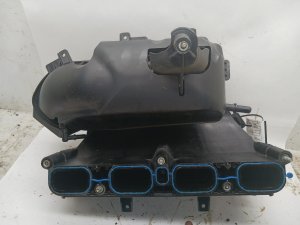
- Loose Intake Manifold Bolts 🔴 High Probability As identified in GM TSB #PIP5529B, the intake manifold bolts on the 2.0L and 2.5L engines can loosen over time, creating a vacuum leak that causes a host of drivability issues and triggers numerous codes, including P0324. Owners have reported bolts being so loose they required multiple full turns to tighten.
How to confirm: Check for a multitude of codes alongside P0324 (see 'Often Seen With Codes' section). Physically inspect the intake manifold bolts to see if they can be turned easily. A smoke test is the definitive way to confirm a leak.
Typical fix: Remove one bolt at a time, apply medium-strength threadlocker, and torque all bolts to 108 in-lbs (12 Nm) in the correct sequence. The intake gasket usually does not need to be replaced unless it is visibly damaged.
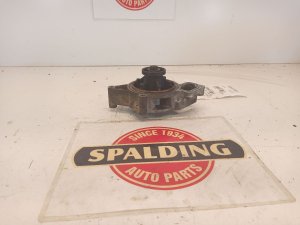
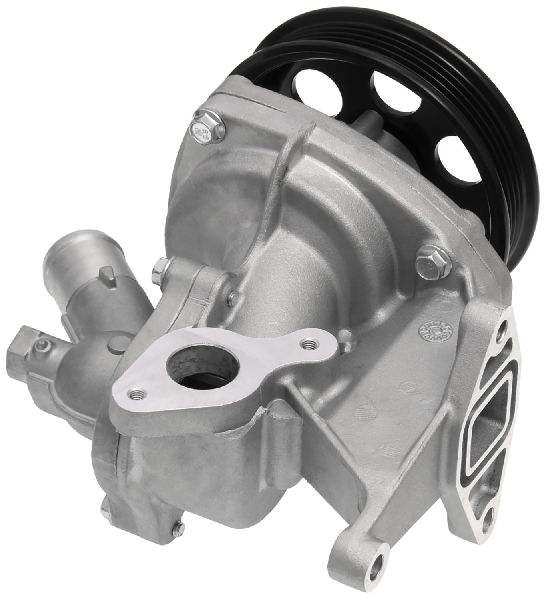
Est. part cost: $5-$15 for threadlocker - Failing Water Pump 🟡 Medium Probability GM TSB #21-NA-030 (which supersedes PIP5545C) notes that a failing water pump can create noise and vibration. The knock sensor, being highly sensitive, can pick up this noise and interpret it as engine knock, triggering a P0324 code.
How to confirm: Listen to the water pump with a mechanic's stethoscope for unusual grinding or squeaking noises. With the engine running, use a scan tool to monitor knock retard. Then, carefully remove the serpentine belt and run the engine briefly. If the knock retard value drops significantly or the noise disappears, the noise is coming from a belt-driven accessory, most likely the water pump.
Typical fix: Replace the water pump and serpentine belt.
Est. part cost: $80-$250 - Faulty Knock Sensor ⚪ Low Probability
How to confirm: After ruling out external vibrations and wiring issues, test the sensor's resistance with a multimeter. Compare the reading to the specifications in the service manual. A typical resistance range is 100-1000 ohms. This should be one of the last steps due to the high probability of other causes on this platform.
Typical fix: Replace the knock sensor. On the 2.5L engine, it is located on the engine block, beneath the intake manifold.
Est. part cost: $40-$100 - Wiring or Connector Issues ⚪ Low Probability
How to confirm: Visually inspect the wiring harness leading to the knock sensor for any signs of damage, melting, corrosion, or loose connections at the connector. Corrosion inside the connector is a known issue.
Typical fix: Repair the damaged section of the harness or replace the connector pigtail.
Est. part cost: $15-$40
Rare But Worth Checking
- Spongy Hydraulic Lash Adjusters (Lifters): Per GM TSB #PIP5251B, if a vehicle has been sitting for an extended period, the hydraulic lifters can bleed down and become 'spongy,' creating a ticking or rattling noise. The ECM may misinterpret this noise as detonation and set a P0324. The recommended procedure is to let the engine idle for up to an hour, with periodic revs to 2000 RPM, to allow the lifters to pump back up with oil before pursuing other repairs.
- Faulty Engine Control Module (ECM): This is very rare. The ECM should only be considered after all other possibilities, including sensors, wiring, and all known mechanical issues, have been thoroughly exhausted.
Diagnosis Steps

- Scan for all DTCs. Note if any other codes, especially those listed in TSB #PIP5529B (P0068, P0101, P0106, P0171, P0506), are present.
- If multiple codes related to air/fuel mixture are present, the first step is to inspect the intake manifold bolts for looseness. Attempt to tighten them; if they turn easily, this is the likely cause. Torque to 108 in-lbs (12 Nm).
- If the vehicle has been sitting for a long time and makes a ticking noise, follow the procedure in TSB #PIP5251B: idle the engine for up to an hour to allow hydraulic lifters to fill with oil before proceeding.
- Listen to the front of the engine for any squeaking or grinding noises. Pay close attention to the water pump area.
- If a noise is present, use a stethoscope to isolate it. Use a scan tool to monitor knock retard, then remove the serpentine belt and see if the knock retard signal disappears. If it does, a belt-driven accessory (likely the water pump) is the cause.
- If no other codes or noises are present, perform a thorough visual inspection of the knock sensor and its wiring harness. Look for damage, corrosion, or loose connections.
- If the wiring is intact, test the knock sensor's resistance with a multimeter and compare it to the service manual specifications. A good sensor should typically read between 100-1000 ohms.
- Only after all these steps have been exhausted should you consider a potential ECM issue.
Parts You'll Likely Need
- Threadlocker — Required for the most common fix: securing loose intake manifold bolts as per TSB #PIP5529B.
Trusted brands: Loctite, Permatex
Aftermarket price range: $10-$15 - Water Pump
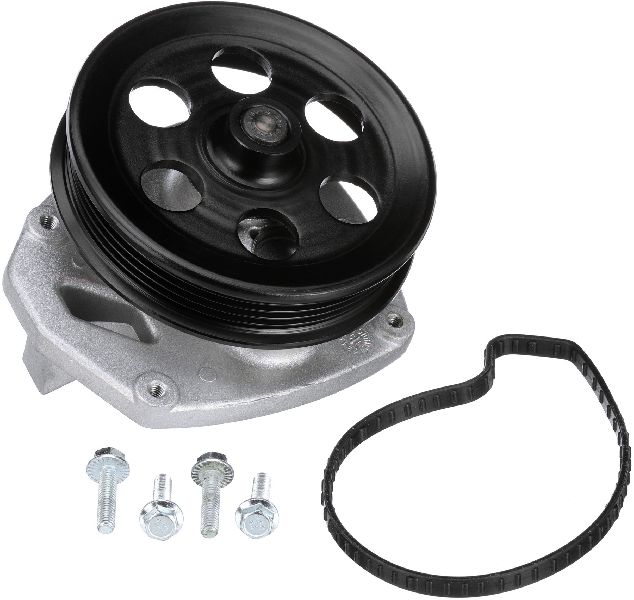
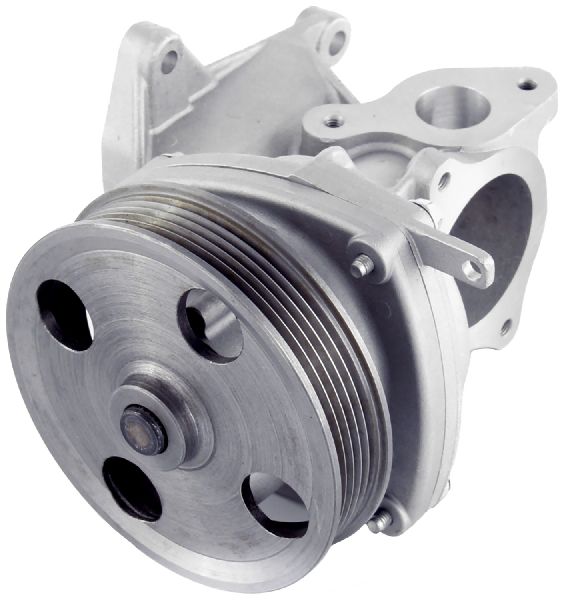
(OEM #ACDelco 251-781, ACDelco 252-1009)— A failing water pump can create vibrations that are misread as engine knock, a known issue on GM vehicles covered by TSB #21-NA-030.
Trusted brands: ACDelco, Gates, Bosch
OEM price range: $150-$250
Aftermarket price range: $80-$160 - Knock Sensor
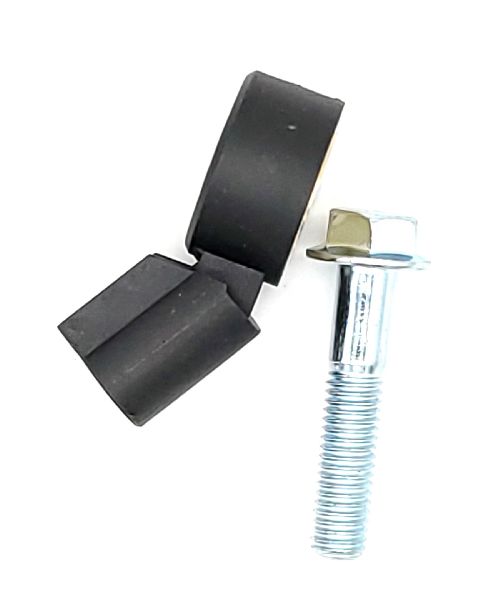
(OEM #GM 12623095)— If the sensor itself has failed, which is less common than other causes on this vehicle, it will need to be replaced.
Trusted brands: ACDelco (GM Genuine), Delphi, NGK/NTK
OEM price range: $40-$70
Aftermarket price range: $25-$50 - Intake Manifold Gasket
(OEM #GM 12627910 (for 2.5L LCV engine))— Rarely needed, but may be required if the original gasket is damaged or leaking after re-torquing the loose intake manifold bolts.
Trusted brands: ACDelco, Fel-Pro
OEM price range: $40-$70
Aftermarket price range: $20-$50
Related Codes That Often Appear With This One
- P0068 — MAP/MAF - Throttle Position Correlation. Often set with P0324 due to loose intake manifold bolts causing a vacuum leak.
- P0101 — Mass Air Flow (MAF) Circuit Range/Performance. Often set with P0324 due to loose intake manifold bolts causing a vacuum leak.
- P0106 — Manifold Absolute Pressure (MAP) / Barometric Pressure Circuit Range/Performance. Often set with P0324 due to loose intake manifold bolts causing a vacuum leak.
- P0171 — System Too Lean (Bank 1). A vacuum leak from loose intake manifold bolts allows unmetered air into the engine, creating a lean condition.
- P0506 — Idle Air Control System RPM Lower Than Expected. The engine's idle speed can be affected by the vacuum leak from loose intake manifold bolts.
- P0326 — Knock Sensor 1 Circuit Range/Performance. This is another knock-related code that can be triggered by the same underlying issues.
Technical Service Bulletins (TSBs) & Recalls
- PIP5529B: Stall Hesitation P0068 P0101 P0106 P0131 P0137 P0171 P0324 P0326 P0331 P0506 CV LKW LTG Loose Intake Manifold Bolts
- 21-NA-030: Engine Noise and/or Belt Squeak, MIL Illuminated – DTC P0324 Set
- PIP5251B: Malfunction Indicator Lamp Illuminated With DTC P0324 And / Or Spark Knock (Detonation) Type Noise
Platform-Specific Known Issues
- TSB #PIP5529B: Loose Intake Manifold Bolts: Documents an issue where loose intake manifold bolts cause a vacuum leak, leading to a combination of DTCs including P0324, P0068, P0101, P0106, P0171, and P0506. The official fix is to remove one bolt at a time, apply medium-strength threadlocker, and re-torque all bolts in sequence to 108 in-lbs (12 Nm).
- TSB #21-NA-030: Noisy Water Pump: Identifies that a noisy water pump can create vibrations that the ECM interprets as engine knock, setting code P0324. Diagnosis involves listening with a stethoscope and confirming by removing the serpentine belt to see if the noise and knock retard signal on a scan tool disappear.
- TSB #PIP5251B: Spongy Hydraulic Lifters: Notes that after a vehicle sits for an extended time, hydraulic lash adjusters (lifters) can bleed down and create a ticking/rattling noise on startup. The ECM can mistake this for detonation and set a P0324. The fix is to idle the engine for up to an hour to allow the lifters to re-pressurize with oil.
Mechanic-Grade Diagnostic Values
- Knock Sensor Resistance — expected: 100–1000 ohms. Failure: An open or shorted reading indicates a faulty sensor.
- Knock Sensor Voltage (Live Data) — expected: 0.5–1.0V at idle, rising to 1.0–4.0V under load.. Failure: Persistently low or flat voltage suggests a sensor or circuit issue.
- Knock Sensor Signal Circuit Voltage Drop (Key On, Engine Off) — expected: Approximately 2.5V DC when back-probed at the sensor connector.. Failure: Significant deviation from 2.5V (e.g., above 3V or below 1V) points to a faulty sensor or circuit problem.
Scan Tool Commands That Help
- GDS2 (GM Dealer Scanner): Monitor Knock Retard (Bank to Bank) — Used to diagnose noise from belt-driven accessories as per TSB #21-NA-030. A significant change in knock retard values after removing the serpentine belt points to a noisy accessory (like a water pump) as the root cause, not engine detonation.
Wiring & Ground Locations

- Engine Block Ground — The main battery ground cable typically attaches to the engine block, often near the starter motor. There are also smaller ground wires on the engine; on the 3.6L, for example, one is on the back side of the cylinder head.. A poor engine ground can introduce electrical noise and cause incorrect readings from sensitive sensors like the knock sensor. Ensuring the main engine-to-chassis ground is clean and tight is a crucial step in diagnosing any sensor circuit fault.
- Knock Sensor Connector — Connects directly to the knock sensor, which is located on the engine block under the intake manifold.. The 2-wire connector and its pigtail are susceptible to heat damage, corrosion, and brittleness over time, which can cause an intermittent or failed signal, triggering P0324.
Real Owner Repair Stories
- chevymalibuforum.com user reports (2015 Chevrolet Malibu 2.5L) — Check Engine Light with codes P0171, P0106, and P0324.
❌ Tried (didn't work) Initial diagnosis pointed towards various sensors due to the multiple codes.
✅ What actually fixed it The user found GM TSB #PIP5529B, checked the intake manifold bolts, and found them to be very loose. After torquing the bolts to the specified 108 in-lbs, all three codes were resolved.
OEM Part Supersession History
Unknown→12623095— Standard part evolution and consolidation for various GM models.
Heads up: GM Part #12623095 is the specified OEM knock sensor for the 2013-2017 Malibu with the 2.5L LCV and other applicable engines. Using non-OEM or budget sensors may lead to incorrect voltage outputs and failure to resolve the code.
Helpful Videos
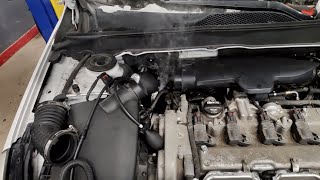
![How to Fix P0324 Engine Code in 2 Minutes [1 DIY Method / Only $10.99]](https://img.youtube.com/vi/wkXpTfgZ7Bs/mqdefault.jpg)

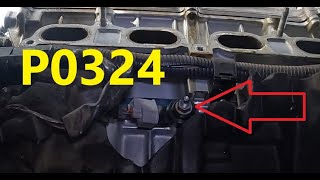
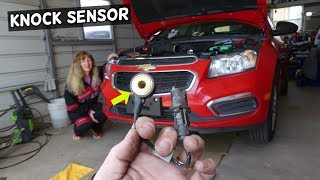
Used OEM Parts in Stock


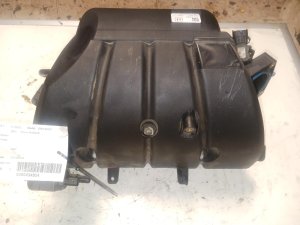
New Aftermarket Parts Available


The information in this article is provided for general reference and educational purposes only. Vehicle specifications, procedures, and part compatibility can vary by production date, trim level, and region. Always consult your vehicle's factory service manual and verify part numbers before purchasing or performing repairs. Safety-critical components such as airbags, seat belts, and braking systems should be installed by a qualified professional.
- Chevrolet MALIBU:
- 🎬 Helpful Videos
- 🛍️ Shop This Part
- What's Unique About the 2013-2017 Chevrolet MALIBU
- Diagnostic Flowchart
- Symptoms You May Notice
- Most Likely Causes
- Rare But Worth Checking
- Diagnosis Steps
- Parts You'll Likely Need
- Related Codes That Often Appear With This One
- Technical Service Bulletins (TSBs) & Recalls
- Platform-Specific Known Issues
- Mechanic-Grade Diagnostic Values
- Scan Tool Commands That Help
- Wiring & Ground Locations
- Real Owner Repair Stories
- OEM Part Supersession History
- 🎟️ Get 5% Off