

P0316 on 2010-2017 Land Rover Range Rover: Startup Misfire Causes & Fixes
Code P0316 on a 2010-2017 Range Rover means a misfire was detected right after starting the engine. The most common causes are worn-out spark plugs or failing ignition coils. A more platform-specific issue, especially on the 5.0L V8, is a leaking fuel injector causing a rich misfire on startup. A full set of plugs and coils can cost between $250 and $700, depending on the engine and parts chosen.
- P0316 means your Range Rover misfired right after being started.
- This code is almost always paired with another code (P0301-P0308) that tells you which cylinder to check.
- The most likely cause is a bad ignition coil or a worn spark plug in the cylinder identified by the accompanying code.
- Do not ignore a flashing Check Engine Light, as it signals a severe misfire that can quickly damage expensive catalytic converters.
- For 2013-2015 models, a simple software update at the dealer might be the fix if the misfire only happens on cold starts.
What's Unique About the 2010-2017 Land Rover RANGE ROVER

The 2010-2017 Range Rover, with its powerful 5.0L V8 and 3.0L Supercharged V6 engines, is sensitive to ignition and fuel system health. A Land Rover Technical Service Bulletin (LTB00409NAS3) specifically notes that poor fuel quality can cause this code by clogging fuel injectors. Another TSB (LTB01023NAS1) points to a potential fuel injection calibration issue on some 2013-2015 models that can cause cold start misfires, requiring a software update. A very common real-world failure reported by owners on forums for the 5.0L V8 is a leaking fuel injector, which allows fuel to pool in a cylinder overnight, causing a rich misfire and P0316 upon the next cold start.
Diagnostic Flowchart

Tap your situation to follow the diagnostic path that matches what you're seeing on this vehicle.
Generation note: This range covers two Range Rover generations: the L322 (2010-2012) and the L405 (2013-2017). The L322 in this period primarily used 5.0L V8 engines (naturally aspirated and supercharged). The L405 introduced the 3.0L Supercharged V6 alongside the 5.0L Supercharged V8. While the causes of P0316 are similar across these engines, part numbers for ignition and fuel components will differ. For example, the ignition coil for the 2010-2013 5.0L V8 is often part number LR010687, while the 2014+ V6 and V8 models use LR035548.
Symptoms You May Notice

- Check Engine Light is on or flashing
- Rough idle, especially on a cold start
- Engine stumbling or hesitating on acceleration
- Reduced engine power and 'Restricted Performance' message on the dash
- Noticeable engine shaking or vibration
- Smell of unburnt fuel from the exhaust
- Replacing only one spark plug or coil when others are near the end of their service life, leading to another misfire code shortly after.
- Replacing oxygen sensors, which are more likely to report a problem as a result of the misfire, not be the cause of it.
- Assuming a spark/coil issue on a 5.0L V8 when a leaking fuel injector is a very common cause for a startup-specific misfire.
Most Likely Causes

- Worn Spark Plugs or Failing Ignition Coils 🔴 High Probability The high-compression and forced-induction engines in the Range Rover place significant stress on ignition components, leading to a typical service life of 60,000-90,000 miles. Oil leaks from valve cover gaskets can also contaminate the coils and cause premature failure.
How to confirm: If a specific cylinder misfire code (e.g., P0306) is present, swap the ignition coil from that cylinder with one from a known good cylinder. Clear the codes and run the engine. If the misfire code moves to the new cylinder, the ignition coil is faulty. If the misfire remains, the spark plug is the next most likely culprit. A visual inspection of the pulled spark plug can also reveal issues like oil fouling or excessive wear.
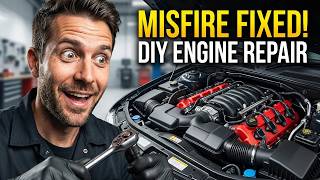
Typical fix: Replace the faulty ignition coil or, more commonly, replace all spark plugs and ignition coils as a set to ensure longevity and performance. A DIY video for a similar Ford V8 engine shows the general process. 🎬 Watch: Step-by-step spark plug, coil, and PCV replacement guide.
Est. part cost: $200-$700 - Faulty or Leaking Fuel Injectors 🔴 High Probability Direct injection systems are sensitive to fuel quality and deposits. TSB LTB00409NAS3 directly links misfire codes to poor fuel quality or contamination leading to clogged fuel injectors. More frequently, owners of the 5.0L V8 report injectors leaking fuel into a cylinder after shutdown. This creates a rich condition on startup, fouling the spark plug and causing P0316.
How to confirm: After ruling out the ignition system, a leaking injector is a prime suspect. A technician can perform a fuel injector balance test. A common DIY method discussed in forums is to pull the spark plugs after the vehicle has sat overnight to see if one is wet with fuel. A professional diagnosis may involve monitoring fuel rail pressure bleed-down after shutdown.
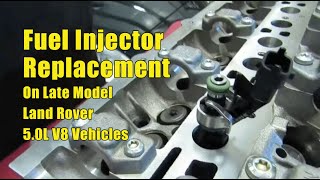
Typical fix: Replace the faulty fuel injector(s). Many owners and shops recommend replacing all injectors on the affected bank (or all 8) at the same time due to the labor involved and the high likelihood of subsequent failures. 🎬 See this overview of fuel injectors for Land Rover V8s.
Est. part cost: $70-$200 per injector - Poor Fuel Quality or Low Fuel Pressure ⚪ Low Probability As noted in TSB LTB00409NAS3, these engines can be sensitive to contaminated or low-octane fuel, leading to misfires. One owner on landroverforums.com noted the issue appeared immediately after refueling.
How to confirm: If the issue appeared immediately after refueling, contaminated fuel is a strong possibility. A technician can test the fuel pressure to check for a weak fuel pump or failing fuel pressure regulator. The low-pressure system should show around 65-79 PSI after warmup.
Typical fix: If fuel is contaminated, the tank may need to be drained and refilled with high-quality, premium-grade fuel. A failing fuel pump would require replacement.
Est. part cost: $200-$800 for a fuel pump - Engine Control Module (ECM) Calibration Issue ⚪ Low Probability TSB LTB01023NAS1 was issued for 2013-2015 models with the 3.0L V6 and 5.0L V8 engines for a cold start misfire caused by a fuel injection calibration issue.
How to confirm: A Land Rover dealership or qualified independent shop can check the vehicle's software version against the TSB. The issue only occurs on cold starts when coolant temperature is below 75°C (167°F).
Typical fix: The ECM needs to be reprogrammed with updated software by a dealership or authorized technician with access to the SDD diagnostic tool.
Est. part cost: $0 (if under warranty) - $250
Rare But Worth Checking
- Vacuum Leaks: A leak in a vacuum hose or intake manifold gasket can introduce unmetered air, leaning out the air/fuel mixture and causing a misfire, especially at idle. On the 5.0L engine, the intake manifold gaskets are a known potential leak point.
- Low Engine Compression: Internal mechanical issues like a worn piston ring, a leaking valve, or a failed head gasket can cause a persistent misfire in a specific cylinder. A compression test or leak-down test can diagnose this. One forum user reported oil on the spark plug threads, pointing towards a potential piston ring or valve seal issue as the root cause for their misfire.
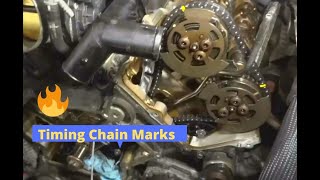
- Timing Chain Issues: On higher-mileage 5.0L V8 engines, worn timing chain guides or a failing tensioner can cause the camshaft timing to jump, leading to misfires and rattling noises. This is a significant mechanical issue often accompanied by other timing-related codes and noises from the front of the engine. 🎬 Watch: Complete timing chain replacement walkthrough for the L405.
Diagnosis Steps
- Read all diagnostic trouble codes using an OBD-II scanner. Note any codes accompanying P0316, especially P0301-P0308, and check for any pending TSBs.
- If a specific cylinder is identified (e.g., P0302), swap the ignition coil with a coil from a different cylinder (e.g., P0304).
- Clear the codes and start the engine. If the code changes to the new cylinder (P0304), the ignition coil is bad and should be replaced.
- If the misfire code does not move, perform the same swap test with the spark plug.
- If the misfire still persists on the original cylinder (especially on the 5.0L V8), strongly suspect a faulty or leaking fuel injector. Let the vehicle sit overnight, then pull the spark plug from the misfiring cylinder to check for wetness from fuel.
- If no specific cylinder is identified (P0300), inspect all spark plugs for wear, fouling, or damage. Check for common vacuum leaks around the intake manifold and PCV system.
- Consider the possibility of poor fuel quality, especially if the problem started after refueling.
- If ignition and fuel delivery seem correct, a mechanical issue is possible. Perform an engine compression test and a cylinder leak-down test to check the health of each cylinder.
Parts You'll Likely Need
- Ignition Coil
(OEM #LR010687 (for 2010-2013 5.0L V8), LR035548 (for 2014+ 3.0L V6/5.0L V8))— Ignition coils are a primary failure point for misfire codes. They generate the high voltage needed to create a spark.
Trusted brands: Bosch, Delphi, Bremi
OEM price range: $60-$115
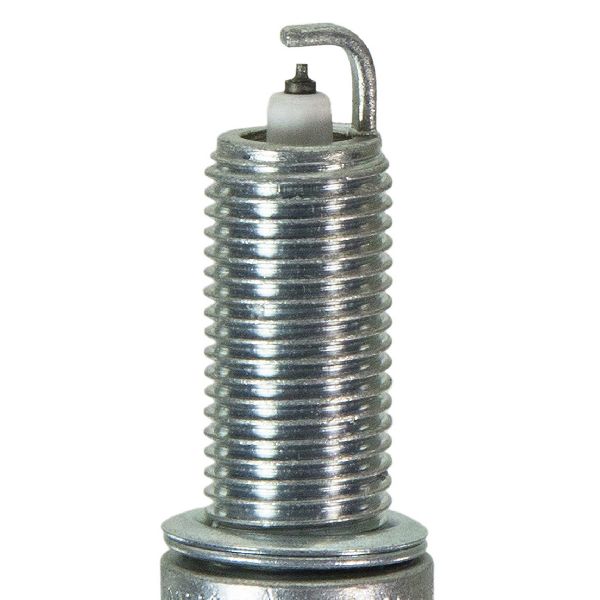
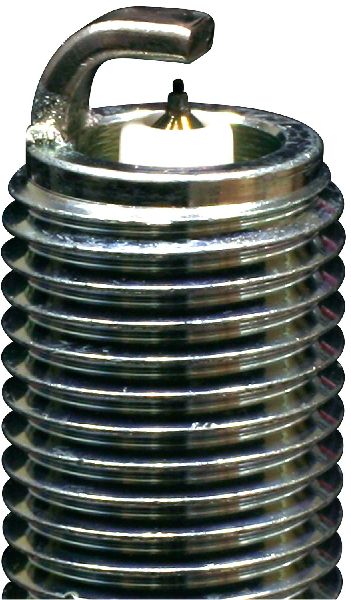
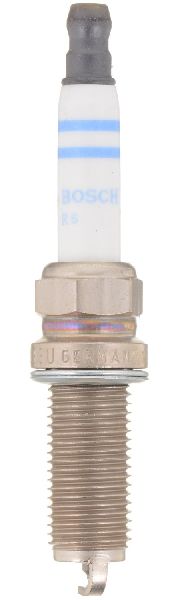
Aftermarket price range: $30-$60 - Spark Plug — Spark plugs are a routine maintenance item and wear out over time, leading to a weak spark and misfires.
Trusted brands: NGK, Bosch, Denso
OEM price range: $15-$25
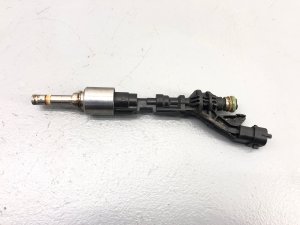
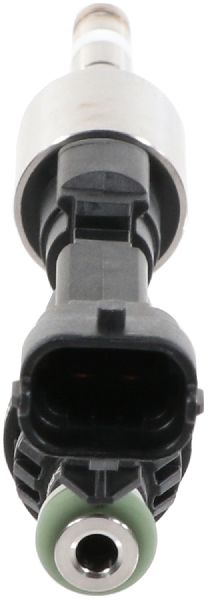
Aftermarket price range: $8-$18 - Fuel Injector
(OEM #LR079542 / LR105439)— A common failure on the 5.0L V8, injectors can leak fuel into the cylinder after shutdown, causing a rich misfire on startup.
Trusted brands: Bosch
OEM price range: $85-$150
Aftermarket price range: $50-$90
Related Codes That Often Appear With This One
- P0300 — This indicates a random/multiple cylinder misfire, often set alongside P0316 when the issue is not isolated to a single cylinder.
- P0301-P0308 — These codes specify which cylinder is misfiring (e.g., P0301 for Cylinder 1, P0306 for Cylinder 6). P0316 tells you the misfire happened at startup, and the P030x code tells you where.
- P0171/P0174 — These codes indicate a lean condition on Bank 1 or Bank 2. A vacuum leak or a clogged fuel injector could cause both a lean condition and a misfire.
Technical Service Bulletins (TSBs) & Recalls
- LTB00409NAS3: Addresses misfires (P0301-P0308, P0316) caused by poor fuel quality or contamination leading to clogged injectors.
- LTB01023NAS1: For 2013-2015 models, addresses cold start misfires with a recommended ECM software update.
- SSM73378: Although for the 2.0L engine in the Evoque/Discovery Sport, it details a specific diagnostic procedure for P0316 involving monitoring misfire counts on a cold-soaked engine, showing JLR's diagnostic approach.
Platform-Specific Known Issues
- TSB LTB00409NAS3 highlights that poor fuel quality or fuel contamination can clog injectors and cause P0316 along with P0301-P0308. The TSB specifies this action should only be taken if other causes are ruled out.
- TSB LTB01023NAS1 addresses a cold start misfire on 2013-2015 models (3.0L V6/5.0L V8) that can be fixed with an ECM software update.
- Leaking fuel injectors on the 5.0L V8 are a widely-reported cause of P0316. Fuel drips into the cylinder overnight, causing a very rich mixture on the first startup, which fouls the plug and causes a misfire until the excess fuel is cleared.
Mechanic-Grade Diagnostic Values
- High-Pressure Fuel Rail Pressure (5.0L V8) — expected: Approx. 2,000 PSI on cold start, settling to ~500 PSI at warm idle. Should rise back to ~2,000 PSI when held at 3,000 RPM.. Failure: Significantly lower pressure readings can indicate a failing high-pressure fuel pump.
- Low-Pressure Fuel System Pressure (5.0L V8) — expected: Primes to ~105 PSI with key-on-engine-off. Should read ~79 PSI after warm-up at idle.. Failure: Readings consistently below 65 PSI suggest a weak low-pressure fuel pump or a faulty fuel pump driver module.
- Fuel Injector Resistance (5.0L V8) — expected: Approximately 12.8-14.2 Ohms.. Failure: A reading outside this range indicates a faulty injector coil winding.
- VVT Solenoid Resistance (5.0L V8) — expected: 8.5 ohms ± 0.5 ohms.. Failure: A reading outside this range suggests a failed solenoid.
Hidden / Shadow Codes Worth Checking
- P0316-00: The '-00' is a Failure Type Code (FTC) or sub-code that specifies the general nature of the fault. While it doesn't drastically change the meaning of P0316, it confirms the fault type and is used in official JLR diagnostic procedures. (see via Jaguar Land Rover SDD (Symptom Driven Diagnostics) or Pathfinder diagnostic software.)
- Mode 6, Test ID $81, Component ID $01-$08: This data, accessible on advanced scan tools, shows misfire counts per cylinder for the current and last ten drive cycles. A high count for a specific cylinder, even without a P030x code, can pinpoint an intermittent or developing issue. (see via An OBD-II scanner with Mode 6 capabilities.)
Scan Tool Commands That Help
- JLR SDD (Symptom Driven Diagnostics): Power Balance Test — This function graphically displays the contribution of each cylinder, allowing a technician to visually identify a misfiring cylinder in real-time. It's a quick way to confirm which cylinder is causing the issue without swapping parts.
- JLR SDD (Symptom Driven Diagnostics): Relative Injector Flow Test — After suspecting a fuel injector issue, this bidirectional test can be run to compare the performance of injectors and identify one that is clogged or flowing poorly.
- JLR SDD (Symptom Driven Diagnostics): Configure existing module - Powertrain control module — This function is required to apply the software update specified in TSB LTB01023NAS1 for cold start misfires on 2013-2015 models.
Wiring & Ground Locations
- Engine Harness Chafe Point — Inspect the engine wiring harness where it passes the ECM/TCM bracket, the front corner of the left cylinder head, and near the shock tower bolt.. Engine vibration can cause the harness to rub against these metal components, potentially chafing through the insulation of ignition coil or fuel injector wiring. This can cause an intermittent short to ground, leading to misfires that are difficult to diagnose.
- Corroded Ground Wires — Commonly found in the front wheel arches and on the gearbox.. A corroded main engine or ECM ground can cause a weak spark or erratic sensor readings, leading to misfires and a variety of other electrical issues. Cleaning the ground points is a crucial step in diagnosing persistent, hard-to-trace electrical faults.
Real Owner Repair Stories
- Land Rover Forums user 'ktm_525' (Land Rover LR4 with 5.0L V8, ~50k miles) — Check engine light with codes P0316 and P0308 (Cylinder 8 misfire). No noticeable driveability issues.
❌ Tried (didn't work) The user went directly to the dealer for diagnosis.
✅ What actually fixed it The dealer diagnosed a leaking fuel injector. They replaced all four injectors on the affected bank (Bank 2) to resolve the issue. - Land Rover Forums user 'rolledover' (2012 Land Rover LR4 with 5.0L V8, 137k miles) — Persistent P0305 and P0316 codes, slight shake at idle but drives well otherwise. Issue often appeared after refueling.
❌ Tried (didn't work) Swapped ignition coil (misfire did not move)., Replaced spark plug, wire, and injector on cylinder 5., Replaced injectors on cylinders 1, 3, and 7., Used BG44k fuel system cleaner.
✅ What actually fixed it Another user in the thread with identical symptoms ('rolledover') eventually had a leak-down test performed, which confirmed a leaking exhaust valve on the misfiring cylinder. This indicates the final fix was internal engine head work, not an ignition or fuel component.
OEM Part Supersession History
LR079542→LR105439— Part revision by the manufacturer (Bosch).
Heads up: LR105439 is the current direct replacement for LR079542.
Model Year Variations Within This Range
- 2013-2015: A specific fuel injection calibration issue can cause P0316 and other misfire codes only on a cold start (coolant temp below 75°C/167°F). This is addressed by a PCM software update under TSB LTB01023NAS1, not by replacing parts.
- 2010-2012 (L322) vs 2013-2017 (L405): The transition from the L322 to the L405 generation in 2013 brought significant changes to the body and electronics, though the 5.0L SCV8 engine remained largely the same. The L405 also introduced the 3.0L SCV6. While the root causes of P0316 are similar, diagnostic approaches involving body-related modules and wiring locations will differ between generations.
Helpful Videos

Used OEM Parts in Stock




New Aftermarket Parts Available


The information in this article is provided for general reference and educational purposes only. Vehicle specifications, procedures, and part compatibility can vary by production date, trim level, and region. Always consult your vehicle's factory service manual and verify part numbers before purchasing or performing repairs. Safety-critical components such as airbags, seat belts, and braking systems should be installed by a qualified professional.
- Land Rover RANGE ROVER:
- 🎬 Helpful Videos
- 🛍️ Shop This Part
- What's Unique About the 2010-2017 Land Rover RANGE ROVER
- Diagnostic Flowchart
- Symptoms You May Notice
- Most Likely Causes
- Rare But Worth Checking
- Diagnosis Steps
- Parts You'll Likely Need
- Related Codes That Often Appear With This One
- Technical Service Bulletins (TSBs) & Recalls
- Platform-Specific Known Issues
- Mechanic-Grade Diagnostic Values
- Hidden / Shadow Codes Worth Checking
- Scan Tool Commands That Help
- Wiring & Ground Locations
- Real Owner Repair Stories
- OEM Part Supersession History
- Model Year Variations Within This Range
- 🎟️ Get 5% Off