

P0316 on 2010-2013 Land Rover LR4: Startup Misfire Causes and Fixes
P0316 on a 2010-2013 LR4 means a misfire was detected right after starting the engine. The most common causes are worn spark plugs, failing ignition coils, or clogged/leaking fuel injectors. Poor fuel quality is a known issue per a Land Rover TSB, and failing fuel injectors are a very common root cause on this specific engine, often after ignition components have been replaced.
- P0316 means a misfire happened right at startup and will almost always be paired with a P0301-P0308 code telling you which cylinder is the problem.
- Always start diagnosis with the simple, inexpensive parts: swap the ignition coil first, then inspect the spark plug on the identified cylinder.
- If ignition parts are good, the fuel injector is a very likely culprit on the LR4's 5.0L V8 engine.
- Be mindful of fuel quality; a bad tank of gas can directly cause this code by clogging an injector, as confirmed by a Land Rover TSB.
- Do not ignore a flashing check engine light, as it can lead to catalytic converter damage, a very expensive repair.
What's Unique About the 2010-2013 Land Rover LR4
The 5.0L V8 engine (AJ133) in the LR4 is a direct-injection design that is particularly sensitive to fuel quality and fuel system health. Land Rover issued a specific Technical Service Bulletin (LTB00409NAS3) for this exact vehicle range, linking startup misfires directly to poor fuel quality causing clogged or restricted fuel injectors. While ignition components are a common cause for misfires on any vehicle, many owners of these specific Land Rovers find that the root problem is a faulty or leaking fuel injector, an issue frequently discussed in owner forums. It is common for owners to replace plugs and coils, only for the misfire to remain, pointing towards the injector on the specified cylinder.
Diagnostic Flowchart
Tap your situation to follow the diagnostic path that matches what you're seeing on this vehicle.
Symptoms You May Notice
- Check Engine Light (CEL) is on or flashing
- Rough idle, especially on a cold start
- Engine hesitation or stumbling on acceleration
- Reduced engine power and 'Restricted Performance' message on the dash
- Hard starting
- Poor fuel economy
- A noticeable smell of gasoline from the exhaust on startup, which can indicate a leaking injector.
- Replacing oxygen sensors. While a misfire can affect O2 sensor readings, the sensors themselves are rarely the root cause of the misfire.
- Assuming the problem is only ignition-related. Many owners replace plugs and coils only to find the P0316 code returns because the true fault was a fuel injector.
Most Likely Causes
- Worn or Fouled Spark Plugs 🔴 High Probability Spark plugs are a standard maintenance item with a finite lifespan. On the 5.0L direct-injection engine, issues like leaking injectors can foul the plugs with fuel, or carbon buildup can cause a misfire.
How to confirm: Remove the spark plug from the misfiring cylinder (identified by a P030x code). Inspect it for wear (worn electrode), carbon buildup, or fuel/oil fouling. A healthy plug should be light brown.
Typical fix: Replace the spark plugs. It is recommended to replace all 8 at the same time if they are near the end of their service life (typically recommended every 60,000-90,000 miles).
Est. part cost: $80-$200 - Faulty Ignition Coil 🔴 High Probability Ignition coils generate the high voltage for the spark plugs and can fail with age and heat cycles, leading to a weak or no-spark condition, a common failure on most modern engines.
How to confirm: Swap the ignition coil from the misfiring cylinder with one from a known good cylinder. Clear the codes and run the engine. If the misfire code follows the coil to the new cylinder (e.g., P0301 becomes P0303), the coil is bad. This is the most common and effective first diagnostic step.
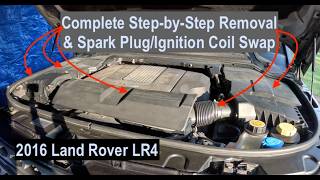
Typical fix: Replace the faulty ignition coil. 🎬 See this walkthrough for replacing spark plugs and ignition coils. It's wise to also replace the spark plug for that cylinder at the same time.
Est. part cost: $50-$120 - Clogged or Leaking Fuel Injector 🔴 High Probability The 5.0L V8 uses high-pressure direct injection, and the injectors are highly susceptible to clogging from fuel contaminants as noted in TSB LTB00409NAS3. A leaking injector can drip fuel into a cylinder after the engine is shut off, causing a rich misfire on startup that perfectly matches the P0316 condition. This is a very common failure point discussed by owners.
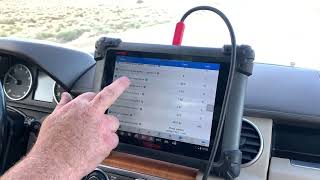
How to confirm: If swapping the coil and plug doesn't fix the misfire on a specific cylinder, the injector is the next suspect. A professional can 🎬 Watch: Diagnosing a misfire and testing for a faulty fuel injector. perform a fuel injector balance test. A DIY method involves monitoring fuel trims with a capable scanner; abnormal readings on one bank can point to an injector issue. A strong fuel smell on startup can also be an indicator.
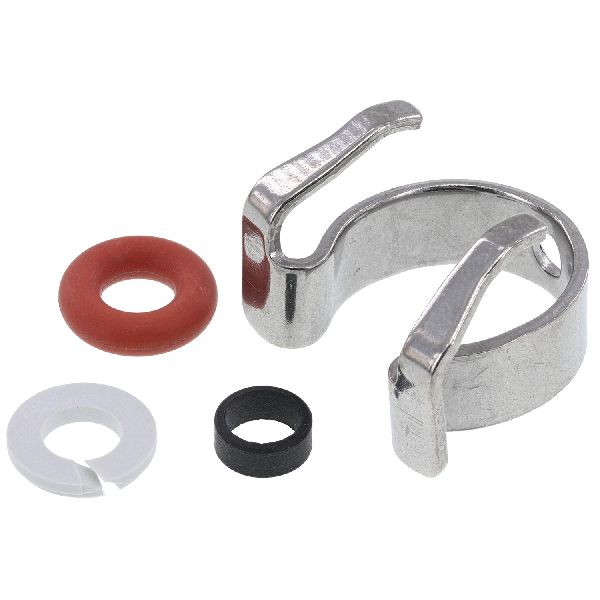
Typical fix: Replace the faulty fuel injector. It is often recommended to replace them in banks (all 4 on one side) or as a full set of 8, as they tend to fail around the same time. New injectors have Teflon seals that must be properly sized with a special tool before installation.
Est. part cost: $100-$300 per injector - Poor Fuel Quality / Contamination 🟡 Medium Probability Land Rover issued TSB #LTB00409NAS3 specifically for the 2010-2013 LR4, stating that P0316 and other misfire codes can be caused by poor fuel quality or contamination clogging the injectors. Owners in forums often report issues starting after a particular fill-up, especially from 'off-grid' or less reputable gas stations.
How to confirm: This is a diagnosis by elimination. If ignition and other fuel system components check out, and the issue started immediately after refueling, contaminated fuel is a strong possibility.
Typical fix: If the fuel is suspected to be bad, it may need to be drained. Using a high-quality fuel system cleaner like BG44K or Techron may help clear minor restrictions. Refilling with high-octane fuel from a Top Tier gas station is recommended.
Est. part cost: $20-$40 for fuel additive
Rare But Worth Checking
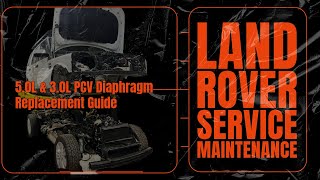
- Vacuum Leak: A leak in the intake manifold gaskets or vacuum hoses can introduce unmetered air, causing a lean misfire. A common source on the 5.0L V8 is a ruptured PCV valve diaphragm, 🎬 Watch: Detailed DIY guide for replacing the PCV diaphragm. which is integrated into the valve cover and often produces a whistling or hissing noise at idle. A smoke test is the best way to find hard-to-see leaks.
- Low Fuel Pressure: A failing low-pressure or high-pressure fuel pump can starve the engine for fuel, causing misfires. This would typically affect multiple cylinders or the entire engine. Expected low-pressure system pressure is 90-105 PSI during priming/cranking.
- Intake Valve Carbon Buildup: Like many direct-injection engines, the 5.0L V8 is prone to carbon buildup on the intake valves since they are not washed by fuel. Heavy buildup can disrupt airflow into the cylinder, causing cold-start misfires. This is often addressed with walnut shell blasting.
- ECM Software Calibration Issue: Another TSB (LTB01023NAS1) applies to some 2013 models (and later years) where a software glitch could cause cold-start misfires when coolant temp is below 75°C. The fix is a software update performed by a dealer.
Diagnosis Steps
- Read all stored fault codes with an OBD-II scanner. Note any cylinder-specific codes (P0301-P0308), as this is your starting point.
- If a specific cylinder is identified, start by swapping its ignition coil with a known good one from another cylinder. Clear the codes and start the engine. If the misfire code moves to the new cylinder, the ignition coil is faulty and needs replacement.
- If the misfire remains on the original cylinder, inspect and consider replacing the spark plug, especially if its service history is unknown.
- If the coil and plug are confirmed to be good, the fuel injector for that cylinder is the next most likely culprit. This is a very common failure on the 5.0L V8.
- If no specific cylinder is identified (or multiple are misfiring), check for vacuum leaks. Listen for hissing noises at idle which could indicate a failed PCV valve. A smoke test is the most definitive way to find leaks.
- Check fuel pressure to rule out a failing fuel pump. The 5.0L V8 has both low-pressure and high-pressure systems that need to be within spec. The low-pressure side should be around 90-105 PSI when cranking.
- Consider the possibility of poor fuel quality, especially if the problem began after refueling, as noted in TSB LTB00409NAS3.
- For persistent cold-start misfires on 2013 models, check with a dealer about TSB LTB01023NAS1, which involves a PCM software update.
Parts You'll Likely Need
- Ignition Coil
(OEM #LR010787)— A failed ignition coil is a very common cause of a single-cylinder misfire and is a primary diagnostic step.
Trusted brands: Bosch, Delphi, Denso
OEM price range: $80-$120
Aftermarket price range: $40-$70 - Spark Plug
(OEM #LR025605)— Spark plugs are a routine wear item and are essential for proper combustion. A fouled or worn plug is a common cause of misfires.
Trusted brands: NGK, Bosch, Denso
OEM price range: $15-$25
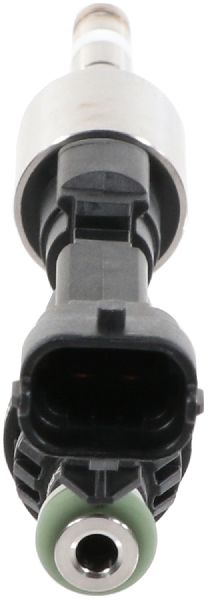
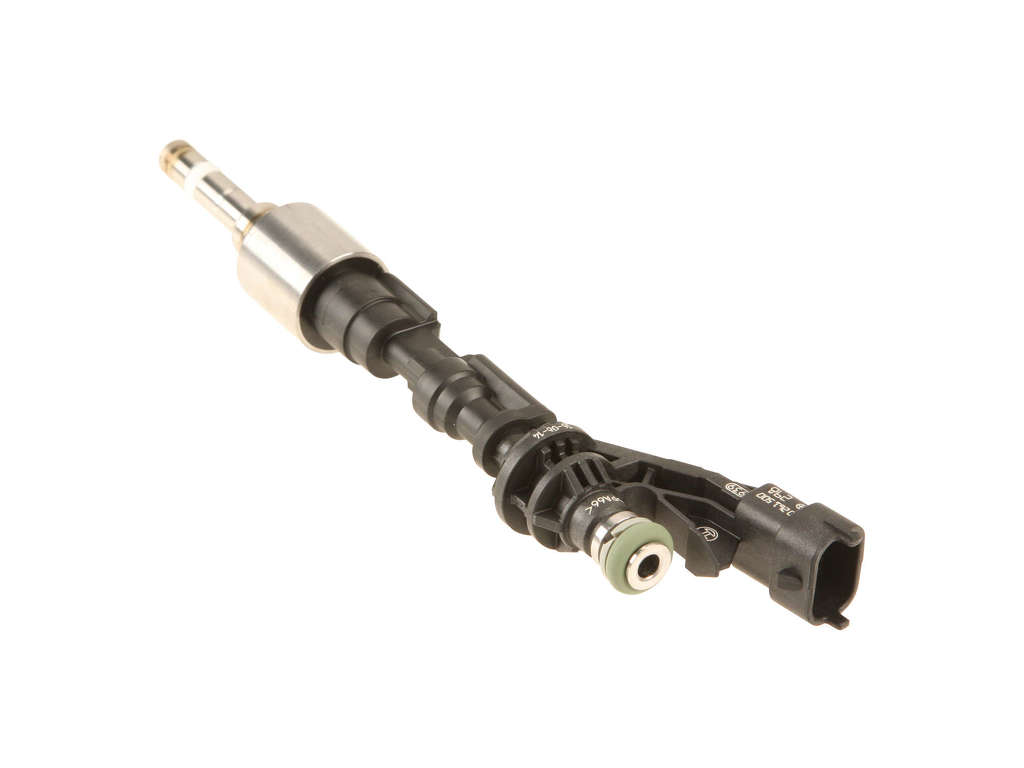
Aftermarket price range: $10-$20 - Fuel Injector
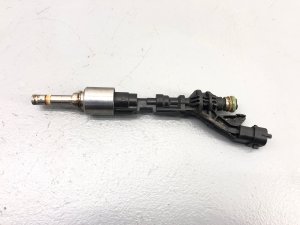
(OEM #LR079542)— Leaking or clogged fuel injectors are a very common cause of P0316 on this engine, often after coils and plugs have been ruled out. The latest part number is LR105439.
Trusted brands: Bosch (OEM), Standard Motor Products
OEM price range: $150-$300
Aftermarket price range: $80-$150
Related Codes That Often Appear With This One
- P0301-P0308 — These codes indicate a misfire on a specific cylinder (e.g., P0301 is Cylinder 1). P0316 is almost always accompanied by one of these codes, which tells you where to start your diagnosis.
- P0300 — This code for 'Random/Multiple Cylinder Misfire' may appear with P0316 if the misfire is not isolated to a single cylinder, often pointing to a systemic issue like a vacuum leak, low fuel pressure, or a bad batch of fuel.
- P0171 / P0174 — These 'System Too Lean' codes can appear if the misfire is caused by a vacuum leak (like a failed PCV valve) or a clogged fuel injector that isn't providing enough fuel to a cylinder.
Technical Service Bulletins (TSBs) & Recalls
- LTB00409NAS3: States that misfire codes P0301-P0308 and P0316 can be caused by poor fuel quality or fuel contamination leading to clogged fuel injectors.
- LTB01023NAS1: Affects some 2013 LR4 models (among others). Addresses cold start misfires (coolant temp < 75°C) caused by a fuel injection software calibration issue. The fix is a PCM software update.
Platform-Specific Known Issues
- TSB LTB00409NAS3 directly addresses P0316 on 2010-2013 models, pointing to poor fuel quality or contamination as a cause for clogged fuel injectors and misfires.
- Leaking fuel injectors are a common real-world failure. An injector can drip fuel into a cylinder after shutdown, causing a rich misfire on the next startup, which perfectly aligns with the P0316 trigger condition.
- The PCV valve is integrated into the passenger-side valve cover. Its diaphragm can rupture, causing a significant vacuum leak (often with a whistling sound) that can lead to misfires and lean codes (P0171/P0174).
Mechanic-Grade Diagnostic Values
- Low-Pressure Fuel System — expected: Upon opening the driver's door (prime), pressure should be 90-105 PSI. After starting and warm-up, it should stabilize around 79 PSI, but can be as low as 65 PSI.. Failure: Pressure significantly below 65 PSI at warm idle suggests a weak low-pressure fuel pump.
- High-Pressure Fuel System (at startup) — expected: Should be no lower than 2,000 PSI immediately after the engine starts.. Failure: Pressure significantly below 2,000 PSI on startup can indicate a failing high-pressure fuel pump (HPFP).
- High-Pressure Fuel System (at warm idle) — expected: After the engine drops from high idle, pressure will level out at approximately 500 PSI.. Failure: Inability to maintain stable pressure or wild fluctuations could point to a HPFP or sensor issue.
- High-Pressure Fuel System (under load) — expected: When holding the engine at 3,000 RPM, pressure should increase back up to around 2,000 PSI.. Failure: If the pressure does not rise significantly with RPM, it points to a problem with the high-pressure fuel pumps' ability to deliver fuel under demand.
- Crankcase Vacuum (PCV Test) — expected: Slight vacuum at the oil filler cap at idle.. Failure: Very strong suction making the oil filler cap difficult to remove indicates a ruptured PCV valve diaphragm, a common vacuum leak source.
Hidden / Shadow Codes Worth Checking
- Live Misfire Data: While not a 'shadow code,' dealer-level tools like JLR SDD or advanced aftermarket scanners like the Gap Tool can display live misfire counts per cylinder. This allows a technician to see which cylinder is misfiring in real-time at idle or under load, even before a DTC is set. (see via JLR SDD (Symptom Driven Diagnostics), Pathfinder, or high-end aftermarket scan tools with Land Rover-specific software (e.g., Gap IIDTool).)
Scan Tool Commands That Help
- JLR SDD (Symptom Driven Diagnostics): Start New Session / Run Comprehensive DTC Scan — This is the first step. SDD analyzes fault codes from all vehicle modules and builds a guided diagnostic plan based on the symptoms entered and codes found, prioritizing likely causes.
- JLR SDD (Symptom Driven Diagnostics): Live Data Monitoring (Datalogger) — Used to monitor critical values like short-term and long-term fuel trims (STFT/LTFT), fuel rail pressure (commanded vs. actual), and misfire counts per cylinder to isolate the problem.
- JLR SDD (Symptom Driven Diagnostics): Actuator Activation / Component Tests — Allows the technician to command specific components to operate, such as activating the low-pressure fuel pump to verify its function or running an injector balance test, without having to physically access them.
- JLR SDD (Symptom Driven Diagnostics): Clear Adaptations — After replacing a component like a fuel injector or cleaning carbon buildup, fuel trim and other learned engine adaptations should be reset to allow the ECM to relearn values with the new/clean parts.
Wiring & Ground Locations
- Engine Ground Strap — Connects between the chassis rail (under the battery tray area) and the gearbox/engine block.. A poor engine ground can cause erratic behavior in sensors and actuators, including ignition coils and fuel injectors, leading to misfires.
- Battery Negative to Body Ground — The main battery negative cable connects directly to the body/inner wing in the vicinity of the battery itself.. This is the primary ground for the vehicle's entire electrical system. Corrosion or a loose connection here can cause widespread, intermittent electrical issues.
Real Owner Repair Stories
- landroverforums.com user 'rolledover' (2012 Land Rover LR4, 5.0L V8) — Persistent P0316 and a single-cylinder misfire (P0307), with a noticeable shake at idle. The misfire would stop as soon as RPMs were raised above idle.
❌ Tried (didn't work) Replacing spark plugs, Swapping ignition coils, Replacing the fuel injector on the affected cylinder, Walnut blasting the intake valves to remove carbon buildup
✅ What actually fixed it A leak-down test confirmed a leaking exhaust valve on the misfiring cylinder, requiring cylinder head repair. This was an internal mechanical engine fault, not an ignition or fuel system issue.
"I Checked Everything" — The Actual Cause
- In a documented case on a 2012 LR4, an owner chased a persistent P0316 and single-cylinder misfire by replacing the plug, coil, and injector, and even performing a walnut blast of the intake valves. A smoke test for vacuum leaks would have come back clean in this scenario, as the actual cause was found to be a leaking exhaust valve, which is an internal engine sealing issue that requires a compression or leak-down test to identify.
When the Usual Fixes Don't Work
- While the vast majority of P0316 codes on the LR4 are resolved by addressing ignition coils, spark plugs, or fuel injectors, there are documented cases where these repairs do not solve the problem. In one instance, after replacing all common components, the root cause was identified via a leak-down test as a leaking exhaust valve on the misfiring cylinder. This highlights that if the standard fixes fail, a deeper mechanical issue within the engine, such as valve sealing or timing component wear, must be considered before replacing the same parts again.
OEM Part Supersession History
LR011964→LR079542, and most recently LR105439.— Revisions by the manufacturer to improve reliability and performance of the fuel injectors.
Heads up: While physically similar, it is critical to use the latest available part number for replacement. Also, replacing these direct injectors requires a special puller tool (OEM 310-197) to avoid breaking the injector, and a special two-sided sizing tool to correctly install the new Teflon seal onto the injector tip before installation.
Model Year Variations Within This Range
- 2010-2013: The 5.0L V8 (AJ133) engines in this range were originally fitted with timing chain guides made of a softer aluminum material. The steel chain tensioner plunger could wear a groove into these guides over time, leading to chain slack, startup rattle, and misfires. Later model years (approx. 2014+) received updated guides with a hardened steel surface to prevent this wear.
Helpful Videos
Used OEM Parts in Stock

New Aftermarket Parts Available


The information in this article is provided for general reference and educational purposes only. Vehicle specifications, procedures, and part compatibility can vary by production date, trim level, and region. Always consult your vehicle's factory service manual and verify part numbers before purchasing or performing repairs. Safety-critical components such as airbags, seat belts, and braking systems should be installed by a qualified professional.
- Land Rover LR4:
- 🎬 Helpful Videos
- 🛍️ Shop This Part
- What's Unique About the 2010-2013 Land Rover LR4
- Diagnostic Flowchart
- Symptoms You May Notice
- Most Likely Causes
- Rare But Worth Checking
- Diagnosis Steps
- Parts You'll Likely Need
- Related Codes That Often Appear With This One
- Technical Service Bulletins (TSBs) & Recalls
- Platform-Specific Known Issues
- Mechanic-Grade Diagnostic Values
- Hidden / Shadow Codes Worth Checking
- Scan Tool Commands That Help
- Wiring & Ground Locations
- Real Owner Repair Stories
- "I Checked Everything" — The Actual Cause
- When the Usual Fixes Don't Work
- OEM Part Supersession History
- Model Year Variations Within This Range
- 🎟️ Get 5% Off