

P0316 on 2015-2022 Ford Mustang: Startup Misfire Causes and Fixes
P0316 on a 2015-2022 Mustang indicates a misfire within the first 1,000 engine revolutions. For many models, especially with manual transmissions, it's often a PCM software glitch fixed by a dealer update (TSB 22-2185). On 2.3L EcoBoost models, it can be a critical sign of coolant leaking into the cylinders from a known engine block defect, a serious issue requiring major engine repair or replacement. Otherwise, suspect standard ignition parts like spark plugs or coils.
- P0316 means there's a misfire happening right at startup.
- If you have a 2.3L EcoBoost, immediately check your coolant level. A low level is a strong indicator of the serious coolant intrusion problem.
- If you have a manual transmission, the cause is very likely a software glitch that a Ford dealer can fix by reprogramming the computer per a TSB.
- Do not ignore a flashing check engine light; it signals a severe misfire that can quickly destroy your catalytic converters.
- Always check for cylinder-specific codes (P0301, P0302, etc.) as they will help you pinpoint the problem area for basic checks like spark plugs and coils.
What's Unique About the 2015-2022 Ford MUSTANG

On the S550 generation Mustang, P0316 presents two very different, platform-specific problems. For models with a manual transmission, particularly the 2.3L EcoBoost, the code is frequently triggered by a software glitch in the PCM, with no actual mechanical fault present; a simple dealer reflash is the fix, as outlined in multiple TSBs. Conversely, for the 2.3L EcoBoost engine, this code is a notorious early warning for a serious design defect where the engine block is machined in a way that allows coolant to intrude into the cylinders. This issue can lead to catastrophic engine failure if not addressed and has been the subject of owner complaints and lawsuits. This duality means owners must first consider their specific engine and transmission type before assuming the cause.
Diagnostic Flowchart

Tap your situation to follow the diagnostic path that matches what you're seeing on this vehicle.
Symptoms You May Notice

- Check Engine Light (CEL) is on or flashing
- Rough idle or shaking, especially on a cold start
- Engine hesitation or stumbling on acceleration
- Noticeable loss of power
- For coolant intrusion issues: white, sweet-smelling smoke from the exhaust and unexplained coolant loss from the reservoir.
- For software issues: The code may be stored with no noticeable symptoms other than the CEL.
- Replacing ignition coils and spark plugs when the actual cause is a PCM software issue requiring a reflash per TSB 22-2185.
- Assuming a simple tune-up will fix the problem on a 2.3L EcoBoost when it is actually the beginning of the coolant intrusion failure, thus delaying a critical repair.
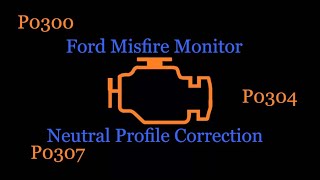
- Replacing a crankshaft position sensor when only a 'Misfire Monitor Neutral Profile Correction' relearn procedure was needed.
Most Likely Causes

- Powertrain Control Module (PCM) Software Glitch 🔴 High Probability Ford has issued multiple Technical Service Bulletins for 2015-2022 Mustangs where overly sensitive PCM strategies incorrectly detect a misfire on startup. TSB 22-2185 (superseding 21-2346) specifically targets 2021-2022 2.3L models built before April 21, 2022. Earlier TSBs like 45011 addressed this on 2015 models, showing it's a long-standing issue.
How to confirm: Check the vehicle's VIN and build date against known TSBs. A Ford dealer using the Ford Diagnosis and Repair System (FDRS) can confirm if a software update is available.
Typical fix: Reprogramming the PCM with updated software at a dealership. The labor time for this is typically under an hour.
Est. part cost: $0 (if under warranty) - Engine Coolant Intrusion (2.3L EcoBoost Only) 🔴 High Probability A known design defect in the 2.3L EcoBoost engine block, where the deck surface between cylinders is notched, can allow coolant to leak into the cylinders. This is a widely documented failure across multiple platforms using this engine and has led to class-action lawsuits. The misfire occurs on startup as coolant that has seeped into the cylinder overnight fouls the spark plug.
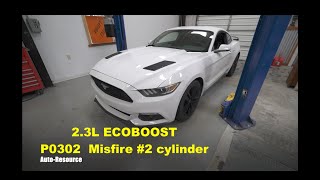
How to confirm: A mechanic can use a borescope to look for coolant inside the cylinders; 🎬 See how to diagnose a 2.3L EcoBoost cylinder misfire. the piston top may look steam-cleaned. Other key signs are a dropping coolant level with no visible external leaks, white exhaust smoke, and a cooling system pressure test that fails (loses pressure over time).
Typical fix: This is a major repair. Ford's official fix is often a complete long block engine replacement with a revised engine that has an updated block and head gasket design. A new head gasket alone may not be a permanent fix if the block itself is the issue.
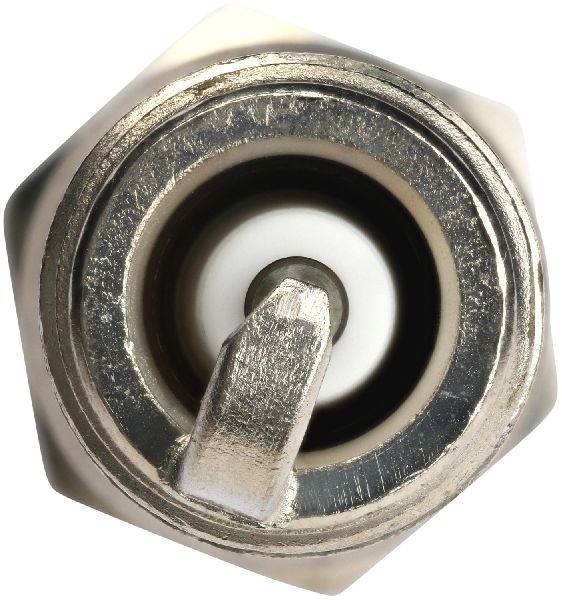
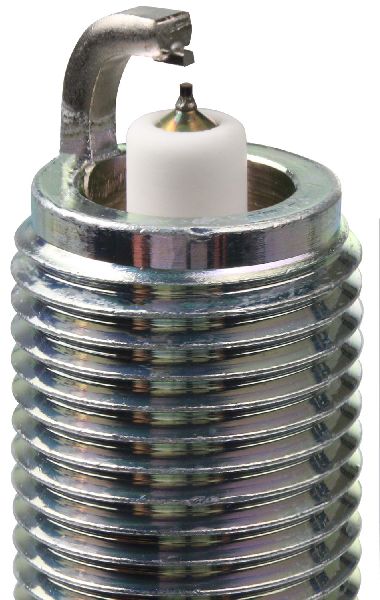
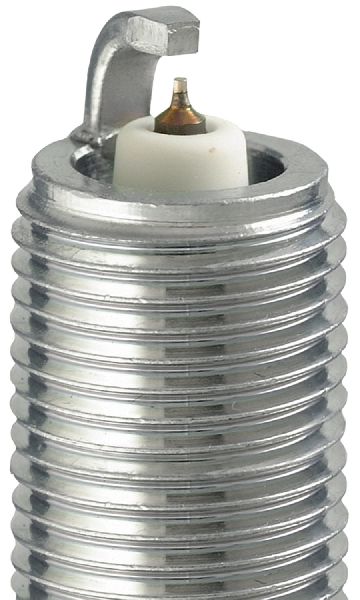
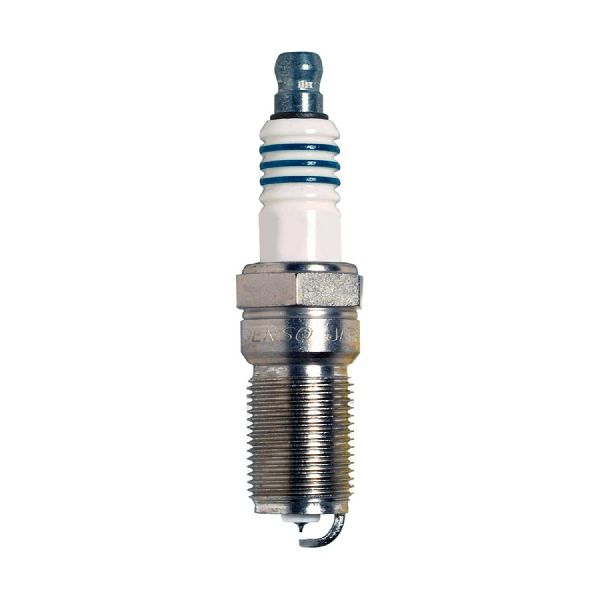
Est. part cost: $2000-$8000+ - Worn or Fouled Spark Plugs 🟡 Medium Probability Direct injection engines like the EcoBoost and Coyote are hard on spark plugs. They are also the first component to be affected by coolant or fuel fouling.
How to confirm: Remove and inspect the spark plugs. Look for wear, carbon buildup, or fouling. A coolant-fouled plug may appear unusually clean or have white/greenish crusty deposits.
Typical fix: Replace all spark plugs. Use OEM Motorcraft plugs for best results. For 5.0L: Motorcraft SP-548 or SP-589 (2018+). For 2.3L: Motorcraft SP-550.
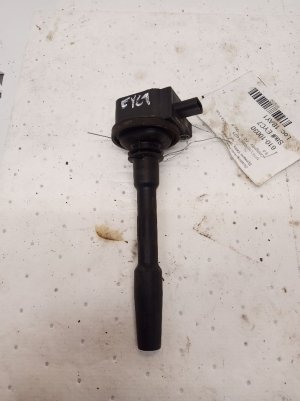
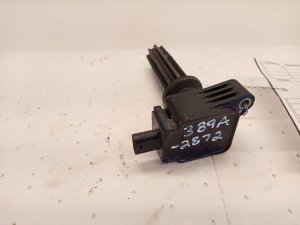
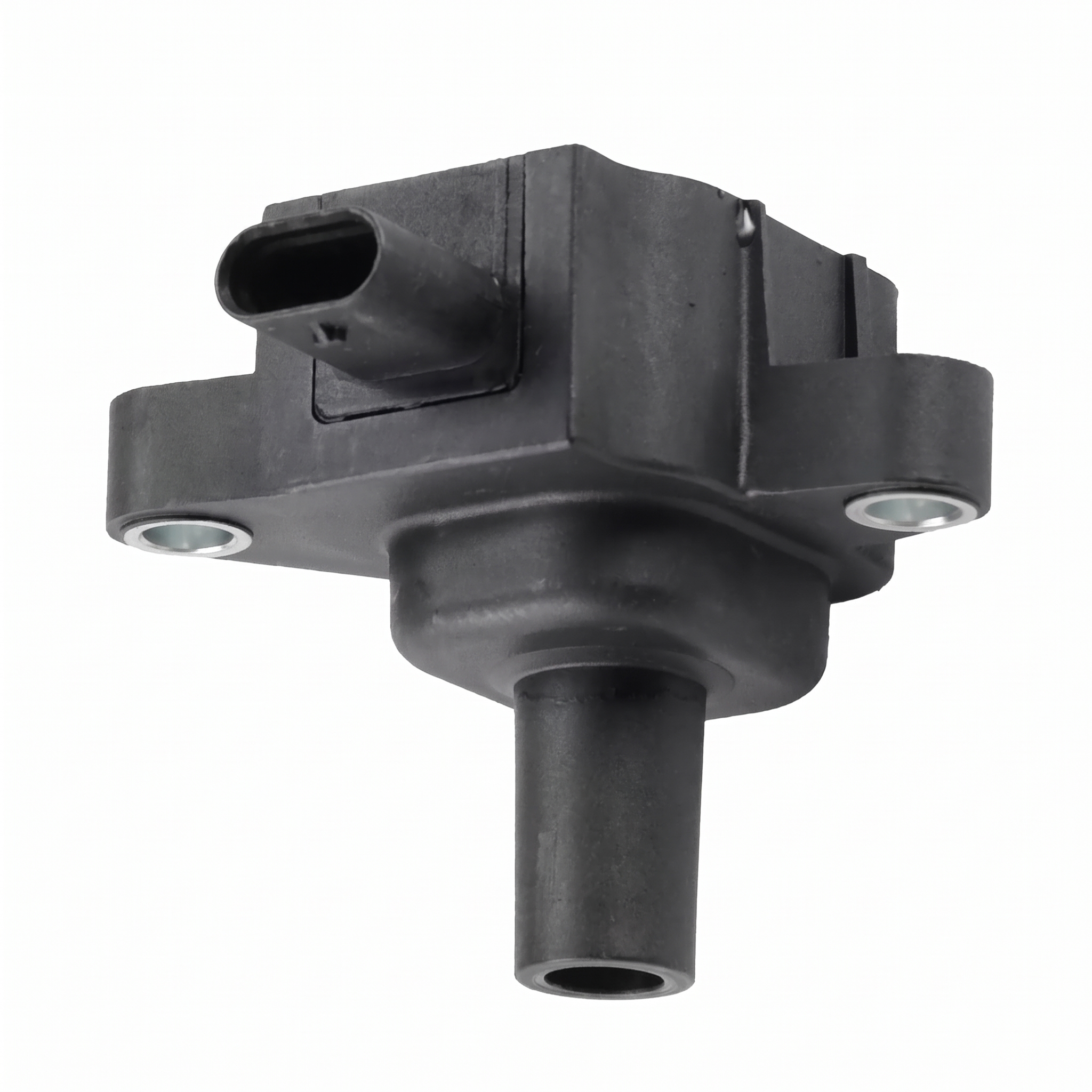
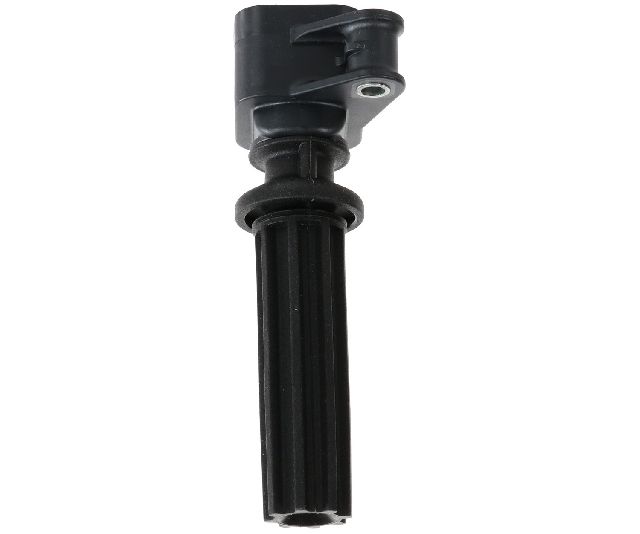
Est. part cost: $40-$100 - Failing Ignition Coil(s) 🟡 Medium Probability
How to confirm: If a cylinder-specific misfire code (e.g., P0302) is present, swap the ignition coil from the misfiring cylinder to a known good cylinder. Clear codes and run the engine to see if the misfire code follows the coil. If it does, the coil is bad.
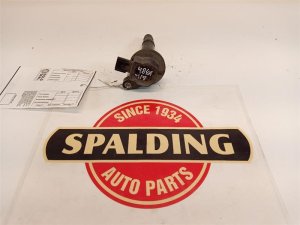
Typical fix: Replace the faulty ignition coil. It is often recommended to replace them as a set if they are original. For 5.0L: Motorcraft DG-566 (2018+). For 2.3L: Motorcraft DG-562.
Est. part cost: $50-$120 per coil - Crankshaft Position Sensor (CKP) Relearn Required ⚪ Low Probability The PCM relies on a learned profile of the crankshaft's rotational pattern to detect misfires. After a battery replacement, engine repair, or even sometimes after a software flash, this profile can be lost, leading to false misfire codes.
How to confirm: This requires a high-end scan tool (like Snap-on or Autel) or a trip to the dealer to perform the 'Misfire Monitor Neutral Profile Correction' procedure using Ford's IDS software.
Typical fix: Perform the Misfire Monitor Neutral Profile Correction procedure. This involves warming the engine and performing a series of specific RPM revs until the monitor relearns the profile.
Est. part cost: $0
Rare But Worth Checking
- Leaking or Clogged Fuel Injectors: A leaking injector can drip fuel into a cylinder overnight, causing a rich misfire on startup. A user on the Mustang6G forum confirmed this was their issue after letting E85 fuel sit in the car for an extended period, which led to one injector leaking and another being clogged.
- Low Fuel Pressure or Quality: A weak fuel pump or clogged filter can cause a lean condition and misfires during the open-loop phase on startup. Additionally, a significant change in fuel, such as the seasonal switch from summer to winter blend gasoline, can sometimes trigger a temporary P0316 code with no other faults.
Diagnosis Steps
- Scan the PCM for all stored trouble codes. Note if P0316 is alone or accompanied by P0300 or specific cylinder misfire codes (P030x).
- Check for applicable Technical Service Bulletins (TSBs) using the vehicle's VIN. Specifically look for TSB 22-2185, TSB 21-2346, and TSB 45011. Note the vehicle's build date.
- If the vehicle is a 2.3L EcoBoost, immediately check the coolant level in the degas bottle (when the engine is cold). If it is low without any visible external leaks, suspect coolant intrusion.
- Inspect the spark plugs. Pull the plugs from the affected cylinders (if known). A coolant-fouled plug will appear steam-cleaned or have white, crusty deposits. A fuel-fouled plug will be black and smell of gas.
- If a specific cylinder is misfiring, swap the ignition coil with an adjacent cylinder. Clear codes and run the engine to see if the misfire code moves to the new cylinder. If it does, the coil is faulty.
- If coolant intrusion is suspected, the definitive test is a cooling system pressure test followed by a borescope inspection. Pressurize the system and let it sit for several hours; a pressure drop indicates a leak. Then, use a borescope to visually inspect for coolant pooling on top of the pistons.
- If no mechanical faults are found, especially on a manual transmission car that matches TSB criteria, the issue is likely PCM software. A Ford dealership will need to perform a PCM reflash.
- If recent engine work or a battery replacement has occurred, perform the 'Misfire Monitor Neutral Profile Correction' procedure with a capable scan tool before replacing parts.
Parts You'll Likely Need
- Spark Plugs
(OEM #Motorcraft SP-548 (5.0L, '15-'17), Motorcraft SP-589 (5.0L, '18+), Motorcraft SP-550 (2.3L))— Spark plugs are a common wear item and a primary cause of misfires. They are often the first part to be affected by coolant intrusion.
Trusted brands: Motorcraft, NGK
OEM price range: $60-$100
Aftermarket price range: $40-$80 - Ignition Coil
Related Codes That Often Appear With This One
- P0300 — This code for 'Random/Multiple Cylinder Misfire' is often set alongside P0316, as noted in TSBs 22-2185 and 21-2346.
- P0301-P0308 — These codes pinpoint the specific cylinder(s) that are misfiring. P0316 tells you *when* it's happening (at startup), and these codes tell you *where*.
Technical Service Bulletins (TSBs) & Recalls
- TSB 22-2185: Supersedes TSB 21-2346. For 2021-2022 Mustangs with the 2.3L EcoBoost built on or before 21-Apr-2022. Addresses P0300/P0316 caused by PCM software. Fix is a PCM reprogram.
- TSB 21-2346: For 2021 Mustangs with 2.3L engine and MT82 manual transmission built on or before 24-Sep-2021. Addresses P0300/P0316 caused by PCM software. Superseded by TSB 22-2185.
- TSB 45011: An early bulletin for 2015 Mustangs with the 2.3L GTDI and manual transmission, also pointing to a PCM reflash for P0316 and other misfire codes.
Platform-Specific Known Issues
- 2.3L EcoBoost Coolant Intrusion: A significant number of 2.3L EcoBoost engines have a design flaw in the engine block that allows coolant to leak into the cylinders, especially between cylinders 2 and 3. This causes a P0316 misfire on cold starts. The official fix is often a full long block replacement with a redesigned engine, as a head gasket alone may not solve the problem. This issue is well-documented in forums like Mustang6G and has been the subject of a class-action lawsuit.
- Manual Transmission PCM Glitch: Many Mustangs, particularly those with manual transmissions, can set a P0316 code with no actual mechanical problem. This is due to sensitive PCM software logic. Ford has released several TSBs (e.g., TSB 22-2185) to address this with a simple software reflash at the dealership.
Mechanic-Grade Diagnostic Values
- 5.0L Coyote Low-Side Fuel Pressure (KOEO or Idle) — expected: 55-58 PSI. Failure: Pressure significantly below 55 PSI indicates a weak fuel pump or clogged filter, which can cause a lean misfire on startup.
- 2.3L EcoBoost High-Pressure Fuel Rail Pressure (Max Operating) — expected: Up to 200 bar (2900 PSI) stock; aftermarket pumps can reach 240 bar (3500 PSI).. Failure: Inability to build or maintain pressure, especially during cold start, points to a failing high-pressure fuel pump (HPFP). This requires a scan tool capable of reading this PID.
Hidden / Shadow Codes Worth Checking
- Mode $06, Test ID $81 (and others): This is not a specific code, but a diagnostic mode that displays data from the PCM's self-tests. For misfires, it shows raw misfire counts per cylinder for the current and last 10 driving cycles. A technician can view these counts to see if a cylinder is misfiring occasionally, even if not enough to set a P030x code. (see via Requires a professional scan tool (such as Ford IDS, Autel, Snap-on) that can access Mode $06 test results.)
Scan Tool Commands That Help
- Ford IDS/FDRS, high-end scan tools (Snap-on, Autel): Misfire Monitor Neutral Profile Correction — This relearn procedure is required after PCM replacement, internal engine repairs, or crankshaft sensor replacement. Failure to perform it can cause the PCM to falsely detect misfires because it is using an outdated crankshaft rotational profile. The procedure involves warming the engine, putting it in Park/Neutral with A/C off, and revving the engine above 3,500 RPM several times until the scan tool indicates the test is complete.
- Ford IDS/FDRS: Power Balance Test — This test graphically displays the power contribution of each cylinder by measuring the drop in crankshaft speed after each firing event. It is extremely useful for identifying a weak or intermittently misfiring cylinder that is causing the P0316 at startup, even if no P030x code is present.
Wiring & Ground Locations
- G104 — On the driver's side front fender apron, near or behind the battery.. This is a primary ground point for the PCM, the Mass Airflow (MAF) sensor, and the Data Link Connector (DLC). Corrosion or a loose connection at G104 can cause erratic PCM behavior and incorrect sensor readings, leading to false misfire codes like P0316.
- Engine-to-Chassis Ground Strap — Typically located on the driver's side, connecting the engine block to the vehicle's frame.. A poor engine ground can cause the starter motor to seek a ground path through other components, creating electrical noise that can interfere with the Crankshaft Position Sensor signal during cranking, a critical time for the P0316 monitor.
Real Owner Repair Stories
- YouTube channel 'VMP Performance' (Ford Mustang GT (5.0L Coyote)) — P0304 (Cylinder 4 Misfire) and P0316. Car had been sitting for 6 months with E85 fuel.
❌ Tried (didn't work) Initial diagnosis did not show any mechanical or electrical faults.
✅ What actually fixed it The E85 fuel had absorbed water over time. The fix was to drain the contaminated fuel, have the fuel injectors professionally cleaned (one was found to be leaking and another clogged), and install a fresh set of spark plugs. - Comment on YouTube channel 'FordTechMakuloco' (2017 Ford Escape 2.0L EcoBoost (50,000 miles)) — Intermittent Check Engine Light with code P0316. The car was otherwise running fine.
❌ Tried (didn't work) A simple diagnosis could have easily missed the underlying issue due to the lack of other symptoms.
✅ What actually fixed it The owner took it to a dealer who investigated further. They discovered the engine was consuming coolant and that coolant was present in the oil. Ford authorized a complete engine replacement as the final repair, confirming the P0316 was the first and only sign of the coolant intrusion engine defect.
"I Checked Everything" — The Actual Cause
- In many cases involving a lone P0316, especially on manual transmission models, all mechanical checks (compression, vacuum/smoke test, fuel pressure) will pass. Technicians may replace plugs and coils with no change. The actual cause is often a PCM software calibration that is too sensitive, requiring a dealer reflash per TSB 22-2185. Another non-mechanical cause is the need for a 'Misfire Monitor Neutral Profile Correction' after a battery change or repair, which also won't be found with a smoke test.
OEM Part Supersession History
N/A (Original 2.3L EcoBoost Engine Block)→Revised Short Block or Long Block Assembly (e.g., per TSB 19-2375 for similar engines)— The original engine block design for some EcoBoost engines featured a machined open-deck slot between the cylinders for coolant flow. This created a weak point. The revised engine block design uses drilled coolant passages instead of a slot, providing more support for the head gasket and preventing cracks that lead to coolant intrusion.
Heads up: Simply replacing the head gasket on an engine with the original block design is not a permanent fix for the coolant intrusion issue; the block itself must be replaced with the updated design.
Model Year Variations Within This Range
- 2021-2022: TSB 22-2185 addresses false P0316 codes due to PCM software on 2.3L models built before 21-Apr-2022, superseding a previous TSB for 2021 models. This indicates a specific software sensitivity issue for these later model years.
- 2015: TSB 45011 was issued specifically for 2015 2.3L GTDI models with manual transmissions to address false P0316 codes, showing this has been a recurring issue since the start of the generation.
Helpful Videos

Used OEM Parts in Stock

New Aftermarket Parts Available


The information in this article is provided for general reference and educational purposes only. Vehicle specifications, procedures, and part compatibility can vary by production date, trim level, and region. Always consult your vehicle's factory service manual and verify part numbers before purchasing or performing repairs. Safety-critical components such as airbags, seat belts, and braking systems should be installed by a qualified professional.
- Ford MUSTANG:
- 🎬 Helpful Videos
- 🛍️ Shop This Part
- What's Unique About the 2015-2022 Ford MUSTANG
- Diagnostic Flowchart
- Symptoms You May Notice
- Most Likely Causes
- Rare But Worth Checking
- Diagnosis Steps
- Parts You'll Likely Need
- Related Codes That Often Appear With This One
- Technical Service Bulletins (TSBs) & Recalls
- Platform-Specific Known Issues
- Mechanic-Grade Diagnostic Values
- Hidden / Shadow Codes Worth Checking
- Scan Tool Commands That Help
- Wiring & Ground Locations
- Real Owner Repair Stories
- "I Checked Everything" — The Actual Cause
- OEM Part Supersession History
- Model Year Variations Within This Range
- 🎟️ Get 5% Off