

P0316 on 2015-2018 Ford Focus: Startup Misfire Causes and Fixes
P0316 on a 2015-2018 Ford Focus means a misfire was detected within the first 1,000 engine revolutions. The most common causes are worn spark plugs, faulty ignition coils, or a sticking canister purge valve. For Focus ST models, a PCM software update is a likely fix for cold-start misfires, per Ford TSB 18-2093. However, on platform mates with the same 2.0L EcoBoost engine, this code is a strong warning for potential coolant intrusion into the cylinders, a severe issue.
- P0316 means your Focus detected a misfire right after you started it.
- For Focus ST models, especially if the misfire only happens when the engine is cold, the first step should be checking with a Ford dealer about TSB 18-2093 for a potential software update.
- The most common parts to fix this code are spark plugs, ignition coils, or the canister purge valve.
- Always check for other codes. A cylinder-specific code (P0301-P0304) will tell you exactly where to look, and a P1450 code points directly to the purge valve.
- Before buying a new purge valve, check if your car is covered by Ford's recall 18S32 for a free replacement.
What's Unique About the 2015-2018 Ford FOCUS

For the 2015-2018 Ford Focus, this code has a well-documented history, especially on the high-performance ST model. Ford issued multiple Technical Service Bulletins (TSBs) for the Focus ST specifically addressing P0316 and P0300 that occur during cold starts. This indicates a known software calibration issue that the manufacturer later corrected with a PCM update. 🎬 Watch: A breakdown of P0316 causes and common fixes. Additionally, like many Ford vehicles of this era, the canister purge valve is a frequent failure point that can cause startup misfires and trigger this code, a fact supported by owner complaints and recall 18S32. [3, 4, ODI #11467127] While less common on the Focus itself compared to its platform mates, the 2.0L EcoBoost engine family has a notorious issue with coolant intrusion into the cylinders due to a block design flaw, which can also present with a P0316 code.
Diagnostic Flowchart

Tap your situation to follow the diagnostic path that matches what you're seeing on this vehicle.
Symptoms You May Notice

- Check Engine Light (MIL) is on or flashing
- Rough or choppy idle, especially right after starting the engine. [ODI #11185618, 19]
- Engine stumbling or hesitation immediately after startup that may smooth out after a few moments
- Elevated idle RPMs (1500-2200 RPM) without throttle input. [ODI #11185618]
- Engine hesitation or stumbling during initial acceleration.
- A sensation of unbalanced tires or roughness while driving.
- Strong smell of raw gasoline from the exhaust on startup.
- Difficulty starting after refueling (points to purge valve issue).
- Replacing oxygen (O2) sensors. While misfires can affect O2 sensor readings, the sensors themselves are rarely the cause of a P0316 code.
- Assuming the issue is always spark plugs or coils without checking for TSBs or testing the purge valve, which are very common culprits on this specific vehicle.
Most Likely Causes

- PCM Software/Calibration (Focus ST models) 🔴 High Probability Ford specifically identified a cold-start misfire issue on 2015-2018 Focus ST models and released a software update to correct it. This was a common complaint before the TSB was widely known.
How to confirm: Check with a Ford dealer if TSB 18-2093 is applicable and has been performed. The issue typically occurs when engine coolant temperature is below 120°F (49°C).
Typical fix: Reprogram the Powertrain Control Module (PCM) to the latest calibration. The TSB procedure also involves inspecting and correctly gapping the spark plugs.
Est. part cost: $0-$200 - Worn or Incorrectly Gapped Spark Plugs 🔴 High Probability The EcoBoost engines, particularly in the ST, are known to be hard on spark plugs. Wear increases the gap, making a strong spark difficult, especially on a cold start. Tuned vehicles are even more sensitive to plug condition.
How to confirm: Remove and inspect the spark plugs for wear, fouling, and correct gap. For the Focus ST, TSB 18-2093 specifies using CYFS-12-YEC plugs gapped to 1.0 mm (0.040 in). Tuned cars often use a step colder plug with a tighter gap, such as 0.026 in.
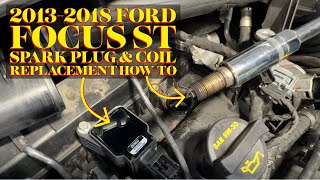
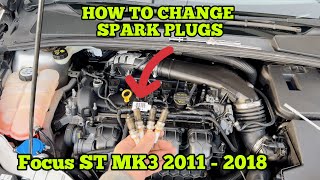
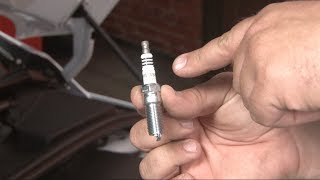
Typical fix: Replace all four spark plugs with OEM-spec parts (e.g., Motorcraft) and ensure they are correctly gapped using a feeler gauge. 🎬 Watch: How to replace spark plugs and coils on a Focus ST. It is common for owners to replace them every 10,000-20,000 miles as preventative maintenance.
Est. part cost: $40-$80 - Sticking Canister Purge Valve 🟡 Medium Probability This is a very common failure part on this generation of Focus, leading to recall 18S32. A valve stuck open creates a vacuum leak at startup, leaning out the air/fuel mixture and causing misfires. It can also cause stalling and erratic fuel gauge readings.
How to confirm: The issue is often accompanied by code P1450. [ODI #11467127] A classic symptom is a rough idle or difficulty starting immediately after refueling. With the engine off, disconnect the valve and try to blow through it; it should be closed. If air passes, it's faulty.
Typical fix: Replace the canister purge valve and hose assembly. Check with a Ford dealer first to see if your VIN is covered under recall 18S32 for a free replacement, which includes a PCM software update. Many owners perform this simple 10-minute repair themselves. 🎬 See this walkthrough for replacing the canister purge valve assembly.
Est. part cost: $40-$90 - Faulty Ignition Coil(s) 🟡 Medium Probability Coil-on-plug systems are common points of failure. A weak coil may not provide enough energy for a consistent spark when the engine is cold or under load.
How to confirm: If a cylinder-specific code (P0301-P0304) is present, swap the ignition coil from the misfiring cylinder to another cylinder. Clear the codes and run the engine to see if the misfire code moves to the new cylinder. If it does, the coil is bad.
Typical fix: Replace the faulty ignition coil. It is often recommended to replace them as a set if they are original and high-mileage. Some owners have fixed random misfires by replacing both plugs and coils.
Est. part cost: $35-$75 per coil
Rare But Worth Checking
- Low Fuel Pressure: A weak fuel pump or clogged filter can cause a lean condition and misfires during the high-demand startup phase. This can sometimes be triggered by seasonal fuel blend changes.
- Leaking Fuel Injectors: A leaky injector can drip fuel into a cylinder after shutdown, causing a rich misfire on the next startup. This may be accompanied by a low fuel pressure misfire code like P0313.
- Faulty Crankshaft Position Sensor (CKP): The PCM relies on the CKP sensor to detect misfires by monitoring crankshaft speed variations. An erratic sensor can incorrectly report a misfire.
- Coolant Intrusion into Cylinder: While more prevalent on platform mates like the Escape and Fusion, the 2.0L EcoBoost can suffer from a cracked engine block that allows coolant to seep into a cylinder overnight. This fouls the spark plug and causes a startup misfire. Look for associated symptoms like unexplained coolant loss and white exhaust smoke. TSBs 19-2208 and 19-2346 address this for other vehicles with the same engine.
Diagnosis Steps
- Read all stored trouble codes with an OBD-II scanner. Note any codes that accompany P0316, especially P0301-P0304 or P1450. Check freeze frame data to see the engine conditions (like coolant temperature) when the code was set.
- If you own a Focus ST, contact a Ford dealer with your VIN to check the status of TSB 18-2093. A PCM update may be the required first step.
- Test the canister purge valve. A classic symptom is trouble starting after getting gas. Disconnect the valve (located on the engine) and try to blow through it; it should be sealed when unpowered. If air passes, it's stuck open and must be replaced.
- Inspect the ignition system. Remove and examine all four spark plugs. Look for signs of wear, oil fouling, or damage. For a Focus ST, check that the gap is 1.0 mm (0.040 in) for stock plugs. For tuned engines, the gap may be smaller.
- If a cylinder-specific code is present, swap the ignition coil from the misfiring cylinder with one from a known good cylinder. Clear the codes and run the engine to see if the misfire code moves to the new cylinder. If it does, the coil is faulty.
- Check for signs of coolant intrusion, especially if you have unexplained coolant loss or see white smoke on startup. A professional may need to use a borescope to look for coolant inside the cylinders.
- If the above steps do not resolve the issue, investigate the fuel system. Check fuel pressure to ensure the pump is working correctly. Consider a professional fuel injector cleaning or testing.
- As a final step, inspect the wiring to the crankshaft position sensor and ignition coils for any damage or corrosion.
Parts You'll Likely Need
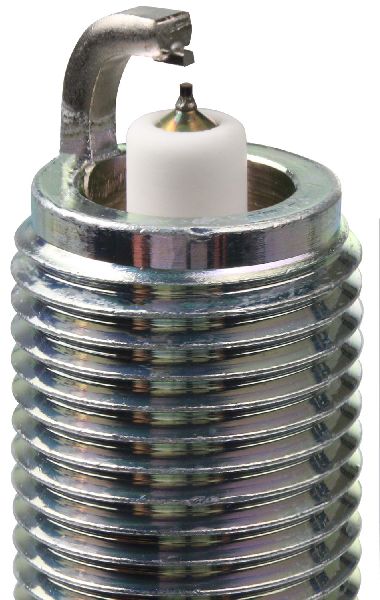
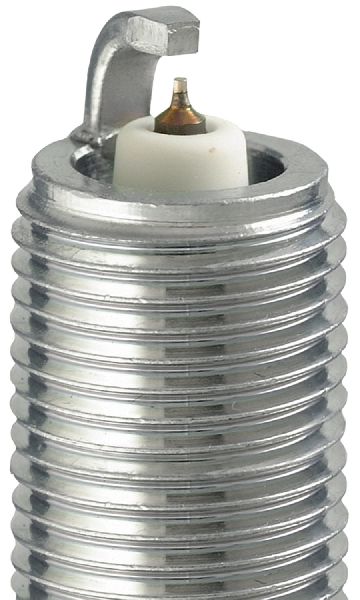
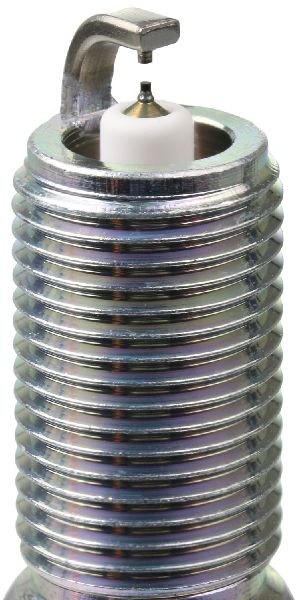
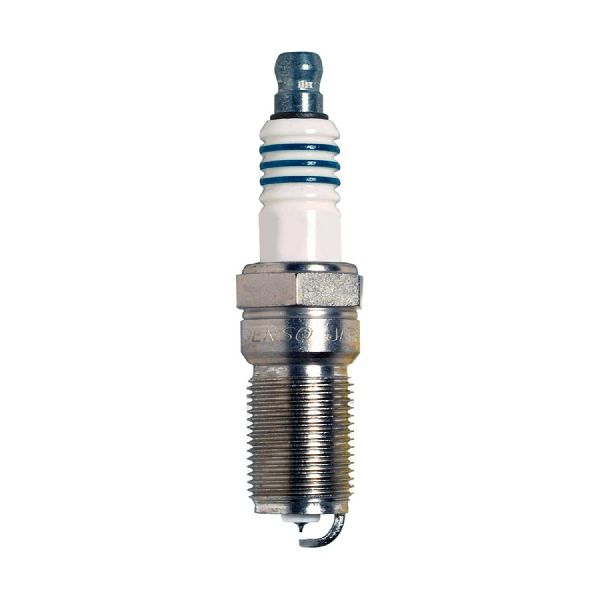
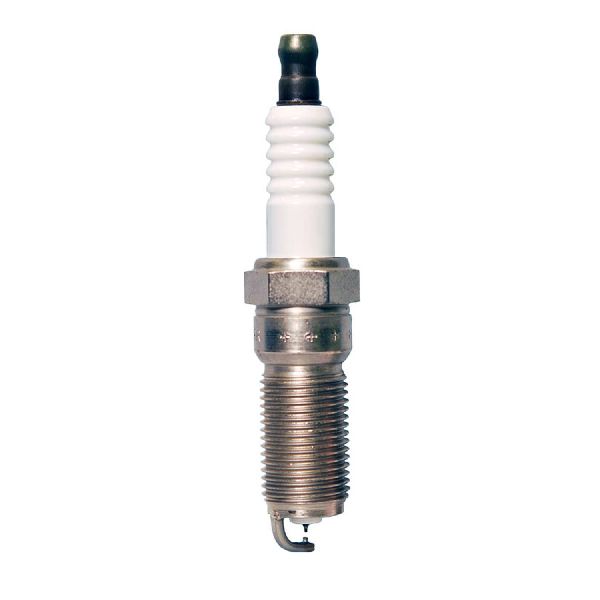
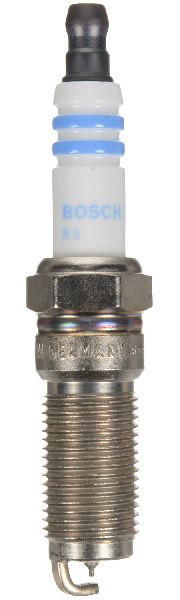
- Spark Plugs
(OEM #SP-550 (Motorcraft CYFS-12-YEC, for Focus ST))— Spark plugs are a primary wear item and a leading cause of misfires. The EcoBoost engine in the ST model is particularly sensitive to plug condition and gap. TSB 18-2093 specifica
Related Codes That Often Appear With This One
- P0300 — This is a general 'Random/Multiple Cylinder Misfire' code. P0316 specifies *when* the misfire happened (at startup), while P0300 indicates it's happening randomly across cylinders. They are cited together in all related TSBs and owner complaints. [TSB18-2093, ODI #11467127, ODI #11185618]
- P0301, P0302, P0303, P0304 — These codes pinpoint the exact cylinder that is misfiring (e.g., P0301 for Cylinder 1). This is extremely helpful for diagnosis, as it allows you to focus on the spark plug, coil, and injector for that specific cylinder. [SSM 46539]
- P1450 — This code means 'Unable to Bleed Up Fuel Tank Vacuum'. It is strongly indicative of a faulty canister purge valve, a known cause for P0316 on this vehicle. [ODI #11467127, 23] Recall 18S32 was issued to address this combination of issues.
Technical Service Bulletins (TSBs) & Recalls
- Specifically for 2015-2018 Focus ST, addresses P0300/P0316 on cold starts (below 49°C/120°F) via a PCM reprogram and spark plug inspection/gapping.
- Recall for 2012-2018 Focus 2.0L GDI/GTDI engines for a malfunctioning Canister Purge Valve (CPV) that can cause excessive vacuum, stalling, and codes like P1450. The fix involves a PCM reprogram and, if needed, replacement of the CPV, fuel tank, and other components.
- Superseding bulletins for platform mates (Edge, Escape, Fusion, MKC, MKZ) with the 2.0L EcoBoost engine. Addresses P0316 and other misfire codes caused by coolant intrusion into cylinders, with the prescribed fix being long block engine replacement.
- An earlier Special Service Message for 2015-2018 Focus ST vehicles acknowledging the MIL-on condition with P0300/P0316 on cold starts, which was later formalized in TSB 18-2093.
- A Special Service Message noting that P0316 may appear with cylinder-specific misfire codes (P0301-P0304) after a cold start.
Platform-Specific Known Issues
- A known issue on 2015-2018 Focus ST models is a misfire condition with codes P0300 and P0316 when the engine coolant is below 120°F (49°C). Ford addressed this with TSB 18-2093, which involves a PCM reprogram and spark plug inspection/gapping.
- The canister purge valve assembly is a very common failure point, causing stalling after refueling and startup misfires. This led to Ford issuing recall 18S32, which involved a PCM update and potential replacement of the valve and other fuel system components.
Mechanic-Grade Diagnostic Values
- Low-Side Fuel Pressure (under load) — expected: ~80-85 psi. Failure: Significantly lower pressure, e.g., ~70-77 psi, may indicate a weak low-pressure fuel pump.
- High-Side Fuel Rail Pressure (FRP) (under load) — expected: ~2200-2300 psi. Failure: Pressure that is significantly lower or fails to build with RPM can indicate a failing High Pressure Fuel Pump (HPFP).
- Misfire Count Threshold (per 1000 revolutions) — expected: A few sporadic counts can be normal.. Failure: A count of over 200 within 1000 revolutions is a common threshold to trigger a Check Engine Light.
- Ignition Coil Resistance — expected: Not specified; this is considered an unreliable test for modern coil-on-plug units.. Failure: Even if a coil tests within a certain ohm range, it can still fail under load or when hot. Swapping coils between cylinders is the preferred diagnostic method.
Hidden / Shadow Codes Worth Checking
- Mode 6, Test ID $A2-$AB: This is not a code, but a diagnostic function that shows misfire counts for each cylinder over the current and last 10 driving cycles. It can reveal which cylinder is misfiring even if the misfire rate is not high enough to set a P030x trouble code. (see via Use a capable OBD-II scanner or software like FORScan that can access Mode 6 test results. The specific Test ID for misfire counts can vary (e.g., $53 on older Fords, $A2-$AB on newer ones).)
Scan Tool Commands That Help
- Ford IDS / FORScan: Power Balance Test — While the engine is running, this test graphically displays the contribution of each cylinder, making it easy to spot a weak or misfiring cylinder in real-time. It is an effective way to confirm a misfire when symptoms are present but no codes are set.
Wiring & Ground Locations
- Main Battery-to-Chassis Ground — Under the airbox, bolted to the driver's side frame rail/fender area.. This is a primary ground point for the entire electrical system. Corrosion or looseness here can cause a host of phantom electrical issues, including erratic sensor readings that could be misinterpreted by the PCM as a misfire. Requires removing the airbox to access and clean properly.
- Transmission Ground Strap — A ground wire that typically connects from the chassis to a bolt on the transmission bell housing.. This ground is critical for the starter and can affect sensors mounted on the engine/transmission block. A user reported a no-start condition after transmission work was resolved by finding and re-securing this ground. Poor grounding can affect the Crankshaft Position Sensor signal, which is essential for misfire detection.
Real Owner Repair Stories
- Reddit user Jamesbrady1975 (Ford Focus ST (year not specified)) — Random misfire codes (P0300, P0301-4, P0316).
❌ Tried (didn't work) Not specified, but other users in the thread tried replacing spark plugs first.
✅ What actually fixed it Replaced all ignition coils with Motorcraft parts and replaced the valve cover gasket, which had been leaking oil into the spark plug wells and fouling the ignition system. - YouTube channel Nickjoenap (Ford Focus ST (year not specified)) — Recurring cylinder 2 misfire code, rough/fluctuating idle.
❌ Tried (didn't work) Replacing the PCV valve, which is a common fix for rough idle, did not solve the issue., Checking spark plug gap.
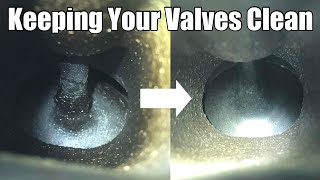
✅ What actually fixed it A professional walnut blasting service to clean carbon buildup from the intake valves. After the cleaning, the misfire code did not return and the idle became smooth.
OEM Part Supersession History
BV6Z-9D289-D→BV6Z-9D289-E (and others)— Common failure item; revisions are common to improve reliability.
Heads up: For the canister purge valve assembly, multiple part numbers exist. It is critical to order the entire assembly with hoses for a direct fit. Some users report success with part BV6Z-9D289-E. Always verify the correct part number for your specific VIN with a dealer.
Helpful Videos



We Have This Part in Stock

The information in this article is provided for general reference and educational purposes only. Vehicle specifications, procedures, and part compatibility can vary by production date, trim level, and region. Always consult your vehicle's factory service manual and verify part numbers before purchasing or performing repairs. Safety-critical components such as airbags, seat belts, and braking systems should be installed by a qualified professional.
- Ford FOCUS:
- 🎬 Helpful Videos
- 🛍️ Shop This Part
- What's Unique About the 2015-2018 Ford FOCUS
- Diagnostic Flowchart
- Symptoms You May Notice
- Most Likely Causes
- Rare But Worth Checking
- Diagnosis Steps
- Parts You'll Likely Need
- Related Codes That Often Appear With This One
- Technical Service Bulletins (TSBs) & Recalls
- Platform-Specific Known Issues
- Mechanic-Grade Diagnostic Values
- Hidden / Shadow Codes Worth Checking
- Scan Tool Commands That Help
- Wiring & Ground Locations
- Real Owner Repair Stories
- OEM Part Supersession History
- 🎟️ Get 5% Off