

P0308 on 2001-2005 Pontiac Aztek: An Impossible Code and How to Find the Real Misfire
P0308 means 'Cylinder 8 Misfire,' but the Pontiac Aztek was only equipped with a 3.4L V6 engine, which has only six cylinders. This code is an error from the scan tool or a misunderstanding. If your Aztek is misfiring, you likely have a different code (P0300-P0306). The most common causes for a misfire on this engine are faulty spark plug wires, a failed ignition coil pack, or leaking lower intake manifold gaskets.
- P0308 is an impossible code for a Pontiac Aztek, which only has a V6 engine. Re-check the code with your scanner.
- The actual misfire code is likely between P0300 and P0306.
- The most probable causes for a misfire on this vehicle are bad spark plugs/wires or a failed ignition coil pack.
- A leaking lower intake manifold gasket is a very common and serious issue on the 3.4L V6 that can cause misfires and should be investigated if you are also losing coolant or have milky oil.
- When replacing a failed lower intake manifold gasket, use an updated metal-frame design (like those from Fel-Pro) instead of the original plastic style to prevent a repeat failure.
What's Unique About the 2001-2005 Pontiac AZTEK
The confusion with code P0308 on a Pontiac Aztek stems from its V6-only powertrain configuration. Generic code readers and broad-ranging General Motors technical service bulletins (TSBs), such as the cited TSB #PIP5628G, cover a wide variety of engines including V8s. This can lead to the incorrect assumption that all listed codes apply to every vehicle. For the Aztek, any misfire code above P0306 is invalid and points to a diagnostic error rather than a vehicle fault.
Diagnostic Flowchart
Tap your situation to follow the diagnostic path that matches what you're seeing on this vehicle.
Symptoms You May Notice
- Flashing or steady Check Engine Light
- Rough or shaky idle
- Hesitation or stumbling during acceleration.
- Noticeable loss of engine power.
- Increased fuel consumption
- Possible fuel smell from the exhaust.
- Searching for or attempting to diagnose a 'Cylinder 8' on a V6 engine.
- Replacing only spark plugs when the spark plug wires are the actual cause of the weak spark.
- Repeatedly replacing ignition components when the root cause is a coolant leak from the Lower Intake Manifold gasket fouling a spark plug.
Most Likely Causes
- Faulty Spark Plugs or Wires 🔴 High Probability Ignition wires are a common wear item and are susceptible to heat degradation, leading to weak or no spark. The rear three plugs and wires are notoriously difficult to access, so they are often neglected during tune-ups.
How to confirm: Inspect spark plug wires for cracks, corrosion, or looseness. Check for rodent damage, as chewed wires are a known cause of misfires on these vehicles. Inspect the spark plugs for wear, fouling, or incorrect gap. You can also swap the wire with a known good cylinder to see if the misfire code follows.
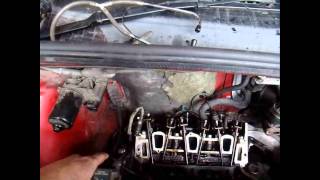
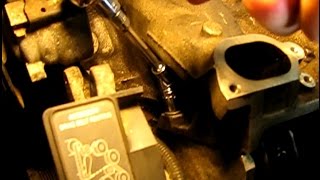
Typical fix: Replace all spark plugs and spark plug wires as a set. Using original equipment ACDelco parts is often recommended 🎬 Watch: Step-by-step spark plug and wire replacement walkthrough to avoid compatibility issues.
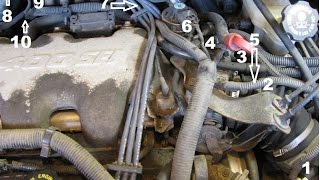
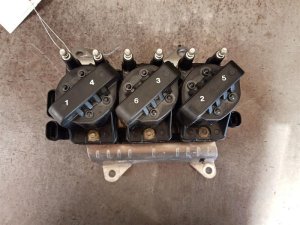
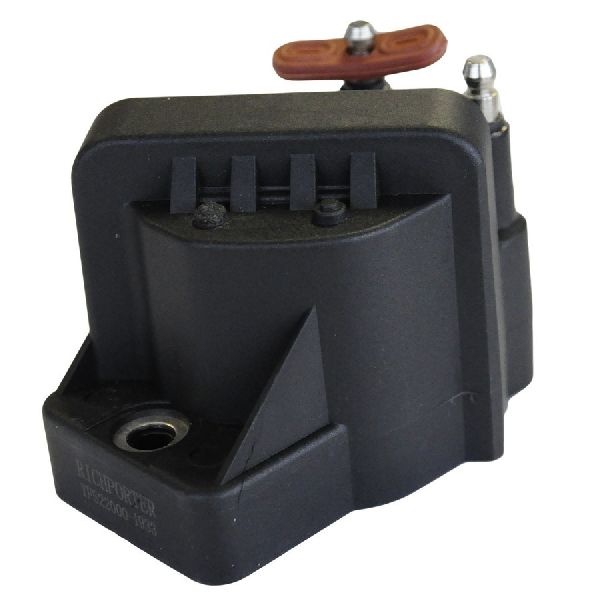
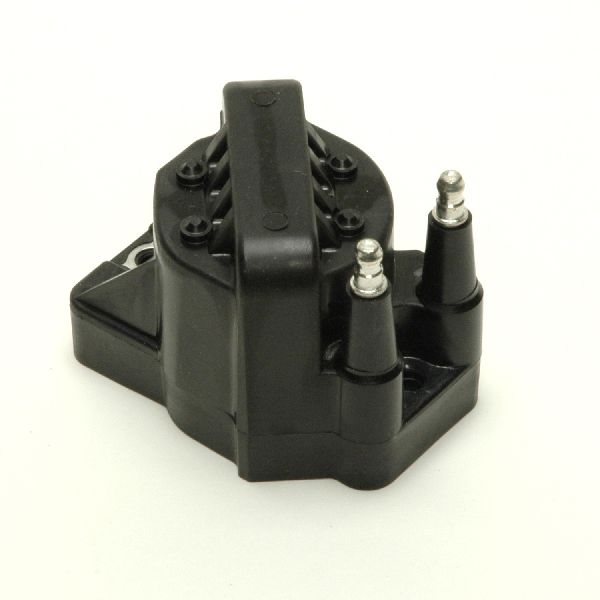
Est. part cost: $40-$100 - Failed Ignition Coil Pack 🔴 High Probability The 3.4L V6 uses a waste-spark ignition system with three coils mounted in a single pack (ACDelco D555). When one coil fails, it affects two companion cylinders simultaneously (e.g., 1-4, 2-5, 3-6), which can sometimes be mistaken for a random misfire. 🎬 See how to diagnose common causes for engine misfires
How to confirm: Swap the suspected coil with a known good one. For example, if you have a P0302 (Cylinder 2 misfire), the coil is shared with cylinder 5. Swapping it with the coil for cylinders 3-6 and seeing if the misfire code changes to P0303 or P0306 would confirm a bad coil.
Typical fix: Replace the entire ignition coil pack. It is a single, bolt-on unit.
Est. part cost: $70-$150 - Leaking Lower Intake Manifold (LIM) Gaskets 🟡 Medium Probability The 3.4L LA1 V6 is notorious for premature failure of the factory plastic/silicone LIM gaskets. The original gaskets degrade from exposure to Dex-Cool coolant, causing coolant to leak externally or, more dangerously, internally into the engine oil. This is arguably the most well-documented design flaw of this engine.
How to confirm: Check for low coolant levels without visible external leaks. Inspect the engine oil for a milky, frothy appearance on the dipstick or oil cap. Look for coolant pooling on top of the engine near the intake manifold. A cooling system pressure test can confirm an internal leak.
Typical fix: Replace the lower intake manifold gaskets with an updated metal-frame design, such as Fel-Pro PermaDryPlus set MS 98014 T. Per GM TSB #03-06-01-010C, the lower intake manifold bolts must also be replaced as the new OEM bolts have a pre-applied threadlocker. This is a labor-intensive job.
Est. part cost: $60-$120 for the gasket set - Clogged or Faulty Fuel Injector ⚪ Low Probability
How to confirm: Use a mechanic's stethoscope or a long screwdriver to listen to the injector; it should make a consistent clicking sound. You can also swap the injector with one from another cylinder to see if the misfire code moves.
Typical fix: Clean or replace the faulty fuel injector.
Est. part cost: $40-$90 per injector
Rare But Worth Checking
- Vacuum Leak: A leak in a vacuum hose or the upper intake plenum can lean out the air-fuel mixture and cause random misfires (P0300) or misfires on specific cylinders.
- Low Fuel Pressure: A weak fuel pump or clogged fuel filter can cause misfires, usually on multiple cylinders and often under load. Fuel pressure at the rail should be 52-59 psi with the ignition on.
- Low Engine Compression: Internal engine issues like a leaking head gasket, worn piston rings, or bad valves can cause a misfire that won't be fixed by replacing ignition or fuel parts. This is a worst-case scenario and should be confirmed with a compression test.
- Rodent Damage to Wiring: In some cases, mice or other rodents have been known to chew through spark plug wires, creating a sudden and severe misfire. A visual inspection of the wiring harness and plug wires is recommended.
Diagnosis Steps
- Confirm the actual trouble code. Re-scan the vehicle with a reliable OBD-II scanner to get the correct misfire code (P0300-P0306).
- Identify the misfiring cylinder from the correct code (e.g., P0301 is cylinder 1).
- Visually inspect the spark plug wire for the corresponding cylinder for any damage, corrosion, loose connections, or signs of rodent chewing.
- If ignition components are suspect, swap the spark plug wire (and if possible, the ignition coil) with an adjacent cylinder. Clear the codes and run the engine to see if the misfire code 'moves' to the other cylinder. If it does, the component you moved is faulty.
- If ignition components are good, inspect the fuel injector for the misfiring cylinder. Listen for a steady clicking sound.
- If you suspect a lower intake manifold gasket leak (a common issue on this engine), check the oil for a milky appearance and the coolant level. Consider a cooling system pressure test.
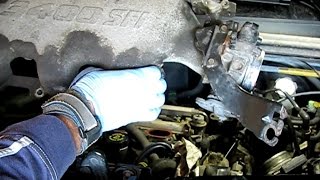
- If performing the LIM gasket replacement, follow the correct torque sequence per TSB #03-06-01-010C. First pass: tighten vertical bolts to 62 in-lbs, then diagonal bolts to 62 in-lbs. Final pass: tighten vertical bolts to 115 in-lbs, then diagonal bolts to 18 ft-lbs. 🎬 Watch: How to properly install the new intake manifold gaskets
- As a final step for persistent misfires, perform a compression test on the affected cylinder to rule out mechanical engine problems like a bad valve or head gasket.
Parts You'll Likely Need
- Spark Plugs and Wire Set
(OEM #ACDelco 9746T (Wire Set Example))— These are the most common wear items that cause misfires on the 3.4L V6.
Trusted brands: ACDelco, NGK, Denso
OEM price range: $60-$120
Aftermarket price range: $40-$100 - Ignition Coil Pack
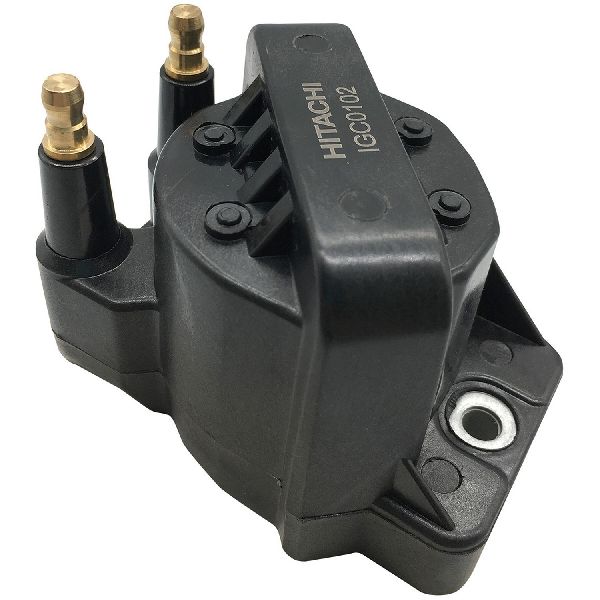
(OEM #ACDelco D555)— The coil pack is another frequent failure point. Since it's a single unit, the entire pack is replaced when one coil fails.
Trusted brands: ACDelco, Delphi, Standard Motor Products
OEM price range: $120-$200
Aftermarket price range: $70-$150 - Lower Intake Manifold Gasket Set — A notorious failure point on the GM 3.4L V6 engine that can cause coolant/oil mixing and misfires. The upgraded metal design is considered a permanent fix.
Trusted brands: Fel-Pro (P/N: MS 98014 T, highly recommended for its improved metal design), MAHLE, ACDelco
OEM price range: $80-$150
Aftermarket price range: $60-$120
Related Codes That Often Appear With This One
- P0300 — If the cause is a vacuum leak, low fuel pressure, or a major issue like a leaking intake gasket, multiple cylinders will likely misfire, triggering the P0300 'Random/Multiple Cylinder Misfire' code.
- P0301-P0306 — These are the valid cylinder-specific misfire codes for the Aztek's V6 engine. The code you see will point to the actual cylinder with the problem (e.g., P0301 for Cylinder 1).
Technical Service Bulletins (TSBs) & Recalls
- Bulletin #PIP5628G: This is a general GM bulletin that mentions codes P0300-P0308 for diagnostic assistance, but its inclusion of P0307/P0308 is for V8 engines, not the Aztek's V6.
- Bulletin #03-06-01-010C: This TSB details the updated procedure for replacing the Lower Intake Manifold gaskets on the 3.4L V6 engine, including the requirement to use new torque-to-yield bolts.
Platform-Specific Known Issues
- The factory lower intake manifold gaskets on the 3.4L V6 are made of a plastic composite that is known to degrade from exposure to Dex-Cool coolant, leading to coolant leaks, engine overheating, and misfires. This is one of the most well-documented problems for this engine family, with GM issuing TSB #03-06-01-010C to address the repair procedure. Owners on forums for the Aztek and its platform mates frequently discuss this specific failure and the need to upgrade to a metal-framed gasket set like the Fel-Pro MS 98014 T for a lasting repair.
Mechanic-Grade Diagnostic Values
- Fuel Pressure (Key On, Engine Off) — expected: 55 psi. Failure: Significantly lower pressure indicates a weak fuel pump, clogged filter, or faulty regulator.
- Ignition Coil Secondary Resistance — expected: 5.7 kΩ (kilo-ohms). Failure: A reading far outside this value indicates a faulty ignition coil.
- Fuel Injector Resistance — expected: 11-14 Ω (ohms). Failure: Readings outside this range suggest a failed injector coil. This is a general value for GM injectors of this era; always verify with a service manual if possible.
- Engine Compression (Healthy Cylinder) — expected: 150-180 psi. Failure: Significantly lower readings, or a variance of more than 15% between cylinders, points to mechanical engine issues like worn rings, bad valves, or a faulty head gasket.
Scan Tool Commands That Help
- Tech 2 / Professional Grade Scan Tool: Crankshaft Variation Relearn (CASE Relearn) — This procedure is mandatory after replacing the crankshaft position sensor, and often recommended after replacing the PCM or flexplate. It allows the PCM to learn the precise position of the crankshaft's reluctor wheel to accurately detect misfires. Failure to perform this can lead to persistent false misfire codes (like P0300) even after repairs are made.
- Tech 2 / Professional Grade Scan Tool: Cylinder Power Balance Test — To actively test for a misfiring cylinder without relying solely on stored codes. The tool will sequentially disable fuel injectors and measure the RPM drop for each cylinder. A cylinder with little to no RPM drop upon deactivation is the one that is not contributing (misfiring).
- Tech 2 / Professional Grade Scan Tool: Security Relearn Procedure — After replacing the Powertrain Control Module (PCM). The new PCM must be synchronized with the vehicle's anti-theft system (Passkey III). This typically involves turning the key to 'ON' for 10-15 minutes until the security light goes out, repeating this process three times.
Wiring & Ground Locations
- Powertrain Control Module (PCM) — In the engine compartment on the driver's side, located within or attached to the air cleaner assembly, under the coolant reservoir.. The PCM is what detects and reports misfires. A faulty PCM or corroded connector can, in rare cases, generate erroneous codes. Its location makes it susceptible to damage during front-end service.
- G111 / G114 / G117 (Engine Grounds) — Mounted on the transmission bellhousing, to the left of the starter motor.. A poor engine-to-chassis ground can cause erratic behavior from critical sensors like the Crankshaft Position Sensor (CKP), leading the PCM to misinterpret data and incorrectly flag a misfire.
- C305 Connector — Under the vehicle, near the driver's seat area, along the frame rail.. This is a notorious weak point on the Aztek. The weatherproof seal fails, allowing moisture to corrode the terminals, especially the one for the fuel pump power. This causes low fuel pressure, mimicking a fuel pump failure and leading to misfires under load.
- Ignition Control Module (ICM) Connector — The ICM is the base for the three ignition coils. The main connector is a 2-way female gray connector.. Corrosion or damage to this primary connector can disrupt power or the trigger signal to the entire ignition system, causing random misfires (P0300) or affecting multiple cylinders.
Real Owner Repair Stories
- Quora user question (Not specified, but relevant to the diagnostic process) — Scanner shows cylinder 1 and 2 misfires, but the car has no symptoms. Clearing the codes results in them reappearing immediately, even before starting the engine.
❌ Tried (didn't work) Clearing codes with a basic scanner.
✅ What actually fixed it The issue described is characteristic of a cheap or incompatible scanner holding onto 'permanent' or 'ghost' codes. A more advanced scan tool or disconnecting the battery for an extended period is required to fully clear the module's memory. The codes appearing with the engine off confirms it's a tool/data issue, not an active misfire. - 2CarPros Forum User (2003 Pontiac Aztek) — Misfire on cylinder 6 (P0306).
❌ Tried (didn't work) Replaced spark plug and wire., Replaced ignition coil pack.
✅ What actually fixed it The user confirmed spark was present. The next diagnostic step, recommended by a mechanic on the forum, was to swap the fuel injector from cylinder 6 to another cylinder and see if the misfire code followed the injector, which would confirm a bad injector.
Model Year Variations Within This Range
- 2001-2005: The Pontiac Aztek was offered for only a single generation (2001-2005) and exclusively with the 3.4L LA1 V6 engine and a 4-speed automatic transmission. While minor cosmetic changes occurred (e.g., body-colored cladding was added after 2001), there were no significant powertrain variations that would affect the diagnosis of a misfire code.
Helpful Videos
Used OEM Parts in Stock

New Aftermarket Parts Available


The information in this article is provided for general reference and educational purposes only. Vehicle specifications, procedures, and part compatibility can vary by production date, trim level, and region. Always consult your vehicle's factory service manual and verify part numbers before purchasing or performing repairs. Safety-critical components such as airbags, seat belts, and braking systems should be installed by a qualified professional.
- Pontiac AZTEK:
- 🎬 Helpful Videos
- 🛍️ Shop This Part
- What's Unique About the 2001-2005 Pontiac AZTEK
- Diagnostic Flowchart
- Symptoms You May Notice
- Most Likely Causes
- Rare But Worth Checking
- Diagnosis Steps
- Parts You'll Likely Need
- Related Codes That Often Appear With This One
- Technical Service Bulletins (TSBs) & Recalls
- Platform-Specific Known Issues
- Mechanic-Grade Diagnostic Values
- Scan Tool Commands That Help
- Wiring & Ground Locations
- Real Owner Repair Stories
- Model Year Variations Within This Range
- 🎟️ Get 5% Off