

P0308 on 2004-2011 GMC Yukon XL: Cylinder 8 Misfire Causes and Fixes
P0308 indicates a misfire in cylinder 8. For 2007-2011 models with Active Fuel Management (AFM), this is frequently caused by a failed AFM lifter, a serious mechanical issue. For all years, start diagnosis by checking the spark plug and ignition coil. A simple ignition coil swap costs under $70, while an AFM lifter repair can exceed $2,500.
- P0308 is a misfire on cylinder 8. On a 2004-2011 Yukon XL, always start diagnosis with the ignition system.
- For 2007-2011 models, this code is a very strong indicator of a failing Active Fuel Management (AFM) lifter, which is a serious and expensive mechanical repair.
- A simple ignition coil swap between cylinders is the fastest and cheapest way to rule out the most common cause.
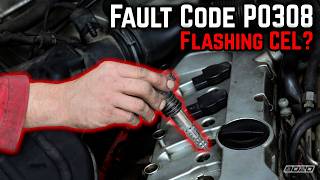
- Do not ignore a flashing check engine light; it signals a severe misfire that can quickly destroy your catalytic converter.
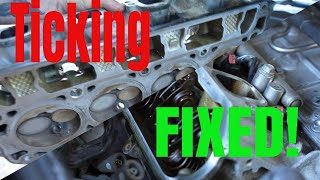
- If you have a 2007-2011 model and hear a persistent ticking noise along with the P0308 code, it is highly probable the cause is internal engine damage related to the AFM system.
What's Unique About the 2004-2011 Gmc YUKON XL
The 2004-2011 GMC Yukon XL spans two generations, with a significant change in 2007. The later 2007-2011 models feature Active Fuel Management (AFM), which deactivates cylinders (1, 4, 6, and 7 on V8s) to improve fuel economy. However, cylinder 8 is adjacent to AFM cylinder 7 and is part of the same cylinder bank, making diagnosis complex. The hydraulic lifters associated with the AFM system are a notorious weak point and a very common cause of misfires on these engines, often presenting as a P0300 or a misfire on an adjacent cylinder before specifying a single one. While standard ignition or fuel problems can still be the cause, a P0308 code on a 2007-2011 Yukon XL, especially if accompanied by a ticking noise, should immediately raise suspicion of a more serious internal engine problem related to the AFM lifters or camshaft, as documented in manufacturer TSBs.
Diagnostic Flowchart
Tap your situation to follow the diagnostic path that matches what you're seeing on this vehicle.
Generation note: This range covers the GMT800 (2004-2006) and GMT900 (2007-2011) generations. The most significant difference is the introduction of Active Fuel Management (AFM) on most V8 engines in the GMT900 generation. This makes the 2007-2011 models highly susceptible to lifter and camshaft failures, which is a primary cause for misfire codes like P0308. While the earlier generation can still have mechanical failures, they are less common and typically not related to AFM components.
Symptoms You May Notice
- Check Engine Light is on or flashing
- Rough or shaking idle
- Engine hesitation or stumbling during acceleration
- Noticeable loss of engine power
- A ticking, chirping, or squeaking noise from the engine bay, indicative of a lifter or camshaft issue
- Strong fuel smell from the exhaust
- "Stabilitrak Off / Service Traction Control" message may appear on the driver information center, especially at idle
- Replacing only the spark plug when the ignition coil is the actual cause.
- Replacing ignition and fuel parts ('firing the parts cannon') when the underlying cause is a mechanical failure like a collapsed AFM lifter, leading to wasted time and money.
- Assuming the misfire must be on an AFM cylinder (1, 4, 6, 7), when the failure of an AFM component can cause issues on adjacent cylinders like 8.
Most Likely Causes
- Failed Ignition Coil 🔴 High Probability Coil-on-plug ignition systems are common points of failure due to constant heat and vibration. It's one of the most frequent causes of a single-cylinder misfire.
How to confirm: Swap the ignition coil from cylinder 8 with another cylinder (e.g., cylinder 6 or 4). Clear the codes and drive the vehicle. If the code changes to P0306 or P0304, the ignition coil is faulty. Cylinder 8 is the rearmost cylinder on the passenger side, making it difficult to access.
Typical fix: Replace the faulty ignition coil. It is often recommended to replace the spark plug at the same time. One owner on a forum reported a brand new ACDelco coil was faulty out of the box, so testing is key.
Est. part cost: $30-$70 - Worn or Fouled Spark Plug 🔴 High Probability Spark plugs are a regular maintenance item. Oil consumption from the AFM system or simply extended service intervals can cause them to foul or wear out, leading to a weak or inconsistent spark.
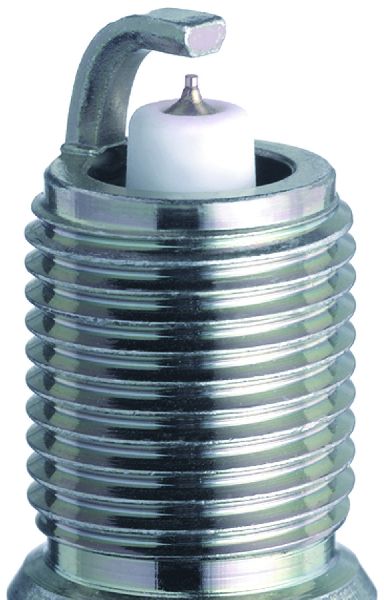
How to confirm: Remove the spark plug from cylinder 8 and inspect it. Look for a worn electrode, heavy carbon buildup, oil fouling, or cracks in the porcelain. A fuel-soaked plug can indicate a lack of spark or a stuck injector.
Typical fix: Replace the spark plug. It is best practice to replace all 8 spark plugs if they are near the end of their service life. Use the correct OEM-spec plug.
Est. part cost: $5-$20 per plug - Collapsed or Sticking AFM Lifter (2007-2011 models) 🔴 High Probability The Active Fuel Management (AFM) system on 2007-2011 V8 engines uses special lifters that are known to fail. They can become stuck or collapse, preventing the valve from opening correctly. While cylinders 1, 4, 6, and 7 are the AFM cylinders, a failure in the system can cause misfires on any cylinder, including P0308.
How to confirm: After ruling out ignition and fuel issues, a distinct ticking or chirping noise from the top of the engine is a strong indicator. A compression test will likely show low or zero compression on cylinder 8. The definitive diagnosis requires removing the passenger-side valve cover to inspect for loose rocker arms and bent pushrods, and potentially removing the cylinder head to inspect the lifters and camshaft for damage.
Typical fix: This is a major repair. It involves replacing all AFM lifters, the valve lifter oil manifold (VLOM), and often the camshaft if it has been damaged by the failed lifter. Many owners and shops opt for an 'AFM delete kit' which replaces the problematic components with standard, non-AFM parts (lifters, camshaft, valley cover) and requires an ECM tune to disable the system.
Est. part cost: $400-$1,200 for parts kits - Faulty Fuel Injector 🟡 Medium Probability
How to confirm: Listen to the injector with a mechanic's stethoscope; it should have a consistent clicking sound. Swapping the injector with another cylinder is a definitive test but is labor-intensive. A user on TahoeYukonForum confirmed a bad #8 injector was the cause after finding the spark plug drenched in raw fuel.
Typical fix: Replace the faulty fuel injector. Sometimes, running a high-quality fuel system cleaner like Techron can resolve a minor clog.
Est. part cost: $50-$150 - Damaged Spark Plug Wire ⚪ Low Probability
How to confirm: Visually inspect the wire for cracks, burns, or corrosion. With the engine running in the dark, look for any arcing from the wire to a metal part of the engine. One owner reported a P0308 caused by coolant from a leaking heater core hose dripping onto the #8 plug wire.
Typical fix: Replace the spark plug wire set.
Est. part cost: $40-$80
Rare But Worth Checking
- Worn Camshaft Lobe: As mentioned in TSB #19-NA-219 (superseding PIP4138P), a worn camshaft lobe can cause a consistent chirp or tick noise and a misfire DTC. This is often a direct result of a failed lifter roller on AFM engines but can also occur from normal wear and tear on high-mileage non-AFM engines.
- Low Engine Compression: Beyond lifter failure, low compression can result from worn piston rings, a broken valve spring, or a leaking head gasket. A cylinder leak-down test can help pinpoint the source of the compression loss.
- Faulty Injector Harness: A user on a Tahoe/Yukon forum reported that a P0308 on a similar vehicle was ultimately traced to a bad connection at the injector harness plug, which was a cheap fix after much diagnosis.
Diagnosis Steps
- Read the code with an OBD-II scanner and confirm P0308 is present. Note any other codes, like P0300 or P050D.
- Check for a flashing check engine light, which indicates a severe misfire that could damage the catalytic converter.
- Start with the simplest ignition components. Swap the ignition coil from cylinder 8 (rear passenger side) to a different cylinder (like 6). Clear the codes and see if the misfire code follows the coil (e.g., to P0306). If it does, the coil is bad.
- If the misfire remains on cylinder 8, inspect and replace the spark plug for cylinder 8. Check for fouling (oil or fuel).
- Inspect the spark plug wire for any visible damage, burns, or arcing.
- If ignition components are good, check the fuel injector on cylinder 8. Listen for a steady clicking sound. A fuel-soaked plug points towards an injector or ignition issue.
- If ignition and fuel systems are ruled out, perform an engine compression test on cylinder 8. A healthy cylinder should show 120-150 PSI or higher; a significant drop indicates a mechanical problem.
- For 2007-2011 models, if compression is low or a ticking noise is present, suspect a failed AFM lifter or worn camshaft. This requires removing the valve cover to inspect the valvetrain for looseness (e.g., loose rocker arm, bent pushrod) and may require cylinder head removal for full diagnosis and repair.
Parts You'll Likely Need
- Ignition Coil
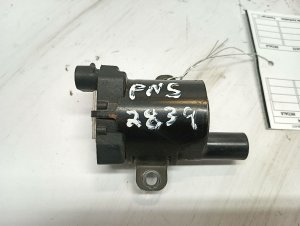
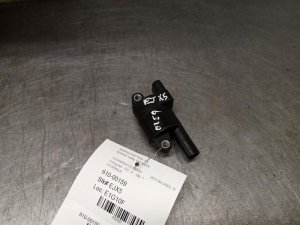
(OEM #ACDelco D510C (for square coils, check visual match))— A common failure point for misfires and one of the easiest parts to diagnose and replace, despite cylinder 8's difficult location.
Trusted brands: ACDelco, Delphi
OEM price range: $50-$80
Aftermarket price range: $30-$60 - Spark Plug
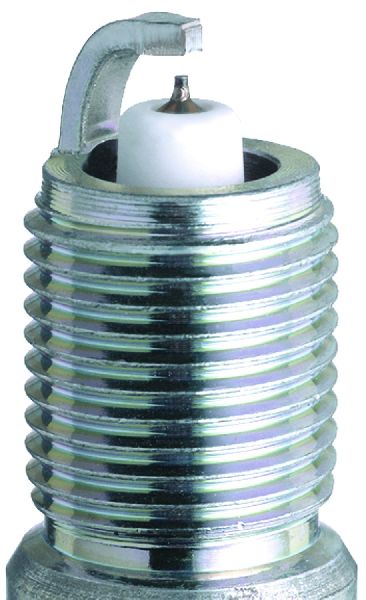
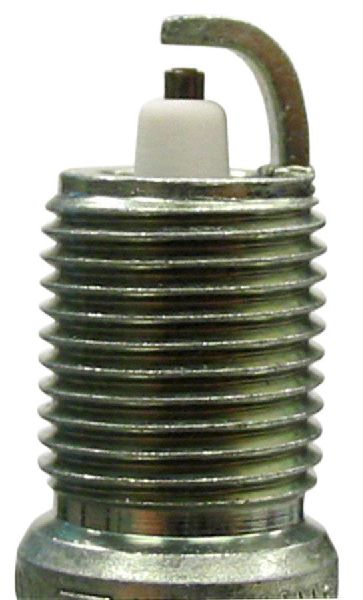
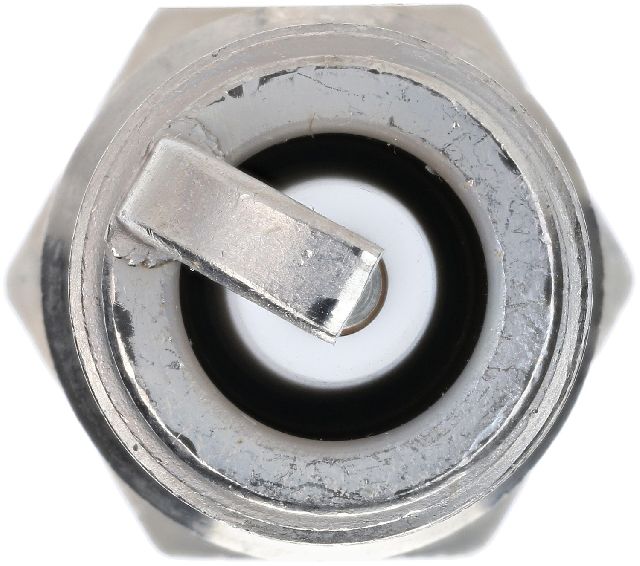
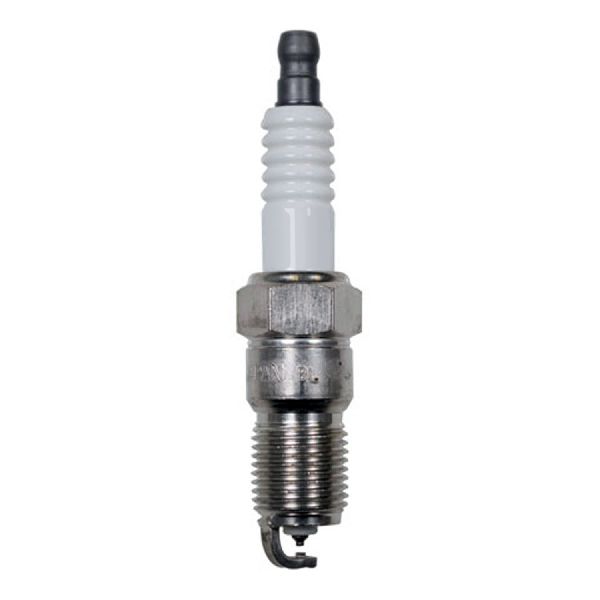
(OEM #ACDelco 41-162 (Iridium))— A standard maintenance item that can cause misfires when worn or fouled. It's an inexpensive first step in diagnosis.
Trusted brands: ACDelco, NGK
OEM price range: $10-$20
Aftermarket price range: $5-$15 - AFM Lifters & Gasket Set (2007-2011) — For models with Active Fuel Management, lifter failure is a very common cause of misfires. Repair requires replacing the lifters (often all of them), head gaskets, valley cover gasket, and other seals.
Trusted brands: GM, Melling, Texas Speed
OEM price range: $500-$900
Aftermarket price range: $300-$700
Related Codes That Often Appear With This One
- P0300 — If the condition causing the P0308 is severe or intermittent, or if other cylinders are also beginning to fail (e.g., multiple failing lifters), a P0300 'Random/Multiple Cylinder Misfire' code may also be set.
- P050D — TSB #PIP5628C links P030x codes with P050D (Cold Start Rough Idle), suggesting they can appear together when diagnosing complex misfire conditions. A Reddit user with a P0308 also had a P050D.
Technical Service Bulletins (TSBs) & Recalls
- TSB #19-NA-219: Supersedes PIP4138P. Details diagnosis for engine misfire (P0300-P0308) and/or engine noise (chirp, squeak, tick). Points to potential causes like a worn camshaft lobe, sticking valve, broken valve spring, or a collapsed AFM lifter when standard diagnostics don't find the cause.
- TSB #PIP5628C: Communicates information needed by GM's Technical Assistance Center (TAC) for diagnosing vehicles with misfire codes P0300-P0308 and/or cold start rough idle code P050D.
- TSB #15-06-01-002F: Discusses engine misfire/tick noise with P0300, attributing the cause to a mechanically collapsed or stuck AFM lifter, potentially due to oil aeration. Recommends inspecting the camshaft for damage when replacing lifters.
Platform-Specific Known Issues
- AFM Lifter Failure (2007-2011): The most notorious issue for this generation. A collapsed or stuck AFM lifter is a very common cause for misfires, often accompanied by a ticking noise and low compression. The repair is invasive and expensive, often leading owners to install an 'AFM Delete Kit' for a permanent solution.
- Cylinder #8 Accessibility: Cylinder 8 is the rearmost cylinder on the passenger side of the engine, tucked back near the firewall. This location makes accessing the spark plug, spark plug wire, and ignition coil significantly more difficult than for other cylinders, adding time and frustration to the diagnosis of simple ignition problems.
Mechanic-Grade Diagnostic Values
- Fuel Pressure (Key On, Engine Off) — expected: 55-62 psi for 2007-2011 (GMT900) returnless systems. 48-54 psi for 2004-2006 (GMT800) return-style systems.. Failure: Pressure below the specified range indicates a weak fuel pump, clogged filter, or faulty regulator.
- Fuel Injector Resistance — expected: Approximately 12.5 - 13.5 Ohms.. Failure: A reading significantly outside this range, or an open circuit (infinite resistance), indicates a failed injector coil.
Hidden / Shadow Codes Worth Checking
- N/A (Misfire Counter Data): While not a 'code', professional scan tools like the GM Tech2 or GDS2 can display live 'misfire counters' for each cylinder. This allows a technician to see misfires as they happen, even if they aren't frequent enough to set a hard code immediately. For P0308, the counter for cylinder 8 would be increasing. (see via Requires a professional-grade scan tool with access to GM-specific live data.)
Scan Tool Commands That Help
- GM Tech2 / GDS2: Fuel Injector Balance Test — This bidirectional command is used after ruling out spark issues. The tool commands the fuel pump to pressurize the system, then fires a single injector and measures the pressure drop. A smaller-than-specified pressure drop on cylinder 8 points directly to a clogged or failing injector.
Wiring & Ground Locations
- G102 — Located at the left rear of the engine.. This is the primary ground point for all 8 ignition coils. A loose or corroded connection here can cause a weak or inconsistent spark on any cylinder, including cylinder 8, leading to a misfire.
- G104 / G105 — Located on the front of the engine block, often near the alternator or on the cylinder head.. These are major engine block grounds. A poor connection can affect the Engine Control Module (ECM) and its sensors, potentially causing incorrect readings and phantom misfires. Ensuring these are clean and tight is a crucial step in diagnosing electrical-related misfires.
Real Owner Repair Stories
- Chevy Tahoe Forum user (2018 Yukon Denali with 89k miles (Similar L86 6.2L engine with AFM)) — Check engine light came on after rapid acceleration, with codes for cylinder 7 misfire and random misfire. Rough idle and fuel-rich exhaust smell.
✅ What actually fixed it Owner pulled the driver's side valve cover and visually confirmed a bad AFM lifter on cylinder #7 (adjacent to #8). The pushrod was not bent. The owner planned to perform an AFM delete by installing LS7 lifters and plugging the AFM oil ports. This story confirms the failure pattern of AFM lifters causing specific cylinder misfires.
OEM Part Supersession History
12570616→ACDelco D510C / GM 12611424— Part consolidation and minor revisions.
Heads up: This is the common 'square' style ignition coil. Always visually match the coil on the vehicle, as some early or transitional models could use a different style.N/A→N/A— N/A
Heads up: CRITICAL: The standard GM hydraulic roller lifter is part number 12648846. However, this part will NOT work in cylinders with Active Fuel Management (AFM). Attempting to use a non-AFM lifter in an AFM port will result in engine failure. An AFM-delete kit uses a full set of these standard lifters but also requires replacing the camshaft and disabling AFM in the ECM.
Model Year Variations Within This Range
- 2004-2006 vs 2007-2011: The fuel system design changed between the GMT800 and GMT900 generations. Early models (2004-2006) typically use a return-style fuel system with a lower pressure spec (48-54 psi), while later models (2007-2011) use a returnless system with a higher pressure spec (55-62 psi). Using the wrong specification during diagnosis can lead to misinterpretation of fuel pressure test results.
Helpful Videos
Used OEM Parts in Stock


New Aftermarket Parts Available


The information in this article is provided for general reference and educational purposes only. Vehicle specifications, procedures, and part compatibility can vary by production date, trim level, and region. Always consult your vehicle's factory service manual and verify part numbers before purchasing or performing repairs. Safety-critical components such as airbags, seat belts, and braking systems should be installed by a qualified professional.
- Gmc YUKON XL:
- 🎬 Helpful Videos
- 🛍️ Shop This Part
- What's Unique About the 2004-2011 Gmc YUKON XL
- Diagnostic Flowchart
- Symptoms You May Notice
- Most Likely Causes
- Rare But Worth Checking
- Diagnosis Steps
- Parts You'll Likely Need
- Related Codes That Often Appear With This One
- Technical Service Bulletins (TSBs) & Recalls
- Platform-Specific Known Issues
- Mechanic-Grade Diagnostic Values
- Hidden / Shadow Codes Worth Checking
- Scan Tool Commands That Help
- Wiring & Ground Locations
- Real Owner Repair Stories
- OEM Part Supersession History
- Model Year Variations Within This Range
- 🎟️ Get 5% Off