

P0308 on 2010-2014 GMC Yukon Denali: Cylinder 8 Misfire Causes & Fixes
P0308 on a 2010-2014 GMC Yukon Denali indicates a misfire in cylinder 8. Common causes include a bad spark plug, wire, or ignition coil. However, the 6.2L L94 engine is notorious for Active Fuel Management (AFM) lifter failure, a more severe issue that often presents with a single-cylinder misfire. Early diagnosis is key to avoid damaging the catalytic converter or the camshaft.
- P0308 is a misfire on cylinder 8, the rearmost cylinder on the driver's side of the engine.
- Always start diagnosis with the simple and cheap fixes: check the spark plug wire, then swap the spark plug and ignition coil.
- Be aware that this specific vehicle has a known issue with Active Fuel Management (AFM) lifters failing, which also causes a P0308 code.
- A persistent misfire that isn't solved by ignition or fuel system parts likely points to a failed lifter, which is a major repair.
- Driving with a flashing check engine light can cause expensive damage to your catalytic converter.
What's Unique About the 2010-2014 Gmc YUKON DENALI
The 2010-2014 GMC Yukon Denali is equipped with a 6.2L V8 (RPO code L94) featuring Active Fuel Management (AFM). This system deactivates four cylinders (1, 4, 6, and 7) under light loads to improve fuel economy. It uses special, complex hydraulic lifters that are a well-documented weak point across the GM truck and SUV lineup. These AFM lifters can become stuck or collapse due to issues with oil pressure, contamination, or internal component wear. A collapsed lifter prevents the valve from opening, causing a persistent misfire. Therefore, a P0308 code (a non-AFM cylinder) must be taken seriously, as it could point to standard ignition or fuel issues, but the overall engine design's propensity for valvetrain problems, including camshaft wear from failed lifters, warrants a thorough diagnosis.
Diagnostic Flowchart
Tap your situation to follow the diagnostic path that matches what you're seeing on this vehicle.
Symptoms You May Notice
- Rough or shaky idle
- Hesitation or stumbling during acceleration
- Noticeable loss of engine power
- Flashing or solid Check Engine Light
- Smell of raw fuel from the exhaust
- Engine ticking or squeaking noise, especially when warm (indicative of lifter/cam issues)
- Replacing oxygen sensors. O2 sensors report the state of the exhaust gas. A misfire will cause poor readings, but the O2 sensor is the messenger, not the cause of a single-cylinder misfire.
- Ignoring a ticking noise. A ticking or chirping noise is a mechanical problem. Continuing to drive can turn a lifter replacement into a full engine replacement.
Most Likely Causes
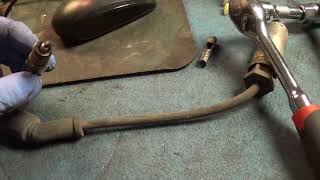
- Worn Spark Plug or Faulty Spark Plug Wire 🔴 High Probability Spark plugs and wires are maintenance items that wear out. Cylinder 8 is the rearmost cylinder on the passenger side, making it difficult to access and sometimes neglected. A GM Technical Service Bulletin (TSB #PIP4819A) specifically calls out checking for loose spark plug wires as a primary diagnostic step for P030x codes. 🎬 See how to quickly check for loose spark plug wires.
How to confirm: Inspect the spark plug for wear, carbon fouling, or damage. Check the spark plug wire for a secure connection, corrosion, or test its resistance with a multimeter (should not exceed 30,000 ohms). The most effective DIY test is to swap the spark plug and wire from cylinder 8 with another cylinder (e.g., cylinder 6, which is easier to access on the same bank). Clear the codes and drive. If the misfire code changes to P0306, the plug or wire is the culprit.
Typical fix: Replace the spark plug and/or spark plug wire for cylinder 8. It is highly recommended to replace all 8 spark plugs and wires simultaneously for balanced engine performance and to avoid future misfires.
Est. part cost: $15-$60 for a single plug and wire, or $80-$150 for a full set. - Failed Ignition Coil 🔴 High Probability
How to confirm: Swap the ignition coil from cylinder 8 with another cylinder (e.g., cylinder 6). Clear the codes with a scanner and drive the vehicle. If the code returns as P0306, the ignition coil is faulty. Cylinder 8 is on the passenger side, rearmost position.
Typical fix: Replace the failed ignition coil. The coil is typically held on by two 10mm bolts.
Est. part cost: $85-$110 for a quality aftermarket or OEM brand. - Failed Active Fuel Management (AFM) Lifter 🟡 Medium Probability The AFM system in the 6.2L V8 uses special lifters that are prone to failure. They can get stuck or collapse, preventing the valve from opening and causing a persistent misfire. While cylinder 8 is not an AFM cylinder, the entire valvetrain system, including the camshaft, is susceptible to damage when any lifter fails. A ticking noise is a classic symptom. TSB #PIP4138R and its successor #19-NA-219 point to internal engine issues like worn lifters as a potential cause for P030x codes after basic checks fail.
How to confirm: This is an advanced diagnosis. After ruling out ignition and fuel, a compression test is the next step. Low compression on cylinder 8 points towards a mechanical issue. A distinct 'ticking' or 'chirping' noise that changes with engine RPM is a strong indicator. Professional diagnosis involves removing the valve cover to check for a loose rocker arm or bent pushrod, which would confirm a collapsed lifter.
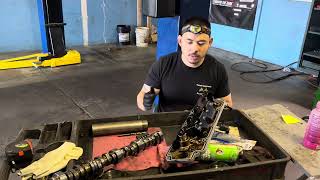
Typical fix: This is a major repair. It requires removing the cylinder head to replace the failed lifter(s) and lifter guides. Crucially, the camshaft must be inspected for lobe damage, as a failed lifter often destroys the corresponding cam lobe, necessitating camshaft replacement. 🎬 Watch this detailed walkthrough of the lifter and camshaft replacement. Many owners and shops recommend a full 'AFM delete' at this time, replacing all 16 lifters, the camshaft, and the Valve Lifter Oil Manifold (VLOM) with non-AFM components and reprogramming the ECU to prevent future failures.
Est. part cost: $500 - $2000+ for parts, depending on camshaft damage and whether an AFM delete kit is used. - Clogged or Faulty Fuel Injector ⚪ Low Probability
How to confirm: After ruling out ignition components, you can swap the fuel injector from cylinder 8 with another cylinder. If the misfire code follows the injector, it is the cause. A less intensive check is to listen for a steady clicking sound from the injector with a mechanic's stethoscope to confirm it's activating. A user on TahoeYukonForum reported a P0308 caused by a failed, non-OEM injector that was dumping raw fuel.
Typical fix: Replace the faulty fuel injector. It's often recommended to replace them as a set if they are original and high-mileage.
Est. part cost: $50-$120 per injector.
Rare But Worth Checking
- Worn Camshaft Lobe: This is almost always a direct consequence of a failed lifter (AFM or standard). The roller on the lifter stops spinning and grinds down the camshaft lobe. TSB #PIP4138R and #19-NA-219 specifically mention inspecting the cam if a lifter is suspected to have failed. If a lifter has failed, the camshaft MUST be inspected.
- Vacuum Leak: A leak from a deteriorated intake manifold gasket near the runner for cylinder 8 can lean out the air/fuel mixture and cause a misfire. One owner on a forum reported fixing a persistent misfire by tightening the intake manifold bolts.
- Low Compression (Rings/Valves): Beyond lifter failure, low compression can be caused by worn piston rings, a burnt exhaust valve, or a bent valve. A cylinder leak-down test after a failed compression test can pinpoint the source of the pressure loss.
- Clogged Valve Lifter Oil Manifold (VLOM) Filter: A small filter screen under the oil pressure sensor can get clogged with sludge, restricting oil flow to the lifters and contributing to AFM lifter failure. It is recommended to replace this screen during any major lifter or cam service.
Diagnosis Steps
- Read the codes with an OBD-II scanner. Note freeze-frame data to see when the misfire occurs (idle, load, etc.). Check for a cylinder misfire counter data PID to confirm the fault is isolated to cylinder 8. 🎬 Watch this quick diagnostic guide to isolate your misfire.
- Check the spark plug wire for cylinder 8 (passenger side, rearmost) to ensure it is secure, as per TSB #PIP4819A.
- Swap the ignition coil from cylinder 8 to cylinder 6 (an easier-to-access cylinder on the same bank). Clear codes and drive. If the code changes to P0306, the coil is bad.
- If the code remains P0308, swap the spark plug from cylinder 8 to another cylinder. If the code follows the plug, the plug is bad.
- Listen for an audible ticking from the engine. A rhythmic tick that increases with RPM points strongly to a valvetrain issue.
- If ignition components are good, check the fuel injector. Listen for a consistent clicking with a stethoscope. For a definitive test, swap the injector with another cylinder (more labor-intensive).
- If the misfire persists, perform a cylinder compression test on cylinder 8. A reading significantly lower than other cylinders indicates a mechanical fault. Healthy cylinders typically show 120 to 150 PSI.
- If compression is low, the most likely cause on this engine is a failed lifter. This requires removing the valve cover for visual inspection of the rocker arms and pushrods. A loose, wobbly rocker arm confirms a collapsed lifter. At this point, professional service is highly recommended for repair and camshaft inspection.
Parts You'll Likely Need
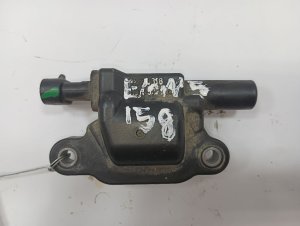
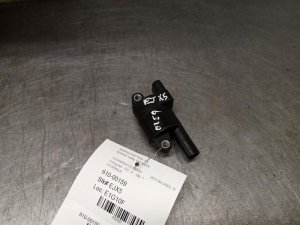
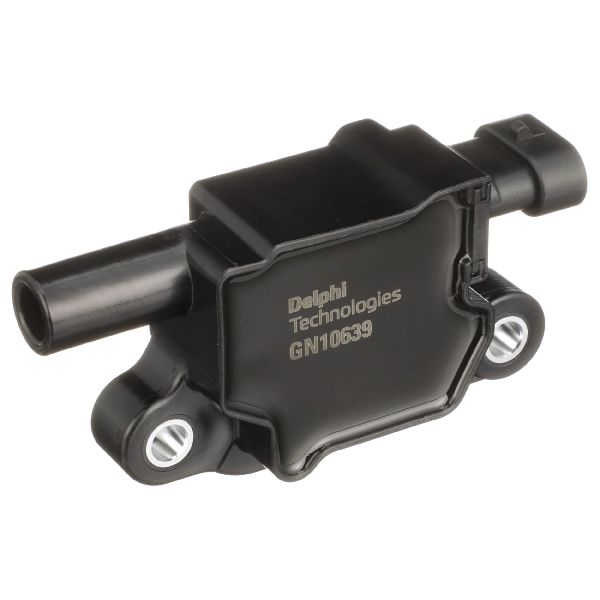
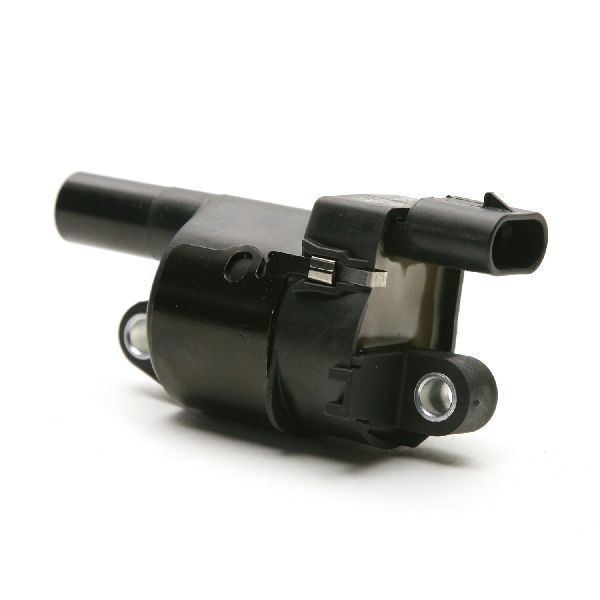
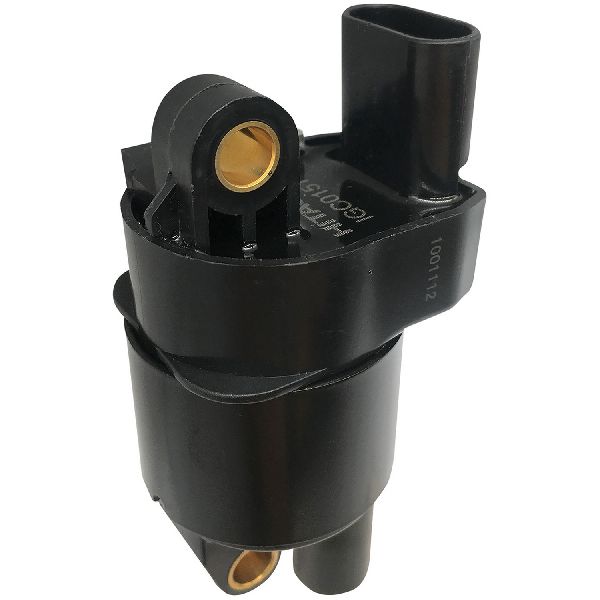
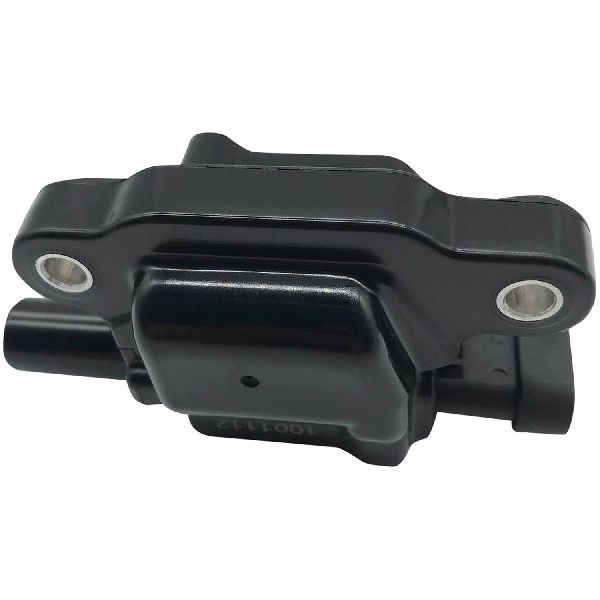
- Ignition Coil
(OEM #12611424 (supersedes 12570616))— A very common and straightforward failure point for single-cylinder misfires.
Related Codes That Often Appear With This One
- P0300 — If the condition causing the P0308 is severe or intermittent, it can disrupt the engine's rhythm enough to trigger a P0300 (Random/Multiple Misfire Detected) code. This is very common with a failing AFM lifter that is beginning to affect engine timing and stability.
Technical Service Bulletins (TSBs) & Recalls
- PIP5628C: Notes that P0308 is a code related to engine misfires that may require specific diagnostic information.
- PIP4819A: Directly links P030x codes to loose spark plug wires and recommends inspection and replacement as a first step.
- PIP4138R (and successor 19-NA-219): Advises that if common diagnostics fail, technicians should check for worn camshaft lobes and/or collapsed lifters as a cause for P030x codes, often accompanied by a tick or chirp noise.
- PIP4568R: Discusses engine misfires on AFM cylinders (1, 4, 6, 7) due to collapsed or stuck lifters, highlighting the commonality of the issue across the V8 engine family.
Platform-Specific Known Issues
- Active Fuel Management (AFM) / Displacement on Demand (DOD) lifter failure is the most significant known issue for this engine. The system's complexity leads to a high rate of valvetrain failure. A misfire code is often the first symptom of a collapsing lifter, which can quickly lead to camshaft lobe destruction if not addressed. The failure is so common that it has resulted in class-action lawsuits against GM. When performing a repair for a failed lifter, it is critical to also replace the Valve Lifter Oil Manifold (VLOM) and its filter screen, and to thoroughly inspect the camshaft.
Mechanic-Grade Diagnostic Values
- Fuel Injector Resistance — expected: 12-17 Ohms for most gasoline engines. High-impedance injectors should be within this range.. Failure: A reading significantly outside the 12-17 Ohm range, or an open/short circuit, indicates a faulty injector coil.
- Cylinder Compression — expected: 120-150 PSI, with minimal variation between cylinders.. Failure: A pressure reading significantly below 120 PSI, or more than 15-20% lower than other cylinders, points to a mechanical issue like worn piston rings, valves, or a failed lifter preventing valve operation.
Hidden / Shadow Codes Worth Checking
- Mode 6, TID $A2-$AB, CID $01-$0C: Mode 6 data can display raw misfire counts for each cylinder from the last 10 drive cycles, even if the counts aren't high enough to set a P030x code. For GM, Test IDs $A2 through $AB often correspond to cylinder misfire data. (see via A professional scan tool or an advanced OBD-II reader with Mode 6 capability is required. The specific Test ID (TID) and Component ID (CID) can vary by year and model, but this is the general range to look for.)
Scan Tool Commands That Help
- GDS2 / Tech2 or equivalent professional scanner: Injector Balance Test — This bidirectional test is used when a fuel injector is suspected. The tool commands each injector to open for a set duration while monitoring the corresponding drop in fuel rail pressure. If the pressure drop for cylinder 8 is significantly different from the others, it confirms a flow issue with that injector.
- GDS2 / Tech2 or equivalent professional scanner: Cylinder Misfire Counter — This is a live data PID, not a command. It should be monitored during diagnosis to confirm that misfires are exclusively or primarily happening on cylinder 8. This helps rule out a random misfire (P0300) condition that is coincidentally logging a P0308 first.
Wiring & Ground Locations
- G102 — Located at the left rear of the engine; may also be described as being on the back of the driver's side cylinder head.. This ground is for the 8 ignition coils. A poor connection here could cause weak or intermittent spark on one or more cylinders, leading to a misfire code.
- G103 — Located on the front of the right (passenger) side cylinder head. It is part of the main negative battery cable harness.. This is a primary ground for the Engine Control Module (ECM). A corroded or loose G103 can cause a host of erratic engine behavior and seemingly unrelated codes, including misfires, due to incorrect sensor readings and actuator commands.
- Engine Block to Firewall Strap — A braided ground strap connecting the rear of the engine block/cylinder head to the vehicle's firewall.. This strap ensures the engine block has a solid ground connection to the vehicle body (chassis). If this strap is broken or corroded, the ignition system may find alternative, less effective ground paths, potentially causing a weak spark and misfires.
Real Owner Repair Stories
- YouTube user "Sean's DIY & Reviews" (2006 Dodge Ram 1500 with 245,000 miles (Note: Different vehicle, but identical symptom, diagnostic process, and mechanical failure mode relevant to GM V8s)) — P0308 misfire code and an audible engine tick.
❌ Tried (didn't work) Replacing the spark plug for cylinder 8., Swapping ignition coils between cylinders.
✅ What actually fixed it Upon removing the valve cover, the rocker arm for one of the valves on cylinder 8 had completely fallen off and was lying in the head. This was caused by a collapsed lifter. The fix was to replace the failed lifter and reinstall the rocker arm, which restored valve function and resolved the misfire.
OEM Part Supersession History
12571595, 12619820, 12639516→12645725, 12680871, 12698946— GM has updated the AFM/DOD lifter design multiple times to improve reliability and address high failure rates.
Heads up: The original AFM lifter (e.g., Elgin HL-7011) will only fit AFM applications. Later DFM (Dynamic Fuel Management) lifters (e.g., Elgin HL-7025) from 2019+ engines may be backward compatible, but it is critical to use the correct part for the specific engine RPO code. Always replace lifters as a set for the affected bank, or ideally all 16.
Model Year Variations Within This Range
- 2010-2014: The 6.2L V8 (L94) in the 2010-2014 Yukon Denali specifically includes Active Fuel Management (AFM). The earlier 6.2L (L92) used in 2007-2008 Denalis did not have AFM, making them not susceptible to the common AFM lifter failure mode, though standard lifter failure is still possible.
Helpful Videos
Used OEM Parts in Stock
New Aftermarket Parts Available


The information in this article is provided for general reference and educational purposes only. Vehicle specifications, procedures, and part compatibility can vary by production date, trim level, and region. Always consult your vehicle's factory service manual and verify part numbers before purchasing or performing repairs. Safety-critical components such as airbags, seat belts, and braking systems should be installed by a qualified professional.
- Gmc YUKON DENALI:
- 🎬 Helpful Videos
- 🛍️ Shop This Part
- What's Unique About the 2010-2014 Gmc YUKON DENALI
- Diagnostic Flowchart
- Symptoms You May Notice
- Most Likely Causes
- Rare But Worth Checking
- Diagnosis Steps
- Parts You'll Likely Need
- Related Codes That Often Appear With This One
- Technical Service Bulletins (TSBs) & Recalls
- Platform-Specific Known Issues
- Mechanic-Grade Diagnostic Values
- Hidden / Shadow Codes Worth Checking
- Scan Tool Commands That Help
- Wiring & Ground Locations
- Real Owner Repair Stories
- OEM Part Supersession History
- Model Year Variations Within This Range
- 🎟️ Get 5% Off