

P0308 on 2001-2003 GMC Sierra 1500 HD: Cylinder 8 Misfire Causes and Fixes
P0308 on a 2001-2003 GMC Sierra 1500 HD signifies a misfire in cylinder 8. The most common culprits are a bad spark plug, spark plug wire, or ignition coil. A DIY fix for these parts costs between $50 and $150. However, if these basic parts don't solve the issue, a more serious mechanical problem like a worn camshaft lobe could be the cause, as noted in GM Technical Service Bulletins.
- P0308 means cylinder 8 (rear passenger side) is misfiring.
- Always start diagnosis by swapping the #8 ignition coil with another cylinder; this is a fast, free, and effective test.
- Do not drive if the Check Engine Light is flashing to avoid catastrophic damage to the catalytic converter.
- The most likely fixes are simple ignition components: spark plug, wire, or coil.
- If basic fixes fail, be aware of the documented possibility of a more serious internal engine issue like a worn camshaft, as noted in GM service bulletins.
What's Unique About the 2001-2003 Gmc SIERRA 1500 HD
The 2001-2003 Sierra 1500 HD is equipped with the robust 6.0L Vortec V8 (LQ4), a workhorse from the GMT800 platform. While the common causes for a P0308 misfire are standard ignition or fuel parts, this specific engine family has a documented history of more severe mechanical issues. Manufacturer Technical Service Bulletins (TSBs), specifically #PIP4138R (now superseded by #19-NA-219), explicitly link P0300-P0308 codes to the possibility of worn camshaft lobes and lifters, which can cause a persistent misfire that isn't resolved by a simple tune-up.
Diagnostic Flowchart
Tap your situation to follow the diagnostic path that matches what you're seeing on this vehicle.
Symptoms You May Notice
- Flashing or steady Check Engine Light
- Rough or shaking idle
- Engine hesitation or stumbling during acceleration
- Noticeable loss of engine power
- Reduced fuel economy
- Engine noise, such as a tick or chirp (in case of mechanical wear).
- Replacing oxygen (O2) sensors. O2 sensors report on combustion efficiency; a misfire will cause bad readings, but the sensor is rarely the cause of a specific cylinder misfire.
- Assuming a tune-up will fix it without diagnosis. While spark plugs are a common cause, swapping the coil first is a free diagnostic step that can prevent unnecessary parts replacement.
Most Likely Causes
- Worn or Fouled Spark Plug 🔴 High Probability Spark plugs are a routine wear item. While the original service interval was 100,000 miles, factors like fuel quality and engine condition can shorten their life.
How to confirm: Remove the spark plug from cylinder 8 and inspect it for wear, carbon buildup, or oil/fuel fouling. A fouled plug can also indicate other engine issues.
Typical fix: Replace the spark plug. It is best practice to replace all 8 spark plugs at the same time to ensure consistent performance. The original 0.060" plug gap was later revised by GM to 0.040" for better performance with iridium plugs.
Est. part cost: $5-$15 per plug - Bad Spark Plug Wire 🟡 Medium Probability The wire for cylinder 8 is long and routed in a hot area of the engine bay. More specifically, coolant leaks from the heater core quick-connect fittings on the firewall are widely reported by owners to drip directly onto the #8 wire and coil, causing corrosion and failure.
How to confirm: Visually inspect the wire for damage, corrosion, or burns. Check for coolant residue around the firewall fittings above cylinder 8. With the engine running in a dark place, you may see electrical arcing from the wire to the engine block. Test resistance with a multimeter.
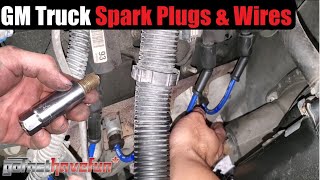
Typical fix: Replace the spark plug wire. It is highly recommended to replace the entire set of 8 wires. 🎬 See this step-by-step guide for replacing your plugs and wires.
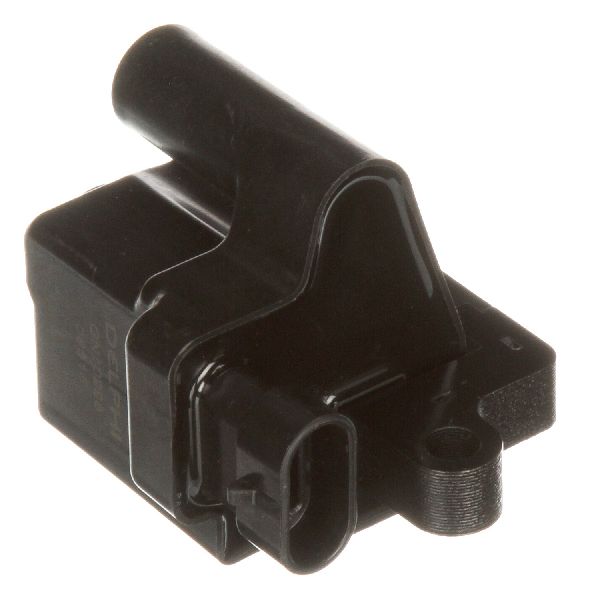
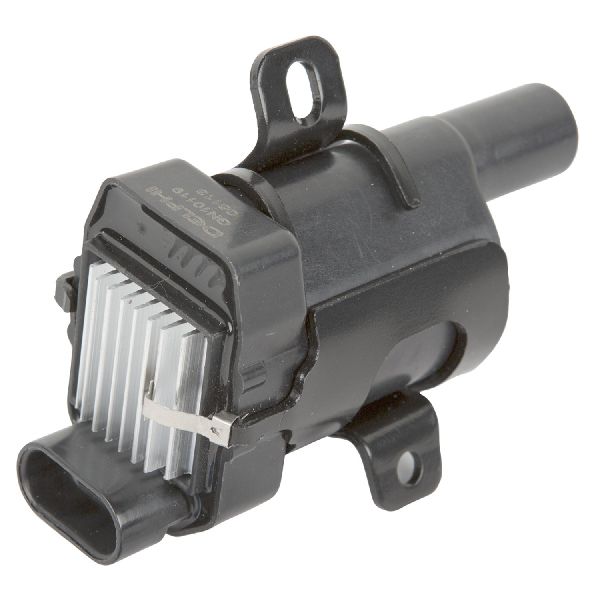
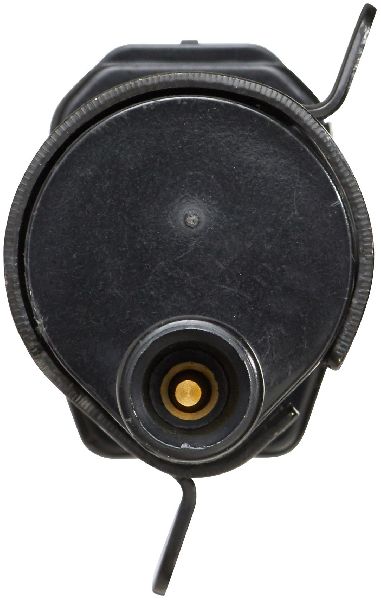
Est. part cost: $40-$80 for a set - Defective Ignition Coil 🟡 Medium Probability The individual coil-on-plug design is generally reliable but can fail due to age and heat cycles. The location of cylinder 8 at the rear of the engine bay subjects it to significant heat. Note that different coil styles (square 'Delphi' vs. round 'Melling'/'ACDelco D585') were used, so visual confirmation is needed before purchasing a replacement.
How to confirm: Swap the ignition coil from cylinder 8 with another cylinder (e.g., cylinder 6). Clear the codes and drive. If the misfire code changes to P0306, the coil is bad.
Typical fix: Replace the faulty ignition coil. While you can replace just one, some owners prefer to replace them in sets.
Est. part cost: $30-$70 for one OEM-quality coil - Clogged or Failed Fuel Injector ⚪ Low Probability Fuel system issues are less common than ignition failures but can occur with age or due to fuel contamination.
How to confirm: Listen to the injector with a mechanic's stethoscope or a long screwdriver; you should hear a consistent, rhythmic clicking. If it's silent or the sound is erratic, it may be faulty. You can also swap the injector with another cylinder to see if the misfire follows.
Typical fix: Replace the faulty fuel injector. It's also recommended to replace the O-rings and seals.
Est. part cost: $40-$90 for one injector - Worn Camshaft Lobe and/or Lifter ⚪ Low Probability This is a known, though less common, issue documented in GM Technical Service Bulletin #PIP4138R (and its successor, 19-NA-219) for this engine family. It can occur due to oiling issues or simple high-mileage wear. Owners on forums have documented this exact failure on high-mileage LQ4 engines.
How to confirm: This is an advanced diagnosis. If ignition and fuel system checks do not resolve the misfire, and especially if a persistent ticking or chirping noise is present that occurs at half the engine speed, internal engine inspection is required. This involves removing the valve cover to observe rocker arm movement and pushrod length, and may require head removal to inspect the lifters and camshaft.
Typical fix: This is a major repair requiring the replacement of the camshaft and all 16 lifters. It is often performed along with a new timing chain and oil pump.
Est. part cost: $400-$800+ for parts alone. Professional repair can cost between $2,500 and $4,900.
Rare But Worth Checking
- Intake Manifold Gasket Leak: A vacuum leak near the cylinder 8 intake runner can lean out the air/fuel mixture, causing a misfire. This can sometimes trigger a P0171 or P0174 lean code as well. A smoke test is the best way to confirm this.
- Low Compression: A mechanical issue like a burnt valve, broken valve spring, worn piston rings, or a head gasket failure can cause a loss of compression, leading to a misfire. A compression test and a cylinder leak-down test are required for diagnosis.
Diagnosis Steps
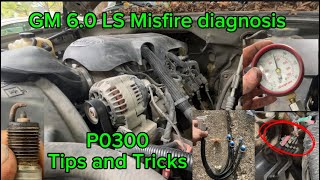
- Read the code with an OBD-II scanner and confirm P0308 is active. 🎬 Watch: A pro walkthrough on diagnosing misfires on the 6.0L engine. Note if the Check Engine Light is flashing.
- Visually inspect the area around cylinder 8 (rear passenger side) for loose wires, damaged connectors, or signs of coolant leaks from the heater hose connections on the firewall.
- Swap the ignition coil from cylinder 8 with cylinder 6 (the one in front of it). Clear the codes and run the engine. If the code changes to P0306, the ignition coil is the problem.
- If the code remains P0308, remove and inspect the spark plug. Look for excessive wear, fouling, or damage. Replace if necessary.
- Inspect the spark plug wire for any signs of damage or corrosion. Test its resistance with a multimeter.
- If ignition components are good, test the fuel injector. Listen for a steady clicking sound. If possible, swap it with another cylinder's injector to see if the misfire code follows.
- If the misfire persists, perform a cylinder compression test and a leak-down test on cylinder 8 to check for mechanical engine problems like a bad valve or head gasket.
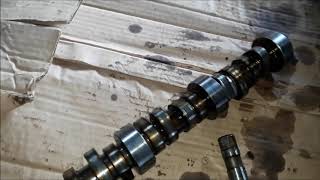
- If all other tests pass and a persistent ticking noise is present, refer to TSB #19-NA-219 (which supersedes #PIP4138R) and consider the strong possibility of a worn camshaft lobe or lifter, 🎬 Watch: How to identify a misfire caused by a bad camshaft. which requires professional inspection.
Parts You'll Likely Need
- Ignition Coil
(OEM #12558693 (This part number is for the 'square' or 'Delphi' style coil. Verify visually before purchase as a 'round' style, ACDelco D585, was also used.))— A common failure point due to heat and age. Swapping coils is the easiest way to diagnose a bad one.
Trusted brands: ACDelco, Delphi, NGK
OEM price range: $40-$70
Aftermarket price range: $25-$50 - Spark Plug
(OEM #41-962 (This is a Double Platinum plug. An Iridium equivalent like 41-110 or 41-162 is a common upgrade, often used with a tighter 0.040" gap).)— Spark plugs are a routine maintenance item and the most frequent cause of a single-cylinder misfire.
Trusted brands: ACDelco, NGK
OEM price range: $8-$15
Aftermarket price range: $5-$10 - Spark Plug Wire Set
(OEM #19351594 (ACDelco OE set number))— The wire for cylinder 8 is susceptible to heat damage and external contamination from coolant leaks. It's best to replace them as a set.
Trusted brands: ACDelco, NGK, Delphi
OEM price range: $60-$90
Aftermarket price range: $40-$70
Related Codes That Often Appear With This One
- P0300 — If the misfire is severe, intermittent, or starting to affect other cylinders, a P0300 (Random/Multiple Cylinder Misfire Detected) code may be stored alongside P0308.
- P0171 / P0174 — If the misfire is caused by a vacuum leak, such as a faulty intake manifold gasket, the engine may run lean, triggering these codes for Bank 1 or Bank 2.
Technical Service Bulletins (TSBs) & Recalls
- TSB #PIP4138R / 19-NA-219: Details diagnosis for engine misfire (P0300-P0308) and/or engine noise, pointing towards worn camshaft lobes or lifters after common causes are ruled out.
- TSB #PIP5628E: Provides information to assist technical assistance centers in diagnosing misfires (P0300-P0308), often related to valvetrain issues.
Platform-Specific Known Issues
- Per TSB #PIP4138R, a persistent P0308 code that is not resolved by ignition or fuel system diagnosis may be caused by a worn camshaft lobe or a faulty lifter. This may be accompanied by an engine ticking or chirping noise.
Mechanic-Grade Diagnostic Values
- Ignition Coil Primary Resistance — expected: 0.4 to 2.0 ohms. Failure: A reading outside of this range suggests a faulty coil.
- Ignition Coil Secondary Resistance — expected: 6,000 to 10,000 ohms. Failure: A reading outside this range indicates the coil should be replaced.
- Spark Plug Wire Resistance — expected: Varies by brand, but generally under 1,000 ohms per foot. High-performance wires like MSD can be as low as 40-50 ohms per foot.. Failure: Excessively high resistance (e.g., over 12,000 ohms per foot) indicates a bad wire.
- Fuel Pressure (Key On, Engine Off) — expected: 55-62 psi for standard (VIN U) engines. 48-54 psi for Flex Fuel (VIN Z) engines.. Failure: Pressure below the specified range can cause lean misfires.
- Short Term Fuel Trim (STFT) / Long Term Fuel Trim (LTFT) at Idle — expected: Within +/- 10%. Ideally as close to 0% as possible.. Failure: Consistently high positive numbers (>10%) on one bank can indicate a vacuum leak or fuel delivery issue affecting that side of the engine.
Hidden / Shadow Codes Worth Checking
- Mode $06 Misfire Counts: While not a 'hidden code' in the traditional sense, Mode $06 data on a capable OBD-II scanner can show raw misfire counts for each cylinder before they are high enough to trigger a P0308 trouble code. This is useful for detecting intermittent misfires. (see via An advanced OBD-II scan tool with Mode $06 functionality.)
Scan Tool Commands That Help
- GM Tech 2 / Advanced Scanners: Cylinder Power Balance Test — This function allows the technician to disable individual fuel injectors one by one while the engine is running. If disabling cylinder 8 causes little or no change in engine RPM drop compared to other cylinders, it confirms cylinder 8 is not contributing power, isolating the fault to that cylinder.
- GM Tech 2: Fuel Injector Balance Test — This is a key-on, engine-off test that energizes each injector for a precise duration and measures the corresponding drop in fuel rail pressure. It can identify a mechanically or electrically failed injector that isn't flowing correctly, even if it's still clicking.
Wiring & Ground Locations
- G102 / G103 — These are the primary engine-to-chassis grounds. On a V8, G102 is typically on the rear or side of the passenger-side cylinder head, and G103 is on the front or side of the driver-side cylinder head.. The ignition coils are grounded to the cylinder heads via their mounting brackets and wiring harness. A poor ground connection at G102 (passenger side) can cause erratic voltage and weak spark for all four cylinders on that bank, including cylinder 8, leading to misfires.
- PCM Ground — A crucial ground for the Powertrain Control Module (PCM) is located on a stud at the rear of the driver's side cylinder head.. While not directly on the bank with cylinder 8, a poor PCM ground can cause a multitude of erratic sensor readings and driver outputs, including misfire detection and coil/injector control. Cleaning all major engine grounds is a key step in resolving persistent electronic issues.
- Cylinder 8 Ignition Coil Connector — The rearmost coil on the passenger-side valve cover.. The PCM sends a signal to fire the coil via the signal wire in this connector. A damaged pin or corroded terminal can prevent the coil from firing, causing a P0308. The pinout is typically: A - Ignition Control (IC) Signal from PCM, B - Ground, C - Ground, D - Ignition Voltage.
Real Owner Repair Stories
- gmtrucks.com forum user (2003 Silverado 2500HD 6.0L LQ4, ~170,000 miles) — Persistent P0308 misfire, especially under load. Slight ticking noise from engine.
❌ Tried (didn't work) Replaced spark plug on cylinder 8, Replaced spark plug wire on cylinder 8, Swapped ignition coil from cylinder 8 to 6 (misfire did not move), Replaced fuel injector on cylinder 8
✅ What actually fixed it After all ignition and fuel fixes failed, the user took it to a shop. Diagnosis revealed a collapsed lifter and a worn camshaft lobe for cylinder 8, consistent with GM TSB #PIP4138R. The final repair was a full camshaft and lifter replacement.
OEM Part Supersession History
ACDelco 41-962 (Platinum Plug, 0.060" gap)→ACDelco 41-110 or 41-162 (Iridium Plug, 0.040" gap)— GM issued TSB #03-06-04-060, recommending Iridium plugs with a smaller 0.040" gap for improved idle stability and performance.
Heads up: While the older 0.060" gap plugs will work, using the recommended 0.040" gap with modern iridium plugs is considered best practice. Do not attempt to gap iridium plugs as the tip is fragile.ACDelco D581 / GM 12558693 ('Square' or 'Delphi' style coil)→N/A - Co-existed with ACDelco D585 ('Round' or 'Melling' style coil)— GM used multiple suppliers and designs for ignition coils during this period.
Heads up: The square D581 and round D585 coils are electrically similar but have different physical shapes, mounting brackets, and harness connectors. They are not interchangeable. Visual inspection is required to ensure the correct replacement part is ordered.
Model Year Variations Within This Range
- 2003: Starting in 2003, some GMT800 trucks began to switch from a return-style fuel system (with the regulator on the fuel rail) to a returnless system (with the regulator in the fuel tank). A 2001-2002 model will have the regulator on the rail. A 2003 model could have either, requiring visual inspection before ordering fuel system parts.
Helpful Videos
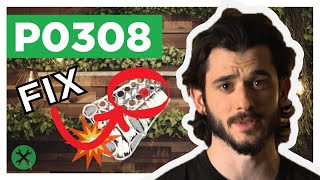
![How to Fix P0308 Engine Code in 3 Minutes [2 DIY Methods / Only $4.53]](https://img.youtube.com/vi/v9SbNjbCIW0/mqdefault.jpg)
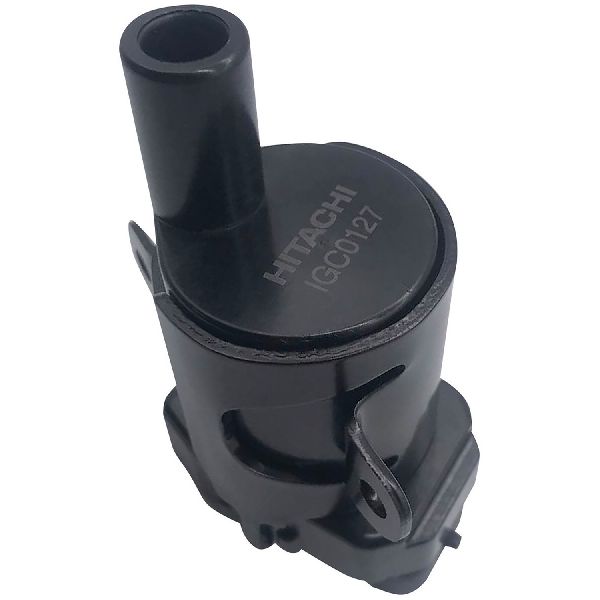
We Have This Part in Stock


The information in this article is provided for general reference and educational purposes only. Vehicle specifications, procedures, and part compatibility can vary by production date, trim level, and region. Always consult your vehicle's factory service manual and verify part numbers before purchasing or performing repairs. Safety-critical components such as airbags, seat belts, and braking systems should be installed by a qualified professional.
- Gmc SIERRA 1500 HD:
- 🎬 Helpful Videos
- 🛍️ Shop This Part
- What's Unique About the 2001-2003 Gmc SIERRA 1500 HD
- Diagnostic Flowchart
- Symptoms You May Notice
- Most Likely Causes
- Rare But Worth Checking
- Diagnosis Steps
- Parts You'll Likely Need
- Related Codes That Often Appear With This One
- Technical Service Bulletins (TSBs) & Recalls
- Platform-Specific Known Issues
- Mechanic-Grade Diagnostic Values
- Hidden / Shadow Codes Worth Checking
- Scan Tool Commands That Help
- Wiring & Ground Locations
- Real Owner Repair Stories
- OEM Part Supersession History
- Model Year Variations Within This Range
- 🎟️ Get 5% Off