

P0308 on 2009-2010 Dodge Dakota 4.7L V8: Cylinder 8 Misfire Causes and Fixes
P0308 on a 2009-2010 Dodge Dakota indicates a misfire in cylinder 8. This code only applies to the 4.7L V8 engine. The most common cause is a failed ignition coil or a worn spark plug. A simple way to diagnose this is to swap the ignition coil from cylinder 8 with another cylinder (like cylinder 6) and see if the code changes to P0306.
- P0308 on a 2009-2010 Dakota means a cylinder 8 misfire and only applies to the 4.7L V8 engine.
- The most likely culprits are a bad ignition coil or spark plug, which are relatively easy and inexpensive to replace.
- The easiest diagnostic step is to swap the cylinder 8 ignition coil with another cylinder's coil to see if the misfire code follows.
- Do not ignore a flashing check engine light, as it signals a severe misfire that can quickly destroy your expensive catalytic converters.
- Cylinder 8 is located on the passenger side of the engine, closest to the firewall.
What's Unique About the 2009-2010 Dodge DAKOTA
The 2009-2010 Dodge Dakota was available with a 3.7L V6 or a 4.7L V8. The P0308 code is only relevant to the 4.7L V8. This engine, known as the PowerTech V8, uses a coil-on-plug ignition system, meaning each cylinder has its own dedicated ignition coil, which is a very common failure point as the vehicle ages. Additionally, a Technical Service Bulletin (TSB 18-093-15) for the 2009-2010 models notes that misfire codes can be set on a cold start if the vehicle is immediately put into drive and heavy throttle is applied, which is a specific software-related condition to be aware of that can be fixed with a PCM reflash.
Diagnostic Flowchart
Tap your situation to follow the diagnostic path that matches what you're seeing on this vehicle.
Symptoms You May Notice
- Rough or shaky idle
- Hesitation or stumbling during acceleration
- Noticeable loss of engine power
- Solid or flashing Check Engine Light
- Reduced fuel economy
- Possible fuel smell from the exhaust
- Replacing only the spark plug without testing the ignition coil first. The coil is a more common failure point and easy to test by swapping its position.
- Assuming a mechanical failure before thoroughly checking the ignition and fuel systems.
Most Likely Causes
- Faulty Ignition Coil 🔴 High Probability The 4.7L V8 uses a coil-on-plug design, and these individual coils are a common failure item as the vehicle ages. Oil from a leaking valve cover gasket can also seep into the spark plug tube and saturate the coil boot, causing it to fail.
How to confirm: Swap the ignition coil from cylinder 8 with another cylinder (e.g., cylinder 6). Clear the codes and drive the vehicle. If the code changes to P0306, the ignition coil is faulty. This is the most reliable diagnostic method.
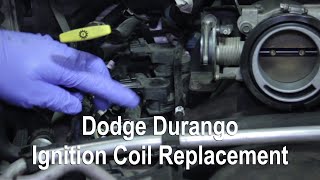
Typical fix: Replace the faulty ignition coil. It is held on by a single 10mm bolt and is an easy DIY job.
Est. part cost: $25-$60 - Worn or Fouled Spark Plug 🔴 High Probability Spark plugs are a regular maintenance item. If they are old, the electrodes can wear down, or they can become fouled with fuel, oil, or carbon, preventing a strong spark. The 2009-2010 4.7L engine uses two plugs per cylinder; it's important to inspect both.
How to confirm: After confirming the coil is good, remove the spark plug from cylinder 8. Inspect it for wear, damage, or heavy deposits. A plug that is black and smells of fuel is a strong indicator of a misfire. Check the spark plug gap; it should typically be between 0.024 to 0.071 inches.
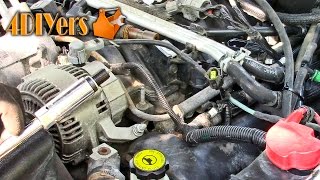
Typical fix: Replace the spark plug. It's recommended to replace all 16 plugs at the same time for consistent performance. Use copper core plugs like those from NGK or Champion, which are commonly recommended for this engine. 🎬 See this guide for replacing spark plugs on the 4.7L V8.
Est. part cost: $4-$10 per plug - Defective Fuel Injector 🟡 Medium Probability
How to confirm: If the spark and ignition systems are good, the injector is the next suspect. You can listen for a steady clicking sound from the injector with a mechanic's stethoscope. A more definitive test is to swap the injector with another cylinder, similar to the coil swap, but this is a more involved repair. You can also check for a signal at the injector's wiring harness.
Typical fix: Replace the faulty fuel injector.
Est. part cost: $50-$120
Rare But Worth Checking
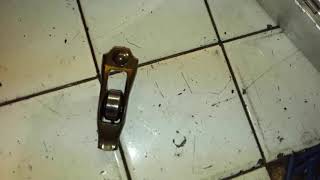
- Low Cylinder Compression: If ignition and fuel components are confirmed good, a mechanical issue could be the cause. A forum user with a P0308 on a 4.7L found a 30 PSI difference between the misfiring cylinder and a good one (150 psi vs 180 psi), and a wet compression test pointed to worn piston rings. Another user found a dropped rocker arm was the cause of a severe misfire and knocking noise. 🎬 Watch: How a dropped rocker arm can cause a misfire.
- Wiring Harness Issue: The wiring to the ignition coil or fuel injector for cylinder 8 could be damaged or have a poor connection. A Reddit user discovered a rodent had chewed into an injector wire, causing a persistent P0308 code. A technician would test the wire for continuity between the coil/injector and the PCM.
- Dropped Valve Seat: While a notorious issue on pre-2008 4.7L engines, it is considered rare on the redesigned 2009-2010 models. However, if the engine has a history of severe overheating, it remains a possibility. This is a serious mechanical failure that will cause a complete loss of compression and a persistent misfire.
Diagnosis Steps
- Read the trouble code with an OBD-II scanner to confirm P0308 is the primary code.
- Locate cylinder 8. On the Dodge 4.7L V8, the cylinders are numbered front-to-rear, with 1-3-5-7 on the driver's side (left bank) and 2-4-6-8 on the passenger's side (right bank). Cylinder 8 is the rearmost cylinder on the passenger side, near the firewall.
- Swap the ignition coil from cylinder 8 with the coil from cylinder 6 (the cylinder in front of it). Clear the codes and run the engine to see if the misfire code moves to P0306. If it does, the coil is bad and needs replacement.
- If the code remains P0308, inspect the spark plugs in cylinder 8 (both of them). Look for wear, fouling (black, wet, or white deposits), or incorrect gap. Replace if in poor condition.
- If the code still remains P0308, inspect the wiring connector for the ignition coil and fuel injector on cylinder 8 for any damage, corrosion, or loose connections. Check for signs of rodent damage.
- Check the fuel injector on cylinder 8. Listen for a consistent ticking noise with a stethoscope. If it's silent or the ticking is erratic, it may be faulty.
- If all else fails, perform a compression test on cylinder 8. A reading that is more than 15-20% lower than the other cylinders indicates a mechanical engine problem (e.g., piston rings, valves, head gasket) that will require professional service.
Parts You'll Likely Need
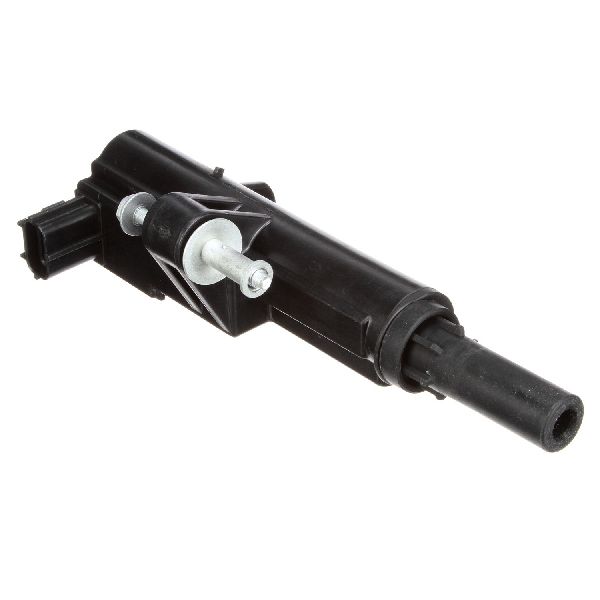
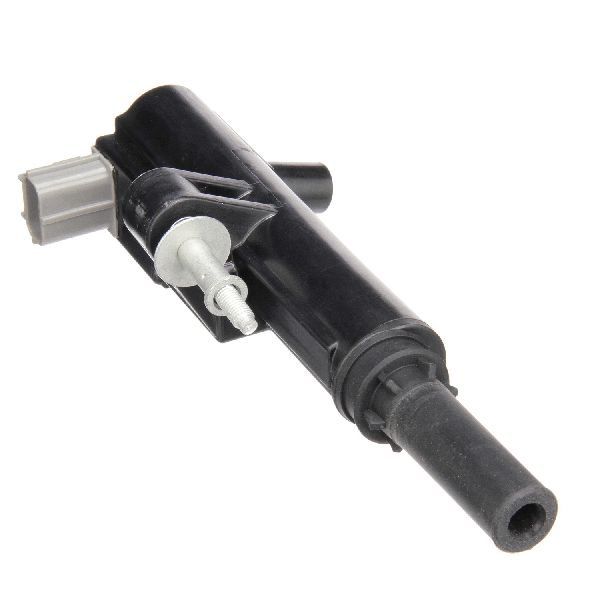
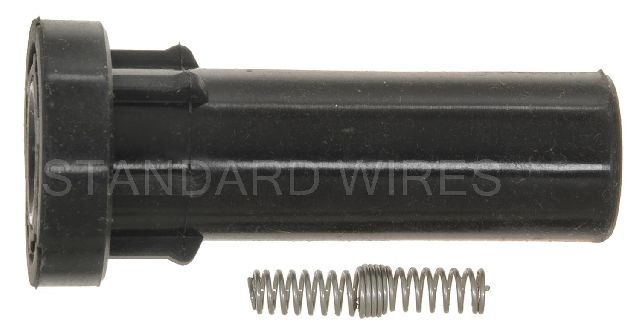
- Ignition Coil
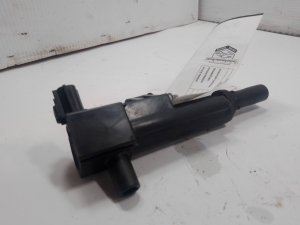
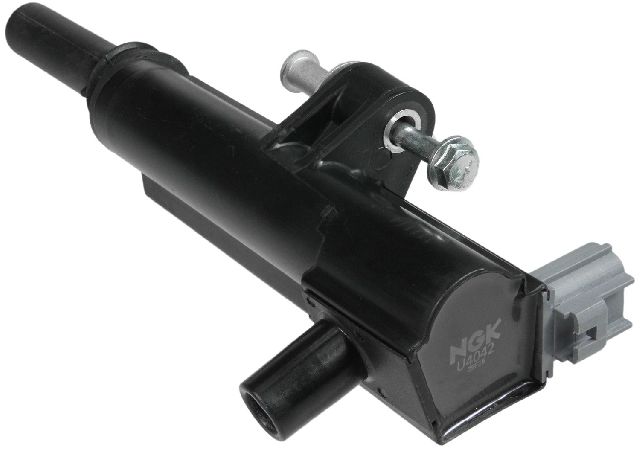
(OEM #56028138AF (supersedes 56028138AB, 56028138AD, 56028138AE))— This is the most frequent cause of a single-cylinder misfire on the 4.7L V8 engine due to its coil-on-plug design.
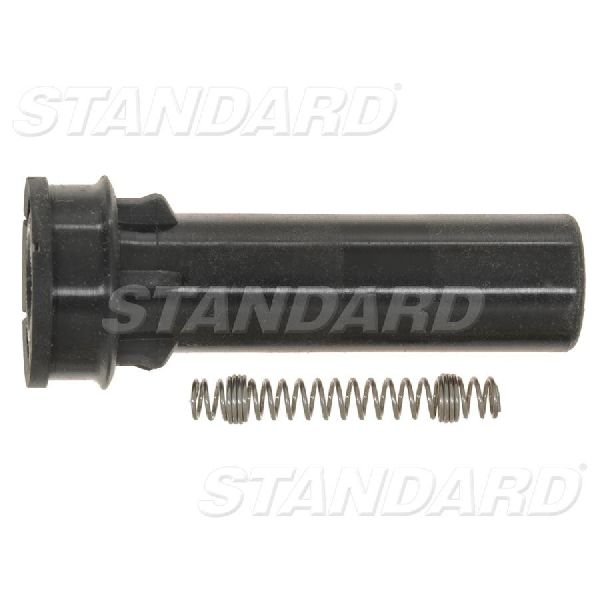
Trusted brands: Mopar, NGK, Delphi, Standard Motor Products (UF601)
OEM price range: $50-$80
Aftermarket price range: $25-$60 - Spark Plug — As a standard maintenance item, a worn or fouled spark plug is a common and inexpensive cause of a misfire. The 2009-2010 4.7L has two plugs per cylinder.
Trusted brands: Champion (Copper Plus recommended), NGK (V-Power or G-Power recommended)
OEM price range: $8-$15
Aftermarket price range: $4-$10
Related Codes That Often Appear With This One
- P0300 — If the misfire is intermittent or affects other cylinders, a P0300 (Random/Multiple Cylinder Misfire) may be stored alongside P0308.
Technical Service Bulletins (TSBs) & Recalls
- Bulletin #18-093-15: Mentions that P0300 through P0308 codes can occur when the vehicle is started cold and the driver immediately places the vehicle in drive and applies heavy throttle. It involves flash reprogramming the PCM with new software.
Platform-Specific Known Issues
- A known TSB (#18-093-15) indicates that on 2009-2010 models, a misfire code (P0300-P0308) can be set during a cold start if the driver immediately shifts into gear and applies heavy throttle. The fix is a PCM software update.
- The 4.7L PowerTech engine can suffer from dropped valve seats, often as a result of overheating, which leads to a severe misfire and requires major engine repair. However, this issue is much more common on pre-2008 engines before the cylinder heads were redesigned.
Mechanic-Grade Diagnostic Values
- Fuel Pressure (Key On, Engine Off) — expected: 407 kPa +/- 34 kPa (59 psi +/- 5 psi). Failure: Pressure below this range indicates a weak pump, clogged filter, or leak. Pressure above indicates a faulty regulator.
- Ignition Coil Primary Resistance — expected: Approximately 0.8 ohms. Failure: A reading significantly higher than this or an open circuit (infinite resistance) indicates a bad coil.
- Ignition Coil Secondary Resistance — expected: 6,000 - 10,000 ohms (6-10 kΩ). Failure: A reading outside this range suggests a faulty coil. Note: Mopar service information sometimes omits this spec and advises swapping the coil if primary resistance is good but a misfire persists.
- Fuel Injector Resistance — expected: 11 - 14 ohms at ~70°F. Failure: An injector with resistance significantly different from the others, or outside this range, is likely faulty.
Hidden / Shadow Codes Worth Checking
- Live Misfire Data (Mode $06): The PCM tracks misfire counts for each cylinder in real-time, even before they are high enough to set a P030x trouble code. This is invaluable for diagnosing intermittent misfires. (see via Using a professional scan tool (like Chrysler's wiTECH or a high-end Snap-On/Autel) and navigating to 'OBD II Monitors' and selecting the 'Which cylinder is misfiring' data PID.)
Scan Tool Commands That Help
- wiTECH or equivalent professional scanner: ASD Fuel System Test — To manually run the fuel pump to check fuel pressure without starting the engine. This is a critical step in diagnosing a fuel delivery problem.
- wiTECH: Flash PCM — This is required to perform TSB 18-093-15, which addresses misfire codes that can set on a cold start after immediately shifting into drive. This updates the PCM software.
Wiring & Ground Locations
- Cylinder 8 Coil Control Circuit — A specific pin on one of the main PCM connectors (often C2 or C3). The wire runs from the PCM to the 2-pin connector at the ignition coil for cylinder 8.. A break or short in this wire will prevent the PCM from commanding the coil to fire, causing a P0308. A technician would check for continuity and voltage pulses on this wire. The circuit is often designated with a 'K' number, like (K16) on similar models.
- Cylinder 8 Injector Control Circuit — A specific pin on one of the main PCM connectors, running to the 2-pin connector at the fuel injector for cylinder 8.. Damage to this wire prevents the fuel injector from opening. This starves the cylinder of fuel, causing a misfire. The circuit is often designated with a 'K' number, like (K38) on similar models.
- Engine Ground Strap — A braided ground strap is often found on the passenger side, connecting the back of the cylinder head to the firewall or transmission tunnel.. A corroded or loose main engine ground can cause a weak or inconsistent spark across all cylinders, but can sometimes manifest as a misfire on a single, more sensitive cylinder. It can create bizarre, hard-to-diagnose electrical issues.
Real Owner Repair Stories
- DodgeForum.com user (2001 Dodge Dakota 4.7L) — P0308 code, rough running, hesitation. Spark plug #8 was black and smelled of fuel.
❌ Tried (didn't work) Replacing spark plugs, Swapping ignition coils between cylinder 6 and 8
✅ What actually fixed it Diagnosis pointed to a mechanical failure. A compression test showed cylinder 8 at 150 PSI while cylinder 6 was 180 PSI. A wet compression test brought the pressure up, indicating the final cause was worn piston rings. - DodgeForum.com user (2000 Dodge Dakota 4.7L with high mileage) — Loss of compression on cylinder #2, engine misfire.
❌ Tried (didn't work) Initial thought was a major engine failure requiring replacement.
✅ What actually fixed it Upon removing the valve cover, the rocker arm was found dislodged and lying loose. The root cause was a failed hydraulic lash adjuster (lifter). Replacing the faulty lifter and reinstalling the rocker arm restored compression and fixed the misfire. - Reddit r/MechanicAdvice user (2003 Dodge Ram 1500 4.7L) — P0308 misfire, worst at highway speeds around 2000-2500 RPM. Shaking would stop if accelerating hard.
❌ Tried (didn't work) New spark plugs, New air filter, Cleaned throttle body, Swapped ignition coils
✅ What actually fixed it The user was advised by others that the 4.7L engine is known to 'kick out' rocker arms or break valve springs. The final resolution was not posted, but the next diagnostic step was to remove the valve cover to inspect for this common mechanical failure.
When the Usual Fixes Don't Work
- In multiple documented cases for the 4.7L engine family, owners replaced the common failure items (spark plugs, ignition coils, and even fuel injectors) for a P0308 code with no success. The final resolution was often a mechanical failure that could only be found by removing the valve cover or performing a compression test. The two most common mechanical culprits were a fallen rocker arm due to a bad lifter, or low compression from worn piston rings.
OEM Part Supersession History
56028138AB, 56028138AD, 56028138AE→56028138AF— Standard part revision and improvement by the manufacturer.
Heads up: No known incompatibilities. The latest 'AF' version is the correct service replacement for all previous versions.
Model Year Variations Within This Range
- 2009-2010: The 4.7L V8 was significantly updated for the 2008 model year and this engine carried over to 2009-2010. It features different cylinder heads with two spark plugs per cylinder, a higher compression ratio, and improved intake flow, resulting in a horsepower increase to ~302-310hp from the previous ~235hp. This redesign also made the engine far less susceptible to the 'dropped valve seat' failures that plagued earlier (pre-2008) 4.7L engines.
Helpful Videos
Used OEM Parts in Stock

New Aftermarket Parts Available

The information in this article is provided for general reference and educational purposes only. Vehicle specifications, procedures, and part compatibility can vary by production date, trim level, and region. Always consult your vehicle's factory service manual and verify part numbers before purchasing or performing repairs. Safety-critical components such as airbags, seat belts, and braking systems should be installed by a qualified professional.
- Dodge DAKOTA:
- 🎬 Helpful Videos
- 🛍️ Shop This Part
- What's Unique About the 2009-2010 Dodge DAKOTA
- Diagnostic Flowchart
- Symptoms You May Notice
- Most Likely Causes
- Rare But Worth Checking
- Diagnosis Steps
- Parts You'll Likely Need
- Related Codes That Often Appear With This One
- Technical Service Bulletins (TSBs) & Recalls
- Platform-Specific Known Issues
- Mechanic-Grade Diagnostic Values
- Hidden / Shadow Codes Worth Checking
- Scan Tool Commands That Help
- Wiring & Ground Locations
- Real Owner Repair Stories
- When the Usual Fixes Don't Work
- OEM Part Supersession History
- Model Year Variations Within This Range
- 🎟️ Get 5% Off