

P0308 on 2009-2016 Chevrolet Traverse: Why This Code Is Impossible and What to Do
A P0308 code means 'Cylinder 8 Misfire,' but the 2009-2016 Traverse only has a V6 engine with six cylinders. Seeing this code indicates a scanner error or a typo. You should double-check the code and suspect a misfire on a different cylinder, like P0306. This is a known 'ghost code' issue on GM V6 platforms.
- P0308 is an impossible code for a 2009-2016 Chevrolet Traverse because it has a V6 engine (6 cylinders), not a V8.
- The presence of this code points to a scan tool error or a simple typo; it is a known 'ghost code' on this platform.
- Do not attempt to diagnose or replace parts for 'Cylinder 8'.
- The correct first step is to re-scan the vehicle to find the actual trouble code (likely P0301-P0306).
- Use a scan tool's live data function to monitor misfire counts on cylinders 1 through 6 to find the true source of the problem.
What's Unique About the 2009-2016 Chevrolet TRAVERSE
The key issue for the Traverse platform regarding P0308 is that the code is incompatible with the vehicle's V6 engine. If a scanner displays P0308, it is almost certainly an error. The most likely scenario is a mistyped code (e.g., P0306 for cylinder 6) or a faulty/incompatible scan tool misinterpreting the data from the PCM. The provided TSB (PIP5628G) mentions the P0300-P0308 range, but this is a general GM document intended for technicians working on a variety of vehicles, including V8 models, and does not imply the Traverse has eight cylinders. The true issue is a real misfire on one of the six cylinders that the scan tool is reporting incorrectly.
Diagnostic Flowchart
Tap your situation to follow the diagnostic path that matches what you're seeing on this vehicle.
Generation note: This range covers the first generation of the Chevrolet Traverse (2009-2017). The engine was updated from the LLT V6 to the LFX V6 in 2012, but both are 3.6L V6 engines, making a P0308 code impossible on all of them. This 'ghost code' issue is also seen on platform mates like the GMC Acadia and Buick Enclave with the same engines.
Symptoms You May Notice
- Check engine light is on or flashing
- Rough idle or engine shaking
- Loss of engine power and sluggish acceleration
- Hesitation or stumbling during acceleration
- Reduced fuel economy
- Fuel smell from the exhaust
- Assuming the P0308 code is valid and searching for cylinder 8, which does not exist on this vehicle.
- Replacing parts based on the P0308 code before confirming the actual misfiring cylinder with a live data scan.
Most Likely Causes
- Scan Tool Error or Typo 🔴 High Probability The vehicle has a V6 engine, making a P0308 (Cylinder 8 Misfire) code impossible. The code is likely a misreading by a generic scan tool or a typo for a valid misfire code like P0301-P0306. This is a documented 'ghost code' issue on this GM platform.
How to confirm: Rescan the vehicle, preferably with a different, high-quality OBD-II scanner. Carefully verify the exact code number displayed. Check the freeze-frame data which may correctly identify the actual misfiring cylinder. Use the scanner's live data mode to monitor misfire counts for cylinders 1-6.
Typical fix: Confirm the correct misfire code (e.g., P0306) and begin diagnosis for that specific cylinder. No parts are needed to fix the P0308 code itself.
Est. part cost: $0
Rare But Worth Checking
- ECU Software Glitch:
Diagnosis Steps
- Verify the code. Rescan the vehicle's computer to confirm that P0308 is the code being displayed. If possible, use a different scan tool to rule out a device error.
- Assume a Typo or Ghost Code. Treat the '8' as a likely error for a number between 1 and 6 (e.g., P0306).
- Check Freeze Frame Data. Use a scan tool to view the freeze-frame data associated with the trouble code. This data snapshot often contains parameters that can help identify which cylinder was actually misfiring when the code was set.
- Monitor Live Misfire Data. Use a capable scan tool to watch live misfire counts for each of the six cylinders (Cyl 1-6). Many scan tools show this under 'Mode 6' data. This will definitively show which cylinder is having a problem, regardless of the stored code.
- Proceed with Diagnosis for the Correct Cylinder. Once the actual misfiring cylinder is identified (e.g., Cylinder 6 from a P0306 code), proceed with standard misfire diagnostics. The most common causes on this engine are a faulty ignition coil or a worn spark plug.
- Ignition System Check: Swap the ignition coil from the misfiring cylinder with a known good cylinder. Clear the codes and drive the vehicle. If the misfire code follows the coil (e.g., P0306 moves to P0304 after swapping coils from cylinder 6 to 4), the coil is bad.
- Spark Plug Inspection: If the coil swap doesn't isolate the issue, inspect the spark plug for the misfiring cylinder. Look for wear, carbon fouling, or oil contamination. Given the labor to access the plugs, especially the rear bank, it's often wise to replace all six if they are due.
- Note on Rear Bank Access: Be aware that cylinders 2, 4, and 6 are on the rear bank against the firewall. Accessing these cylinders' ignition coils and spark plugs requires removing the intake manifold, which adds significant time and complexity to the repair.
Parts You'll Likely Need
- OBD-II Scan Tool — A reliable scan tool is needed to re-read the codes and confirm the error, then to read live data to find the actual misfiring cylinder.
Trusted brands: Bosch, Innova, Autel
Aftermarket price range: $50-$200 - Ignition Coil
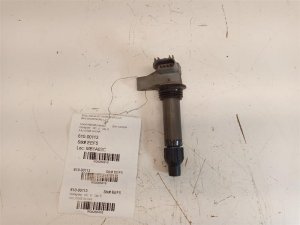
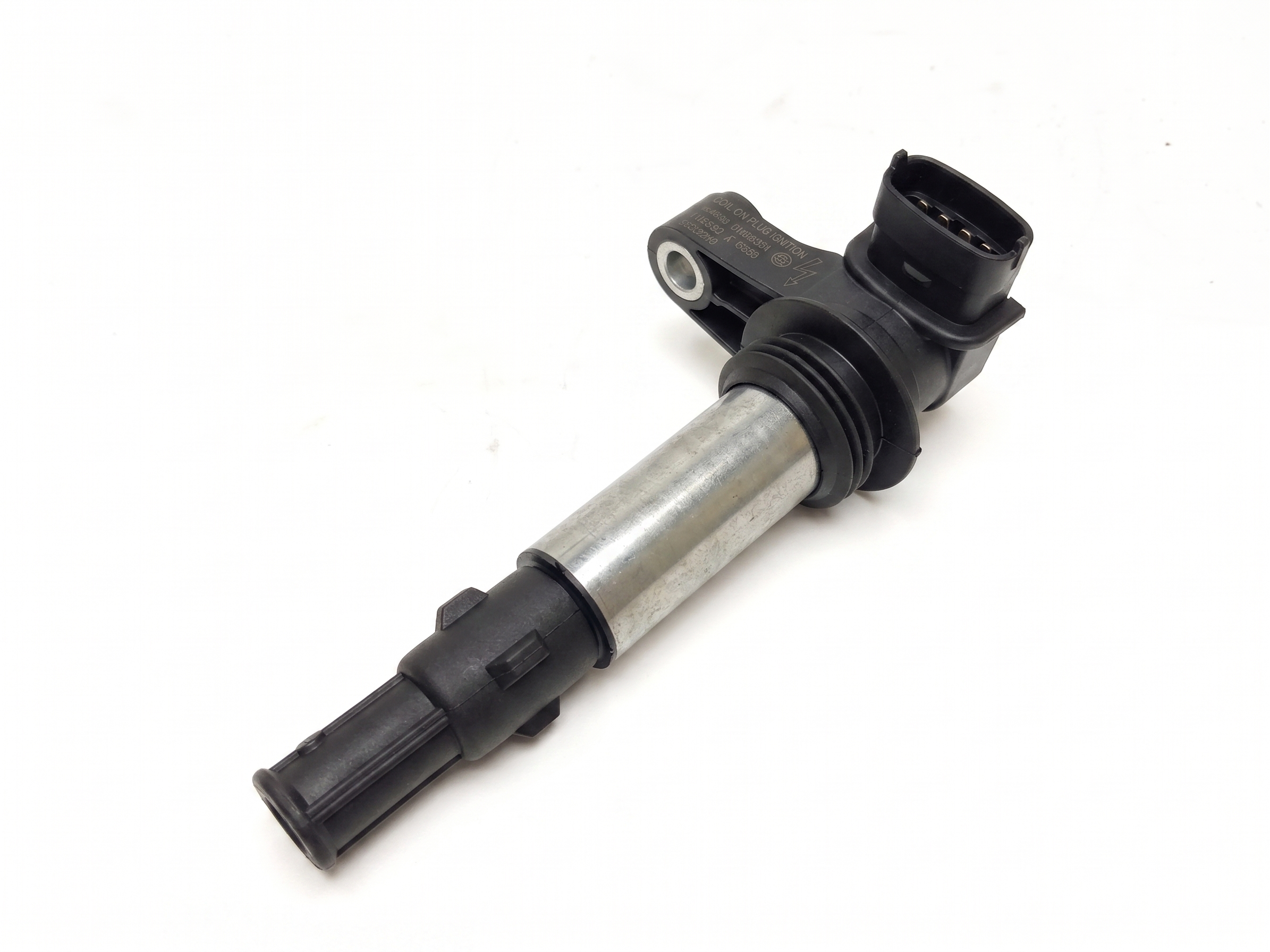
(OEM #ACDelco D515C (GM #12632479))— This is a placeholder for the *actual* repair. Once the true misfiring cylinder is found, a faulty ignition coil is one of the most common causes on the 3.6L V6.
Trusted brands: ACDelco (OEM), Delphi, NGK, Denso
OEM price range: $40-$60
Aftermarket price range: $25-$50 - Spark Plug
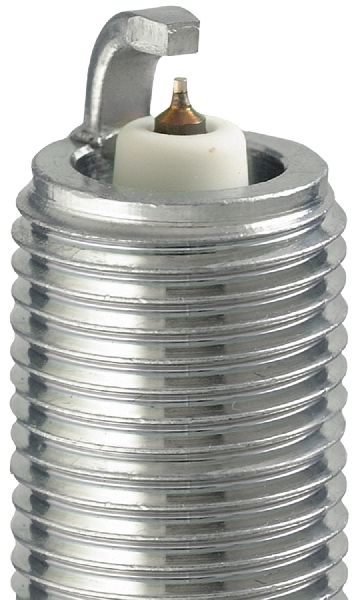
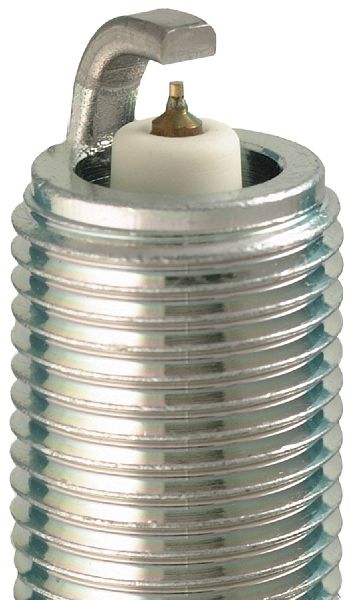
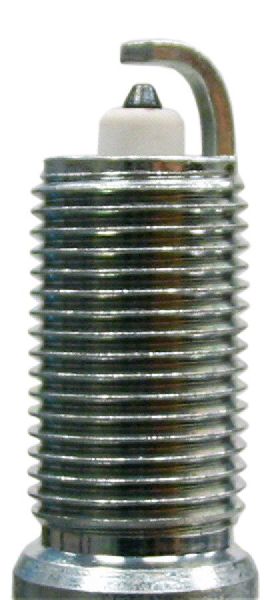
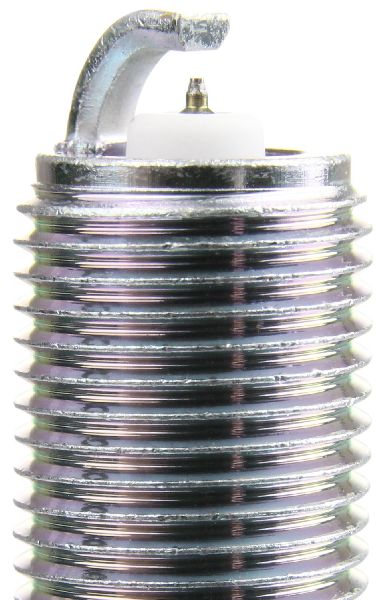
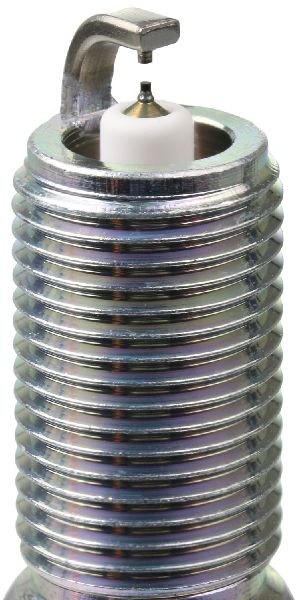
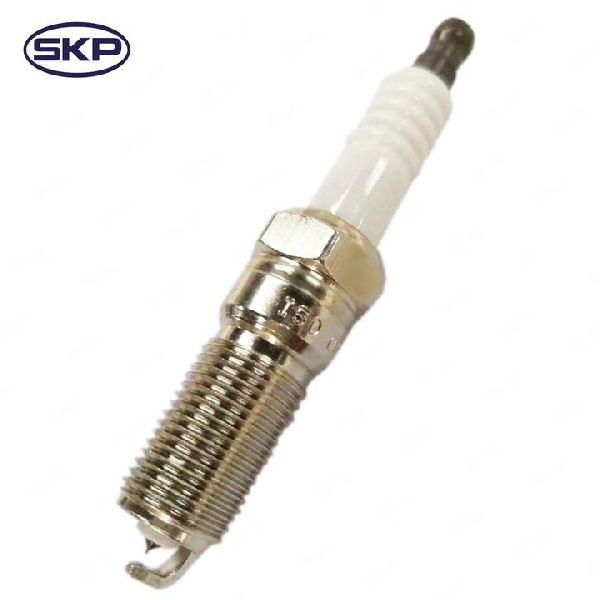
(OEM #ACDelco 41-109 (Iridium))— This is a placeholder for the *actual* repair. Worn or fouled spark plugs are another primary cause of misfires. It is highly recommended to replace all six at once, especially if accessing the difficult rear bank.
Trusted brands: ACDelco (OEM), NGK, Denso
OEM price range: $10-$15 per plug
Aftermarket price range: $8-$12 per plug
Related Codes That Often Appear With This One
- P0300 — If the scan tool is malfunctioning, it might display P0308 alongside P0300 (Random/Multiple Cylinder Misfire). P0300 indicates the PCM has detected misfires but may not have isolated it to a single, consistent cylinder. Carbon buildup and timing chain issues on the 3.6L V6 are known causes of P0300.
- P0301, P0302, P0303, P0304, P0305, P0306 — The P0308 is likely a mistake for one of these valid cylinder misfire codes for the Traverse's V6 engine. For example, a user on acadiaforum.net with a platform-mate vehicle reported a P0308 that was ultimately traced to a real misfire on a different cylinder.
- P0008, P0016, P0017 — These codes indicate a camshaft/crankshaft position correlation error, which is a classic sign of a stretched timing chain on the GM 3.6L V6. A stretched chain can cause misfires, and a confused scanner might display P0308 instead of the correct misfire code.
Technical Service Bulletins (TSBs) & Recalls
- PIP5628G: This is a general GM technical service bulletin for diagnosing misfires (P0300-P0308) and is not specific evidence that a Traverse can have a P0308 code. It provides a diagnostic template for technicians across various GM V6 and V8 models, asking them to collect specific data with scan tools before contacting the Technical Assistance Center (TAC).
Platform-Specific Known Issues
- Carbon Buildup on Intake Valves: The 3.6L LLT engine (2009-2011 models primarily, but can affect later LFX) is a direct-injection engine. This design allows for significant carbon buildup on the back of the intake valves, which can disrupt airflow and cause random or specific cylinder misfires (P0300, P030x). If new coils and plugs do not fix the underlying misfire, carbon cleaning (e.g., walnut blasting) may be necessary.
- Stretched Timing Chains: The 3.6L V6 family is notorious for premature timing chain stretching. This can cause the camshafts to go out of sync with the crankshaft, leading to misfires, rough running, and specific timing-related codes like P0008, P0016, or P0017. This is a major and expensive repair.
Mechanic-Grade Diagnostic Values
- Ignition Coil Primary Winding Resistance — expected: 0.4 to 2.0 ohms (general specification). Failure: A reading of infinity (open circuit) or zero (short circuit). A reading significantly outside the typical range.
- Ignition Coil Secondary Winding Resistance — expected: 6,000 to 10,000 ohms (general specification). Failure: A reading outside this range suggests the secondary winding has failed.
- High-Pressure Fuel Pressure (GDI Engines LLT/LFX) — expected: Can exceed 2,000 PSI under load.. Failure: Significantly lower pressure, especially under acceleration, often triggering code P0087. Requires a scan tool capable of reading high-side fuel pressure.
- Short-Term Fuel Trim (STFT) at Idle — expected: -10% to +10%. Failure: Consistently high positive trims (>+10%) suggest a vacuum leak (unmetered air). Consistently high negative trims (< -10%) suggest an over-fueling condition.
Hidden / Shadow Codes Worth Checking
- Mode 6 Misfire Data: This is not a 'code' but a function on advanced scan tools. Mode 6 allows viewing of raw, non-continuous monitor data, including misfire counts for each specific cylinder. This data is recorded by the ECU before a misfire is frequent enough to trigger a formal P030x trouble code and illuminate the check engine light. (see via A professional-grade scan tool or an advanced consumer tool with Mode 6 capabilities. The data will be listed under Test IDs, often labeled by cylinder (e.g., 'Misfire Cylinder 1 Data').)
Scan Tool Commands That Help
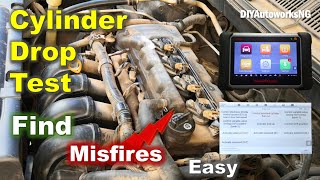
- GDS2 (GM Global Diagnostic System 2): Cylinder Power Balance Test — This is the definitive test to identify a misfiring cylinder when the code is suspect (like P0308) or a general P0300 is present. The tool sequentially deactivates the fuel injector for each cylinder and measures the drop in engine RPM. A cylinder that causes little or no RPM drop when deactivated is the one that is not contributing power (misfiring).
- GDS2 / Tech2: Fuel Injector Balance Test — After ruling out ignition issues, this test helps diagnose a faulty fuel injector. The tool commands each injector to fire and measures the corresponding drop in fuel rail pressure. If one cylinder's pressure drop is significantly different, it points to a clogged or failing injector.
- GDS2 / Tech2: Crankshaft Position Variation Learn — This procedure must be performed after any major engine work, such as replacing a crankshaft, timing chain, or engine control module. It allows the ECM to learn the precise signature of the crankshaft reluctor wheel to accurately detect misfires. Failure to perform this can lead to false misfire detection.
Wiring & Ground Locations
- Engine Harness Chafe Points — Check for the engine wiring harness making contact with: 1) the sharp edges of the ECM/TCM bracket, 2) the driver's side upper control arm, and 3) the shock tower bolt.. A known issue covered by GM service information involves the engine harness rubbing through in these locations due to vibration. A short in a critical sensor or actuator wire within this harness could cause erratic engine behavior and potentially confuse the ECU, leading to bizarre or incorrect trouble codes.
- G110 — Located on the right rear of the engine, mounted to the back of the cylinder head. A diagram shows it on a bracket directly above the power steering pressure hose.. This is a critical ground point shared by the ECM, TCM, and ignition relay. A loose or corroded connection here can cause a host of issues, including intermittent no-starts, communication loss between modules, and poor ignition performance leading to misfires.
- G113 — Located on the left side of the engine, at an engine-to-transmission stud.. This ground serves the front cylinder head (Bank 2: cylinders 2, 4, 6). A poor connection can cause misfires specifically on that bank.
- G103 — Located on the left side of the engine compartment, on the inner fender panel.. This is a major chassis ground point. While less likely to cause a specific misfire, poor grounding here can contribute to overall electrical system noise and unpredictable module behavior.
OEM Part Supersession History
GM 12632479→ACDelco D515C— Standard part number update and branding for aftermarket/dealer service channels.
Heads up: D515C is the direct OE replacement for the original part number. No known incompatibility issues exist. Using genuine ACDelco or reputable aftermarket brands (Delphi, NGK) is recommended.
Model Year Variations Within This Range
- 2009-2011: These early Traverse models primarily used the 3.6L LLT V6. This engine is a direct-injection design and is more widely known for premature timing chain stretching and significant carbon buildup on intake valves, both of which are common causes of misfires.
- 2012-2016: These models used the updated 3.6L LFX V6. This engine featured redesigned cylinder heads with integrated exhaust manifolds and other refinements to reduce weight and improve on the LLT. While timing chain and carbon buildup issues are less frequent than on the LLT, they can still occur and should be considered when diagnosing persistent misfires.
Helpful Videos


Used OEM Parts in Stock
New Aftermarket Parts Available

The information in this article is provided for general reference and educational purposes only. Vehicle specifications, procedures, and part compatibility can vary by production date, trim level, and region. Always consult your vehicle's factory service manual and verify part numbers before purchasing or performing repairs. Safety-critical components such as airbags, seat belts, and braking systems should be installed by a qualified professional.
- Chevrolet TRAVERSE:
- 🎬 Helpful Videos
- 🛍️ Shop This Part
- What's Unique About the 2009-2016 Chevrolet TRAVERSE
- Diagnostic Flowchart
- Symptoms You May Notice
- Most Likely Causes
- Rare But Worth Checking
- Diagnosis Steps
- Parts You'll Likely Need
- Related Codes That Often Appear With This One
- Technical Service Bulletins (TSBs) & Recalls
- Platform-Specific Known Issues
- Mechanic-Grade Diagnostic Values
- Hidden / Shadow Codes Worth Checking
- Scan Tool Commands That Help
- Wiring & Ground Locations
- OEM Part Supersession History
- Model Year Variations Within This Range
- 🎟️ Get 5% Off