

P0308 on 2000-2004 Chevrolet Tracker: Why This Code Is an Error and How to Find the Real Problem
A P0308 code is impossible on a 2000-2004 Chevrolet Tracker, as its largest engine is a V6. This code indicates a scan tool error or a mistake in reading the code. Re-scan your vehicle; you likely have a different misfire code (P0300, or P0301-P0306) that needs diagnosis.
- P0308 is an impossible code for a 2000-2004 Chevrolet Tracker. Your vehicle does not have a Cylinder 8.
- The first and most important step is to re-scan your vehicle's computer to get the correct trouble code.
- The actual problem is likely a misfire on one of the 4 or 6 cylinders your engine actually has (codes P0301-P0306).
- Because the Tracker is a rebadged Suzuki Vitara, searching for solutions for the equivalent Suzuki model will yield many more results and repair stories.
What's Unique About the 2000-2004 Chevrolet TRACKER
The 2000-2004 Chevrolet Tracker was equipped with either a 2.0L 4-cylinder (J20A) or a 2.5L V6 (H25A) engine, both sourced from Suzuki. Since the V6 engine only has six cylinders, it is physically impossible for the vehicle to generate a P0308 code. Seeing this code means there is an issue with the diagnostic tool or how the code was retrieved, not with a non-existent eighth cylinder. The provided TSB (PIP5628G) is a general GM bulletin covering a wide range of engines and its mention of P0308 is not specific to the Tracker.
Diagnostic Flowchart
Tap your situation to follow the diagnostic path that matches what you're seeing on this vehicle.
Symptoms You May Notice
- Check Engine Light is on or flashing
- Rough or shaky engine idle
- Hesitation or stumbling during acceleration 🎬 Watch: Troubleshooting a 2.0L Tracker misfire during acceleration
- Noticeable loss of engine power
- Decreased fuel economy
- Smell of unburnt fuel from the exhaust
- Searching for 'Cylinder 8' on the engine.
- Replacing parts without first confirming the correct trouble code.
- Replacing ignition coils or injectors without first swapping them to confirm the failure.
Most Likely Causes
- Scan Tool Error or Typo 🔴 High Probability The vehicle does not have 8 cylinders, making this the only logical explanation for this specific code.
How to confirm: Re-scan the vehicle's computer using a different, known-good OBD-II scanner. Carefully verify the code number displayed.
Typical fix: Obtain the correct misfire code (e.g., P0300, P0301-P0306) and begin diagnosis for that specific cylinder.
Est. part cost: $0 - Faulty or Worn Spark Plugs (on the actual misfiring cylinder) 🟡 Medium Probability Spark plugs are a routine wear item. On the platform-mate Suzuki Grand Vitara, worn plugs are a primary cause of misfire codes.
How to confirm: Once the correct cylinder is identified (e.g., P0304), inspect its spark plug for wear, fouling, or an incorrect gap. The specified gap is typically 0.044 inches.
Typical fix: Replace the spark plugs. It is recommended to replace all plugs at the same time with a quality brand like NGK or Denso. 🎬 See this step-by-step guide for changing Tracker spark plugs
Est. part cost: $20-$60 for a set of 4 or 6 - Failed Ignition Coil or Coil Pack (on the actual misfiring cylinder) 🟡 Medium Probability Both the 2.0L and 2.5L engines use a Coil-on-Plug (COP) design, which is a common failure point leading to single-cylinder misfires. If one has failed due to age, others may be nearing failure.
How to confirm: Swap the ignition coil from the misfiring cylinder with a coil from a known-good cylinder. If the misfire code changes to the new cylinder (e.g., P0302 becomes P0304), the coil is bad.
Typical fix: Replace the faulty ignition coil. Many owners recommend replacing all coils at once for reliability.
Est. part cost: $40-$100 per coil - Clogged or Faulty Fuel Injector (on the actual misfiring cylinder) ⚪ Low Probability Fuel injectors can become clogged or fail electrically over time, leading to a lean or rich condition in one cylinder.
How to confirm: Use a multimeter to check the injector's resistance. A 'noid' light can verify the injector is receiving a pulse from the PCM. Swapping injectors between cylinders is a more involved but definitive test.
Typical fix: Replace the faulty fuel injector. It's often recommended to replace them as a set on high-mileage vehicles.
Est. part cost: $50-$150 per injector
Rare But Worth Checking
- Vacuum Leak: A leak in a vacuum hose or intake manifold gasket can lean out the air/fuel mixture and cause random misfires (P0300) or affect a single cylinder if the leak is near its intake runner.
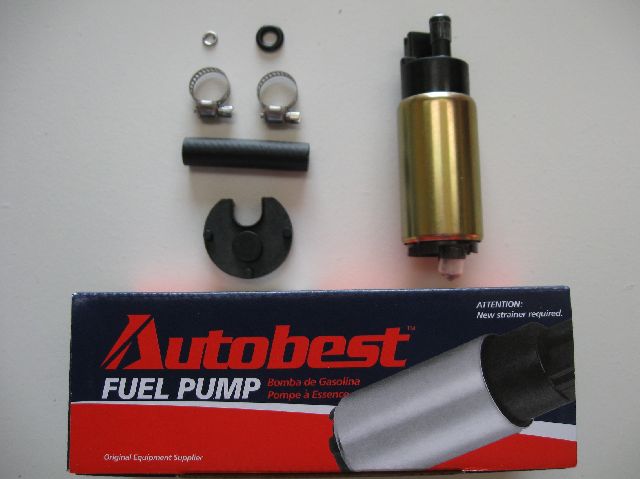
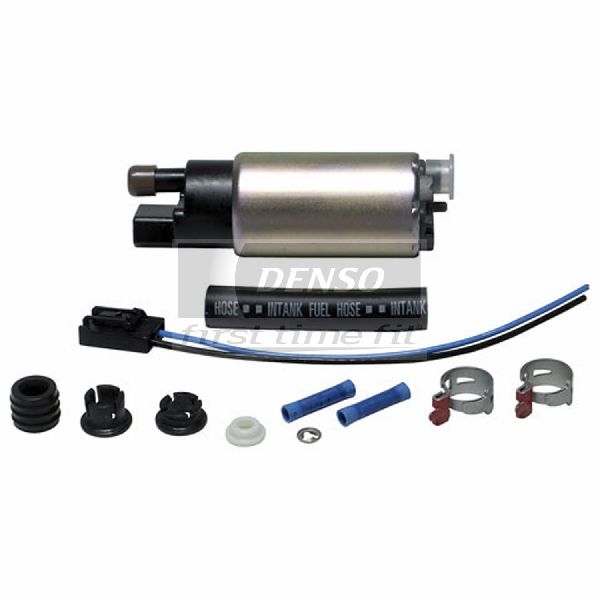
- Low Fuel Pressure: A weak fuel pump or clogged fuel filter can cause misfires on multiple cylinders, often triggering a P0300 code along with individual cylinder misfire codes.
- Faulty Camshaft or Crankshaft Position Sensor: A failing camshaft position sensor is a known issue on these Suzuki-based engines and can cause stalling when hot, misfires, and starting problems. A faulty crankshaft sensor can also cause misfires that are difficult to trace, especially under load.
- Engine Mechanical Issues: Though less common, a loss of compression from a worn valve, bad piston ring, or leaking head gasket can cause a persistent misfire that won't be fixed by replacing ignition or fuel parts. A compression test is needed to diagnose this.
Diagnosis Steps
- STOP: Do not attempt to locate Cylinder 8. The 2000-2004 Chevrolet Tracker does not have one.
- Re-scan the vehicle's computer with a quality OBD-II scanner to get the correct trouble code. Note all codes present, such as P0300 or P0301-P0306.
- If the code is P0300 (Random Misfire), check for system-wide issues like vacuum leaks (inspect all hoses), fuel pressure problems, or a bad mass airflow sensor.
- If you have a specific cylinder code (P0301-P0306), locate that cylinder on your engine (I4 or V6).
- Inspect the spark plug for the identified cylinder. Look for wear, oil fouling, or damage. An incorrect gap can also cause issues. Replace if necessary.
- Swap the ignition coil from the misfiring cylinder with one from a neighboring cylinder. Clear the codes and run the engine. If the code 'moves' to the new cylinder (e.g., P0301 becomes P0302), the ignition coil is faulty and must be replaced.
- If the misfire remains on the original cylinder, check the fuel injector wiring with a noid light and test the injector's resistance with a multimeter.
- If ignition and fuel components check out, consider testing the camshaft and crankshaft position sensors, as they are known failure points. 🎬 Watch: How to diagnose a faulty camshaft position sensor
- If all else fails, perform an engine compression test on the affected cylinder to rule out mechanical problems like bad valves or piston rings.
Parts You'll Likely Need
- Ignition Coil
(OEM #91175339 (ACDelco), 33410-77E21 (Suzuki))— Ignition coils are a common failure point that cause a misfire on a specific cylinder. Swapping them is an easy diagnostic step.
Trusted brands: ACDelco, Delphi, NGK, Denso
OEM price range: $70-$120
Aftermarket price range: $40-$100 - Spark Plugs
(OEM #NGK IFR5G11 or BKR6E-11 (V6), NGK 5464 (I4))— Worn or fouled spark plugs are a primary cause of misfires and are a routine maintenance item.
Trusted brands: NGK, Denso, ACDelco
OEM price range: $8-$15 per plug
Aftermarket price range: $4-$10 per plug - Fuel Injector — A clogged or failed fuel injector will cause a misfire on a single cylinder. This is less common than ignition issues but becomes more likely with age and mileage.
Trusted brands: ACDelco, Standard Motor Products
OEM price range: $100-$180
Aftermarket price range: $50-$150
Related Codes That Often Appear With This One
- P0300 — This code for 'Random/Multiple Cylinder Misfire' is often the actual code present when a user mistakenly reports a single-cylinder misfire. It indicates the problem is affecting more than one cylinder and could point to a vacuum leak or fuel delivery issue.
- P0301, P0302, P0303, P0304, P0305, P0306 — One of these is the real code you likely have. The last digit indicates the actual cylinder that is misfiring (e.g., P0306 is Cylinder 6).
- P0171, P0174 — These codes indicate a 'System Too Lean' condition on Bank 1 or Bank 2. They often appear alongside misfire codes when the root cause is a vacuum leak or a fuel delivery problem affecting an entire bank of cylinders on the V6.
Technical Service Bulletins (TSBs) & Recalls
- PIP5628G: A general GM bulletin from 2023 regarding misfire diagnosis (P0300-P0308). Its inclusion of P0308 is generic and does not imply the Tracker has a V8 engine.
Platform-Specific Known Issues
- On the 2.5L V6, the rear spark plugs (especially cylinder 6) can be difficult to access, requiring removal of some components on the intake plenum.
- A failing Camshaft Position Sensor is a widely reported issue on the platform-mate Suzuki models, causing heat-related stalling and misfires.
- Leaking valve cover gaskets can cause oil to pool in the spark plug wells, shorting out the ignition coil and causing a misfire. This should be checked whenever replacing coils or plugs.
Mechanic-Grade Diagnostic Values
- Ignition Coil Primary Resistance (2.5L V6 & 2.0L I4) — expected: 0.4 to 2.0 Ohms. Failure: A reading outside this range indicates a faulty primary winding in the coil.
- Ignition Coil Secondary Resistance (2.5L V6 & 2.0L I4) — expected: 6,000 to 10,000 Ohms (6k-10k Ω). Failure: A reading significantly outside this range points to a failure in the secondary winding.
- Fuel Injector Resistance (All Engines) — expected: 13 to 16 Ohms at 68°F (20°C). Failure: A reading significantly higher (open) or lower (shorted) than the specified range indicates a failed injector coil.
- Camshaft Position Sensor (CMP) Voltage Test (Key On, Engine Off) — expected: 5V on the reference wire, 5V on the signal wire (before cranking), and 12V+ (battery voltage) on the ground wire when tested against the positive battery terminal.. Failure: Absence of 5V reference points to a PCM or wiring issue. Incorrect signal voltage or a bad ground reading indicates a problem in the sensor's circuit or the sensor itself.
- Fuel Pressure at Idle — expected: ~42 PSI. Failure: Significantly lower pressure indicates a weak fuel pump or clogged filter; higher pressure could mean a faulty regulator.
Wiring & Ground Locations
- G101 / G106 — G101 is at the front of the engine on the lower block. It jumpers to G106 at the center of the frame cross rail under the crank pulley.. This is a primary ground for the Engine Control Module (ECM) and Mass Air Flow (MAF) sensor. A poor connection here can cause erratic sensor readings and trigger random misfires (P0300).
- G102 — Located at the left rear of the engine.. This ground point is specifically for the ignition coils. Corrosion or a loose connection here can directly cause weak spark and misfires on one or more cylinders.
- ECM Signal Ground — Pin 5 on the Data Link Connector (DLC) is a signal ground that originates inside the PCM. Main sensor grounds are typically bundled at a single point on the engine to prevent ground loops.. Critical sensors like the ECT and Crank/Cam sensors use this dedicated ground. A fault in this circuit can lead the PCM to make incorrect fuel and timing calculations, causing misfires.
- ECM Connector (H25 V6 Engine) — The main engine computer (ECM/PCM).. Specific pins control each fuel injector and ignition coil (e.g., E61-1 for Injector #1, E61-13 for Ignition Coil #1). A fault inside the ECM can stop the signal to a specific component, causing a persistent single-cylinder misfire.
Real Owner Repair Stories
- Suzuki-Forums.com user (1999 Suzuki Grand Vitara 2.5L V6 (platform twin)) — Hesitation and multiple misfire codes (P0300, P0301-P0306).
❌ Tried (didn't work) Clearing codes, which would return.
✅ What actually fixed it The user found that cleaning the ignition coil contacts and the ground screw area for each coil resolved the misfire. Debris and corrosion were interrupting the electrical connection, causing a weak spark. - YouTube - 'Auto-Ditex' (Suzuki Grand Vitara V6 (year not specified, but H25A/H27A family)) — Persistent misfire on one cylinder after being to two other mechanics.
❌ Tried (didn't work) New spark plugs, New ignition coil
✅ What actually fixed it Using an oscilloscope, the technician determined the ignition coil had proper power and ground but was not receiving the trigger signal from the Powertrain Control Module (PCM). The PCM's internal driver for that coil had failed. Replacing the PCM with a used unit and having it programmed fixed the misfire.
"I Checked Everything" — The Actual Cause
- In a documented case of a P0300, a user performed a smoke test and saw no leaks around the intake manifold or vacuum hoses. However, smoke was seen coming from the oil dipstick tube. A mechanic advised this can be normal if an intake valve is open, allowing smoke to pressurize the crankcase past the piston rings. This confirms that seeing smoke from the dipstick tube does not automatically mean a major internal engine problem and should not distract from diagnosing fuel and ignition systems.
Model Year Variations Within This Range
- 2001-2004: The 2.5L V6 engine was introduced as an option in 2001, primarily on 4-door LT and ZR2 models. By 2004, the V6 became the standard engine and only the 4-door body style remained. This is relevant as misfire diagnosis on the V6 involves different component locations and cylinder numbering than the 2.0L I4.
- 1999-2000 vs 2001-2004 (2.0L Engine): Salvage yard interchange data suggests a split between 1999-2000 and 2001-2004 for the 2.0L I4 engine, though the specific mechanical differences are not well-documented. This could imply changes to sensors or wiring harnesses that affect diagnosis, and technicians should be cautious when swapping parts between these year ranges.
Helpful Videos
Used OEM Parts in Stock


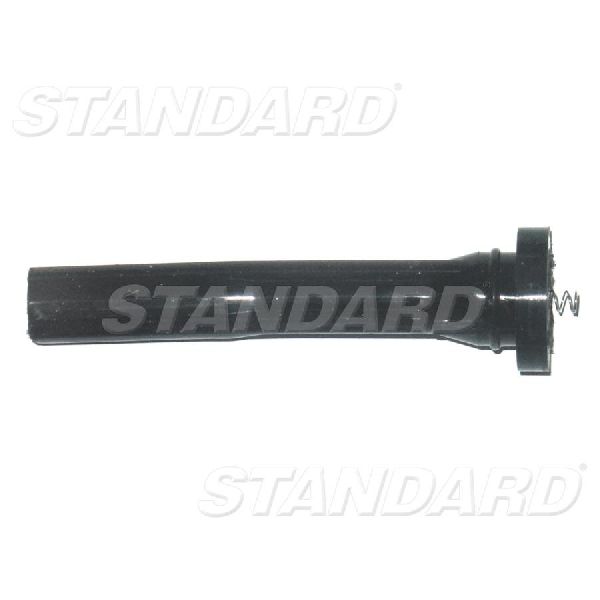
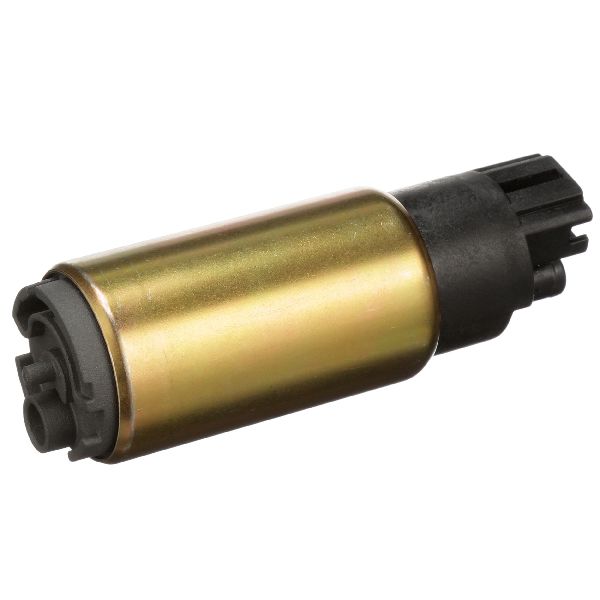
New Aftermarket Parts Available


The information in this article is provided for general reference and educational purposes only. Vehicle specifications, procedures, and part compatibility can vary by production date, trim level, and region. Always consult your vehicle's factory service manual and verify part numbers before purchasing or performing repairs. Safety-critical components such as airbags, seat belts, and braking systems should be installed by a qualified professional.
- Chevrolet TRACKER:
- 🎬 Helpful Videos
- 🛍️ Shop This Part
- What's Unique About the 2000-2004 Chevrolet TRACKER
- Diagnostic Flowchart
- Symptoms You May Notice
- Most Likely Causes
- Rare But Worth Checking
- Diagnosis Steps
- Parts You'll Likely Need
- Related Codes That Often Appear With This One
- Technical Service Bulletins (TSBs) & Recalls
- Platform-Specific Known Issues
- Mechanic-Grade Diagnostic Values
- Wiring & Ground Locations
- Real Owner Repair Stories
- "I Checked Everything" — The Actual Cause
- Model Year Variations Within This Range
- 🎟️ Get 5% Off