

P0308 on 2012-2019 Chevrolet Malibu: An Impossible Code and What It Really Means
A P0308 code means "Cylinder 8 Misfire," but the 2012-2019 Chevrolet Malibu was never equipped with an 8-cylinder engine. Seeing this code is highly unusual and almost certainly indicates a diagnostic tool error, likely from a generic or low-quality scanner. The actual problem is a misfire on one of the existing cylinders (1-4 or 1-6), with the most common causes being a faulty ignition coil or a worn spark plug.
- P0308 means Cylinder 8 Misfire, which is impossible on a 2012-2019 Malibu. The code is an error from your scan tool.
- Your car has a real misfire, but on a different cylinder (1 through 4, or 1 through 6 on V6 models).
- The most probable causes are a bad ignition coil or worn-out spark plugs.
- A simple 'swap test' (moving the coil from the misfiring cylinder to another) is the easiest way to confirm a bad ignition coil.
- Do not drive the vehicle if the Check Engine Light is flashing, as this can quickly destroy the expensive catalytic converter.
What's Unique About the 2012-2019 Chevrolet MALIBU

The appearance of a P0308 code on any 2012-2019 Malibu is an anomaly. These vehicles were produced in the 7th, 8th, and 9th generations, with engine options including various 4-cylinders (1.5L Turbo, 2.0L Turbo, 2.4L, 2.5L) and a 3.6L V6 in the 7th generation (ending in 2012). None of these have eight cylinders. The provided TSB (PIP5628G) that mentions P0300-P0308 is a general GM diagnostic aid document applicable to a wide range of vehicles, including V8-equipped trucks and performance cars, which is why the P0308 code is included in its range. This TSB is a guide for technicians on what data to collect when diagnosing any misfire, not an indication that a Malibu can have a P0308. If you see this code, the primary issue is determining which cylinder is *actually* misfiring, as the scanner is misreporting the specific cylinder number.
Diagnostic Flowchart

Tap your situation to follow the diagnostic path that matches what you're seeing on this vehicle.
Generation note: The 2012-2019 range covers the end of the 7th generation (2008-2012), the full 8th generation (2013-2016), and the beginning of the 9th generation (2016-2019). While engine specifics vary, the root causes of a misfire (bad spark plug, coil, injector, etc.) are consistent across all generations. The 9th generation introduced the 1.5L Turbo (LFV) engine, which has its own specific issues that can lead to misfires, such as cracked pistons.
Symptoms You May Notice
- Rough or shaky idle, sometimes stalling when coming to a stop.
- Hesitation or stumbling during acceleration.
- Noticeable loss of engine power.
- Flashing or solid Check Engine Light.
- Poor fuel economy.
- Potential fuel smell from the exhaust due to unburnt fuel.
- Searching for Cylinder 8: The most common misdiagnosis is taking the P0308 code literally and searching for an eighth cylinder that does not exist on this vehicle.
- Replacing Parts Randomly: Without identifying the actual misfiring cylinder using a proper scan tool's live data, owners may waste money replacing coils and plugs on all cylinders unnecessarily.
Most Likely Causes

- Faulty Ignition Coil 🔴 High Probability Ignition coils are a very common failure point on many modern engines, including the Ecotec family used in the Malibu, leading to misfires. Over time, heat and vibration cause the internal windings to fail.
How to confirm: Swap the ignition coil from the misfiring cylinder (once identified using a capable scanner's live data) with a coil from a known good cylinder. Clear the codes and run the engine. If the misfire code changes to the new cylinder (e.g., P0302 becomes P0304), the coil is bad.
Typical fix: Replace the faulty ignition coil. It is often recommended to replace the corresponding spark plug at the same time.
Est. part cost: $30-$70 per coil - Worn or Fouled Spark Plugs 🔴 High Probability Spark plugs are a regular maintenance item. If neglected, the electrodes wear down or become fouled with carbon or oil, leading to a weak or non-existent spark and causing a misfire.
How to confirm: Remove the spark plug from the misfiring cylinder and inspect it. Look for a worn electrode, heavy carbon buildup, oil fouling, or a cracked insulator. Compare it to a plug from a non-misfiring cylinder.
Typical fix: Replace all spark plugs as a set. It's cost-effective and ensures consistent performance across all cylinders.
Est. part cost: $20-$80 for a set of four - Clogged or Faulty Fuel Injector 🟡 Medium Probability The direct injection (DI) systems on many modern Malibu engines can be sensitive to fuel quality and carbon deposits, which can lead to injector clogging or failure.
How to confirm: A fuel injector balance test can be performed with a capable scan tool (like a GM GDS2) to measure the pressure drop for each injector. Another method is to swap injectors between cylinders, similar to an ignition coil swap, but this is more labor-intensive.
Typical fix: Replace the faulty fuel injector. On some models, the injectors are sold with the entire fuel rail.
Est. part cost: $50-$150 per injector - Vacuum Leak ⚪ Low Probability On some 2.5L Ecotec engines (LCV), the intake manifold bolts have been known to loosen over time, causing a vacuum leak. This introduces unmetered air, creating a lean condition (often with code P0171) that can lead to misfires.
How to confirm: With the engine running, spray short bursts of brake cleaner or use an unlit propane torch around the intake manifold gasket area. If the engine RPM changes, a leak is present. A smoke test is a more precise and safer method.
Typical fix: Tighten the intake manifold bolts to the correct torque specification (12 Nm or 108 in-lbs) or replace the intake manifold gasket if it is damaged.
Est. part cost: $20-$50 for a gasket
Rare But Worth Checking
- Leaking Valve Cover Gasket: If the valve cover gasket fails, oil can leak into the spark plug tubes, fouling the spark plug and shorting out the ignition coil, causing a misfire. This is often discovered during a spark plug or coil replacement and is a common issue on many vehicle types.
- Cracked Piston (1.5L LFV Engine): A known issue on some 2016-2017 Malibus with the 1.5L Turbo engine is a cracked piston, particularly on cylinder 1. This results in a loss of compression and a persistent misfire (e.g., P0301). A compression test is required for diagnosis. A forum member on ChevroletForum.com detailed their experience with a P0301 on a 2016 Malibu that was ultimately diagnosed as a cracked piston, requiring replacement of all four pistons under warranty.
- Internal Engine Issues: Though rare, a loss of compression from a bad valve, worn piston rings, or other internal mechanical problems can cause a persistent misfire that isn't resolved by replacing ignition or fuel components. A compression test is the definitive way to diagnose this.
Diagnosis Steps
- Confirm the Code: Use a different, higher-quality OBD-II scanner if possible to re-read the codes. Confirm if P0308 appears consistently or if a more plausible code like P0301-P0304 (or P0301-P0306 for V6) or P0300 is present.
- Assume a Tool Error: Since P0308 is not possible, treat the issue as an undiagnosed misfire. Your goal is to find the correct cylinder.
- Identify the Misfiring Cylinder: Use a scan tool with live data (Mode $06) to view misfire counters for each cylinder (e.g., Cylinder 1 Misfire Count). The cylinder with the high or incrementing count is the culprit.
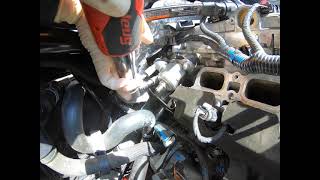
- Inspect the Ignition System: Move to the identified misfiring cylinder. Inspect the ignition coil's electrical connector for damage. Remove the coil and spark plug.
- Analyze the Spark Plug: Check the spark plug for wear, damage, or fouling (black, wet, or white deposits). A heavily worn or damaged plug is a likely cause.
- Swap Components: If the plug looks okay, perform a 'swap test'. Move the ignition coil from the misfiring cylinder to a known good cylinder. Clear codes and run the engine. If the misfire code follows the coil (e.g., a P0301 becomes a P0302), the coil is bad. This test can also be done with spark plugs.
- Check the Fuel System: If ignition components are good, the issue may be fuel-related. A fuel injector balance test or swapping injectors can help isolate a bad injector, though this is more labor-intensive.
- Check for Vacuum Leaks: Inspect all vacuum hoses for cracks. Perform a smoke test or carefully spray starter fluid around the intake manifold gasket to check for leaks that could lean out the mixture and cause a misfire, especially on 2.5L models.
- Check Compression: If all else fails, perform a mechanical compression test to ensure the cylinder is sealing properly. Low compression points to a more serious internal engine problem like a cracked piston or bad valves.
Parts You'll Likely Need
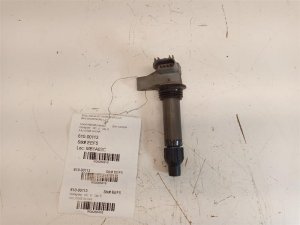
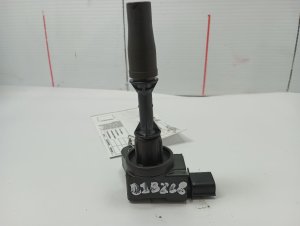
- Ignition Coil
(OEM #ACDelco D521C (for 1.5L Turbo))— This is one of the most frequent causes of a single-cylinder misfire on the Malibu.
Trusted brands: ACDelco, Delphi, NGK
OEM price range: $50-$90
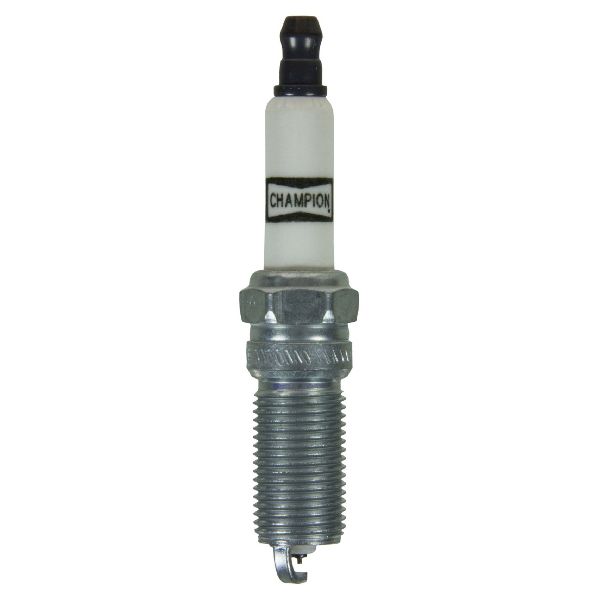
Aftermarket price range: $30-$70 - Spark Plugs
(OEM #ACDelco 41-125 (Iridium, for 2.0L Turbo))— Worn spark plugs are a primary cause of misfires and are a standard maintenance item.
Trusted brands: ACDelco, NGK, Bosch
OEM price range: $40-$80
Aftermarket price range: $20-$60
Related Codes That Often Appear With This One
- P0300 — This indicates a random or multiple cylinder misfire. If the misfire is intermittent or affects more than one cylinder, P0300 may appear alongside a specific cylinder code, or by itself.
- P0301, P0302, P0303, P0304 — These are the actual, valid misfire codes for a 4-cylinder Malibu. Your true problem is likely one of these codes, and the P0308 is a tool error.
- P0171 — This code for 'System Too Lean' can be caused by a vacuum leak, which introduces unmetered air and can lead to misfires. This is particularly relevant for the 2.5L engines with loose intake manifold bolts.
Technical Service Bulletins (TSBs) & Recalls
- PIP5628G: A general GM diagnostic aid for technicians collecting data on misfire codes (P0300-P0308) to report to the Technical Assistance Center (TAC). It is not a fix, but a procedural document.
Platform-Specific Known Issues

- Loose intake manifold bolts on the 2.5L Ecotec engine can cause vacuum leaks, leading to lean codes (P0171) and misfires.
Mechanic-Grade Diagnostic Values
- High-Pressure Fuel Rail Pressure (2.0L Turbo at idle) — expected: Approximately 420 PSI. Failure: Significantly lower readings (e.g., 80-100 PSI) indicate a failing high-pressure fuel pump (HPFP).
- High-Pressure Fuel Rail Pressure (General Direct Injection) — expected: 2.0-5.0 MPa (290-725 PSI) at idle, increasing with engine load.. Failure: Pressure that does not respond to engine RPM changes or stays consistently low points to a HPFP or fuel pressure sensor issue.
- Low-Pressure Fuel System Pressure — expected: 40-60 PSI. Failure: Low pressure from the in-tank pump will starve the high-pressure pump, causing misfires under load.
- Intake Manifold Bolt Torque (2.5L LCV Engine) — expected: 12 Nm (108 in-lbs). Failure: Bolts that are looser than this specification can cause a vacuum leak, leading to lean codes (P0171) and misfires.
Hidden / Shadow Codes Worth Checking
- Mode $06, TID $53 (Ford) or MIDs $A2-$A7 (GM): This is not a 'code' but a data stream within the OBD-II system that shows raw misfire counts for each cylinder before they reach the threshold to trigger a Check Engine Light. For GM vehicles, Monitor IDs (MID) $A2, $A3, $A4, $A5, etc., correspond to misfire data for Cylinder 1, 2, 3, 4, and so on. (see via Requires a scan tool capable of reading Mode $06 data. Many affordable Bluetooth OBD-II adapters paired with smartphone apps like Torque Pro can access this information. Professional tools like the GM GDS2 will display this as a 'Misfire Graphic'.)
Scan Tool Commands That Help
- GM GDS2 / Tech2Win: Cylinder Power Balance Test — This function allows a technician to disable individual fuel injectors one by one while monitoring the RPM drop for each cylinder. If disabling a cylinder causes little to no change in RPM, that cylinder is not contributing power, confirming it's the source of the misfire.
- GM GDS2 / Tech2Win: Misfire Graphic — This provides a real-time and historical graph of misfire counts per cylinder, which is the most effective way to identify the specific cylinder causing the issue when a generic P0300 is present or a scanner is misreporting the cylinder number (as with P0308).
- GM GDS2 / Tech2Win: Fuel Injector Balance Test — This test commands each injector to fire for a set duration and measures the corresponding drop in fuel rail pressure. An injector that causes a smaller or larger pressure drop than the others is likely faulty or clogged. This is used after ignition issues have been ruled out.
Wiring & Ground Locations
- G103 — On older GM models, typically found on the top of the left front strut tower or on the cowl above the brake booster. On some newer platforms, it's part of the main negative battery cable harness at the left front of the engine block.. This is a critical ground point for the Engine Control Module (ECM), Body Control Module (BCM), and the Data Link Connector (DLC). A poor connection here can cause a host of bizarre, hard-to-diagnose electrical problems, including false sensor readings and phantom misfires.
- G105 / G106 — Typically located on the engine itself or on the transmission near the park/neutral switch. On the 3.6L V6, ground points are found on the rear of the cylinder heads.. These are the primary engine-to-chassis grounds. A corroded or loose connection here can affect the performance of engine-mounted sensors and actuators, including ignition coils and fuel injectors, leading to misfires.
- ECM Connector (X1/X2) — Located on the Engine Control Module, typically on the left side of the engine compartment.. Corrosion or backed-out pins in the main ECM connectors can interrupt signals to/from ignition coils or fuel injectors. A pinout diagram for the specific engine (e.g., 2.5L LCV) is needed to test for correct voltage and ground signals at the connector for the suspect cylinder's components.
Real Owner Repair Stories
- YouTube channel 'D&E AUTOMOTIVE' (2017 Chevrolet Cruze 1.4L (similar 1.5L in Malibu)) — Active misfire, Check Engine Light on with code P0300 and a specific misfire on cylinder 1.
❌ Tried (didn't work) Swapping ignition coils and spark plugs did not resolve the misfire.
✅ What actually fixed it A compression test revealed low compression on cylinder 1. Teardown of the engine showed a cracked piston. The final fix was to replace all four pistons with the updated design and perform a software update to prevent recurrence. - Chevrolet Forum user 'Shawn Schulz' (2013 Chevrolet Malibu 2.5L) — Rough idle, stalling when coming to a stop, and multiple codes including P2097 (Post Catalyst Fuel Trim System Too Rich) and EVAP codes.
❌ Tried (didn't work) Cleaning O2 sensors, cleaning throttle body, replacing throttle body.
✅ What actually fixed it The user identified the cause as loose intake manifold bolts, which created a significant vacuum leak. Tightening the bolts resolved the stalling and rough idle. - YouTube channel 'AUTO TECH TURPIN' (2013 Chevrolet Malibu LTZ 2.0L Turbo) — Long crank time, no power, stalling, codes P00C6 and P228C (Fuel Pressure Regulator Performance).
❌ Tried (didn't work) Initial diagnosis pointed towards a fuel pressure issue, ruling out other systems.
✅ What actually fixed it Live data showed actual fuel rail pressure was only 80-100 PSI while desired pressure was 420 PSI. The high-pressure fuel pump (HPFP) was faulty and replacing it restored correct fuel pressure and resolved all symptoms.
"I Checked Everything" — The Actual Cause
- On 1.5L Turbo engines, a persistent misfire (P0300, P0301, etc.) with good ignition and fuel delivery may be caused by a cracked piston land. This will not be found with a smoke test. The definitive diagnosis is a cylinder compression test followed by a cylinder leakage test, which will show excessive leakage into the crankcase.
- A hissing noise, lean code (P0171), and rough idle on a 1.8L Hybrid or 1.5L Turbo may be caused by a failed internal PCV diaphragm inside the valve cover. A smoke test of the intake manifold may show no leaks, but placing the engine under a slight vacuum and observing high crankcase vacuum (or hearing a hiss from the valve cover) points to this failure. The fix requires replacing the entire valve cover assembly.
OEM Part Supersession History
Unknown original piston part number→Updated piston and rod assemblies (e.g., GM #12674692)— The original pistons in some 2016-2017 1.5L LFV engines were prone to cracking due to a condition called Stochastic Pre-Ignition (SPI). The updated pistons have a revised design to be more durable.
Heads up: When one piston fails, GM service procedure requires replacing all four piston and rod assemblies with the updated design to ensure reliability and prevent repeat failures. An ECM reprogram is also required.
Model Year Variations Within This Range
- 2016-2017: Malibus with the 1.5L LFV engine are subject to TSB 19-NA-122 and Customer Satisfaction Program 17019 for cracked pistons caused by pre-ignition. Later models have updated piston designs and software calibrations to prevent this.
- 2013-2015: Malibus with the 2.5L LCV engine are known to have issues with intake manifold bolts loosening over time, causing vacuum leaks, rough idle, and lean codes (P0171). This is not a common issue on the later 1.5L/2.0L turbo engines.
- 2016-2019 (1.5L LFV & 1.8L Hybrid): These engines feature a PCV system where the primary valve/orifice is integrated into the valve cover. When it fails or clogs, the entire valve cover must be replaced. This is a more complex and costly repair than the simple screw-in PCV valves found on older engines.
Helpful Videos
Used OEM Parts in Stock


New Aftermarket Parts Available


The information in this article is provided for general reference and educational purposes only. Vehicle specifications, procedures, and part compatibility can vary by production date, trim level, and region. Always consult your vehicle's factory service manual and verify part numbers before purchasing or performing repairs. Safety-critical components such as airbags, seat belts, and braking systems should be installed by a qualified professional.
- Chevrolet MALIBU:
- 🎬 Helpful Videos
- 🛍️ Shop This Part
- What's Unique About the 2012-2019 Chevrolet MALIBU
- Diagnostic Flowchart
- Symptoms You May Notice
- Most Likely Causes
- Rare But Worth Checking
- Diagnosis Steps
- Parts You'll Likely Need
- Related Codes That Often Appear With This One
- Technical Service Bulletins (TSBs) & Recalls
- Platform-Specific Known Issues
- Mechanic-Grade Diagnostic Values
- Hidden / Shadow Codes Worth Checking
- Scan Tool Commands That Help
- Wiring & Ground Locations
- Real Owner Repair Stories
- "I Checked Everything" — The Actual Cause
- OEM Part Supersession History
- Model Year Variations Within This Range
- 🎟️ Get 5% Off