

P0308 on 2009-2012 Chevrolet Colorado 5.3L V8: Cylinder 8 Misfire Causes and Fixes
P0308 on a V8 Colorado indicates a misfire in cylinder 8. The most common causes are a failed ignition coil or a worn-out spark plug. Swapping the coil with an adjacent cylinder is a quick, free diagnostic test. Since cylinder 8 is at the rear of the engine bay, heat can be a contributing factor to component failure.
- P0308 on a 2009-2012 Colorado is only possible if you have the 5.3L V8 engine.
- The most likely culprits are a bad ignition coil or spark plug on cylinder #8.
- A simple diagnostic step is to swap the cylinder #8 ignition coil with another cylinder to see if the misfire follows the coil.
- This code is NOT typically caused by the common Active Fuel Management (AFM) lifter issue, as cylinder #8 is not an AFM cylinder.
- Driving with a flashing check engine light can cause expensive damage to your catalytic converter.
What's Unique About the 2009-2012 Chevrolet COLORADO
The V8 engine was a rare option for the 2009-2012 Colorado, giving the compact truck significant power. While this 5.3L V8 engine family is widely known for issues with its Active Fuel Management (AFM) system lifters, cylinder #8 is a non-AFM cylinder. Therefore, unlike a misfire on cylinders 1, 4, 6, or 7, a P0308 code points away from the common AFM lifter failure and directs diagnosis toward standard ignition, fuel, or mechanical issues specific to that cylinder. Due to its location at the back of the engine bay against the firewall, cylinder 8 components can be exposed to higher heat, potentially accelerating the failure of ignition coils and spark plug wires.
Diagnostic Flowchart
Tap your situation to follow the diagnostic path that matches what you're seeing on this vehicle.
Symptoms You May Notice
- Rough or shaking idle
- Hesitation or stumbling during acceleration
- Noticeable loss of engine power
- Flashing or solid Check Engine Light
- Possible fuel smell from the exhaust
- Engine may make a ticking, squeaking, or chirping noise if the cause is mechanical (cam/lifter)
- Replacing the AFM lifters. While a common failure on the 5.3L V8, cylinder #8 is not controlled by the Active Fuel Management system, so its lifter is a standard design and not the typical point of failure.
- Assuming a P0300 (random misfire) is the same issue. While they can be related, P0308 points to a problem specific to cylinder #8, making diagnosis more focused.
Most Likely Causes
- Failed Ignition Coil 🔴 High Probability Coil-on-plug ignition systems are common points of failure over time due to high heat and vibration. Cylinder 8's location at the rear of the engine can exacerbate this.
How to confirm: Swap the ignition coil from cylinder #8 with another cylinder (e.g., cylinder #6, which is the adjacent coil on the passenger side). Clear the codes and drive the vehicle. If the misfire code changes to P0306, the coil is bad.
Typical fix: Replace the faulty ignition coil. It is often recommended to replace the corresponding spark plug at the same time.
Est. part cost: $30-$70 - Worn or Fouled Spark Plug 🔴 High Probability
How to confirm: Remove the spark plug from cylinder #8 and inspect it. Look for a worn electrode, heavy carbon deposits, oil fouling, or cracks in the porcelain. The recommended gap for the OEM plug is typically 0.040 inches.
Typical fix: Replace the spark plug. It is best practice to replace all 8 spark plugs if they are near the end of their 100,000-mile service life.
Est. part cost: $5-$20 per plug - Faulty Fuel Injector 🟡 Medium Probability
How to confirm: Use a mechanic's stethoscope or a long screwdriver to listen to the injector; it should make a consistent clicking sound. You can also check the injector's resistance with a multimeter or have a professional perform a flow test. A noid light can confirm if the injector is receiving an electrical pulse from the ECM.
Typical fix: Replace the clogged or failed fuel injector. GM has issued special coverage programs for injector issues on similar engines, though not specifically for this model year range.
Est. part cost: $50-$120 - Worn Cam Lobe or Lifter Roller ⚪ Low Probability GM Service Bulletin 19-NA-219 notes that worn cam lobes or lifters can cause single-cylinder misfires on this V8 engine family, presenting as a tick or squeak. This is a known issue across many GM V8s from this era.
How to confirm: This is an advanced diagnosis. It often presents with a persistent ticking or squeaking noise at half the engine speed that doesn't go away when the fuel injector is disabled. A visual inspection of the camshaft and lifters is required, which involves significant engine disassembly.
Typical fix: Replace the camshaft and all lifters. If an AFM delete is being considered, this is the time to do it, although this specific cylinder is non-AFM.
Est. part cost: $400-$800+
Rare But Worth Checking
- Broken Valve Spring: GM TSB 19-NA-219 mentions that a broken valve spring can cause a misfire that may only appear at certain RPMs. This can be difficult to diagnose as a compression test may not always reveal the issue.
- Poor Cylinder Compression: Caused by issues like a leaking valve or worn piston rings. A compression test and cylinder leak-down test will confirm the mechanical health of the cylinder.
- Intake Manifold Gasket Leak: A vacuum leak from a failed intake manifold gasket near the port for cylinder #8 can lean out the air/fuel mixture for that cylinder, causing a misfire. A smoke test is the most effective way to diagnose this.
Diagnosis Steps
- Read the code with an OBD-II scanner to confirm P0308 is the primary code. Check for any other codes like P0358 which would point directly to the coil circuit.
- Perform a visual inspection of the area around cylinder #8 (passenger side, rearmost cylinder). Look for damaged wiring, loose connectors, or signs of leaks.
- Swap the ignition coil from cylinder #8 with an adjacent cylinder (like #6). Clear the codes and run the engine. If the code changes to P0306, the ignition coil is the culprit. This is the most effective initial test.
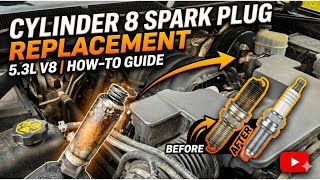
- If the misfire remains on cylinder #8, inspect the spark plug. Check for wear, damage, or fouling. The ACDelco 41-110 Iridium plug 🎬 Watch: Tips for reaching the difficult cylinder 8 spark plug is the OEM part. Replace if in doubt.
- If the coil and plug are good, check the fuel injector. Listen for a steady clicking sound. Use a noid light to verify it's receiving a signal. Check wiring and connector for damage.
- Perform a compression test on cylinder #8 to rule out mechanical issues like bad rings or valves. Compare the reading to other cylinders; they should be within 15% of each other.
- If compression is good, consider a less common cause. Perform a smoke test to check for an intake manifold gasket leak near cylinder #8. Listen for valvetrain noise that could indicate a worn cam lobe as described in TSB 19-NA-219.
Parts You'll Likely Need
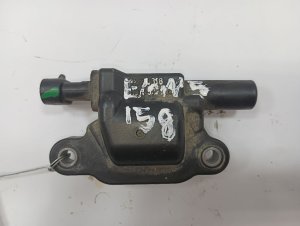
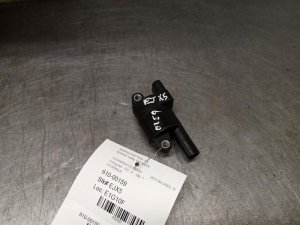
- Ignition Coil
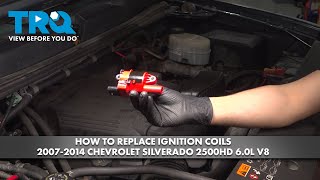
(OEM #12570616)— This is one of the most frequent causes of a single-cylinder misfire and is easy to replace. 🎬 See this walkthrough on how to replace the ignition coils This part is also listed under ACDelco D510C and is superseded by 12611424.
Trusted brands: ACDelco, Delphi, NGK
OEM price range: $50-$80
Aftermarket price range: $30-$60 - Spark Plug
(OEM #41-110)— Spark plugs are a routine maintenance item and a common cause of misfires as they wear out. This Iridium plug is often superseded by ACDelco part number 41-162.
Trusted brands: ACDelco, NGK
OEM price range: $8-$15
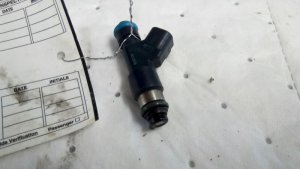
Aftermarket price range: $5-$12 - Fuel Injector
(OEM #12613412)— A clogged or electronically failed injector will prevent fuel from entering the cylinder, causing a misfire. This part number is for the Flex Fuel (LH9) engine from 2010-2012.
Trusted brands: ACDelco, Bosch
OEM price range: $90-$150
Aftermarket price range: $50-$100
Related Codes That Often Appear With This One
- P0300 — If the misfire is intermittent or begins to affect other cylinders, a P0300 (Random/Multiple Cylinder Misfire) may be stored alongside P0308.
- P0358 — This code indicates a fault in the ignition coil primary or secondary circuit for cylinder 8. If you have both P0308 and P0358, the ignition coil or its wiring is almost certainly the problem.
- P0171 or P0174 — If the misfire is caused by an intake manifold gasket leak, the unmetered air can cause a lean condition on one or both engine banks, triggering these codes.
Technical Service Bulletins (TSBs) & Recalls
- PIP5628G: Mentions diagnostic information for codes P0300-P0308, confirming the relevance of this code range to GM V8s.
- 19-NA-219: Provides diagnostic tips for V8 engine misfires (P0300-P0308), specifically citing worn cam lobes, valve leakage, and broken valve springs as potential causes that can create a chirp, squeak, or tick noise.
- 20-NA-166: Discusses how internal coolant leaks can cause cold start misfires (P0300, P050D), which could be relevant if other symptoms are present.
Platform-Specific Known Issues
- The 5.3L V8 engine in this platform is known for valvetrain issues. While AFM lifters are the most common problem, GM TSB 19-NA-219 also points to worn cam lobes and broken valve springs as potential causes for misfires on any cylinder.
- A class-action lawsuit regarding GM V8s of this era mentions valvetrain defects, including lifter and camshaft failures, that can lead to misfires.
- The heater hose quick-connect fittings at the firewall are a known failure point on these trucks and their platform mates. While not a direct cause of P0308, they are located very close to cylinder #8 and any coolant leak could potentially damage nearby wiring or components.
Mechanic-Grade Diagnostic Values
- Ignition Coil Primary Resistance — expected: 0.4 to 0.9 Ohms. Failure: A reading outside this range, especially an open circuit (infinite resistance) or a short (zero resistance).
- Ignition Coil Secondary Resistance — expected: 2,000 to 7,200 Ohms (2.0k to 7.2k Ohms). Failure: A reading significantly outside this range indicates a faulty coil winding.
- Fuel Injector Resistance (for PN 12613412) — expected: ~12.5 Ohms. Failure: A reading significantly higher or lower suggests a failing injector coil.
- Fuel Pressure (Key on, engine off) — expected: 55-62 PSI (approx. 4 BAR). Failure: Low fuel pressure can cause lean misfires, though it would typically affect more than one cylinder.
Hidden / Shadow Codes Worth Checking
- Misfire Counters (per cylinder): Professional scan tools can display a live count of misfire events for each individual cylinder, even if the number of events is not yet high enough to trigger a P030x trouble code. This allows a technician to see which cylinder is having minor issues before a hard fault occurs. (see via Accessible via the engine data list or misfire data graph function on a GM Tech 2, GDS2, or other advanced bidirectional scan tool. Some information may also be available in generic OBD-II Mode 6 data.)
Scan Tool Commands That Help
- GM Tech 2 / GDS2: Crankshaft Variation Learn (CASE Relearn) — This procedure should be performed if false misfires are suspected due to road vibrations, or after replacing a crankshaft position sensor, camshaft position sensor, or reprogramming the PCM. It helps the PCM more accurately distinguish between true misfires and crankshaft speed variations from other sources.
- GM Tech 2 / GDS2: Injector Balance Test — This test commands each injector to fire for a set duration while monitoring the corresponding drop in fuel pressure. It is used to identify a clogged or weak injector that isn't flowing enough fuel, which would cause a misfire. TSB PIP5628G specifically recommends this test.
Wiring & Ground Locations
- G107 (or similar engine block ground) — Typically on the rear of the driver's side cylinder head, with a strap connecting to the firewall.. This is a primary ground for the engine control system. Corrosion or a loose connection here can cause erratic behavior in sensors and actuators, including the ignition system, potentially leading to misfire codes.
- SP106 (Splice Pack) — On the passenger side inner fender, often located behind the engine airbox assembly.. This splice pack serves as a common ground point for multiple components on the passenger side of the vehicle. Since cylinder 8 is on the passenger side, corrosion in this pack can cause intermittent issues with the coil or injector circuits for that bank.
- Battery to Engine Block Ground — The main negative battery cable often has a large gauge wire that bolts directly to the engine block.. This is the main current return path for the starter and the entire engine's electrical system. A poor connection here can affect the voltage supplied to all components, including the ignition coils, leading to a weak spark and misfires.
Real Owner Repair Stories
- Reddit user on r/ChevyTrucks (2011 Suburban (similar 5.3L V8 and engine bay layout)) — P0308 code appeared.
❌ Tried (didn't work) Initial diagnosis pointed towards typical ignition parts.
✅ What actually fixed it The heater core quick-connect fittings at the firewall were leaking coolant, which dripped directly onto the #8 spark plug wire. Fixing the coolant leak and cleaning the plug wire resolved the P0308 code. - User on Tahoe Yukon Forum (2015 Tahoe (similar 5.3L V8)) — Intermittent P0308 Check Engine Light with no other noticeable symptoms.
❌ Tried (didn't work) Considered replacing plug wires and coils.
✅ What actually fixed it The owner decided the cause might be a dirty fuel injector. They added Techron fuel system cleaner to two consecutive tanks of gasoline. The code cleared and did not return.
"I Checked Everything" — The Actual Cause
- A cracked flexplate can cause the crankshaft position sensor to send erratic signals to the PCM, mimicking the crankshaft speed variations of a misfire and triggering a P0308 code. This is a mechanical issue that will not be found with a smoke test, compression test, or by swapping ignition/fuel components. It is often misdiagnosed as a lifter tick or rod knock due to the sound it produces.
OEM Part Supersession History
12570616→12611424 (ACDelco D510C)— Standard part evolution and supplier changes.41-110 (ACDelco)→41-162 (ACDelco)— Updated design for improved performance and longevity.
Model Year Variations Within This Range
- 2009 vs 2010-2012: The 2009 model year used the 5.3L LH8 engine. For 2010-2012, this was updated to the LH9 engine. The primary difference is that the LH9 is Flex Fuel (E85) compatible, whereas the LH8 is not. This means the fuel injectors and potentially the fuel pump and PCM calibration are different between these years. Using incorrect injectors for the specific engine can cause fuel trim issues and misfires.
Helpful Videos
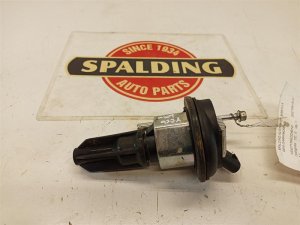
Used OEM Parts in Stock


New Aftermarket Parts Available


The information in this article is provided for general reference and educational purposes only. Vehicle specifications, procedures, and part compatibility can vary by production date, trim level, and region. Always consult your vehicle's factory service manual and verify part numbers before purchasing or performing repairs. Safety-critical components such as airbags, seat belts, and braking systems should be installed by a qualified professional.
- Chevrolet COLORADO:
- 🎬 Helpful Videos
- 🛍️ Shop This Part
- What's Unique About the 2009-2012 Chevrolet COLORADO
- Diagnostic Flowchart
- Symptoms You May Notice
- Most Likely Causes
- Rare But Worth Checking
- Diagnosis Steps
- Parts You'll Likely Need
- Related Codes That Often Appear With This One
- Technical Service Bulletins (TSBs) & Recalls
- Platform-Specific Known Issues
- Mechanic-Grade Diagnostic Values
- Hidden / Shadow Codes Worth Checking
- Scan Tool Commands That Help
- Wiring & Ground Locations
- Real Owner Repair Stories
- "I Checked Everything" — The Actual Cause
- OEM Part Supersession History
- Model Year Variations Within This Range
- 🎟️ Get 5% Off