

P0308 on 2002-2009 Chevrolet Avalanche: Cylinder 8 Misfire Causes and Fixes
P0308 on a Chevy Avalanche indicates a misfire in cylinder 8. For all years, the most likely cause is a bad spark plug or ignition coil. On 2007-2009 models with the 5.3L V8, a failed Active Fuel Management (AFM) lifter is also a very common and more serious cause. A basic ignition fix costs $50-$150, while an AFM lifter repair can cost over $2,500.
- P0308 is a misfire in cylinder 8, the rearmost cylinder on the passenger side of the engine.
- Always start diagnosis with the cheapest and easiest parts: swap the ignition coil with a neighboring cylinder to see if the code moves.
- If you have a 2007-2009 model with a 5.3L V8, be highly suspicious of a failed AFM lifter, especially if you hear a ticking noise from the engine.
- Do not ignore a flashing check engine light. Continued driving can cause expensive damage to your catalytic converter.
What's Unique About the 2002-2009 Chevrolet AVALANCHE
This year range covers two generations of the Avalanche. While earlier models (2002-2006) typically experience standard ignition or fuel-related misfires, the second generation (2007-2009) introduced the 5.3L V8 with Active Fuel Management (AFM). This system is notorious for lifter failure, which often presents as a single-cylinder misfire like P0308. The AFM system deactivates cylinders 1, 4, 6, and 7, but the specialized lifters used on all eight cylinders are a known weak point. Manufacturer technical service bulletins specifically point to internal engine issues like worn camshafts and collapsed AFM lifters as a known cause for these codes on this platform.
Diagnostic Flowchart
Tap your situation to follow the diagnostic path that matches what you're seeing on this vehicle.
Generation note: The 2002-2009 range includes the first generation (2002-2006, GMT800 platform) and the beginning of the second generation (2007-2009, GMT900 platform). The most significant difference regarding this code is the introduction of Active Fuel Management (AFM) on many 5.3L V8 engines in the 2007+ models. This system is a frequent cause of lifter failure leading to misfires, an issue not present on earlier models.
Symptoms You May Notice
- Rough or shaking idle
- Hesitation or stumbling during acceleration
- Noticeable loss of engine power
- Flashing or solid Check Engine Light
- Smell of unburned fuel from the exhaust
- A distinct ticking or tapping sound from the engine, especially on 2007+ models with AFM failure.
- Replacing the catalytic converter when it has been damaged by a persistent misfire, without fixing the root cause of the misfire first.
- Replacing oxygen (O2) sensors, which are unlikely to cause a single-cylinder misfire code. A bad O2 sensor would typically affect an entire bank of cylinders.
Most Likely Causes
- Worn or Fouled Spark Plug 🔴 High Probability Spark plugs are a standard wear item. On AFM engines, increased oil consumption can lead to premature fouling of the plugs.
How to confirm: Remove the spark plug from cylinder 8 (the rearmost cylinder on the passenger side). Inspect it for wear, carbon/oil fouling, or physical damage. A plug from a misfiring cylinder will often be wet with fuel or blackened.
Typical fix: Replace the spark plug. It is highly recommended to replace all 8 spark plugs at the same time using the correct OEM-spec plugs (ACDelco Iridium or Platinum) for even performance.
Est. part cost: $8-$20 per plug - Failed Ignition Coil 🔴 High Probability Ignition coil failure is a common issue on many GM V8 engines of this era due to heat exposure. There are two main styles, a square body (often Delphi) and a round body, so visual confirmation is needed before ordering.
How to confirm: Swap the ignition coil from cylinder 8 with another cylinder (e.g., cylinder 6, the next one forward on the passenger side). Clear the codes and drive the vehicle. If the code changes to P0306, the coil is bad.
Typical fix: Replace the faulty ignition coil. It is often wise to replace the spark plug at the same time.
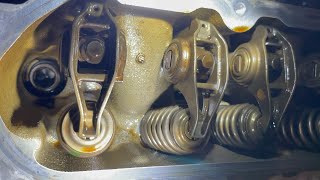
Est. part cost: $40-$80 for a quality aftermarket or OEM coil. - Failed AFM Lifter (2007-2009 5.3L V8) 🟡 Medium Probability The Active Fuel Management (AFM) system deactivates cylinders to save fuel, but the specialized lifters are a well-documented weak point. The internal locking pins can fail, causing the lifter to become stuck or 'collapse', which prevents the valve from opening and results in a misfire. This is addressed in GM Technical Service Bulletin #PIP4138R. 🎬 Watch: How to diagnose AFM lifter noise and failure symptoms.
How to confirm: After ruling out spark and fuel, a distinct ticking/tapping noise from the upper engine is a strong indicator. A compression test on cylinder 8 will likely show very low or zero compression. Diagnosis is confirmed by removing the valve cover and observing that the rocker arm for cylinder 8 is not moving while the engine is cranked.
Typical fix: This is an extensive and expensive repair. It requires replacing all AFM lifters (and often the non-AFM lifters as well), the lifter guides, and the Valve Lifter Oil Manifold (VLOM). The camshaft must be inspected for damage from the failed lifter and is often replaced. Many owners opt for an 'AFM delete kit' to permanently remove the system and prevent future failures.
Est. part cost: $300-$700 for a lifter replacement or delete kit. Labor is the major cost. - Clogged or Faulty Fuel Injector ⚪ Low Probability As the last injector on the fuel rail, cylinder 8's injector can sometimes be more susceptible to collecting debris from the fuel system over time.
How to confirm: Use a 'noid light' to verify the injector is receiving an electrical pulse. You can also listen to the injector with a mechanic's stethoscope; it should have a consistent clicking sound. Swapping the injector with another cylinder is a definitive test but is more labor-intensive than a coil swap.
Typical fix: Replace the faulty fuel injector. It's recommended to replace the O-rings on adjacent injectors if the fuel rail is removed.
Est. part cost: $50-$120
Rare But Worth Checking
- Worn Camshaft Lobe: This is often a direct result of a failed lifter, especially on AFM engines. If a lifter has failed, the camshaft should always be inspected for damage. This is mentioned as a possible cause in TSB #PIP4138R.
- Broken Valve Spring: A broken valve spring will prevent the valve from closing properly, causing a loss of compression and a misfire. This is a potential cause listed in GM TSB #PIP4138R.
- Intake Manifold Gasket Leak: A vacuum leak near the cylinder 8 runner can lean out the air/fuel mixture enough to cause a misfire. This can be diagnosed with a smoke test or by carefully spraying brake cleaner near the gasket and listening for a change in engine idle.
- Low Compression (Piston/Ring/Valve Issue): Beyond a failed lifter or broken spring, low compression can be caused by worn piston rings or a faulty valve, though these are less common causes for a single-cylinder misfire on this platform.
Diagnosis Steps
- Read the code with an OBD-II scanner to confirm P0308 and check for any other codes. Note the freeze-frame data.
- Determine if the Check Engine Light is solid or flashing. A flashing light indicates a severe misfire requiring immediate attention to prevent catalytic converter damage.
- Identify Cylinder 8: It is the 🎬 Watch: A simple walkthrough for diagnosing a Cylinder 8 misfire. rearmost cylinder on the passenger side of the engine.
- Swap the ignition coil from cylinder 8 with cylinder 6 (the one in front of it). Clear the codes, run the engine, and see if the misfire code moves to P0306. If it does, the coil is faulty.
- If the code remains P0308, inspect the spark plug wire/boot and then remove and inspect the spark plug in cylinder 8. Check for wear, damage, or fouling (oil, carbon, fuel). Replace if questionable.
- If the issue persists, check the fuel injector. Listen for a steady clicking with a stethoscope. Verify the electrical connector is secure and check for a pulse with a noid light.
- For 2007-2009 models, listen carefully for a distinct ticking or tapping sound from the passenger side valve cover area, a classic sign of a failed AFM lifter.
- Perform a compression test on cylinder 8. A significantly lower reading (or zero) compared to other cylinders points to a mechanical issue like a bad lifter, broken valve spring, or worn piston rings.
Parts You'll Likely Need
- Spark Plug
(OEM #ACDelco 41-162 (Iridium, later models), 41-962 (Platinum, earlier models))— Spark plugs are a routine maintenance item and the most common failure point for a misfire.
Trusted brands: ACDelco, NGK
OEM price range: $10-$15
Aftermarket price range: $5-$12 - Ignition Coil
(OEM #12666339 (Often a square coil design), 12570616 (Often a round/Delphi design))— Ignition coils are a frequent cause of single-cylinder misfires on these GM V8 engines. Verify style before purchase.
Trusted brands: ACDelco, Delphi, TRQ
OEM price range: $60-$90
Aftermarket price range: $35-$60 - AFM/DOD Lifter Kit (2007-2009)
(OEM #12698946 (Full set of 16 lifters))— For 2007+ models with Active Fuel Management, lifter failure is a well-documented and common cause of misfires. A kit is needed for the repair.
Trusted brands: General Motors, Delphi, Texas Speed, Michigan Motorsports
OEM price range: $300-$400 (for a full set of 16 lifters)
Aftermarket price range: $200-$500 (for replacement or delete kits)
Related Codes That Often Appear With This One
- P0300 — If the misfire from cylinder 8 is severe or intermittent, the PCM may also log a P0300 'Random Misfire' code before it isolates the problem to the specific cylinder.
Technical Service Bulletins (TSBs) & Recalls
- PIP4138R: Mentions that for engine misfires (P0300-P0308), if normal diagnostics don't find the cause, technicians should inspect for a worn camshaft lobe, broken valve spring, or a collapsed AFM lifter. It describes the characteristic ticking noise and how to confirm a collapsed lifter visually.
- PIP5628G: A procedural bulletin that communicates the information needed by the GM Technical Assistance Center (TAC) when diagnosing a persistent misfire (P0300-P0308). It outlines a diagnostic checklist including compression tests, fuel injector balance tests, and spark plug inspection.
Platform-Specific Known Issues
- Active Fuel Management (AFM) Lifter Failure (2007-2009): The most significant and costly issue for this platform. The system deactivates fo
Mechanic-Grade Diagnostic Values
- Fuel Pressure (Key On, Engine Off) — expected: 55-62 PSI. Failure: Pressure below 55 PSI or pressure that drops quickly indicates a weak fuel pump, bad regulator, or leak.
- Ignition Coil Secondary Resistance — expected: 6,000 - 10,000 ohms (Ω). Failure: A reading outside this range suggests a faulty coil winding.
- Fuel Injector Resistance — expected: Approximately 12.5 ohms (Ω). Failure: A significantly higher or lower reading, or an open circuit, indicates a failed injector coil.
- Spark Plug Wire Resistance — expected: 4,000-7,000 ohms (Ω) per foot of wire for OEM-style wires.. Failure: Extremely high resistance or an open circuit (infinite resistance) means the wire is bad. Very low resistance (under 300 ohms/ft) may indicate performance wires which are acceptable if the system is designed for them.
- Mode 6 Misfire Counts — expected: Near zero for cylinder 8 (Test ID $A2, Component ID $08 on many GM vehicles).. Failure: A high count of misfires logged for cylinder 8 confirms the misfire, even if the CEL isn't flashing.
Scan Tool Commands That Help
- Tech2 / GDS2: Cylinder Power Balance Test — Used to confirm a weak cylinder by individually disabling the fuel injector to each cylinder and observing the RPM drop. If disabling cylinder 8 causes little or no RPM drop compared to other cylinders, it confirms it is not contributing power.
- Tech2 / GDS2: Fuel Injector Balance Test — This test fires a specific injector for a set duration while monitoring fuel rail pressure drop. It can identify a clogged or restricted injector if the pressure drop for cylinder 8 is less than the others.
- GDS2 (or capable high-end scanner): Misfire Graphic / Misfire Counters — To view live misfire data for each cylinder. This is useful for diagnosing intermittent misfires during a test drive under specific load or RPM conditions that trigger the event.
Wiring & Ground Locations
- G102 — On the left side (driver's side) of the engine block, often towards the rear.. This is a primary ground for all 8 ignition coils. A loose or corroded connection at G102 can cause weak spark and random or specific cylinder misfires.
- G104 / G103 — Located at the rear of the engine block (driver's or passenger's side depending on year/model).. This is a primary ground for the Engine Control Module (ECM). A poor connection here can cause a host of erratic engine behavior, including misfire codes.
- Engine Harness (GMT900) — The main engine harness on 2007-2009 models can chafe against the corner of the cylinder head, the shock tower bolt, and the ECM/TCM bracket.. Chafing can wear through the insulation of the ignition coil or fuel injector wires for cylinder 8, causing an intermittent short to ground and a misfire. This issue is documented in GM service information.
- Cylinder 8 Ignition Coil Connector (PCM side) — Pin location varies by PCM and year, but is the specific wire from the PCM that sends the signal to the cylinder 8 coil.. A damaged wire or a failing driver inside the PCM can prevent the signal from reaching the coil. This is a rare but possible cause after all other components have been ruled out.
Real Owner Repair Stories
- YouTube user 'smoran2006' (2006 Dodge Ram 1500 (similar V8 engine architecture and failure mode)) — P0308 misfire code and an audible engine tick.
❌ Tried (didn't work) Replacing the spark plug on cylinder 8., Swapping ignition coils between cylinders.
✅ What actually fixed it Upon removing the valve cover, the rocker arm for one of the valves on cylinder 8 had completely fallen off and was lying in the head. This was caused by a collapsed lifter, which created enough slack for the pushrod and rocker arm to become dislodged, preventing the valve from opening. The fix required replacing the failed lifter and reinstalling the valvetrain components.
OEM Part Supersession History
ACDelco 41-962 (Platinum)→ACDelco 41-110 or 41-162 (Iridium)— Transition to Iridium plugs for longer life and improved performance, especially with newer ignition systems.
Heads up: While the newer Iridium plugs are generally backward compatible and recommended, always verify the specific plug for your engine. Iridium plugs are pre-gapped and should not be adjusted.GM 12571609 (Valve Lifter Oil Manifold - VLOM)→GM 12698755— Design updates to improve reliability and address issues with the original AFM system's oil delivery and solenoid failures.
Heads up: The newer part is a direct replacement for the original. When replacing a failed VLOM, it is critical to use the updated part number to prevent repeat failures.Multiple, including 12571595, 12619820, 12639516→GM 12698946 (as a full set)— Consolidation of part numbers and potential minor updates to the AFM lifter design to improve durability.
Heads up: Due to high failure rates associated with the AFM system, many technicians recommend replacing all 16 lifters (8 AFM, 8 standard) and the guide trays at the same time, even if only one has failed.
Model Year Variations Within This Range
- 2002-2006 (GMT800): These models use a return-style fuel system or a returnless system with the regulator in the fuel tank. They do not have Active Fuel Management (AFM), making lifter failure a much less common cause for P0308 compared to later models.
- 2007-2009 (GMT900): Introduction of Active Fuel Management (AFM) on 5.3L V8s makes collapsed lifters a primary suspect for P0308. These models also feature a different engine harness routing which is known to have chafe points that can cause shorts.
- 2007+: Many 2007 and later models are Flex-Fuel (LMG V8) compatible. While the base engine is similar, the fuel injectors may have different flow rates and characteristics compared to gasoline-only engines.
Helpful Videos
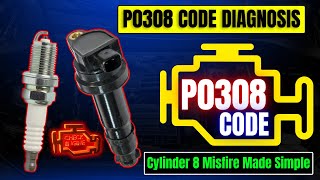
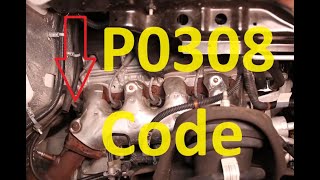
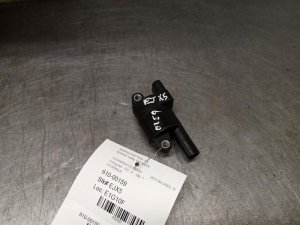
We Have This Part in Stock

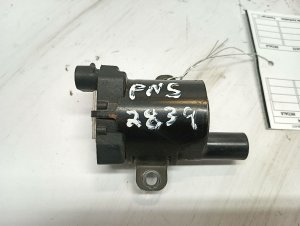


The information in this article is provided for general reference and educational purposes only. Vehicle specifications, procedures, and part compatibility can vary by production date, trim level, and region. Always consult your vehicle's factory service manual and verify part numbers before purchasing or performing repairs. Safety-critical components such as airbags, seat belts, and braking systems should be installed by a qualified professional.
- Chevrolet AVALANCHE:
- 🎬 Helpful Videos
- 🛍️ Shop This Part
- What's Unique About the 2002-2009 Chevrolet AVALANCHE
- Diagnostic Flowchart
- Symptoms You May Notice
- Most Likely Causes
- Rare But Worth Checking
- Diagnosis Steps
- Parts You'll Likely Need
- Related Codes That Often Appear With This One
- Technical Service Bulletins (TSBs) & Recalls
- Platform-Specific Known Issues
- Mechanic-Grade Diagnostic Values
- Scan Tool Commands That Help
- Wiring & Ground Locations
- Real Owner Repair Stories
- OEM Part Supersession History
- Model Year Variations Within This Range
- 🎟️ Get 5% Off