

P0308 on 2013-2020 Buick Encore: Why This Code Is Impossible and What It Really Means
A P0308 code is impossible on a 2013-2020 Buick Encore, as it only has a 4-cylinder engine. This code indicates a 'Cylinder 8 Misfire'. If you see this code, it is an error. Re-scan your vehicle for the correct misfire code (likely P0300, P0301, P0302, P0303, or P0304) and expect the cause to be a faulty ignition coil pack, spark plugs, or a failed PCV system component.
- A P0308 code is impossible on a Buick Encore; it only has 4 cylinders.
- If you see P0308, your scan tool is likely in error or the code was mistyped. Re-scan to find the true code, which will be between P0300 and P0304.
- The most common causes for a real misfire on a 1.4L Encore are a bad ignition coil pack, worn spark plugs, or a complex failure of the PCV system.
- A whistling noise or strong suction at the oil cap are definitive signs of the common PCV system failure, which requires replacing the valve cover and potentially installing an intake manifold bypass kit.
What's Unique About the 2013-2020 Buick ENCORE

This platform is unique regarding P0308 because it makes the code an impossibility. The 1.4L 4-cylinder engine in the Encore simply does not have a cylinder 8. The provided NHTSA TSB (PIP5628G) that mentions P0300-P0308 is a general GM document intended to cover their entire range of engines, including V8s found in other models. It is not an indication that an Encore can have a P0308 fault. The actual issue will be a misfire on cylinders 1, 2, 3, or 4, with the most common causes being ignition or PCV system related.
Diagnostic Flowchart
Tap your situation to follow the diagnostic path that matches what you're seeing on this vehicle.
Symptoms You May Notice
- Flashing or solid Check Engine Light
- Rough or shaky idle
- Hesitation or stumbling during acceleration, especially under load or uphill.
- Noticeable loss of engine power
- Worse than usual fuel economy
- A smell of gasoline from the exhaust
- Audible whistling or sucking noise from the engine bay (indicates PCV failure).
- Increased oil consumption.
- Searching for a 'Cylinder 8' on the engine.
- Replacing only one spark plug instead of the full set.
- Replacing the ignition coil pack without replacing the spark plugs, which can cause the new coil to fail prematurely.
- Replacing the valve cover for a PCV issue without addressing the failed check valve in the intake manifold, leading to a repeat failure of the new valve cover.
Most Likely Causes

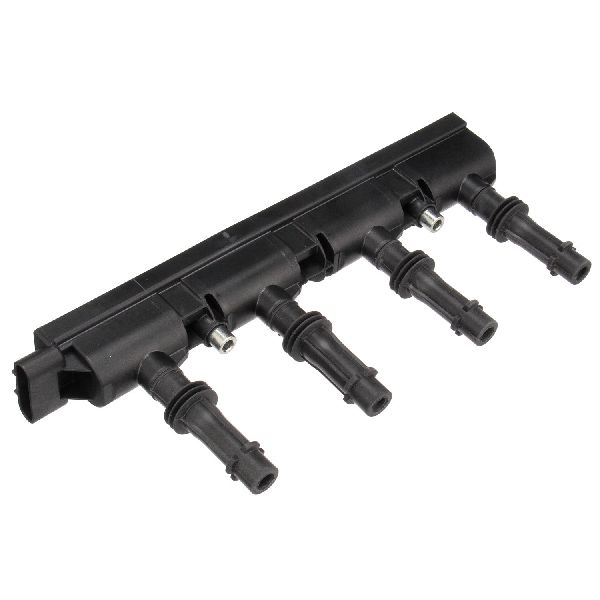
- Faulty Ignition Coil Pack 🔴 High Probability The 1.4L engine uses a single integrated coil pack that houses coils for all four cylinders. Heat and vibration lead to cracks in the housing or internal failure over time, which is a very common issue on this engine and its platform mates. A leaking valve cover gasket can also allow oil to seep into the spark plug tubes, destroying the coil boots and causing repeat failures.
How to confirm: Inspect the coil pack for cracks or signs of arcing (white or carbon tracks). Check the coil boots and springs for green or white corrosion. A definitive test is to replace the coil pack and spark plugs together, as this is the most frequent fix for a dedicated cylinder misfire.
Typical fix: Replace the entire ignition coil pack assembly and all four spark plugs at the same time. 🎬 Watch: How to replace the coil rail and spark plugs. Using old plugs can cause the new coil to fail prematurely.
Est. part cost: $80-$200 - Worn or Fouled Spark Plugs 🔴 High Probability
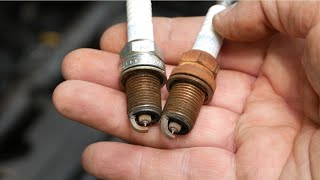
How to confirm: Remove the spark plugs and inspect them. Look for a worn electrode, heavy carbon buildup, oil fouling, or corrosion on the terminal end. An incorrect spark plug gap is a common cause of misfires under load.
Typical fix: Replace all four spark plugs. It is critical to use the correct OEM-spec plugs (typically Iridium) and gap them properly. Always replace plugs when installing a new coil pack.
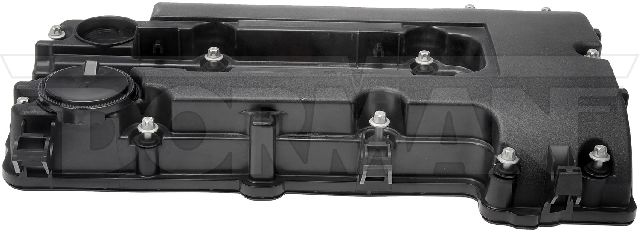
Est. part cost: $30-$60 - Failed PCV System Component (Valve Cover and/or Intake Manifold Check Valve) 🔴 High Probability The 1.4L LUV engine has a notoriously failure-prone PCV system with two main failure points that often occur in a chain reaction. First, a small, non-serviceable check valve inside the intake manifold fails, allowing turbo boost pressure into the crankcase. This pressure then ruptures a rubber diaphragm located in the valve cover, creating a massive vacuum leak.
How to confirm: A ruptured valve cover diaphragm will cause a loud hissing or whistling sound from the engine and create strong vacuum in the crankcase. A definitive test is to try removing the oil filler cap while the engine is running; if strong suction holds it down, the diaphragm is torn. The initial intake manifold check valve failure is harder to spot but is the root cause.
Typical fix: If only the valve cover diaphragm is torn, replace the entire valve cover assembly. 🎬 See this step-by-step guide for replacing the valve cover. If the intake manifold check valve has failed (the root cause), the official fix is to replace the entire intake manifold. However, a very popular and permanent DIY repair is to install an external 'PCV fix kit' (e.g., from CruzeKits) which bypasses the faulty internal valve. 🎬 Watch: How to install a permanent PCV fix kit.
Est. part cost: $70-$150 for a valve cover, $40-$80 for a PCV bypass kit, or $200+ for a new intake manifold. - Leaking or Clogged Fuel Injectors ⚪ Low Probability
How to confirm: A professional diagnostic tool can perform a fuel injector balance test. You can also swap the injector from the misfiring cylinder to another cylinder to see if the misfire code follows the injector.
Typical fix: Clean or replace the faulty fuel injector.
Est. part cost: $50-$120 per injector
Rare But Worth Checking
- Low Engine Compression (Cracked Piston): GM TSB PIP5197F addresses a known issue on some 1.4L LUV engines where pistons can crack, leading to oil consumption, blue smoke, and misfires. If spark and fuel systems are good, a compression test is critical to check for this. A compression reading significantly lower in one cylinder (e.g., 100 psi vs. 200+ psi in others) is a strong indicator.
- Loose Engine Ground: GM TSB PIP5090B notes that misfires (P0300) can be caused by a loose ground terminal, specifically G111. Ensuring all engine grounds are clean and tight is a valid diagnostic step.
- Low Engine Compression (Other): Beyond a cracked piston, low compression can result from a bad valve or worn piston rings. A compression test is the definitive diagnostic step after ruling out fuel and spark issues.
Diagnosis Steps

- Confirm the Code: Re-scan the vehicle's computer with a reliable OBD-II scanner to verify the trouble code. Confirm that P0308 was not a typo for P0300, P0301, P0302, P0303, or P0304.
- Identify the Misfiring Cylinder: Once the correct code (P0301-P0304) is identified, locate that cylinder on the 1.4L engine. The firing order is 1-3-4-2, with Cylinder 1 being on the passenger side of the engine (transversely mounted).
- Inspect Spark Plugs and Coil Pack: Remove the engine cover and the ignition coil pack. Inspect the coil pack for any visible cracks, burn marks, or oil contamination. Check the boots for corrosion. Remove and inspect all four spark plugs for wear, fouling, and correct gap.
- Check for Vacuum Leaks: With the engine running, listen carefully for a high-pitched whistle around the valve cover. Attempt to remove the oil filler cap; if strong suction holds it down, the PCV diaphragm in the valve cover has failed. This is a primary cause of misfires on this engine.
- Test Fuel System: If spark and air systems seem okay, the issue could be a fuel injector. This typically requires more advanced diagnostics, like an injector balance test or swapping injectors between cylinders.
- Perform Compression Test: If all else fails, a mechanical compression test should be performed to rule out internal engine problems like a cracked piston, bad valve, or worn rings on the misfiring cylinder.
Parts You'll Likely Need
- Ignition Coil Pack
(OEM #55579072 (or superseded by 25198623 / ACDelco D521C))— This is the most frequent cause of specific-cylinder misfires on the 1.4L engine. It is a single unit that is easy to replace.
Trusted brands: ACDelco, Delphi, NGK
OEM price range: $150-$200
Aftermarket price range: $80-$130 - Iridium Spark Plugs (Set of 4)
(OEM #55585534 (ACDelco 41-121))— Worn spark plugs are a primary cause of misfires and should always be replaced when replacing the coil pack to prevent premature failure of the new coil.
Trusted brands: ACDelco, NGK
OEM price range: $40-$60
Aftermarket price range: $30-$50 - Valve Cover with PCV Diaphragm
(OEM #25198874 (or aftermarket 264-968))— A failed PCV diaphragm is a very common source of vacuum leaks that cause random misfires (P0300) and lean codes (P0171) on this engine.
Trusted brands: ACDelco, Dorman
OEM price range: $120-$180
Aftermarket price range: $70-$110 - PCV Intake Manifold Check Valve Repair Kit
(OEM #N/A (Aftermarket Solution))— This kit provides an external check valve to permanently fix the failed, non-serviceable check valve inside the intake manifold, which is the root cause of the PCV diaphragm in the valve cover failing.
Trusted brands: CruzeKits, ZZP
OEM price range: N/A
Aftermarket price range: $40-$80
Related Codes That Often Appear With This One
- P0300 — If the cause is a major vacuum leak (like a failed PCV system) or low fuel pressure, it will affect all cylinders, causing random misfires.
- P0301, P0302, P0303, P0304 — These are the valid cylinder-specific misfire codes for the Buick Encore. Your actual problem will be one of these codes, not P0308.
- P0171 (System Too Lean) — This code is very commonly seen with a failed PCV valve cover diaphragm, which creates a large, unmetered vacuum leak.
- P1101, P0106 — These codes relate to the intake air flow and MAP sensor performance and are frequently triggered alongside P0171 by the vacuum leak from a PCV system failure.
Technical Service Bulletins (TSBs) & Recalls
- PIP5628G: A general GM diagnostic aid for misfires across all engine types (4, 6, and 8-cylinder), which is why it references the full P0300-P0308 range.
- PIP5197F: Addresses concerns of oil consumption, blue smoke, and misfires on the 1.4L engine, pointing to potential causes like a failed intake manifold check valve or, in more severe cases, cracked pistons.
- PIP5090B: While primarily for other issues, this TSB family mentions that misfires can be caused by a loose engine ground point (G111), an often-overlooked electrical issue.
Platform-Specific Known Issues

- The 1.4L Turbo PCV system has a critical design flaw where a non-serviceable check valve inside the intake manifold fails, allowing boost pressure into the crankcase. This pressure then ruptures the PCV diaphragm in the valve cover, causing a significant vacuum leak, lean codes (P0171), and random misfires (P0300). Fixing only the valve cover without addressing the intake manifold check valve often leads to repeated failures.
Mechanic-Grade Diagnostic Values
- Low-side fuel pressure (engine off, pump commanded on) — expected: 50 - 94 psi. Failure: Pressure below 50 psi indicates a potential issue with the fuel pump, filter, or lines.
- Low-side fuel pressure at idle — expected: ~40 - 58 psi. Failure: While some users report ~43 psi at idle, others state the target is closer to 58 psi. Significant deviation or fluctuation can indicate a problem.
- Ignition coil connector voltage drop test — expected: Less than 0.5 Ω. Failure: A reading above 0.5 Ω when measuring continuity between the terminal ends of the connector indicates degradation and high resistance, which can cause misfires.
- Spark Plug Gap (1.4L LUV Engine) — expected: 0.028 inches (0.7mm). Failure: Gaps that have widened significantly (e.g., to 0.035 - 0.040 inches) from electrode wear are a common cause of misfires under load.
Hidden / Shadow Codes Worth Checking
- Misfire History Data: Professional scan tools (like the GM GDS2) can access 'Misfire History Data' which shows a cumulative count of misfires per cylinder, even if they weren't frequent enough to set a persistent code. This is invaluable for tracking down intermittent misfires that don't immediately trigger a Check Engine Light. (see via GM GDS2 or other advanced scan tool with manufacturer-specific live data capabilities.)
Scan Tool Commands That Help
- GDS2 / Advanced Scan Tool: Cylinder Power Balance Test — This function graphically displays the contribution of each cylinder, allowing a technician to quickly identify a weak or non-contributing cylinder in real-time. It helps confirm which cylinder is misfiring without having to swap components first.
- GDS2 / Advanced Scan Tool: Fuel Pump On/Off Command — This command allows a technician to turn the fuel pump on with the engine off to safely and accurately test for maximum fuel pressure and check for system leaks.
- GDS2 / Advanced Scan Tool: Injector Balance Test — This test fires each injector for a set amount of time and measures the corresponding drop in fuel pressure. It can identify a clogged or faulty injector that isn't flowing the correct amount of fuel.
Wiring & Ground Locations
- Ignition Coil 7-Pin Connector — Connected directly to the top of the integrated ignition coil pack on the valve cover.. The terminals on this connector are known to suffer from fretting corrosion, causing a poor connection and leading to random misfires (P0300) or specific cylinder misfires. This can be misdiagnosed as a failed coil pack. Inspecting the connector terminals for damage or corrosion is a critical step. A replacement pigtail connector is available (GM P/N 19300958).
- G111 — Mentioned in GM TSB PIP5090B, but its exact physical location on the Encore is not clearly documented in public sources. Engine grounds are typically found on the cylinder head, engine block, and chassis near the transmission.. A loose or corroded main engine ground can cause a host of electrical issues, including weak spark and random misfires (P0300). Verifying all major ground straps are clean and tight is a valid diagnostic step when chasing intermittent misfires.
Real Owner Repair Stories
- YouTube user 'The Car Care Nut' (2018 Chevy Cruze 1.4L Turbo (LUV Engine)) — Persistent P0301 (Cylinder 1 Misfire) at 56,000 miles.
❌ Tried (didn't work) Swapping ignition coils, Replacing spark plugs, Swapping fuel injectors
✅ What actually fixed it A compression test revealed low compression in cylinder 1 (100 psi vs. 210 psi in others). The root cause was a cracked piston, a known issue with this engine. The engine pistons were replaced at the dealership to resolve the misfire. - Reddit user 'Dustiplite' on /r/cruze (2012 Chevy Cruze 1.4L Turbo) — Misfire under load.
❌ Tried (didn't work) Visual inspection of spark plugs and coil pack appeared okay.
✅ What actually fixed it The user measured the spark plug gaps and found them to be between 0.035 and 0.040 inches. The correct specification for the engine is 0.028 inches. After replacing the plugs with correctly gapped ones, the misfire was resolved.
OEM Part Supersession History
55579072 (Ignition Coil)→25198623 (ACDelco D521C)— Standard part evolution and supplier changes.
Heads up: These part numbers are generally interchangeable for the 1.4L LUV engine.25198498 (Valve Cover)→25198874— Likely minor design updates or supplier changes.
Heads up: Part number 25198874 is the most commonly cited replacement for the 2013-2020 Encore with the LUV engine.
Model Year Variations Within This Range
- 2016-2020: Starting in 2016, Buick offered an optional, newer 1.4L engine, RPO code LE2. This engine features Spark Ignited Direct Injection (SIDI) and has a different design from the base LUV engine. The LE2 engine is identified by the 8th VIN digit 'M', while the LUV is VIN 'B'. While they may share some misfire causes, diagnostics for the fuel system are significantly different (Direct Injection vs. Port Injection).
Helpful Videos
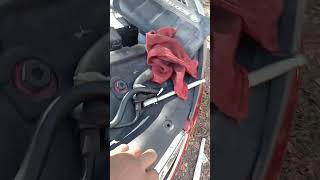
Used OEM Parts in Stock
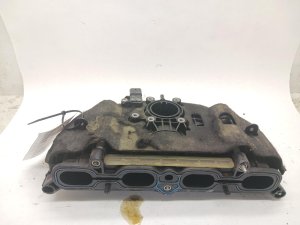
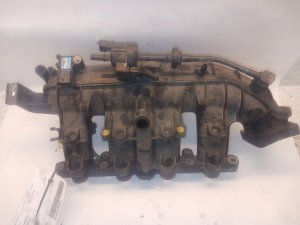
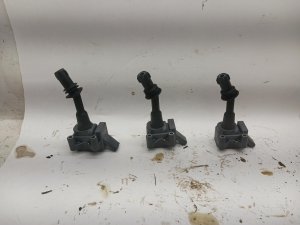
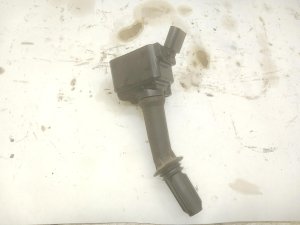
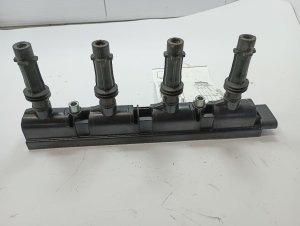
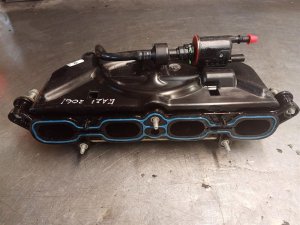
New Aftermarket Parts Available
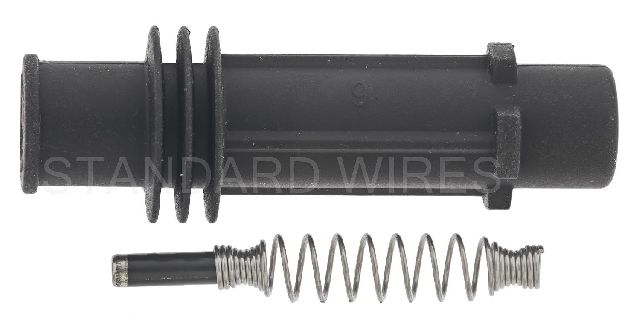



The information in this article is provided for general reference and educational purposes only. Vehicle specifications, procedures, and part compatibility can vary by production date, trim level, and region. Always consult your vehicle's factory service manual and verify part numbers before purchasing or performing repairs. Safety-critical components such as airbags, seat belts, and braking systems should be installed by a qualified professional.
- Buick ENCORE:
- 🎬 Helpful Videos
- 🛍️ Shop This Part
- What's Unique About the 2013-2020 Buick ENCORE
- Diagnostic Flowchart
- Symptoms You May Notice
- Most Likely Causes
- Rare But Worth Checking
- Diagnosis Steps
- Parts You'll Likely Need
- Related Codes That Often Appear With This One
- Technical Service Bulletins (TSBs) & Recalls
- Platform-Specific Known Issues
- Mechanic-Grade Diagnostic Values
- Hidden / Shadow Codes Worth Checking
- Scan Tool Commands That Help
- Wiring & Ground Locations
- Real Owner Repair Stories
- OEM Part Supersession History
- Model Year Variations Within This Range
- 🎟️ Get 5% Off