

P0308 on 2016-2022 Buick Enclave: An Impossible Code Explained
The 2016-2022 Buick Enclave has a V6 engine and cannot generate a P0308 code, which indicates a misfire on cylinder 8. If your scan tool displays this code, it is an error. The actual problem is a misfire on a different cylinder (P0301-P0306) or a random misfire (P0300).
- A P0308 code is impossible on a 2016-2022 Buick Enclave because it only has a 6-cylinder engine.
- If you see a P0308 code, the issue is with your scan tool. Re-scan with another device to find the true code (P0300-P0306).
- Before diagnosing parts, check the engine oil level. A low level can cause VVT system malfunctions that trigger misfires.
- The most common causes for actual misfires on this engine are faulty ignition coils, worn spark plugs, or carbon buildup on the intake valves.
- Do not drive the vehicle if you suspect a misfire, as you can cause expensive damage to the catalytic converter.
What's Unique About the 2016-2022 Buick ENCLAVE
The main issue for this platform is confusion stemming from generic diagnostic information. Some General Motors Technical Service Bulletins (TSBs), such as #PIP5628G, are written to cover a wide range of vehicles, including those with V8 engines. This specific TSB is a diagnostic aid that instructs technicians on what data to collect before calling the GM Technical Assistance Center (TAC) for difficult misfire diagnoses (P0300-P0308). Its purpose is to streamline advanced diagnostics, not to suggest a P0308 is possible on a V6. The inclusion of the Enclave in the TSB's applicability list alongside V8 models is the primary source of this confusion.
Diagnostic Flowchart
Tap your situation to follow the diagnostic path that matches what you're seeing on this vehicle.
Generation note: This range covers the end of the first generation (2016-2017, using the 3.6L LLT V6) and the beginning of the second generation (2018-2022, using the 3.6L LFY V6). Both generations use a 6-cylinder engine, making a P0308 code impossible for both. Common misfire causes like ignition coil failure, carbon buildup, and fuel injector issues are prevalent in both generations and their respective engine versions.
Symptoms You May Notice
- Check Engine Light is on or flashing
- Rough idle or engine vibration
- Hesitation or stumbling during acceleration
- Noticeable loss of engine power
- Reduced fuel economy
- Strong smell of gasoline from the exhaust
- Searching for a non-existent 8th cylinder.
- Replacing parts based on the P0308 code without first confirming the actual misfiring cylinder with a proper scan tool.
Most Likely Causes
- Faulty Ignition Coil(s)
- Worn or Fouled Spark Plugs
- Clogged or Faulty Fuel Injector
- Carbon Buildup on Intake Valves
- Low Engine Oil Level
Rare But Worth Checking
- Stretched Timing Chain:
- Loose Engine Ground Connection:
Diagnosis Steps
- Confirm the Code: Use a different, reliable OBD-II scanner to re-read the trouble codes. The P0308 code should not appear. Look for the actual stored codes, which will likely be in the range of P0300-P0306.
- Check Engine Oil Level: Before any other steps, verify the engine oil is full and in good condition. A low oil level can cause VVT system issues that mimic other misfire causes.
- Identify the Misfiring Cylinder: Once the correct code is identified (e.g., P0304 for cylinder 4), focus all diagnosis on that specific cylinder. Use the scanner's live data to view misfire counts per cylinder.
- Inspect the Ignition System: Check the spark plug and ignition coil for the misfiring cylinder. A common diagnostic step is to swap the ignition coil with a known good cylinder (e.g., swap the coil from cylinder 4 with cylinder 2). Clear the codes and run the engine. If the code changes to the new cylinder (e.g., P0302), the ignition coil is faulty.
- Inspect the Fuel Injector: If the ignition system is working correctly, the problem may be a clogged or faulty fuel injector. You can perform a similar swap with a fuel injector, although this is more labor-intensive. Some owners report success using a quality fuel system cleaner (like those with Techron) as a first step for a suspected injector issue.
- Check for Carbon Buildup: The GM 3.6L direct-injection engine is known for carbon buildup on the intake valves, which can cause misfires. This often requires professional cleaning (e.g., walnut blasting).
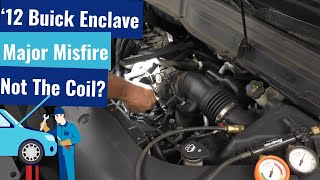
- Check for Mechanical Issues: If other tests fail, perform a compression test on the affected cylinder to rule out internal engine problems like a bad valve or piston ring. A YouTube video by South Main Auto Repair on a 2012 Enclave showed a misfire caused by a mechanical failure after coils and plugs were already replaced.
Parts You'll Likely Need
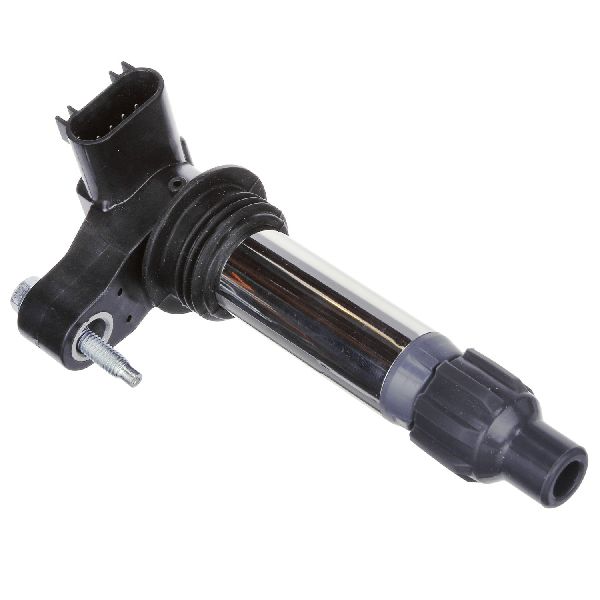
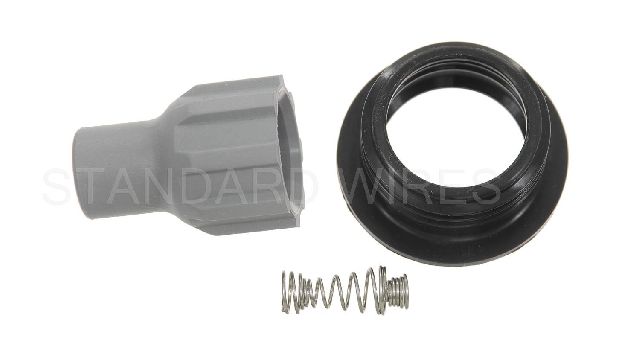
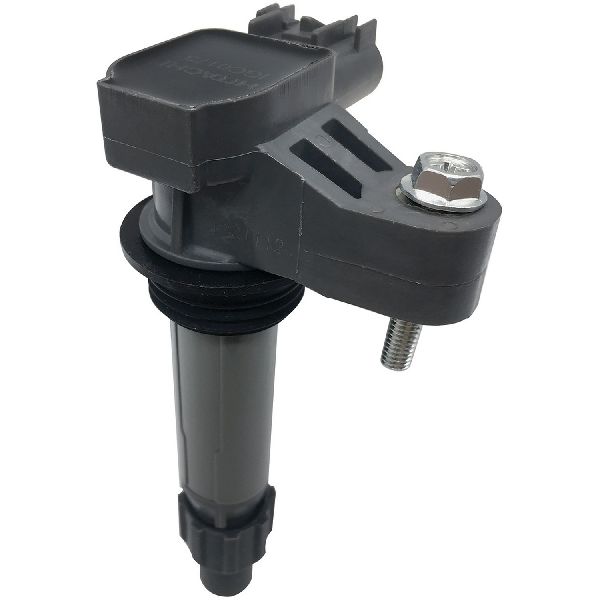
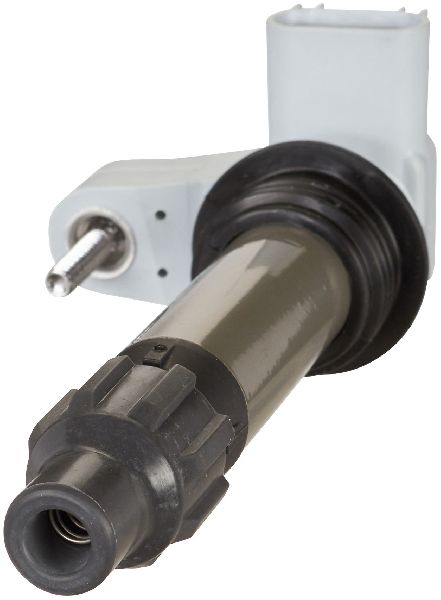
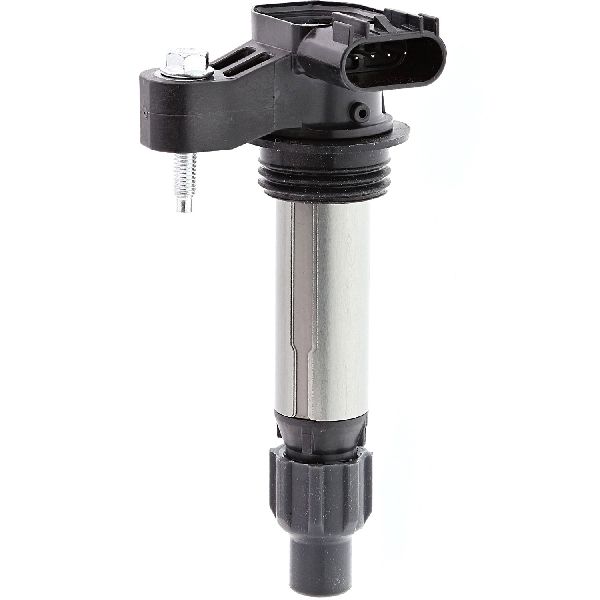
- Ignition Coil
(OEM #12632479)— Ignition coil failure is a very common cause of specific cylinder misfires on the GM 3.6L V6 engine.
Trusted brands: ACDelco, Delphi, NGK
OEM price range: $50-$80
Aftermarket price range: $30-$60 - Spark Plug
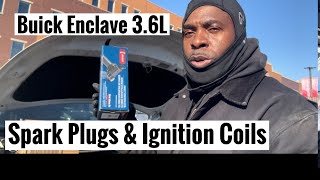
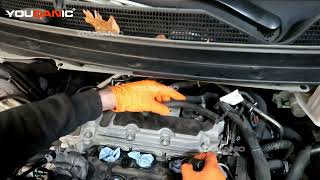
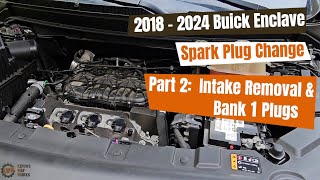
(OEM #12680072 (for LFY engine, 2018+), 41-109 (for LLT engine, 2016-17))— Worn or fouled spark plugs are a primary cause of misfires and should be replaced as part of regular maintenance. Note the different part numbers for the two engine versions. 🎬 See this walkthrough for replacing Enclave spark plugs and coils.
Trusted brands: ACDelco, NGK, Bosch
OEM price range: $10-$20
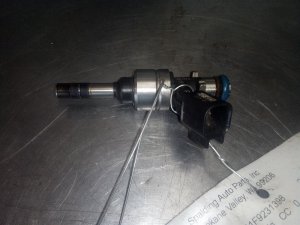
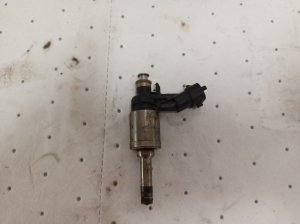
Aftermarket price range: $8-$15 - Fuel Injector
(OEM #12669384)— Clogged or failing fuel injectors can prevent the correct amount of fuel from reaching the cylinder, causing a misfire.
Trusted brands: ACDelco, Bosch
OEM price range: $80-$120
Aftermarket price range: $50-$90
Related Codes That Often Appear With This One
- P0300 — If the scan tool is malfunctioning, it might incorrectly display P0308 when the actual code is P0300 (Random/Multiple Cylinder Misfire). This is also the code that may appear from issues like a vacuum leak, timing chain stretch, or low fuel pressure.
- P0301-P0306 — These are the valid cylinder-specific misfire codes for the Enclave. The P0308 reading is likely a misinterpretation of one of these codes.
Technical Service Bulletins (TSBs) & Recalls
- PIP5628G: This bulletin provides diagnostic aids for misfire codes P0300-P0308. Its inclusion of P0308 is because it covers multiple GM vehicles, including V8s, and is a source of confusion for V6-only models like the Enclave. It directs technicians to gather specific data before calling for assistance.
Platform-Specific Known Issues
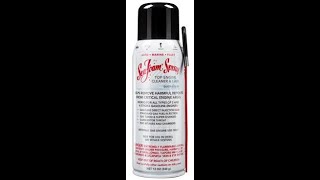
- Carbon Buildup: The 3.6L V6 is a direct-injection engine, which makes it prone to carbon deposits on the intake valves. This can restrict airflow and cause random or specific cylinder misfires. This issue often requires professional media blasting (walnut shell blasting). 🎬 Watch: An easy method for cleaning carbon from intake valves.
- Timing Chain Wear: While less common in the 2016-2022 models than in earlier versions (pre-2012), premature timing chain stretch can still occur, leading to random misfires (P0300) and other engine performance issues.
- Rocker Arm Oil Control Valve: TSB #PIP5493B notes that for some GM 3.6L engines, a faulty Rocker Arm Oil Control Valve can cause misfires on specific cylinders (e.g., P0302, P0305).
Mechanic-Grade Diagnostic Values
- High-Pressure Fuel Rail (LFY Engine, 2018-2022) — expected: 750 psi at idle to 2,250 psi at wide-open throttle.. Failure: Significantly lower pressure under load indicates a weak high-pressure fuel pump.
- High-Pressure Fuel Rail (LLT Engine, 2016-2017) — expected: Up to 1,740 psi, depending on engine demand.. Failure: Inability to build high pressure suggests a failing high-pressure fuel pump.
- Low-Pressure Fuel System (In-Tank Pump) — expected: ~58 psi.. Failure: Low pressure indicates a failing in-tank fuel pump or clogged filter, which will starve the high-pressure pump.
- Ignition Coil Primary Winding Resistance — expected: 0.4 to 2.0 Ohms.. Failure: A reading of 0 (short) or OL/infinity (open) indicates a failed coil.
- Ignition Coil Secondary Winding Resistance — expected: 6,000 to 10,000 Ohms (6kΩ - 10kΩ).. Failure: A reading far outside this range suggests the coil's secondary winding has failed.
- VVT Camshaft Actuator Solenoid Resistance — expected: Approximately 11 to 20 Ohms.. Failure: A very high resistance (kilo-ohms or mega-ohms) or an open circuit (OL) reading indicates a failed solenoid.
- Catalytic Converter Backpressure — expected: 0 PSI at idle.. Failure: Any sustained pressure above 1-2 PSI at idle indicates a restriction. One case showed 15 PSI on a completely clogged converter.
Hidden / Shadow Codes Worth Checking
- Misfire Counters (Live Data): This is not a stored code but live data that shows the number of misfire events for each individual cylinder in real-time. It is the definitive way to identify the actual misfiring cylinder (1-6) when a generic or incorrect code like P0308 is displayed. (see via Requires a professional-grade scan tool or software like GM's GDS2 (Global Diagnostic System 2) that can access enhanced manufacturer-specific data streams.)
Scan Tool Commands That Help
- GDS2 (or equivalent professional scanner): Cylinder Power Balance — Used to isolate a misfiring cylinder. The command sequentially disables the fuel injector to each cylinder. If disabling a cylinder causes no drop in engine RPM, that cylinder was not contributing and is the source of the misfire.
- GDS2 (or equivalent professional scanner): Fuel Injector Balance — Similar to a power balance test, this allows a technician to command individual injectors off to see how the engine reacts and to check for pressure drops, helping diagnose a weak or clogged injector.
- GDS2 (or equivalent professional scanner): Camshaft Position Actuator Control — Allows the technician to command the VVT solenoids to specific angles to verify they are mechanically responding to the ECM's commands. This is useful when misfires are accompanied by cam/crank correlation codes (e.g., P0011, P0014).
Wiring & Ground Locations
- Engine Block to Chassis Ground Strap — Typically a thick, braided wire running from the engine block or transmission housing to the vehicle's frame rail or firewall.. A loose or corroded main ground can cause widespread electrical issues, including weak spark and erratic sensor readings that can lead to misfires, often affecting an entire bank of cylinders as seen in a platform-mate vehicle.
- Cylinder Head Grounds — Often located on the front or rear of one or both cylinder heads. Multiple smaller wires may terminate at a single bolt.. The ignition coils are grounded through the cylinder head to the block. A poor ground connection here can cause intermittent or weak spark, leading to misfires that are difficult to diagnose.
- ECM/PCM Ground Points — Varies by year, but typically located on the inner fender or firewall near the Engine Control Module (ECM/PCM) itself.. A faulty ground for the main computer can cause it to misinterpret data from sensors or send improper commands, leading to a wide variety of phantom codes and drivability issues.
Real Owner Repair Stories
- YouTube - 'a-1 auto service' (2008 Buick Enclave (LLT 3.6L V6)) — Running on half its cylinders, misfires on entire bank 1 (cylinders 1, 3, 5).
❌ Tried (didn't work) The video advises against immediately replacing coils and plugs without further diagnosis.
✅ What actually fixed it The catalytic converter for bank 1 was clogged. A backpressure test showed 15 PSI (should be 0 PSI). Replacing the catalytic converter resolved the misfire. - YouTube - South Main Auto Repair (2012 Buick Enclave (LLT 3.6L V6)) — Flashing check engine light, persistent misfire on cylinder 6.
❌ Tried (didn't work) Ignition coils replaced, Spark plugs replaced
✅ What actually fixed it A cylinder leakage test found 90% leakage. The air was escaping from the exhaust valve, indicating a mechanical engine failure (bad valve or valve seat). The ultimate fix required cylinder head repair or engine replacement. - YouTube - 'honest car guy' (2008 Buick Enclave (LLT 3.6L V6)) — Multiple misfire codes on all cylinders, cam position actuator codes, erratic running.
❌ Tried (didn't work) The video warns against assuming it's a coil or plug issue.
✅ What actually fixed it The engine oil level was extremely low (not registering on the dipstick). The VVT system, which controls cam timing, is dependent on oil pressure. Topping up the engine oil was the immediate corrective action.
"I Checked Everything" — The Actual Cause
- A technician may perform a smoke test to find a vacuum leak when an entire bank of cylinders is misfiring (e.g., P0301, P0303, P0305). If the smoke test reveals no leaks, the root cause may not be on the intake side at all. A severely clogged catalytic converter can create excessive backpressure, preventing exhaust gases from escaping that bank, leading to multiple misfires that mimic a large vacuum leak.
OEM Part Supersession History
12590990, 12610626, 12618542→12632479— Standard part evolution for improved durability and performance.
Model Year Variations Within This Range
- 2016-2017: Uses the 3.6L LLT V6 engine. High-pressure fuel system operates up to ~1,740 psi.
- 2018-2022: Uses the updated 3.6L LFY V6 engine, which includes start-stop technology. The high-pressure fuel system operates at a higher maximum pressure of ~2,250 psi. The addition of start-stop may increase wear on timing components over the life of the vehicle due to more frequent engine starts.
Helpful Videos
Used OEM Parts in Stock

New Aftermarket Parts Available


The information in this article is provided for general reference and educational purposes only. Vehicle specifications, procedures, and part compatibility can vary by production date, trim level, and region. Always consult your vehicle's factory service manual and verify part numbers before purchasing or performing repairs. Safety-critical components such as airbags, seat belts, and braking systems should be installed by a qualified professional.
- Buick ENCLAVE:
- 🎬 Helpful Videos
- 🛍️ Shop This Part
- What's Unique About the 2016-2022 Buick ENCLAVE
- Diagnostic Flowchart
- Symptoms You May Notice
- Most Likely Causes
- Rare But Worth Checking
- Diagnosis Steps
- Parts You'll Likely Need
- Related Codes That Often Appear With This One
- Technical Service Bulletins (TSBs) & Recalls
- Platform-Specific Known Issues
- Mechanic-Grade Diagnostic Values
- Hidden / Shadow Codes Worth Checking
- Scan Tool Commands That Help
- Wiring & Ground Locations
- Real Owner Repair Stories
- "I Checked Everything" — The Actual Cause
- OEM Part Supersession History
- Model Year Variations Within This Range
- 🎟️ Get 5% Off