

P0307 on 2013-2015 Chrysler 300: Cylinder 7 Misfire Causes and Fixes
P0307 indicates a misfire in cylinder 7 on your Chrysler 300's V8 engine. The most common causes are a faulty ignition coil or a worn spark plug. A more serious, but known, issue on HEMI engines is a failed lifter, which can damage the camshaft and is a more expensive repair. This is often preceded by a distinct ticking noise known as the 'HEMI tick'.
- P0307 is a misfire on cylinder 7, which is the rearmost cylinder on the driver's side of your Chrysler 300's V8 engine.
- Start your diagnosis with the simple and common fixes: inspect the spark plug and swap the ignition coil for cylinder 7 with another cylinder to see if the misfire follows.
- Be aware of the 'HEMI tick.' A persistent ticking noise is a strong sign of a more serious mechanical failure involving the camshaft lifters, a known issue on these engines.
- If P0307 is accompanied by fuel system codes (like P219A or P2096), consult a dealer about TSB #1807320, as a PCM software update may be the required repair.
- Do not ignore a flashing check engine light. It signals a severe misfire that can quickly destroy your catalytic converter, leading to a much more expensive repair.
What's Unique About the 2013-2015 Chrysler 300
For the 2013-2015 Chrysler 300 with a 5.7L or 6.4L HEMI engine, a P0307 code can be more complex than on other vehicles. While standard ignition issues are common, these engines are known for a specific mechanical problem: lifter failure, particularly on the MDS (Multi-Displacement System) cylinders. The 'HEMI tick' is a widely discussed symptom that can precede a misfire code as a lifter's roller bearing fails, stops spinning, and grinds against the camshaft lobe, causing significant wear. Additionally, Chrysler has issued Technical Service Bulletins (TSBs) like #18-046-15, indicating that a PCM software update may be required to fix a false P0307, especially when it appears with fuel trim or air-fuel imbalance codes.
Diagnostic Flowchart
Tap your situation to follow the diagnostic path that matches what you're seeing on this vehicle.
Symptoms You May Notice
- Flashing or solid Check Engine Light
- Rough or vibrating idle
- Engine hesitation or stumbling during acceleration
- Noticeable loss of power
- Reduced fuel economy
- Engine bucking or jerking, especially under load or at highway speeds
- Ticking or tapping noise from the engine (the 'HEMI tick'), which may be loudest near the driver's side valve cover
- Replacing only the spark plug when the ignition coil is the actual cause.
- Replacing ignition or fuel parts repeatedly when the underlying cause is a mechanical lifter/camshaft failure, especially if the misfire only happens under load.
- Replacing the PCM when only a software update is needed per a TSB.
Most Likely Causes
- Faulty Ignition Coil 🔴 High Probability Coil-on-plug systems are common failure points on many modern engines due to constant exposure to heat and vibration.
How to confirm: Swap the ignition coil from cylinder 7 with another cylinder (e.g., cylinder 1). Clear the codes and drive the vehicle. If the code changes to P0301, the ignition coil is the faulty part.
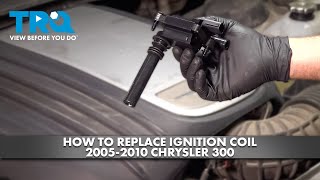
Typical fix: Replace the failed ignition coil. 🎬 See this walkthrough on how to replace an ignition coil. It is often recommended to replace the corresponding spark plug at the same time.
Est. part cost: $30-$75 - Worn or Fouled Spark Plug 🔴 High Probability
How to confirm: Remove the spark plug from cylinder 7 and inspect it. Look for a cracked insulator, heavy carbon buildup, oil fouling, or a worn electrode. Compare it to a plug from a working cylinder. The spark plug gap should be .044 inches.
Typical fix: Replace the spark plug. It's best practice to replace all 16 spark plugs (HEMI engines have two per cylinder) if they are near the end of their service life, typically every 60,000-100,000 miles.
Est. part cost: $5-$15 per plug - Failed Camshaft Lifter 🟡 Medium Probability The 5.7L and 6.4L HEMI engines, particularly those with the Multi-Displacement System (MDS), are known to have issues with lifter roller bearings failing. Cylinder 7 is an MDS cylinder. The failure can be caused by oil starvation or the design of the lifters themselves. The roller seizes, causing it to grind a groove into the camshaft lobe, which reduces valve lift and leads to a misfire under load.
How to confirm: A persistent ticking noise that is loudest over the driver's side rear of the valve cover is a strong indicator. A misfire that only occurs under heavy load (e.g., going uphill on the highway) also points to this issue. The definitive test is to remove the valve cover and visually inspect the valve movement while turning the engine by hand. Reduced lift on one of cylinder 7's valves confirms the issue.
Typical fix: This is an extensive and expensive repair. It requires replacing the failed lifter and the damaged camshaft. It is highly recommended to replace all 16 lifters at the same time, often with upgraded non-MDS 'Hellcat' lifters (Part #5038784AD) and disabling the MDS system via a PCM tune to prevent recurrence.
Est. part cost: $500-$1500 for a full lifter and camshaft kit. - Faulty Fuel Injector ⚪ Low Probability
How to confirm: Swap the fuel injector from cylinder 7 with another cylinder. If the misfire code follows the injector (e.g., to P0301), it needs to be replaced. You can also use a 'noid light' to confirm the injector is receiving an electrical pulse from the PCM.
Typical fix: Replace the faulty fuel injector.
Est. part cost: $50-$120 - Powertrain Control Module (PCM) Software ⚪ Low Probability Chrysler has issued TSBs (#18-073-20, #18-084-16, #18-046-15) for this exact issue, indicating that a software glitch can incorrectly interpret sensor data and trigger a P0307 code, often accompanied by air/fuel ratio imbalance codes P219A/P219B.
How to confirm: This is best confirmed by a dealership or a qualified shop with access to Chrysler's wiTECH software. They can check the current software calibration ID against the latest version available in the TSBs.
Typical fix: Reprogramming (flashing) the PCM with the updated software. This is a dealer or specialist-only repair.
Est. part cost: $0 (if under warranty) - $200
Rare But Worth Checking
- Low Cylinder Compression: While often a symptom of lifter/cam failure, low compression can also be caused by a worn piston ring, a bad valve seat, or a leaking head gasket. A compression test and a cylinder leak-down test are required to diagnose this.
- Intake Manifold Gasket Leak: A vacuum leak from the intake manifold gasket specifically at the runner for cylinder 7 can lean out the air/fuel mixture enough to cause a misfire. This can be tested with a smoke machine.
- MDS Solenoid Failure: The MDS solenoid for cylinder 7 can fail, causing issues with lifter activation and deactivation. This will often be accompanied by code P1417 (Cylinder 7 Reactivation Control Performance).
Diagnosis Steps
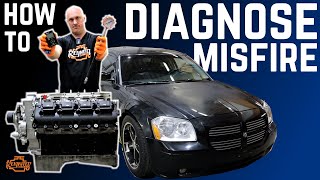
- Read all fault codes using an OBD-II scanner. Note any other codes present besides P0307, as they can provide important clues 🎬 Watch: A simple guide to diagnosing Hemi engine misfires. (e.g., P1417 for MDS issues or P219A for software issues).
- Identify cylinder 7. On the HEMI V8, the cylinders are numbered front to back, with odd numbers (1, 3, 5, 7) on the driver's side (left bank) and even numbers (2, 4, 6, 8) on the passenger's side (right bank). Cylinder 7 is the rearmost cylinder on the driver's side.
- Swap the ignition coil from cylinder 7 with an easily accessible cylinder, such as cylinder 1. Clear the codes and run the engine to see if the misfire moves to cylinder 1 (P0301). If it does, the coil is bad.
- If the misfire remains on cylinder 7, swap the spark plugs from cylinder 7 with those from cylinder 1. If the misfire moves, the spark plug is bad.
- If the misfire still remains on cylinder 7, inspect the wiring and connector for the ignition coil and fuel injector for any visible damage, corrosion, or loose connections.
- Listen for a distinct ticking sound from the engine, especially when warm. Use a mechanic's stethoscope to pinpoint the noise. A loud tick from the driver's side rear valve cover area strongly suggests a mechanical lifter/camshaft issue.
- If the misfire primarily occurs under heavy engine load (e.g., accelerating onto a highway), this is a classic symptom of a worn camshaft lobe due to a failed lifter.
- Perform a compression test on cylinder 7 and compare the reading to another cylinder. A significant drop (over 20%) indicates a mechanical problem, though a worn cam lobe may not always show up on a compression test.
- If fuel trim codes (P219A, P2096, etc.) are present, check with a dealer about applicable TSBs, as a PCM software update might be the required fix.
Parts You'll Likely Need
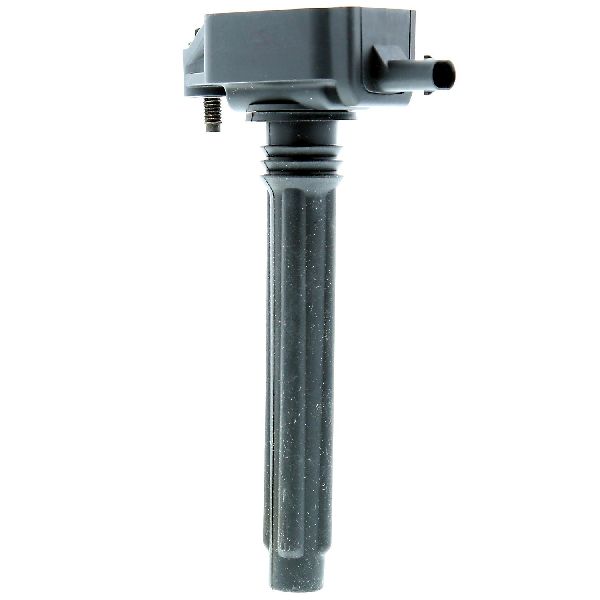
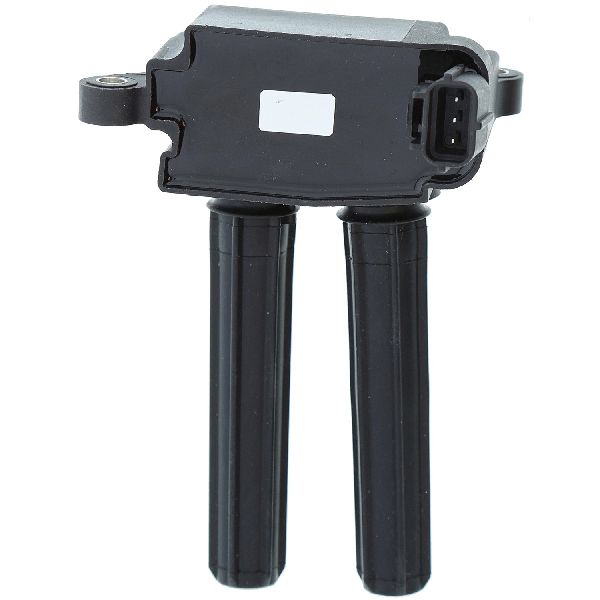
- Ignition Coil
(OEM #68238603AA (supersedes 56029129AF, 68060346AA))— This is one of the most frequent failure points for a single-cylinder misfire. Heat and vibration cause the coil to fail over time.
Trusted brands: Mopar, NGK, Denso
OEM price range: $50-$90
Related Codes That Often Appear With This One
- P0300 — If the misfire is severe or intermittent, the PCM may also log a P0300 for 'Random/Multiple Cylinder Misfire' before or along with the specific cylinder code.
- P219A / P219B — These codes for 'Bank 1/2 Air-Fuel Ratio Imbalance' are specifically mentioned in TSB #18-046-15 alongside P0307, pointing towards a potential PCM software issue that needs a reflash.
- P2096 / P2097 — These 'Downstream Fuel Trim System' codes are also cited in TSBs with P0307, reinforcing the possibility of a software-related fault that affects fuel management.
- P1417 — This code for 'Cylinder 7 Reactivation Control Performance' points directly to a problem with the MDS solenoid or related components for that cylinder, which can cause a misfire.
Technical Service Bulletins (TSBs) & Recalls
- 18-073-20
- 18-094-16
- 18-084-16
- 18-046-15
Platform-Specific Known Issues
- Owner Experience: Misfire Under Load: A common story on forums for Chrysler 300 and its platform mates (Charger, Ram 1500) is a P0307 code that only appears under heavy load, such as accelerating up a hill on the highway. The check engine light will flash, the engine will shudder, and then it will return to normal under light load. After replacing plugs and coils with no success, the cause is almost always diagnosed as a failed lifter and a worn camshaft lobe for cylinder 7.
- Repair Story: The Full Cam and Lifter Job: In a documented case on a 2011 Ram 5.7L, a P0303 (Cylinder 3 misfire) and ticking noise led to disassembly. The technician found a destroyed intake lifter and significant damage to the corresponding camshaft lobe. Due to the metal debris and wear on the cam bearings, the recommendation was a full engine replacement, highlighting the severity of leaving a failed lifter unaddressed.
Mechanic-Grade Diagnostic Values
- Ignition Coil Primary Resistance — expected: ~0.38 - 0.425 Ohms. Failure: A reading significantly outside this range indicates a faulty coil.
- MDS Solenoid Resistance — expected: 10.3 Ohms at 68°F (20°C), varying with temperature (e.g., 12.2 Ohms at 150°F).. Failure: Resistance below 5.0 ohms or an open circuit indicates a failed solenoid or wiring issue.
- Cylinder Compression — expected: 100-200 PSI, with less than 20% variation between cylinders.. Failure: A reading significantly lower than other cylinders (e.g., 60 PSI vs 150 PSI) points to a mechanical issue like worn rings, bad valves, or a failed head gasket.
Scan Tool Commands That Help
- wiTECH or equivalent professional scanner: MDS Solenoid Actuator Test — When a P0307 is accompanied by an MDS-related code like P1417 or if an MDS system fault is suspected. This command allows the technician to cycle a specific MDS solenoid to confirm if it is functioning electrically and audibly.
- wiTECH or equivalent professional scanner: Ignition Coil Activation Test — To test the ignition coil's function without swapping it. The tool commands the coil to fire, and with a spark tester connected, a technician can verify spark output, confirming the coil's health.
Wiring & Ground Locations
- G101 — Right front of the engine compartment.. This is a primary ground point for various engine components. A corroded or loose connection at G101 can cause intermittent and difficult-to-diagnose electrical issues, including sensor data corruption that could lead to a misfire code.
- Cylinder 7 MDS Solenoid Wiring — Under the intake manifold, above cylinder 7.. The wiring for the MDS solenoid (control circuit K454) is located in a high-heat area. Damage to this wiring can cause the solenoid to fail, leading to lifter issues and a P0307 misfire. Diagnostics involve checking for opens, shorts to ground, or shorts to voltage on this circuit.
Real Owner Repair Stories
- RamForum.com user (Ram truck with 5.7L HEMI (similar engine architecture)) — Misfire code present.
✅ What actually fixed it The misfire was ultimately caused by a failed MDS solenoid. The repair required removing the intake manifold to access and replace all four solenoids as a preventative measure.
OEM Part Supersession History
56029129AA, 56029129AB, 56029129AF, 68060346AA→68238603AA— Standard part evolution for improved reliability, material changes, or manufacturing process updates.
Model Year Variations Within This Range
- 2013-2014 vs 2015: The 8-speed automatic transmission became standard on V8 models starting in 2015; prior to this, they used a 5-speed automatic. While not directly causing P0307, the transmission can affect engine load and behavior, which might change how a misfire symptom presents to the driver.
- 2015: The 2015 model year received a significant refresh with updated front and rear fascias, a new 7-inch driver information display, and a rotary e-shift knob. These changes are primarily cosmetic and electronic and do not fundamentally alter the causes of a P0307 code.
Helpful Videos

Used OEM Parts in Stock


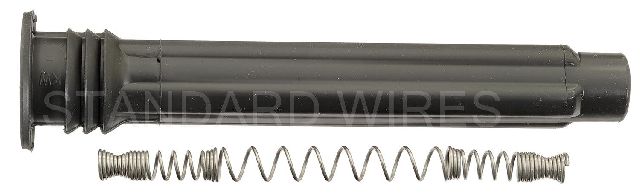
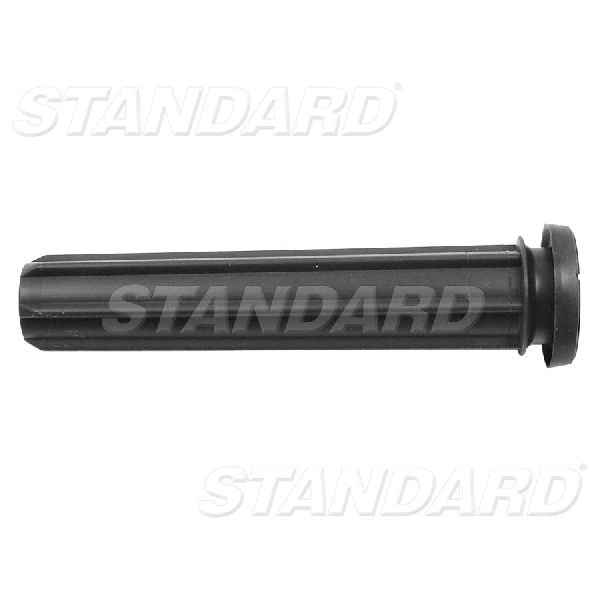
New Aftermarket Parts Available

The information in this article is provided for general reference and educational purposes only. Vehicle specifications, procedures, and part compatibility can vary by production date, trim level, and region. Always consult your vehicle's factory service manual and verify part numbers before purchasing or performing repairs. Safety-critical components such as airbags, seat belts, and braking systems should be installed by a qualified professional.
- Chrysler 300:
- 🎬 Helpful Videos
- 🛍️ Shop This Part
- What's Unique About the 2013-2015 Chrysler 300
- Diagnostic Flowchart
- Symptoms You May Notice
- Most Likely Causes
- Rare But Worth Checking
- Diagnosis Steps
- Parts You'll Likely Need
- Related Codes That Often Appear With This One
- Technical Service Bulletins (TSBs) & Recalls
- Platform-Specific Known Issues
- Mechanic-Grade Diagnostic Values
- Scan Tool Commands That Help
- Wiring & Ground Locations
- Real Owner Repair Stories
- OEM Part Supersession History
- Model Year Variations Within This Range
- 🎟️ Get 5% Off