

P0307 on 2010-2017 Chevrolet Silverado 1500: Cylinder 7 Misfire Causes and Fixes
P0307 means cylinder 7 is misfiring. On the Silverado, this is commonly caused by a bad spark plug, ignition coil, or spark plug wire. However, a more serious and frequent cause on V8 models is a failed Active Fuel Management (AFM) lifter, which is a more expensive repair. A ticking noise from the engine is a strong indicator of this lifter failure.
- P0307 is a misfire on cylinder 7, the rearmost cylinder on the driver's side.
- Always check the simple things first: spark plug, ignition coil, and spark plug wire for cylinder 7.
- Be aware that a failed Active Fuel Management (AFM) lifter is a very common and more serious cause of P0307 on V8 models.
- A ticking or tapping noise from the engine is a strong indicator of a potential lifter failure.
- Do not drive with a flashing check engine light, as this can quickly cause expensive damage to your catalytic converter.
What's Unique About the 2010-2017 Chevrolet SILVERADO 1500

While ignition issues are a common cause for P0307 on any vehicle, the 2010-2017 Silverado 1500 with a V8 engine has a specific, well-documented weakness: the Active Fuel Management (AFM) system. This system deactivates cylinders—including cylinder 7—to save fuel. The special hydraulic lifters used for this system are prone to failure, often getting stuck or collapsing, which prevents the valve from opening and causes a persistent misfire on that cylinder. This makes a P0307 code on these trucks a potential indicator of a significant mechanical engine problem, not just a simple ignition fault. The failure is so common that many owners and mechanics immediately suspect a collapsed lifter when this code appears, especially if accompanied by a ticking sound.
Diagnostic Flowchart

Tap your situation to follow the diagnostic path that matches what you're seeing on this vehicle.
Generation note: This range covers two Silverado generations: the GMT900 (2010-2013) and the K2XX (2014-2017). Both generations use V8 engines with Active Fuel Management (AFM) and are susceptible to lifter failure. The K2XX generation introduced the EcoTec3 engine family (L83 5.3L, L86 6.2L) with direct injection, which can add complexity to diagnosing fuel system issues as a cause for the misfire. The AFM system itself also evolved, but the fundamental risk of lifter failure remains across these model years.
Symptoms You May Notice

- Rough or shaking idle
- Hesitation or stumbling during acceleration
- Noticeable loss of engine power
- Flashing or solid Check Engine Light
- Engine ticking or tapping noise, which may point to a lifter issue
- "Service StabiliTrak" message may appear with the Check Engine Light, as the engine's instability can cause the traction control system to disable itself.
- Exhaust sound changes, may sound different or 'puffy'
- Replacing only the spark plug and coil when the underlying cause is a failing AFM lifter. The owner complaint ODI #11607861 mentions a P0307 returning shortly after a repair, which is a classic symptom of a deeper mechanical issue being overlooked. Many owners report replacing ignition parts first, only to find the misfire persists.
Most Likely Causes

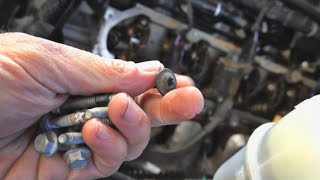
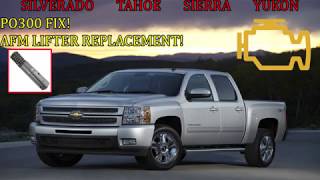
- Failed Active Fuel Management (AFM) Lifter 🔴 High Probability The AFM system deactivates cylinders 1, 4, 6, and 7. The special lifters for these cylinders are a known major failure point, frequently collapsing or sticking. This is the most common serious issue causing a single-cylinder misfire on these V8 engines. The lifter can fail to pump up, creating slack in the valvetrain and preventing the valve from opening. 🎬 See this step-by-step AFM lifter replacement for 2010-2013 models
How to confirm: A distinct ticking or tapping noise from the driver's side valve cover area is a strong clue. A mechanic can confirm by removing the valve cover for cylinder 7 and observing if the rocker arms are loose or not moving with the same travel as other cylinders while the engine is running (or being cranked). 🎬 Watch: How to diagnose a collapsed AFM lifter on cylinder 7 A compression test will also show very low or zero compression on the affected cylinder if the lifter is collapsed.
Typical fix: This is a major repair. It involves removing the cylinder head to replace the failed lifter(s) and lifter guides. The camshaft should also be inspected for damage, as a failed lifter roller can destroy the cam lobe. Many owners and shops opt to perform an 'AFM delete' at this time, replacing all AFM components with standard lifters, a new non-AFM camshaft, and reprogramming the ECU to prevent future failures.
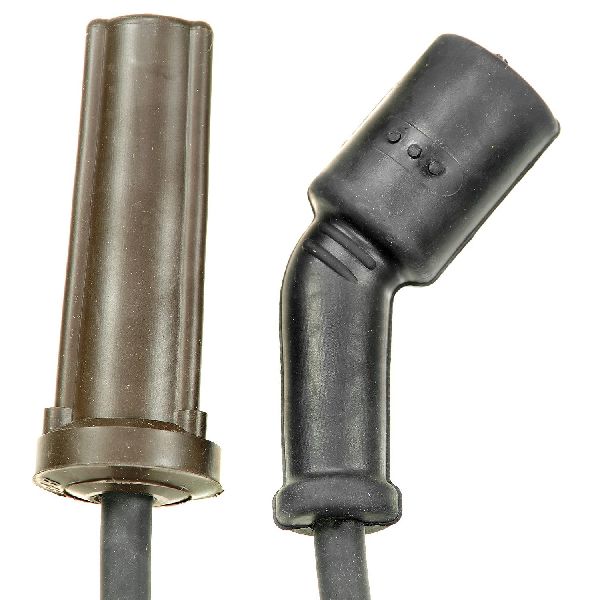
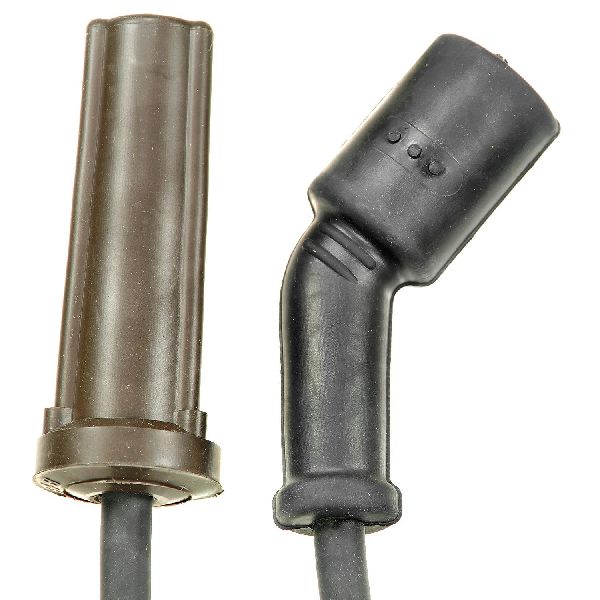
Est. part cost: $300-$1200 for parts, including new lifters, gaskets, and bolts. An AFM delete kit can cost more upfront but prevents recurrence. - Faulty Spark Plug, Wire, or Ignition Coil 🔴 High Probability These are standard wear-and-tear items. A manufacturer TSB (#PIP4819A) specifically calls out inspecting and replacing loose spark plug wires for P030x codes on these trucks. Due to the high heat in the engine bay, wires and coil boots can become brittle and fail.
How to confirm: Inspect the spark plug for wear, fouling, or damage. Swap the ignition coil and/or spark plug from cylinder 7 with another cylinder (e.g., cylinder 1). Clear the codes and drive. If the code changes to P0301, the part you moved is faulty. Use an inline spark tester to verify spark delivery to the cylinder.
Typical fix: Replace the faulty component. It's often recommended to replace all spark plugs and wires as a set if they are old. Coils are typically replaced individually as they fail.
Est. part cost: $50-$150 for plugs, wires, and a single coil. - Clogged or Faulty Fuel Injector 🟡 Medium Probability Some forum users note that the fuel rail sits at a slight angle, potentially allowing debris to accumulate at the rear near cylinder 7. Direct injection models (2014+) can also experience injector issues, which are more complex to service.
How to confirm: After ruling out ignition, you can listen to the injector with a mechanic's stethoscope to hear if it's clicking. Compare the sound to a neighboring injector. You can also swap the injector with another cylinder (if it's not a DI engine) to see if the misfire follows. A scan tool with an injector balance test can measure the pressure drop for each injector to identify a faulty one.
Typical fix: Replace the faulty fuel injector. On port-injected models, this is a moderately difficult DIY job. On direct-injected models (2014+), it is more complex and requires replacing special Teflon seals.
Est. part cost: $50-$150 for a port injector, $100-$250+ for a direct injector.
Rare But Worth Checking
- Low Compression (Bent Pushrod, Damaged Camshaft, Valve Issues): If an AFM lifter collapses, it can sometimes lead to a bent pushrod. If the lifter's roller fails, it can wipe out the corresponding lobe on the camshaft, requiring camshaft replacement. A sticking valve or broken valve spring can also cause a persistent misfire. These are usually diagnosed during the AFM lifter repair.
- Intake Manifold Gasket Leak: A vacuum leak near cylinder 7's intake runner can lean out the air/fuel mixture and cause a misfire. This is less common for a single-cylinder misfire but possible. This can be diagnosed with a smoke test.
Diagnosis Steps
- Read the codes with an OBD-II scanner. Confirm P0307 is present and note any other codes. Note if the Check Engine Light is steady or flashing.
- Use a scanner with live data to monitor misfire counts per cylinder. Confirm cylinder 7 is the primary offender.
- Listen for an audible ticking noise from the driver's side of the engine, a hallmark of AFM lifter failure.
- Perform basic ignition checks first. Inspect the spark plug for cylinder 7. Look for excessive wear, oil fouling, or damage.
- Swap the ignition coil from cylinder 7 to an easily accessible cylinder like cylinder 1. Clear codes, run the engine, and see if the misfire code changes to P0301. If it does, the coil is bad.
- If the code remains P0307, inspect the spark plug wire for cylinder 7 for any signs of damage, arcing, or a loose connection at the coil and plug, as noted in TSB #PIP4819A.
- If ignition parts are good, check the fuel injector. Listen for a steady clicking from the injector on cylinder 7. Compare the sound to a neighboring injector. Use a scan tool's injector balance test if available.
- If a distinct ticking noise is present and ignition/fuel basics check out, proceed to mechanical checks. Perform a compression test on cylinder 7. A very low or zero reading strongly points to a mechanical issue, most likely a collapsed AFM lifter. Healthy compression should be around 180-215 psi depending on the engine generation.
- For definitive confirmation of a failed lifter, remove the driver's side valve cover. Visually inspect the rocker arms for cylinder 7 while an assistant cranks the engine. A collapsed lifter will result in a rocker arm that is loose or has visibly less movement than the others.
- If compression is low but rockers seem to move, a leak-down test can help differentiate between a valve sealing issue, piston ring issue, or head gasket leak.
Parts You'll Likely Need
- AFM Hydraulic Roller Lifter
(OEM #12645725, 12680871 (updated part number))— This is the special lifter for Active Fuel Management cylinders and is the most common major failure point causing P0307.
Trusted brands: ACDelco, Delphi
OEM price range: $30-$50 per lifter
Aftermarket price range: $20-$40 per lifter - AFM Delete Kit — To permanently eliminate the failure-prone AFM system, a delete kit is used. It typically includes a new non-AFM camshaft, standard lifters, new lifter guides, a new valley cover, and sometimes a new oil pump. This prevents future AFM-related lifter failures.
- Spark Plug
(OEM #41-110 (ACDelco Iridium for Gen IV), 41-162 (ACDelco Iridium for Gen V L83))— A fouled or worn spark plug is a primary and simple cause of a misfire. It's a standard maintenance item and the first part to check.
Trusted brands: ACDelco, NGK
OEM price range: $8-$15 per plug
Aftermarket price range: $6-$12 per plug - Ignition Coil
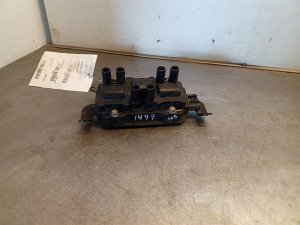
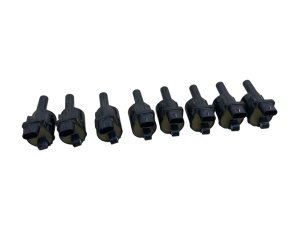
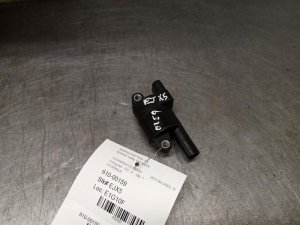
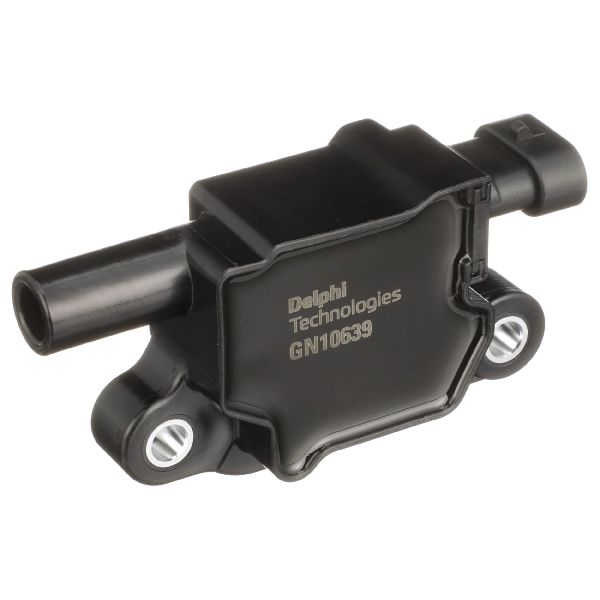
(OEM #D521C (ACDelco for Gen IV), 12658222 (ACDelco for Gen V))— An ignition coil provides the high voltage needed to create a spark. Failure of the coil for cylinder 7 will cause a P0307.
Trusted brands: ACDelco, Delphi, Standard Motor Products
OEM price range: $40-$70
Aftermarket price range: $25-$50
Related Codes That Often Appear With This One
- P0300 — If the misfire is intermittent or multiple cylinders are affected (e.g., multiple failing lifters), the system may log a P0300 (Random/Multiple Cylinder Misfire) alongside the P0307. This is common with AFM lifter issues.
- P050D — Cold Start Rough Idle. This can sometimes appear with misfire codes, especially on direct injection models, pointing towards issues that are more pronounced before the engine warms up.
Technical Service Bulletins (TSBs) & Recalls
- Bulletin #PIP4819A: Addresses engine misfires (P0300-P0308) and directs technicians to inspect and replace loose spark plug wires.
Platform-Specific Known Issues
- Active Fuel Management (AFM) Lifter Failure: This is the most critical issue for V8-equipped Silverados in this year range. The system deactivates cylinders 1, 4, 6, and 7 to improve fuel economy. The lifters responsible for this action are known to fail, leading to a misfire. Symptoms often include a P0307 code and a distinct engine tick. The repair is labor-intensive, requiring cylinder head removal.
- Loose Spark Plug Wires: Technical Service Bulletin #PIP4819A was issued by GM for misfire codes (P0300-P0308) caused by loose spark plug wires. The bulletin advises technicians to inspect the connection at both the coil and the spark plug, as a poor connection can cause intermittent misfires.
- Oil Consumption and VLOM Issues: Some AFM-related failures are attributed to issues with the Valve Lifter Oil Manifold (VLOM), which controls oil flow to the special lifters. A faulty VLOM can lead to incorrect oil pressure and lifter failure. GM has released updated VLOM designs to address this. Excessive oil consumption can also contribute to carbon buildup and lifter issues.
Mechanic-Grade Diagnostic Values
- Engine Compression (Gen IV, e.g., 5.3L LC9) — expected: 180-190 psi. Failure: Significantly lower reading on cylinder 7, or a reading of zero, points to a mechanical issue like a collapsed lifter or valve problem.
- Engine Compression (Gen V, e.g., 5.3L L83) — expected: 210-215 psi. Failure: A lower reading on cylinder 7 compared to others indicates a mechanical sealing issue.
- Fuel Injector Resistance (Gen V, 5.3L L83) — expected: ~1.6 Ohms. Failure: An open circuit (infinite resistance) or a reading significantly different from other injectors. Note: This value was reported as slightly high but consistent across good cylinders.
- Fuel Injector Balance Test (Pressure Drop) — expected: Pressure drop should be within 20% of the average for all cylinders.. Failure: A pressure drop on cylinder 7 that is significantly higher or lower than the others indicates a flow problem.
- Long Term Fuel Trim — expected: Close to 0%, typically within +/- 10%. Failure: Highly positive trims (e.g., +25%) can indicate a vacuum leak or under-reporting injector, while highly negative trims (e.g., -20%) indicate a leaking injector or other rich condition.
Scan Tool Commands That Help
- GDS2 / Professional Scan Tool: Injector Balance Test / Fuel Injector Flow Test — To quantitatively measure if the cylinder 7 fuel injector is flowing more or less fuel than the other cylinders by measuring fuel pressure drop when the injector is pulsed.
- GDS2 / Professional Scan Tool: Cylinder Power Balance — To observe the contribution of each cylinder in real-time by monitoring crankshaft speed variations. This confirms cylinder 7 is the one underperforming.
- GDS2 / Professional Scan Tool: Crankshaft Position Variation Learn — After a repair that could affect crankshaft rotation (like replacing a flexplate or engine components), this procedure should be run to reset learned values and prevent false misfire detection.
- GDS2: AFM Compression Test — Mentioned in GM service literature, this is a specific diagnostic routine to test compression on AFM-equipped cylinders (1, 4, 6, 7) to quickly identify a collapsed lifter.
Wiring & Ground Locations
- Engine to Chassis Grounds — Key ground straps are typically located on the rear of the cylinder heads, connecting to the firewall, and from the engine block to the frame.. A poor ground connection for the engine block or cylinder head can create electrical noise and voltage discrepancies, potentially causing the ECM to misinterpret sensor data or affect ignition coil and injector performance, leading to misfire codes.
- Injector Harness Connector — On V8 models, the main fuel injector harness has a large master connector at the rear of the engine, near the firewall, before splitting off to individual injectors.. Damage or corrosion at this main connector or at the specific pigtail for the cylinder 7 injector can cause an open or high-resistance circuit, leading to an injector-related misfire.
Real Owner Repair Stories
- YouTube channel 'The Late Model Tech' (2016 Chevrolet Silverado 5.3L V8) — Persistent P0307 misfire that could not be resolved with common tune-up parts.
❌ Tried (didn't work) Replacing spark plugs, Replacing spark plug wires, Replacing ignition coil
✅ What actually fixed it The cause was a failed (collapsed) AFM lifter on cylinder 7. This was confirmed by removing the driver's side valve cover and starting the engine, which revealed the rearmost rocker arm was not moving. The final fix was to replace the failed lifter. - Reddit user in r/Justrolledintotheshop (2008 Chevrolet Silverado 5.3L V8) — P0307 code and associated misfire symptoms.
❌ Tried (didn't work) Initial diagnosis often involves ignition parts which fail to solve the root cause.
✅ What actually fixed it The problem was a failed AFM lifter. The community consensus and recommended permanent fix is to install an 'AFM Delete Kit' from a company like Texas Speed, which replaces the failure-prone AFM components with standard, more robust valvetrain parts.
"I Checked Everything" — The Actual Cause
- In one documented case, a user with a persistent P0307 had already confirmed good spark with a tester, good compression (180-190 psi), and had swapped ignition and fuel components with no change. They even replaced the intake manifold assuming a hard-to-find leak, but the misfire remained. This points to a situation where all standard tests pass, but the issue could be a subtle mechanical problem (like a worn cam lobe) or a rare electrical fault, such as the ECM driver for the injector not providing sufficient current.
OEM Part Supersession History
12645725→12680871— The original AFM lifter design was prone to premature failure. The updated part number represents a revised design intended to improve durability and longevity.
Model Year Variations Within This Range
- 2014-2017: The EcoTec3 engines (L83, L86) use direct injection. The fuel injectors are seated directly in the cylinder head and use delicate Teflon seals on the tip. These seals are a one-time use part and can be easily damaged during installation, creating a compression leak or fuel delivery issue that can cause a misfire.
- 2014-2017: These engines feature a high-pressure mechanical fuel pump driven by a special lobe on the camshaft. While not a direct cause of a single-cylinder misfire, it adds complexity to the fuel system diagnosis compared to the simpler low-pressure port injection system on pre-2014 models.
Helpful Videos
Used OEM Parts in Stock


New Aftermarket Parts Available


The information in this article is provided for general reference and educational purposes only. Vehicle specifications, procedures, and part compatibility can vary by production date, trim level, and region. Always consult your vehicle's factory service manual and verify part numbers before purchasing or performing repairs. Safety-critical components such as airbags, seat belts, and braking systems should be installed by a qualified professional.
- Chevrolet SILVERADO 1500:
- 🎬 Helpful Videos
- 🛍️ Shop This Part
- What's Unique About the 2010-2017 Chevrolet SILVERADO 1500
- Diagnostic Flowchart
- Symptoms You May Notice
- Most Likely Causes
- Rare But Worth Checking
- Diagnosis Steps
- Parts You'll Likely Need
- Related Codes That Often Appear With This One
- Technical Service Bulletins (TSBs) & Recalls
- Platform-Specific Known Issues
- Mechanic-Grade Diagnostic Values
- Scan Tool Commands That Help
- Wiring & Ground Locations
- Real Owner Repair Stories
- "I Checked Everything" — The Actual Cause
- OEM Part Supersession History
- Model Year Variations Within This Range
- 🎟️ Get 5% Off