

P0307 on 2010-2013 Chevrolet Express: Cylinder 7 Misfire Causes and Fixes
P0307 on a 2010-2013 Chevy Express V8 usually means a bad spark plug wire, spark plug, or ignition coil on cylinder 7. A full set of quality spark plug wires costs about $60-$100. Start by inspecting the wire and plug for cylinder 7, which is the rearmost cylinder on the driver's side. However, be aware that a failed Active Fuel Management (AFM) lifter is also a very common and more serious cause for this specific code on these engines.
- P0307 means cylinder 7 is misfiring on your Chevrolet Express V8.
- The most likely cause is a bad spark plug wire, a worn spark plug, or a faulty ignition coil for cylinder 7.
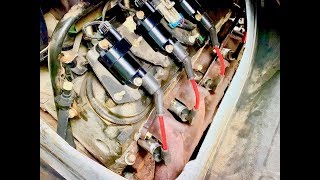
- A GM Technical Service Bulletin (PIP4819A) specifically points to loose spark plug wires as a known issue.
- Start your diagnosis by inspecting the ignition components for cylinder 7, which is the second cylinder from the back on the driver's side.
- If the Check Engine Light is flashing, pull over and stop driving to prevent expensive damage to your catalytic converter.
What's Unique About the 2010-2013 Chevrolet EXPRESS
For the V8-equipped Chevrolet Express vans of this era, ignition components are a very common cause of misfires. A specific GM Technical Service Bulletin (TSB) for the 2010 model year, #PIP4819A, directly points to loose-fitting spark plug wires as a cause for misfires, including P0307. More critically, the 5.3L and 6.0L V8 engines in these vans often feature Active Fuel Management (AFM), which deactivates cylinders to save fuel. Cylinder 7 is one of the AFM cylinders. The hydraulic lifters associated with the AFM system are a known major failure point; they can collapse or get stuck, leading to a persistent P0307 misfire that cannot be fixed with ignition or fuel parts. This mechanical issue is often accompanied by a distinct ticking noise from the engine.
Diagnostic Flowchart
Tap your situation to follow the diagnostic path that matches what you're seeing on this vehicle.
Symptoms You May Notice
- Rough or shaking idle
- Hesitation or stumbling during acceleration
- Noticeable loss of engine power
- Flashing Check Engine Light (if the misfire is severe)
- Increased fuel consumption
- Engine vibration felt through the steering wheel
- A distinct ticking or tapping noise from the engine, especially on startup, which can point to a failed AFM lifter.
- Replacing only the spark plug when the spark plug wire is the actual cause.
- Replacing the fuel pump when the issue is a single clogged injector or ignition component.
- Replacing sensors like the MAF or O2 sensor before thoroughly checking the ignition system for cylinder 7.
- Repeatedly replacing ignition parts when the underlying cause is a mechanical failure, such as a collapsed AFM lifter.
Most Likely Causes
- Faulty or Loose Spark Plug Wire 🔴 High Probability A manufacturer TSB (#PIP4819A) specifically calls out inspecting and replacing loose spark plug wires for this generation of vehicle. The high heat and long operating hours of these vans can degrade wire insulation and connections.
How to confirm: Visually inspect the wire for cylinder 7 for damage, corrosion, or a loose fit at the spark plug and ignition coil. You can also test the wire's resistance with a multimeter; a common specification is less than 5000 ohms per foot of wire. A loose connection at the coil or plug is a very common find.
Typical fix: Replace the full set of spark plug wires. It's best practice to replace them all at once.
Est. part cost: $60-$110 - Worn or Fouled Spark Plug 🔴 High Probability
How to confirm: Remove the spark plug from cylinder 7. Inspect it for wear (worn electrode), carbon fouling (black and sooty), oil fouling (wet and black), or damage. A good diagnostic step is to swap the cylinder 7 plug with another cylinder (e.g., cylinder 1), clear the codes, and see if the misfire moves to P0301.
Typical fix: Replace the spark plug. It is highly recommended to replace all 8 spark plugs at the same time for even performance.
Est. part cost: $5-$15 per plug - Failed Ignition Coil 🟡 Medium Probability
How to confirm: Swap the ignition coil from cylinder 7 with another cylinder (e.g., cylinder 1). Clear the codes and drive the vehicle. If the trouble code changes to P0301, the ignition coil is faulty.
Typical fix: Replace the faulty ignition coil.
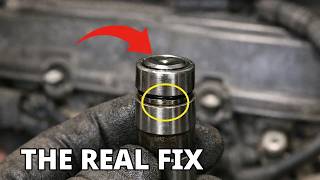
Est. part cost: $30-$70 - Collapsed or Stuck Active Fuel Management (AFM) Lifter 🟡 Medium Probability Cylinder 7 is one of the four cylinders (1, 4, 6, 7) deactivated by AFM. The specialized lifters for these cylinders are a known high-failure part. They can collapse, preventing the valve from opening, causing a dead miss.
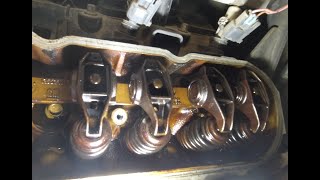
How to confirm: Listen for a persistent ticking noise. After ruling out ignition and fuel, remove the driver's side valve cover. Briefly start the engine and observe the rocker arms for cylinder 7. If one is not moving or has very little movement compared to others, the lifter has failed.
Typical fix: This is a major repair. It involves replacing the failed lifter, and often all AFM lifters, the lifter guide, and sometimes the camshaft if it was damaged by the failed lifter roller. Many owners opt for an 'AFM delete kit' to permanently solve the problem. 🎬 Watch: How to replace and disable failing AFM lifters.
Est. part cost: $200-$1000+ - Faulty Fuel Injector ⚪ Low Probability
How to confirm: Listen to the injector with a mechanic's stethoscope; it should make a consistent clicking sound. You can also check its resistance with a multimeter or swap it with an injector from another cylinder to see if the misfire follows. One forum user noted that debris can collect at the end of the fuel rail, clogging the #7 injector.
Typical fix: Replace the faulty fuel injector.
Est. part cost: $50-$120
Rare But Worth Checking
- Intake Manifold Gasket Leak: The intake manifold gaskets on these GM V8 engines can become brittle and leak, allowing unmetered air into the engine, which can cause a lean misfire on the adjacent cylinder(s).
- Low Engine Compression: Internal engine issues like a worn camshaft lobe (often from a failed lifter), a sticking/bent valve, or failing piston rings can cause a loss of compression, leading to a misfire. A compression test is needed to diagnose this.
- Rusted Fuel Filler Neck: On Express vans, particularly those in 'salt belt' states, the fuel filler neck can rust through. This allows water and debris to enter the fuel tank, which can contaminate fuel, clog the fuel filter, and damage injectors, leading to misfires. While a recall existed for 2003-2004 models, the issue can still occur on later models due to exposure.
Diagnosis Steps
- Verify the code P0307 with an OBD-II scanner. Note any other codes present.
- Locate cylinder 7. On a Chevy V8, cylinders are numbered 1-3-5-7 on the driver's side (front to back) and 2-4-6-8 on the passenger's side. Cylinder 7 is the rearmost cylinder on the driver's side, closest to the firewall.
- Inspect the spark plug wire for cylinder 7 for any visible damage, burns, or a loose connection at the coil and plug. [Bulletin #PIP4819A]
- Swap the ignition coil from cylinder 7 with cylinder 1. Clear the codes and run the engine. If the code changes to P0301, the coil is bad.
- If the code remains P0307, swap the spark plug from cylinder 7 with cylinder 1. Clear codes and run the engine. If the code changes to P0301, the spark plug is bad.
- If the misfire is still on cylinder 7, listen for a distinct ticking sound from the engine. If present, suspect a mechanical issue.
- If a ticking sound is heard, remove the driver's side valve cover. Briefly start the engine and visually inspect the rocker arms for cylinder 7. If a rocker arm is not moving, it confirms a collapsed AFM lifter.
- If no ticking is heard and ignition parts are good, check the fuel injector by listening for a steady clicking sound or by swapping it with another cylinder.
- If the injector seems okay, perform a compression test on cylinder 7 to rule out other internal engine problems like a bad valve or worn piston rings.
- If compression is good, check for vacuum leaks near cylinder 7, particularly around the intake manifold gasket.
Parts You'll Likely Need
- Spark Plug Wire Set
(OEM #12731654)— This is a primary cause of P0307 on this vehicle, as identified by GM's own technical service bulletin. Wires degrade from heat and time.
Trusted brands: ACDelco
OEM price range: $70-$110
Aftermarket price range: $50-$80 - Spark Plugs
(OEM #ACDelco 41-162 (supersedes 41-110))— Spark plugs are a routine maintenance item and a common cause of single-cylinder misfires. The original 41-110 plug was superseded by the 41-162. Both are Iridium plugs but have slight design differences.
Trusted brands: ACDelco, NGK
OEM price range: $8-$15 per plug
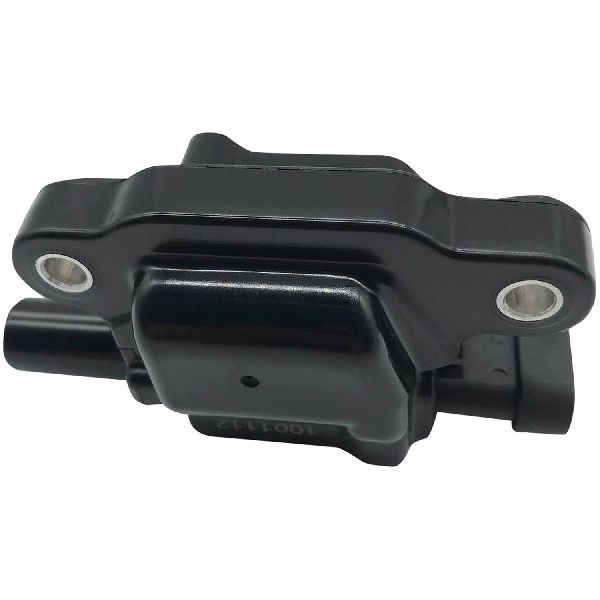
Aftermarket price range: $5-$10 per plug - Ignition Coil
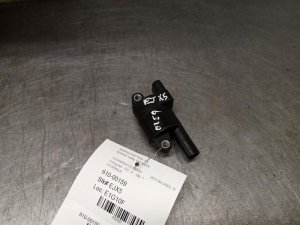
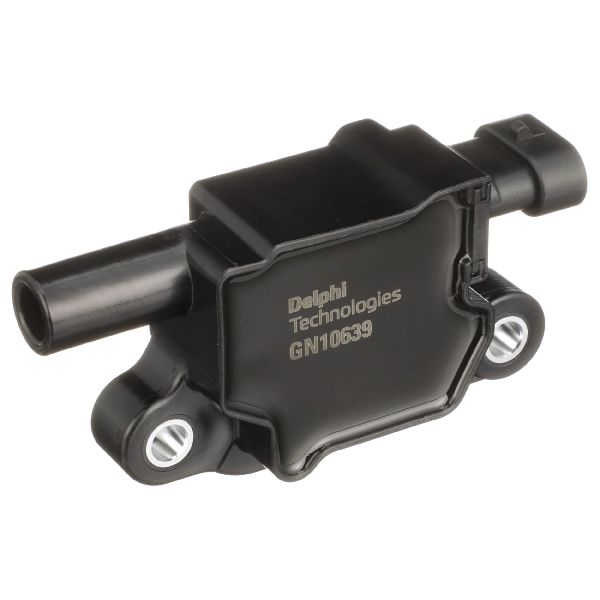
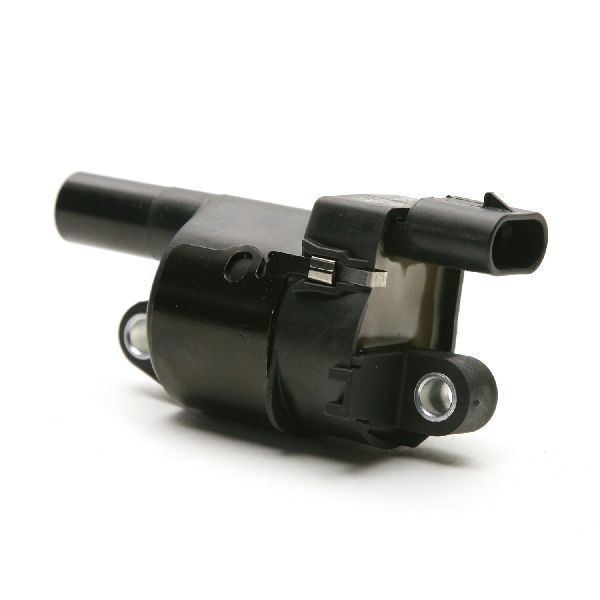
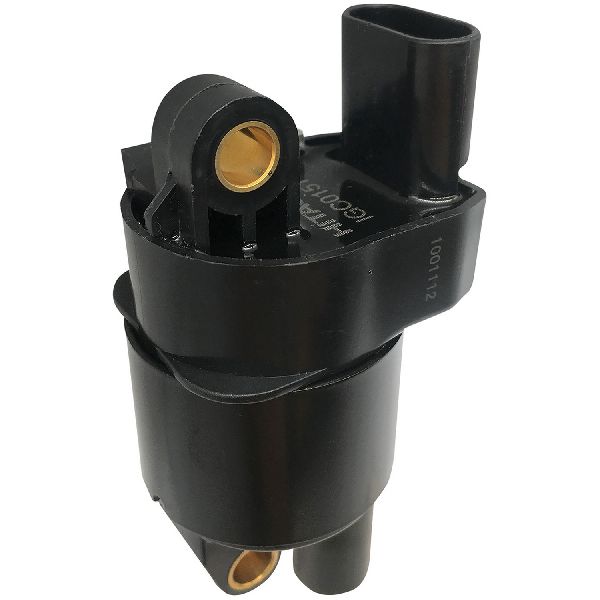
(OEM #ACDelco D521C (GM #12629037))— The coil provides the high voltage for the spark. While durable, they can fail, causing a misfire on a single cylinder. The D521C is the common OE replacement.
Trusted brands: ACDelco, Delphi
OEM price range: $50-$80
Aftermarket price range: $30-$60 - AFM Valve Lifter
(OEM #12698946 (Active Lifter))— If the cause is a collapsed AFM lifter on cylinder 7, this part is required. It is highly recommended to replace all AFM lifters at the same time.
Trusted brands: ACDelco
OEM price range: $25-$40 per lifter
Aftermarket price range: $20-$30 per lifter
Related Codes That Often Appear With This One
- P0300 — If the condition causing the P0307 is intermittent or beginning to affect other cylinders, a P0300 (Random/Multiple Cylinder Misfire) code may also be stored.
Technical Service Bulletins (TSBs) & Recalls
- PIP4819A: Mentions that P030x codes can be caused by loose spark plug wires, requiring inspection and replacement.
- 19-NA-219: A diagnostic tip for various misfire codes (including P0307) on V8 engines, pointing towards potential causes like a sticking valve, broken valve spring, or a collapsed AFM lifter if the cause is not obvious.
- 19-NA-122: Discusses how a P0300 (and by extension, single cylinder misfires) can be caused by a damaged piston leading to low compression.
Platform-Specific Known Issues
- A known issue documented in TSB #PIP4819A involves loose spark plug wires causing misfires on 2010 models. The fix is to inspect and replace any loose wires.
- Another TSB, #19-NA-219, discusses misfires (P0300-P0308) that can be caused by sticking valves or worn camshaft lobes, which may be rele
Mechanic-Grade Diagnostic Values
- Engine Compression — expected: 180-190 PSI per cylinder after 4 seconds of cranking. Failure: A cylinder reading significantly lower than others indicates a mechanical issue.
- AFM Solenoid Resistance — expected: 11 to 18 ohms. Failure: A reading outside this range indicates a faulty solenoid in the Valve Lifter Oil Manifold Assembly (VLOM).
- AFM Lifter Activation Oil Pressure — expected: Approximately 22 PSI. Failure: Insufficient oil pressure reaching the lifter will prevent it from collapsing correctly, which can lead to misfires or other issues.
- Long Term Fuel Trims (LTFT) — expected: Close to 0% (+/- 5%). Failure: Highly positive trims (e.g., +29%) suggest the ECM is adding fuel to compensate for a vacuum leak or failing fuel pump. Highly negative trims (e.g., -20%) suggest the ECM is removing fuel to compensate for a leaking injector or other rich condition.
Scan Tool Commands That Help
- GDS2 / Tech2: Misfire Data / Misfire Counters — To view real-time and historical misfire counts for each specific cylinder. This helps confirm the misfire is isolated to cylinder 7 and not randomly occurring elsewhere.
- GDS2 / Tech2: Cylinder Deactivation Status — When diagnosing a potential AFM lifter failure, this function allows a technician to monitor the commanded and actual status of each AFM cylinder (1, 4, 6, 7) to see if the system is working correctly.
- GDS2 / Tech2: Reset Fuel Alcohol Content — On Flex-Fuel models, if the ECM incorrectly calculates a high ethanol percentage, it can cause driveability issues. A user reported needing to reset this value from 86% down to 5% during their diagnosis.
- GDS2 / Tech2: Injector Balance Test — This bidirectional test commands each injector to fire for a set duration, measuring the corresponding drop in fuel pressure. It can identify a weak or clogged injector that isn't flowing correctly.
Wiring & Ground Locations
- G102 — On the left rear of the engine for 4.8L, 5.3L, & 6.0L V8s.. This is the primary ground point for all eight ignition coils. A poor connection here can cause weak spark or intermittent misfires on any cylinder, including cylinder 7.
- G103 — On the right rear of the engine for V8 models, or on the cowl at the rear of the left (LH) engine head.. This is a critical ground for the Engine Control Module (ECM). A corroded or loose G103 can cause a wide range of erratic engine behavior, including false misfire codes. A GM service bulletin specifically calls for checking the cleanliness and tightness of this ground.
- Cylinder 7 Injector Control Wire — Runs from a specific pin on the ECM connector to the fuel injector on cylinder 7.. A break or short in this specific wire ('Inj 7 ctrl') would prevent the injector from firing correctly, causing a P0307. While a wiring fault is less common than a failed component, it can be the cause if all parts test good.
Real Owner Repair Stories
- The Car Doctor YouTube Channel (2003 Chevrolet Express 2500 (Issue is applicable to 2010-2013 models)) — Stalling, misfiring (specifically on cylinder 7), and lack of power.
❌ Tried (didn't work) The previous shop had replaced the PCM and throttle body without success.
✅ What actually fixed it The fuel filler neck had rusted completely through, allowing water and road debris to enter the fuel tank. This contaminated the fuel and clogged the fuel injectors, with the debris apparently settling in a way that affected cylinder 7 first. The fix required dropping and cleaning the tank, replacing the fuel pump/filter, flushing the fuel system, and replacing the rusted filler neck.
"I Checked Everything" — The Actual Cause
- A P0307 with good spark and compression was traced to a rusted-out fuel filler neck. This allowed water and debris to enter the fuel tank, contaminating the fuel supply and clogging the cylinder 7 injector. A standard intake smoke test would not have found this issue, as the fault was in the fuel delivery and containment system, not the air intake.
Model Year Variations Within This Range
- 2010-2017: Starting in the 2010 model year, the 4.8L (L20) and 6.0L (L96) V8 engines gained Flex-Fuel (E85) capability. This introduces a fuel composition sensor and different ECM logic. An incorrect fuel alcohol reading can cause lean/rich conditions and misfires, which may require a scan tool to reset.
Helpful Videos
Used OEM Parts in Stock

New Aftermarket Parts Available


The information in this article is provided for general reference and educational purposes only. Vehicle specifications, procedures, and part compatibility can vary by production date, trim level, and region. Always consult your vehicle's factory service manual and verify part numbers before purchasing or performing repairs. Safety-critical components such as airbags, seat belts, and braking systems should be installed by a qualified professional.
- Chevrolet EXPRESS:
- 🎬 Helpful Videos
- 🛍️ Shop This Part
- What's Unique About the 2010-2013 Chevrolet EXPRESS
- Diagnostic Flowchart
- Symptoms You May Notice
- Most Likely Causes
- Rare But Worth Checking
- Diagnosis Steps
- Parts You'll Likely Need
- Related Codes That Often Appear With This One
- Technical Service Bulletins (TSBs) & Recalls
- Platform-Specific Known Issues
- Mechanic-Grade Diagnostic Values
- Scan Tool Commands That Help
- Wiring & Ground Locations
- Real Owner Repair Stories
- "I Checked Everything" — The Actual Cause
- Model Year Variations Within This Range
- 🎟️ Get 5% Off