

P0306 on 2010-2014 Jaguar XJ: Cylinder 6 Misfire Causes and Fixes
P0306 indicates a misfire in cylinder 6. For the 2010-2014 Jaguar XJ, this is most often caused by a failed ignition coil (Part No. C2D38554, superseded by AJ813593) or a worn spark plug (OEM NGK Part No. AJ813092). A faulty or clogged fuel injector is the next most likely culprit, a known issue highlighted in Jaguar TSB SSM63697. Expect to pay $50-$120 for a coil and $15-$30 for a plug.
- P0306 on a 2010-2014 Jaguar XJ is a misfire on cylinder 6.
- The most likely cause is a bad ignition coil, followed by a worn spark plug.
- A simple diagnostic step is to swap the cylinder 6 ignition coil with another cylinder's coil to see if the misfire code follows.
- Do not ignore a flashing Check Engine Light, as this indicates a severe misfire that can quickly damage the catalytic converter.
- A faulty fuel injector is also a possible cause, as noted in a Jaguar TSB related to fuel quality.
What's Unique About the 2010-2014 Jaguar XJ
The 2010-2014 Jaguar XJ (X351 generation) primarily uses the AJ133 5.0L V8 and the related AJ126 3.0L V6. Both are direct-injection engines, which can make them susceptible to carbon buildup on intake valves over time, although ignition components and fuel injectors are more common failure points for a single-cylinder misfire. A Jaguar Special Service Message (SSM63697) specifically notes that poor fuel quality can lead to restricted fuel injectors and cause misfire codes on these engines. Additionally, TSB JTB00533NAS1 addresses a calibration issue where a cold start (below 75°C / 167°F) could trigger misfire codes, including P0306, requiring a PCM software update.
Diagnostic Flowchart
Tap your situation to follow the diagnostic path that matches what you're seeing on this vehicle.
Symptoms You May Notice
- Rough or vibrating idle
- Hesitation or stumbling during acceleration
- Noticeable loss of engine power
- Flashing or solid Check Engine Light
- Smell of unburned fuel from the exhaust
- Reduced fuel economy
- Engine bucking or jerking under load
- Replacing oxygen (O2) sensors. While a faulty O2 sensor can cause fuel trim issues, it will typically affect an entire bank of cylinders (e.g., with a P0171 or P0174 code) rather than causing a single-cylinder misfire.
- Replacing the Mass Airflow (MAF) sensor. A bad MAF sensor usually affects all cylinders randomly and would likely trigger a P0300 code or its own specific codes.
Most Likely Causes
- Faulty Ignition Coil 🔴 High Probability Coil-on-plug ignition systems are common failure points due to constant exposure to high heat and vibration. It's a very frequent cause of single-cylinder misfires on the AJ126/AJ133 engines, as corroborated in numerous owner forums.
How to confirm: Swap the ignition coil from cylinder 6 with an adjacent cylinder (e.g., cylinder 4 on the V6 or cylinder 8 on the V8). Clear the codes and drive the vehicle. If the misfire code moves to the new cylinder (e.g., P0304 or P0308), the coil is bad. This is the most common and effective DIY diagnostic step.
Typical fix: Replace the faulty ignition coil. It is often recommended to replace the corresponding spark plug at the same time. Applying a small amount of dielectric grease to the inside of the new coil boot can prevent moisture intrusion and corrosion.
Est. part cost: $50 - $120 - Worn or Fouled Spark Plug 🔴 High Probability
How to confirm: Remove the spark plug from cylinder 6 and inspect it. Look for a worn electrode, cracks in the porcelain, or heavy deposits of oil or carbon. Compare it to a plug from a healthy cylinder. The recommended gap for these plugs is typically pre-set but should be verified.
Typical fix: Replace the spark plug. The OEM plugs are Iridium and have a long service life (up to 100,000 miles), but it is best practice to replace all spark plugs as a set if they are near the end of their service life or if their history is unknown.
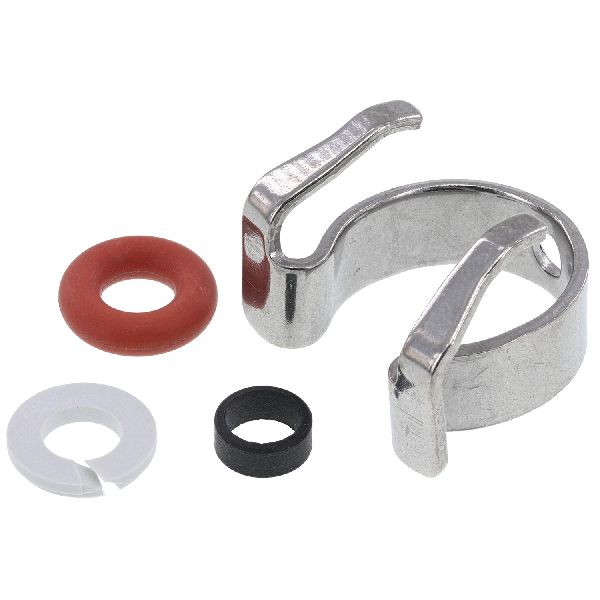
Est. part cost: $15 - $30 per plug - Faulty or Clogged Fuel Injector 🟡 Medium Probability Jaguar TSB #SSM63697 explicitly mentions that poor fuel quality or contaminants can restrict direct fuel injectors, causing misfires. Direct injection systems operate under very high pressure, making the injectors susceptible to clogging if fuel quality is inconsistent.
How to confirm: This is more difficult for a DIYer. A professional can perform a fuel injector balance test. A simpler, though less definitive, method is to listen to the injector with a mechanic's stethoscope; it should have a consistent, rapid clicking sound. Swapping injectors is possible but is significantly more labor-intensive 🎬 See this pro hack for replacing injectors without special tools. than swapping coils and requires replacing seals.
Typical fix: Replace the faulty fuel injector and its associated seals. In some cases, a professional fuel system cleaning service can resolve minor restrictions.
Est. part cost: $100 - $250
Rare But Worth Checking
- Vacuum Leak: A vacuum leak from a cracked intake manifold gasket or a leaking hose near the runner for cylinder 6 could lean out the mixture enough to cause a misfire. This is less common for a single-cylinder misfire but has been noted in forums.
- Low Engine Compression: Internal engine issues like a worn piston ring, a burnt valve, or a failing head gasket can cause a loss of compression and a misfire. This is a worst-case scenario and should be investigated with a compression test after all ignition and fuel system possibilities are ruled out.
- Clogged Catalytic Converter: In rare cases, a partially clogged catalytic converter can create excessive backpressure, leading to misfires. This would typically be accompanied by other codes (like P0420 or P0430) and a more general lack of engine power.
Diagnosis Steps
- Read the code with an OBD-II scanner and confirm P0306 is present. 🎬 Watch: A quick guide to diagnosing P0306 misfire causes. Note any other codes, such as P0300, P0316, or P1314.
- Identify cylinder 6. On the 3.0L V6 (AJ126), cylinder 6 is the rear-most cylinder on the left-hand (driver's side in LHD cars) bank. On the 5.0L V8 (AJ133), cylinder 6 is the third cylinder back on the left-hand bank. The cylinder numbering is 2-4-6-8 on the left bank (front to back) and 1-3-5-7 on the right bank.
- Swap the ignition coil from cylinder 6 with an adjacent, easily accessible cylinder. For example, swap coil 6 with coil 4 on the V6/V8.
- Clear the codes and drive the vehicle until the Check Engine Light returns.
- If the code has moved to the cylinder you swapped with (e.g., P0304), the ignition coil is faulty. Replace it.
- If the code remains P0306, the coil is likely good. Proceed to inspect the spark plug.
- Remove and inspect the spark plug from cylinder 6. If it is worn, fouled, or damaged, replace it. It's wise to replace the full set if they are old or their age is unknown.
- If the coil and plug are good, the issue is likely fuel-related or mechanical. The next most probable cause is a faulty fuel injector, as noted in TSB SSM63697.
- Listen to the cylinder 6 fuel injector with a mechanic's stethoscope. It should tick rhythmically. If it's silent or has an irregular sound, it may be faulty.
- If ignition and fuel injector checks do not reveal the problem, check for vacuum leaks near cylinder 6's intake runner.
- As a final step, perform a compression test on cylinder 6 to rule out mechanical engine damage like bad rings or valves.
Parts You'll Likely Need
- Ignition Coil
(OEM #C2D38554 / AJ813593)— This is the most common failure point for a single-cylinder misfire on the AJ126/AJ133 engines, confirmed by numerous owner experiences.
Trusted brands: Bosch, Denso, NGK, Genuine Jaguar
OEM price range: $80 - $150
Aftermarket price range: $50 - $120 - Spark Plug
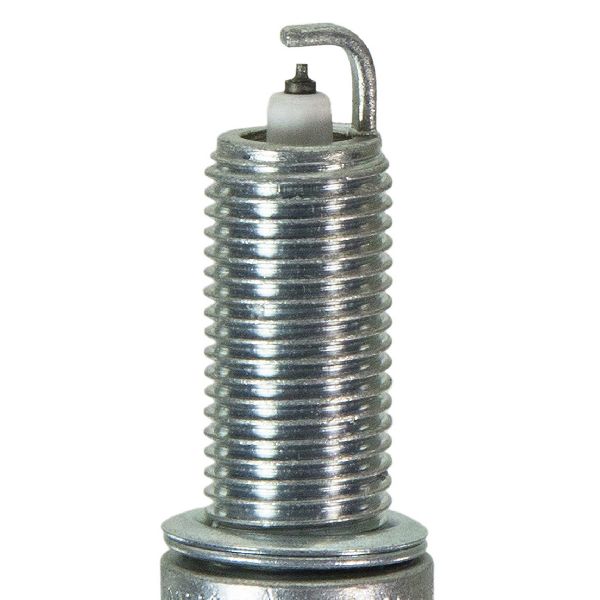
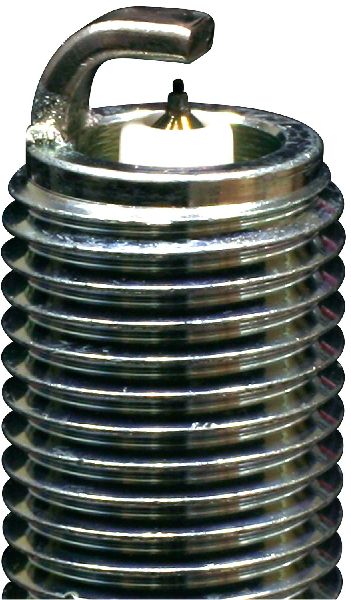
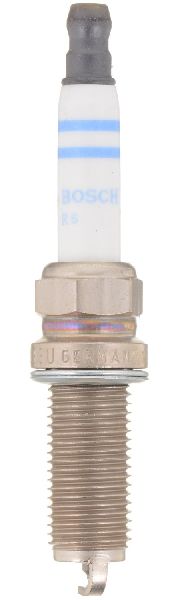
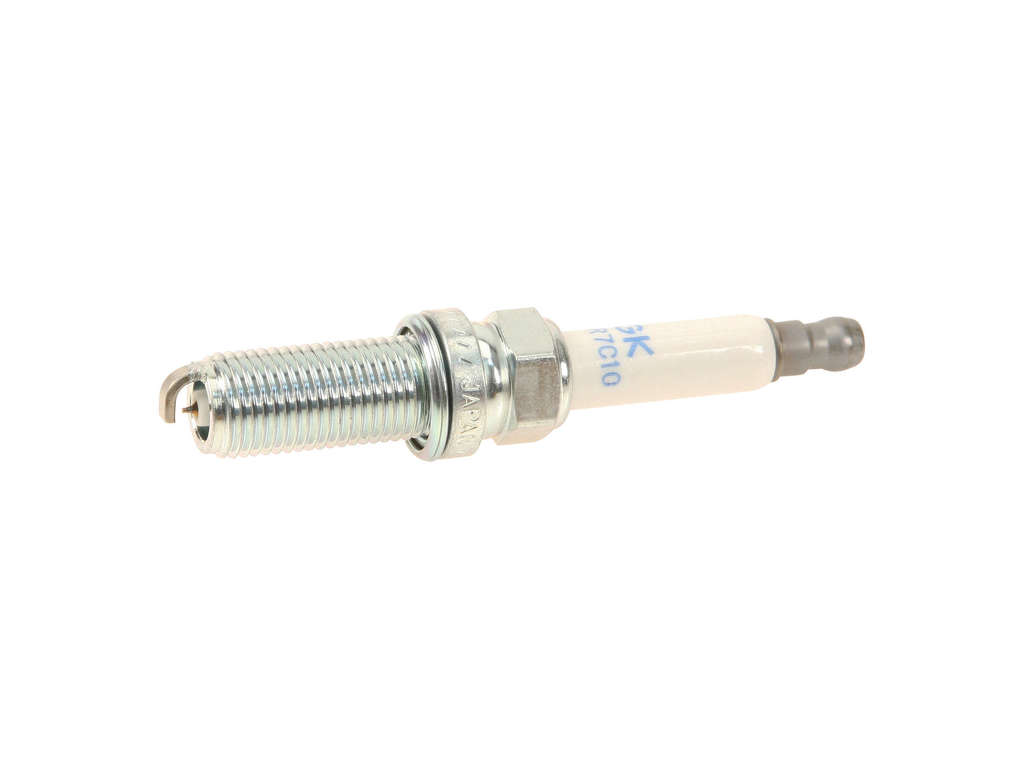
(OEM #AJ813092)— A worn or fouled spark plug cannot create a strong enough spark for proper combustion. It's a routine maintenance item and a common cause of misfires. The OEM plug is an NGK Iridium.
Trusted brands: NGK, Bosch, Denso
OEM price range: $20 - $40
Aftermarket price range: $15 - $30 - Fuel Injector
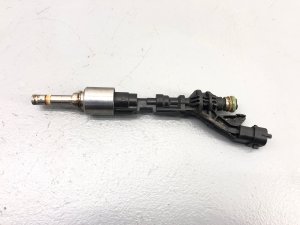
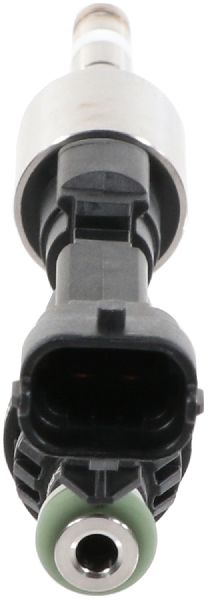
(OEM #C2D24386)— As noted in Jaguar TSB SSM63697, fuel injectors can become restricted, leading to misfires. This is the next logical part to check after ignition components.
Trusted brands: Bosch, Genuine Jaguar
OEM price range: $150 - $250
Aftermarket price range: $100 - $180
Related Codes That Often Appear With This One
- P0300 — If the misfire is intermittent or starting to affect other cylinders, a P0300 (Random/Multiple Cylinder Misfire) may be stored alongside P0306.
- P0316 — This code indicates a misfire was detected within the first 1000 engine revolutions on startup. It is often seen with specific cylinder misfire codes as noted in Jaguar TSB #JTB00533NAS1, which suggests a potential software calibration issue on cold starts.
- P1314 — This is a Jaguar-specific code for 'Misfire Rate Catalyst Damage Fault - Bank 2'. It often accompanies a specific misfire code on that bank (cylinders 2, 4, 6) and indicates the misfire is severe enough to potentially damage the catalytic converter.
Technical Service Bulletins (TSBs) & Recalls
- JTB00533NAS1: Mentions P0306 as a potential misfire code that can be stored with P0316. The cause is listed as a f
Platform-Specific Known Issues
- TSB #SSM63697 indicates that poor fuel quality or contaminants can restrict fuel injectors, leading to misfire codes like P0306. The TSB requests that dealers return faulty injectors for engineering analysis.
- TSB #JTB00533NAS1 documents that P0306 can appear alongside P0316 (misfire on startup), pointing towards a fuel injection calibration issue that can be resolved with a PCM software update if the misfire occurs only on a cold start.
Mechanic-Grade Diagnostic Values
- Low-Pressure Fuel System Pressure — expected: 60 - 106 PSI. Failure: Pressure below 60 PSI indicates a failing in-tank pump or sensor issue.
- High-Pressure Fuel System Pressure (at idle) — expected: Approximately 970 PSI, can range from 500 PSI up to 2,900-3,000 PSI under load.. Failure: Pressure that is significantly lower (e.g., 700-900 KPa) and does not increase with engine speed suggests a failing high-pressure fuel pump.
- Ignition Coil Resistance — expected: 11.4 kΩ ±10% (for Autopart Premium APIC1573). Failure: A reading outside of this range indicates a faulty coil winding.
- Injector Pulse Width (at idle) — expected: ~1.14 to ~1.24 ms. Failure: A significant deviation on one cylinder compared to others can indicate a clogged injector or a wiring issue. A slightly higher pulse width on one bank may be the PCM compensating for a lean condition.
- Engine Ground Voltage Drop (during cranking) — expected: Well under 0.5V (500mV). Failure: A reading higher than 0.5V indicates excessive resistance in the ground circuit, which can cause weak spark and other electrical issues.
Scan Tool Commands That Help
- Jaguar SDD (Symptom Driven Diagnostics): Injector Pulse Width Test — To compare the duration the PCM is holding each injector open. A significant difference on cylinder 6 could point to a failing injector or a compensation strategy for another issue on that cylinder.
- Jaguar SDD (Symptom Driven Diagnostics): Fuel Rail Pressure Test — To monitor both desired and actual high-pressure fuel rail values under various load conditions (idle, acceleration) to diagnose issues with the high-pressure pumps.
Wiring & Ground Locations
- Main Engine Ground Strap — Located directly under the starter on the right side of the car, connecting the transmission/engine to the lower frame.. A corroded or loose main engine ground can cause a weak spark across all cylinders, but can sometimes manifest as a misfire on the most vulnerable cylinder first. This is a critical check for any electrical or ignition-related fault.
- Cylinder Head Ground Points — There are multiple ground studs on the engine itself, including points behind the headlamp units that ground various engine bay circuits.. The ignition coils and injectors rely on solid ground connections. Corrosion on these studs, which is common, can create resistance and lead to intermittent or weak operation of the ignition coil or injector for cylinder 6.
- PCM Ground — The Powertrain Control Module (PCM) has its own dedicated ground wires. On some models, these are located near the PCM itself (e.g., behind kick panels or in the engine bay).. A bad ground to the PCM can cause it to misinterpret sensor data or send weak signals to the ignition coil driver, leading to a misfire code when the components themselves are fine.
Real Owner Repair Stories
- Jeep Cherokee Forum (similar OBD-II logic) (2000 Jeep Cherokee 4.0L) — P0306, skip at idle, weak spark observed on cylinder 6.
❌ Tried (didn't work) New coil and NGK plugs, Swapped fuel injector, Checked fuel pressure (48 PSI), Checked for vacuum leaks
✅ What actually fixed it A combination of cleaning all major ground connections (which provided a major improvement), replacing a worn ignition coil electrical connector, and finally replacing old O2 sensors and exhaust. The root cause was identified as weak spark due to poor grounds and a bad connector.
"I Checked Everything" — The Actual Cause
- In some cases involving misfires on one bank (e.g., P0302, P0306, P1314), a clogged catalytic converter was the root cause. The blockage created excessive backpressure, which could not be identified by a smoke test, leading to misfires on the affected bank.
OEM Part Supersession History
C2D24386→C2D45732, C2D55183— Standard part revision and updates by the manufacturer (Bosch/Jaguar).
Model Year Variations Within This Range
- 2013-2014: The 3.0L Supercharged V6 (AJ126) was introduced for the 2013 model year. It is based on the AJ133 V8 architecture but has a smaller bore and stroke and uses a balance shaft. While it shares many components like the high-pressure fuel pumps and ignition system design, some parts are specific to the V6.
- 2010-2012: Early AJ133 5.0L V8 engines were fitted with timing chain guides where the steel tensioner plunger acted directly on an aluminum surface. This design was prone to premature wear. Around 2012, the design was updated to include a steel insert on the guide to prevent wear, making later engines less susceptible to this specific failure mode.
Helpful Videos
Used OEM Parts in Stock


New Aftermarket Parts Available

The information in this article is provided for general reference and educational purposes only. Vehicle specifications, procedures, and part compatibility can vary by production date, trim level, and region. Always consult your vehicle's factory service manual and verify part numbers before purchasing or performing repairs. Safety-critical components such as airbags, seat belts, and braking systems should be installed by a qualified professional.
- Jaguar XJ:
- 🎬 Helpful Videos
- 🛍️ Shop This Part
- What's Unique About the 2010-2014 Jaguar XJ
- Diagnostic Flowchart
- Symptoms You May Notice
- Most Likely Causes
- Rare But Worth Checking
- Diagnosis Steps
- Parts You'll Likely Need
- Related Codes That Often Appear With This One
- Technical Service Bulletins (TSBs) & Recalls
- Platform-Specific Known Issues
- Mechanic-Grade Diagnostic Values
- Scan Tool Commands That Help
- Wiring & Ground Locations
- Real Owner Repair Stories
- "I Checked Everything" — The Actual Cause
- OEM Part Supersession History
- Model Year Variations Within This Range
- 🎟️ Get 5% Off