

P0306 on 2010-2017 GMC Yukon: Cylinder 6 Misfire Causes and Fixes
P0306 on a GMC Yukon indicates a misfire in cylinder #6. The most common fixes are simple ignition parts like a spark plug, wire, or ignition coil. However, these V8 engines are known for Active Fuel Management (AFM) lifter failures, a serious mechanical issue that also causes this code, often with a distinct ticking noise and a 'Service StabiliTrak' message.
- P0306 signifies a misfire on cylinder #6.
- Always start diagnosis with the simplest and cheapest parts: the spark plug, ignition coil, and spark plug wire for cylinder 6.
- A flashing check engine light is a critical warning. Stop driving to prevent expensive damage to the catalytic converter.
- Be highly aware of the common AFM lifter failure issue on these V8 engines. A persistent P0306 accompanied by a ticking engine noise strongly points to this more serious mechanical problem.
What's Unique About the 2010-2017 Gmc YUKON

The 2010-2017 Yukon spans two generations with V8 engines featuring Active Fuel Management (AFM). This system deactivates cylinders, including #6, to improve fuel economy. Unfortunately, the hydraulic lifters used for this system are a notorious weak point and are prone to collapsing or getting stuck, a fact highlighted in GM TSB 15-06-01-002E. This mechanical failure is a very common cause for a P0306 code on this platform, turning what is often a simple ignition problem on other vehicles into a potentially major engine repair, as noted in an owner complaint to the NHTSA (ODI #11350731) and countless forum discussions.
Diagnostic Flowchart
Tap your situation to follow the diagnostic path that matches what you're seeing on this vehicle.
Generation note: This range covers the end of the 3rd generation (2010-2014, GMT900) and the beginning of the 4th generation (2015-2017, K2UG). Both generations use V8 engines with Active Fuel Management (AFM) and are susceptible to lifter failure on AFM cylinders (1, 4, 6, and 7). The 2015+ models feature EcoTec3 engines with direct injection, which can also suffer from carbon buildup on intake valves, potentially causing misfires.
Symptoms You May Notice
- Flashing or solid Check Engine Light
- Rough or shaking idle
- Noticeable loss of engine power and sluggish acceleration
- Engine hesitation or stumbling
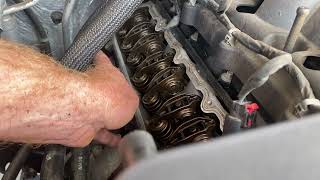
- A distinct ticking or tapping sound from the engine bay (passenger side), which may increase with RPM and is a strong indicator of a failed lifter. 🎬 See how to diagnose AFM lifter failure and ticking noises.
- Service StabiliTrak or Traction Control warning lights appearing on the dash simultaneously with the check engine light.
- Replacing oxygen sensors. O2 sensors will report the effects of a misfire, but they are almost never the cause of a single-cylinder misfire code.
- Replacing the cylinder head without replacing the lifters. As seen in a forum thread, a user replaced the head assembly but the P0306 code remained because the root cause was the collapsed lifter, not the head itself.
Most Likely Causes

- Worn Spark Plug 🔴 High Probability
How to confirm: Remove the spark plug from cylinder #6. Inspect for wear, cracks, oil, or carbon fouling. A good diagnostic step is to swap the plug with another cylinder (e.g., #4) and see if the misfire code changes to P0304.
Typical fix: Replace the spark plug. It is best practice to replace all eight plugs if they are near the end of their service life.
Est. part cost: $5-$20 per plug - Faulty Ignition Coil 🔴 High Probability
How to confirm: Swap the ignition coil from cylinder #6 with another cylinder (e.g., #4). Clear the codes and drive the vehicle. If the code returns as P0304, the ignition coil is bad.
Typical fix: Replace the faulty ignition coil.
Est. part cost: $40-$95 - Failed Active Fuel Management (AFM) Lifter 🟡 Medium Probability The AFM system used in the 5.3L and 6.2L V8s uses special lifters that are a common failure point, as detailed in GM TSB 15-06-01-002E. Cylinder #6 is one of the AFM cylinders.
How to confirm: This is often accompanied by a persistent ticking noise. After ruling out ignition and fuel issues, a mechanic may remove the valve cover to find a rocker arm that is loose or not moving, indicating a collapsed lifter. A compression test may also show low or zero compression on cylinder #6.
Typical fix: This is a major repair. It requires replacing the failed lifter(s) and often the camshaft if it was damaged. Many owners opt for a full 'AFM delete' to prevent future failures, which involves replacing the AFM lifters, valley cover, and camshaft, and reprogramming the ECU.
Est. part cost: $400-$1500 for lifter kits or AFM delete kits - Bad Spark Plug Wire 🟡 Medium Probability A GM Technical Service Bulletin (TSB #PIP4819A) specifically calls out loose spark plug wires as a potential cause for misfires on these engines.
How to confirm: Visually inspect the wire for damage, charring, or a loose connection at the coil or spark plug. Ensure it 'clicks' into place. You can test its resistance with a multimeter.
Typical fix: Replace the spark plug wire or the full set.
Est. part cost: $10-$30 for a single wire, $50-$100 for a set - Clogged or Failed Fuel Injector ⚪ Low Probability
How to confirm: After confirming spark is good, the injector is the next step. An electrical test can be done with a 'noid' light. For a more definitive test, the injector can be swapped with another cylinder to see if the misfire follows.
Typical fix: Replace the faulty fuel injector.
Est. part cost: $50-$150
Rare But Worth Checking
- Intake Manifold Gasket Leak: A vacuum leak near cylinder #6 can lean out the air/fuel mixture and cause a misfire. A smoke test is the best way to confirm a leak.
- Low Engine Compression: Beyond a failed lifter, low compression can be caused by a bent valve, worn piston rings, or a bad head gasket. A compression test will diagnose this.
- Intake Valve Carbon Buildup: Primarily an issue on the 2015+ direct-injected EcoTec3 engines. Carbon on the back of the intake valves can disrupt airflow and cause misfires. This requires manual cleaning, such as walnut blasting.
- Damaged Wiring Harness: As seen in a forum post, a coolant leak or other fluid can damage the wiring connector for the ignition coil or fuel injector, causing a circuit fault (like P0356) and a misfire.
Diagnosis Steps

- Read the code with an OBD-II scanner and note any other codes present, such as P0300 or P0206. 🎬 Watch this step-by-step troubleshooting process for a P0306 code.
- Inspect the spark plug wire for cylinder #6 for damage or a loose fit, per TSB #PIP4819A. Ensure it is fully seated.
- Swap the ignition coil from cylinder #6 with an adjacent cylinder (like #4). Clear the codes and drive. If the code changes to P0304, the coil is bad.
- If the code remains P0306, swap the spark plug from cylinder #6 to cylinder #4. If the code changes to P0304, the spark plug is bad.
- Listen for a distinct ticking/tapping noise from the passenger side of the engine, which is a strong indicator of a failed AFM lifter.
- If ignition components are good, test the fuel injector circuit with a noid light or swap the injector with another cylinder.
- If all else fails, perform an engine compression test on cylinder #6. A low reading points to a mechanical issue.
- For a suspected lifter issue, remove the passenger-side valve cover and have an assistant crank the engine. Observe the rocker arms for cylinder #6. If they are not moving or are moving significantly less than others, a lifter has failed.
Parts You'll Likely Need

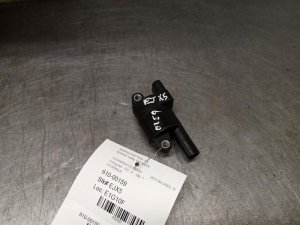
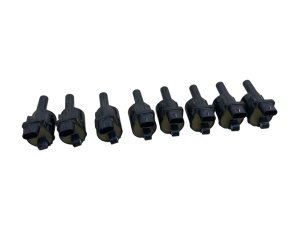
- Ignition Coil
(OEM #12611424, D510C)— A common failure item causing a lack of spark. Easy to diagnose by swapping cylinders.
Trusted brands: ACDelco, Delphi
OEM price range: $60-$95
Aftermarket price range: $30-$60 - Spark Plug
(OEM #41-110 (for Gen IV 5.3/6.2L), 41-162 (for Gen V 5.3L EcoTec3))— Spark plugs are a routine maintenance item and can foul or wear out, causing a weak or inconsistent spark.
Trusted brands: ACDelco, NGK
OEM price range: $8-$15
Aftermarket price range: $5-$10 - Active Fuel Management (AFM) Lifter Kit — A collapsed or stuck AFM lifter is a very common mechanical failure on these engines that directly causes a P0306 misfire. The repair involves replacing all AFM lifters on at least one bank.
Trusted brands: ACDelco, General Motors, Texas Speed & Performance (for delete kits)
OEM price range: $400-$800
Aftermarket price range: $250-$500 - Spark Plug Wire Set — Loose or damaged wires can prevent spark from reaching the plug, a known issue cited in a TSB.
Trusted brands: ACDelco, MSD
OEM price range: $60-$110
Aftermarket price range: $40-$80
Related Codes That Often Appear With This One
- P0300 — If the misfire is intermittent or starting to affect other cylinders, a P0300 (Random Misfire) may be stored alongside P0306. This is common with AFM lifter issues.
- P0206 — This code indicates a fault in the fuel injector circuit for cylinder #6. If seen with P0306, it strongly points to a problem with the injector or its wiring.
- P0356 — Indicates a fault in the ignition coil primary or secondary circuit for cylinder #6. This points to an electrical issue with the coil or its wiring harness, not just the coil itself.
Technical Service Bulletins (TSBs) & Recalls
- Notes that a loose spark plug wire can cause misfire codes P0300-P0308 and advises technicians to inspect the wire's fitment at both the spark plug and ignition coil.
- A critical TSB addressing engine misfire (P0300) and ticking noises on 2014+ 5.3L and 6.2L engines. It identifies the cause as a mechanically collapsed or stuck AFM lifter, potentially due to oil aeration. It provides diagnostic procedures, including checking for valve movement, and instructs technicians to replace the lifters on the affected bank and inspect the camshaft for damage.
Platform-Specific Known Issues
- AFM Lifter Failure: This is the most significant issue. The lifters designed to deactivate cylinders (1, 4, 6, and 7) are prone to failure. A collapsed lifter on cylinder #6 is a direct cause of P0306 and is often identified by a ticking noise. An owner complaint to the NHTSA (ODI #11350731) specifically mentions a P0306 code being diagnosed as a failed lifter.
Mechanic-Grade Diagnostic Values
- Ignition Coil Primary Resistance (Gen IV) — expected: 0.6-0.7 ohms. Failure: Significantly higher or lower reading indicates a faulty coil winding.
- Ignition Coil Secondary Resistance (Gen IV) — expected: 5,000-10,500 ohms. Failure: A reading outside this range suggests a break or short in the secondary coil winding.
- Fuel Injector Resistance (Gen IV Port Injection) — expected: ~13.5 ohms. Failure: A significantly different reading points to an electrical failure within the injector coil.
- Fuel Pressure (Gen IV, engine running) — expected: 42-60 PSI. Failure: Pressure below this range indicates a weak fuel pump or faulty regulator.
- Fuel Pressure (Gen V Direct Injection, cranking) — expected: 300-400 PSI. Failure: Low pressure during cranking on a direct injection engine can indicate a problem with the high-pressure fuel pump.
- Engine Compression — expected: 100-150 PSI (and consistent across cylinders). Failure: Low or zero compression on cylinder #6 points to a mechanical failure like a stuck valve, bad piston rings, or a failed lifter.
Hidden / Shadow Codes Worth Checking
- Mode $06 Misfire Counters: This is not a specific code but a data stream accessible with advanced scan tools. It shows the raw count of misfires detected on each cylinder, even if the count isn't high enough to set a P030X code. It can reveal intermittent misfires or confirm the severity on cylinder 6. (see via Use a professional scan tool (like a GM Tech 2, GDS2, or high-end Autel/Snap-on) and navigate to the OBD-II Mode $06 data.)
Scan Tool Commands That Help
- GDS2 / Tech2: Active Fuel Injector Test (AFIT) / Injector Balance Test — Use this after ruling out spark issues. This function commands each injector to fire and measures the fuel pressure drop. If cylinder #6 shows little to no pressure drop compared to others, it confirms a clogged or failed injector.
- GDS2 / Tech2: Cylinder Deactivation / AFM Solenoid Test — When an AFM lifter failure is suspected, this command allows the technician to manually activate the Valve Lifter Oil Manifold (VLOM) solenoid for the bank containing cylinder 6. This helps determine if the failure is electrical (solenoid, wiring) or mechanical (lifter).
- GDS2: Camshaft Position Actuator System Test — In some cases, particularly on Gen V engines, a stuck camshaft phaser can cause misfire-like symptoms. This command cycles the phaser solenoid to see if it's stuck, which can be a diagnostic step before checking for mechanical timing issues.
Wiring & Ground Locations
- G102 — Located at the left rear of the engine.. This is the primary ground point for all eight ignition coils. A loose or corroded connection here could cause weak spark and misfires on multiple cylinders, including #6.
- G103 / G104 — Located on the engine block, often near the thermostat housing or on the rear of the passenger-side cylinder head.. These grounds are critical for the Engine Control Module (ECM) and various sensors. A poor connection at G103 or G104 can cause erratic sensor readings and incorrect ECM calculations, potentially leading to misfire codes.
- Cylinder 6 Ignition Coil Connector — Passenger side of the engine, third coil from the front.. This is the direct electrical connection to the coil. The pins should be checked for corrosion or damage, especially if a P0356 (Ignition Coil Circuit Fault) is also present.
Real Owner Repair Stories
- Tahoe Yukon Forum (2008 Chevrolet Tahoe 5.3L (Similar GMT900 platform and AFM V8 architecture)) — Flashing check engine light, Service StabiliTrak message, P0306 code, and an audible knock/tick from the cylinder 6 area.
❌ Tried (didn't work) Replaced spark plugs and wires, Swapped ignition coil to another cylinder, Replaced the fuel injector for cylinder 6, Replaced the entire cylinder head assembly after observing no valve movement
✅ What actually fixed it The root cause was a collapsed AFM lifter on cylinder #6. The new cylinder head did not fix the problem because the lifter, which is in the engine block, was the actual failed component. The final repair required replacing the lifter.
OEM Part Supersession History
12645725→12740071— This is a common supersession for the Active Fuel Management (AFM) valve lifter. GM often updates part numbers to reflect design improvements aimed at increasing durability and preventing the common failure modes.12571609→N/A— This is the part number for the Valve Lifter Oil Manifold (VLOM), which directs oil to the AFM lifters. It is highly recommended to replace the VLOM when replacing failed lifters, as a faulty manifold can cause oil pressure issues that lead to repeat lifter failure.
Model Year Variations Within This Range
- 2010-2014 (Gen IV): These models use the LC9 (5.3L) or L94 (6.2L) engines with traditional port fuel injection. Misfire diagnosis is slightly simpler, focusing on spark, fuel at the port, and mechanical issues like AFM lifters.
- 2015-2017 (Gen V): These models use the EcoTec3 L83 (5.3L) or L86 (6.2L) engines with direct injection. This introduces new potential causes for P0306, including failing high-pressure fuel pumps, clogged direct injectors, and significant carbon buildup on the back of intake valves, which can disrupt airflow into cylinder #6.
Helpful Videos
Used OEM Parts in Stock

New Aftermarket Parts Available


The information in this article is provided for general reference and educational purposes only. Vehicle specifications, procedures, and part compatibility can vary by production date, trim level, and region. Always consult your vehicle's factory service manual and verify part numbers before purchasing or performing repairs. Safety-critical components such as airbags, seat belts, and braking systems should be installed by a qualified professional.
- Gmc YUKON:
- 🎬 Helpful Videos
- 🛍️ Shop This Part
- What's Unique About the 2010-2017 Gmc YUKON
- Diagnostic Flowchart
- Symptoms You May Notice
- Most Likely Causes
- Rare But Worth Checking
- Diagnosis Steps
- Parts You'll Likely Need
- Related Codes That Often Appear With This One
- Technical Service Bulletins (TSBs) & Recalls
- Platform-Specific Known Issues
- Mechanic-Grade Diagnostic Values
- Hidden / Shadow Codes Worth Checking
- Scan Tool Commands That Help
- Wiring & Ground Locations
- Real Owner Repair Stories
- OEM Part Supersession History
- Model Year Variations Within This Range
- 🎟️ Get 5% Off