

P0306 on 2019-2023 Dodge Challenger: Cylinder 6 Misfire Causes and Fixes
P0306 on a Dodge Challenger indicates a misfire in cylinder #6. The most common culprits are a faulty ignition coil or a worn-out spark plug. A DIY-friendly coil swap between cylinders is a quick way to diagnose the issue. Expect to pay $40-$90 for a new coil and under $20 for a spark plug. On HEMI V8s, be alert for a ticking noise, as this code can be an early sign of lifter/camshaft failure.
- P0306 is a misfire on cylinder #6, most often caused by a bad ignition coil or spark plug.
- A simple diagnostic is to swap the ignition coil from cylinder 6 to another cylinder and see if the misfire code follows.
- Do not ignore a flashing check engine light, as it signals a severe misfire that can damage your catalytic converter.
- On HEMI V8 models, listen for any ticking noises, as P0306 could be an early warning of a more serious lifter and camshaft problem.
- Cylinder #6 is on the driver's side of the engine for both V6 and V8 models.
What's Unique About the 2019-2023 Dodge CHALLENGER
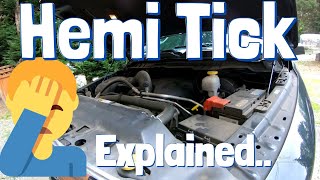
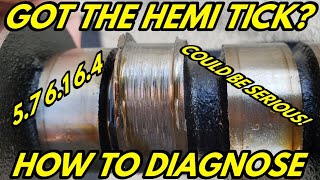
For the 2019-2023 Dodge Challenger, a P0306 code is a straightforward misfire code applicable to all its engine options, from the 3.6L V6 to the various HEMI V8s. While the most common causes like coils and plugs are universal, on the HEMI V8 engines (5.7L, 6.4L, 6.2L), this code can sometimes be an early symptom of a more serious and known issue: camshaft and lifter failure due to issues with the Multi-Displacement System (MDS). Owners should pay close attention to any accompanying ticking or knocking noises on V8 models 🎬 Watch: How to diagnose the cause of a HEMI tick., as this can escalate from a simple misfire code to a major engine repair.
Diagnostic Flowchart
Tap your situation to follow the diagnostic path that matches what you're seeing on this vehicle.
Symptoms You May Notice
- Rough or vibrating idle.
- Hesitation or stumbling during acceleration.
- Noticeable loss of engine power.
- Flashing or solid Check Engine Light.
- Possible fuel smell from the exhaust.
- Audible ticking or tapping sound from the engine, especially on HEMI V8s.
- Replacing oxygen sensors, as a misfire can affect O2 sensor readings, but the sensor itself is rarely the root cause of a single-cylinder misfire.
- Replacing the catalytic converter when it has been damaged by a long-term misfire, without first fixing the misfire's source.
Most Likely Causes
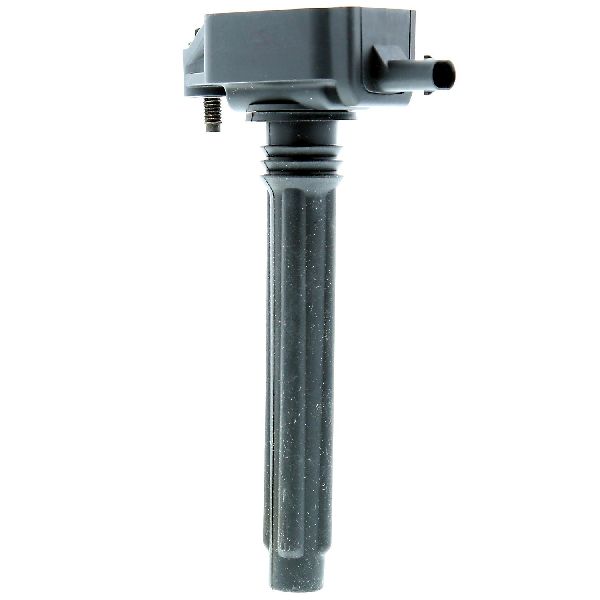
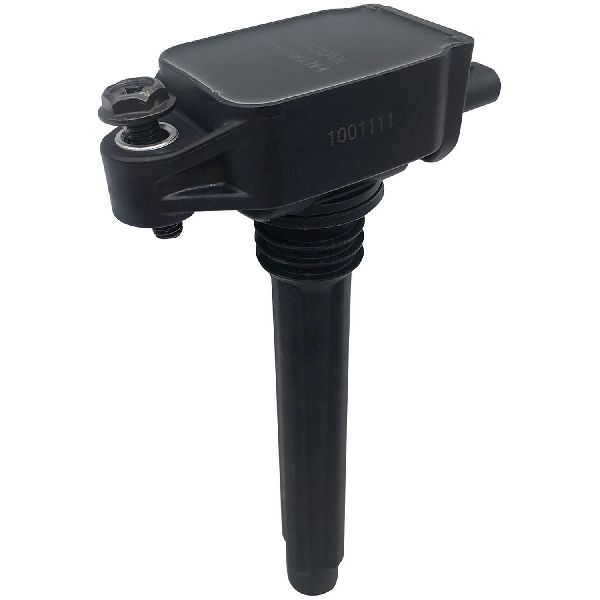
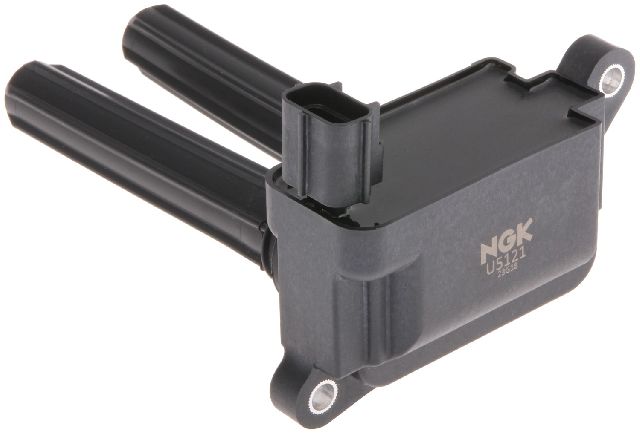
- Faulty Ignition Coil 🔴 High Probability Coil-on-plug systems are common failure points due to constant exposure to high engine temperatures and vibration. Corrosion on the coil pack contacts can also lead to a weak or intermittent connection.
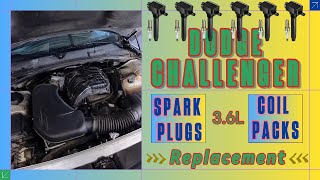
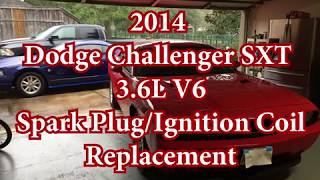
How to confirm: Swap the ignition coil from cylinder #6 with another cylinder (e.g., cylinder #4 on the same bank). Clear the codes and drive the vehicle. If the code changes to P0304, the ignition coil is faulty. This is the most common and effective first diagnostic step.
Typical fix: Replace the faulty ignition coil. It's often recommended to replace the corresponding spark plug at the same time.
Est. part cost: $40 - $90 - Worn or Fouled Spark Plug 🔴 High Probability
How to confirm: After confirming the coil is good, remove the spark plug from cylinder #6. Inspect it for wear (worn electrode), carbon fouling, oil, or physical damage. HEMI engines have two plugs per cylinder, both should be inspected.
Typical fix: Replace the spark plug(s) for cylinder #6. It is best practice to replace all spark plugs at once for even performance, especially if they are near their service interval.
Est. part cost: $5 - $20 per plug - Faulty Fuel Injector 🟡 Medium Probability
How to confirm: Listen to the injector with a mechanic's stethoscope; it should make a consistent clicking sound. You can also test the injector's resistance with a multimeter or use a 'noid light' to check if it's receiving an electrical pulse from the ECM. A P0206 code (Injector Circuit Fault) strongly points to a bad injector or wiring.
Typical fix: Replace the faulty fuel injector. One owner documented this exact fix on YouTube after experiencing P0300, P0306, and P0206.
Est. part cost: $70 - $130 - Intake Manifold Gasket Leak ⚪ Low Probability
How to confirm: With the engine running, spray brake cleaner or starting fluid near the intake manifold gasket for cylinder #6. If the engine RPM changes, a vacuum leak is present. A smoke test is a more definitive and safer way to find the leak.
Typical fix: Replace the intake manifold gaskets.
Est. part cost: $30 - $80
Rare But Worth Checking
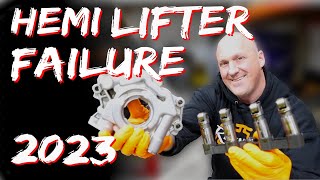
- Camshaft/Lifter Failure (HEMI V8 Engines): On 5.7L, 6.2L, and 6.4L HEMI engines, a persistent P0306 accompanied by a ticking or knocking sound (the 'HEMI tick') is a strong indicator of a collapsed MDS lifter and subsequent camshaft lobe damage. The roller bearing on the lifter fails, seizes, and grinds down the cam lobe, preventing the valve from opening fully. This is a significant mechanical failure requiring extensive repair, including replacement of the camshaft and all lifters. A Reddit thread includes a video of the distinct sound of this failure.
- Low Engine Compression: A mechanical issue like a burnt valve, worn piston rings, or a damaged head gasket can cause low compression in the cylinder, leading to a misfire. A compression test or cylinder leak-down test is needed to diagnose this.
- Pentastar Cylinder Head (2011-2013 3.6L V6): Though outside the specified vehicle year range, it's worth noting that early 3.6L Pentastar engines had a known issue with the left cylinder head (containing cylinders 2, 4, and 6) that could cause misfires. Chrysler extended the warranty for this issue (X56). While less likely on 2019+ models, a persistent P0306 on a high-mileage V6 could still point to a valve train issue.
Diagnosis Steps
- Confirm the code P0306 is present using an OBD-II scanner and check for any other codes, especially P0300 or P0206.
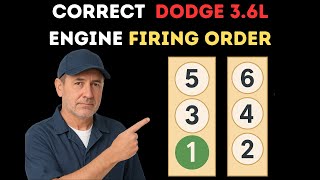
- Identify the location of cylinder #6. On the 3.6L V6, it is the rearmost cylinder on the passenger's side (Bank 2). On HEMI V8 engines (5.7L, 6.4L, etc.), it is the middle cylinder on the passenger's side (Bank 2).
- Swap the ignition coil from cylinder #6 with an easily accessible cylinder on the same bank (e.g., cylinder #4). Clear the codes, run the engine, and see if the misfire code 'moves' to the new cylinder (e.g., P0304). If it does, the coil is bad.
- If the misfire remains on cylinder #6, inspect the spark plug(s). Look for wear, fouling, or damage. Replace if necessary. Remember HEMI engines have two plugs per cylinder.
- If the coil and plug are good, check the fuel injector. Listen for a steady clicking sound. Test the electrical connector with a noid light to ensure it's getting a signal from the ECM.
- For HEMI V8s, listen carefully at idle for a distinct ticking or knocking sound. If present, suspect a potential lifter/camshaft issue. A professional diagnosis may involve removing the valve cover to inspect for play in the rocker arms or checking the oil control valve screen for metal debris.
- If ignition, fuel, and the V8-specific issues seem okay, perform a compression test on cylinder #6 to rule out internal mechanical problems like bad valves or piston rings.
Parts You'll Likely Need
- Ignition Coil
(OEM #HEMI V8: 68238603AA; 3.6L V6: 5149168AJ (replaces 5149168AI))— This is the most common failure part for a single-cylinder misfire. It's responsible for generating the spark.
Trusted brands: Mopar, Bosch, NGK, MSD, Accel
OEM price range: $70 - $100
Aftermarket price range: $40 - $80 - Spark Plug
(OEM #SP143877AB (Varies by engine))— Spark plugs are a routine maintenance item that wear out over time, causing a weak or nonexistent spark.
Trusted brands: Mopar, NGK, Champion
OEM price range: $10 - $25
Aftermarket price range: $5 - $15 - Fuel Injector
(OEM #05039043AA (Varies by engine))— A clogged or electrically failed fuel injector will prevent the correct amount of fuel from entering the cylinder, causing a misfire.
Trusted brands: Mopar, Bosch, Standard Motor Products
OEM price range: $100 - $150
Aftermarket price range: $60 - $110
Related Codes That Often Appear With This One
- P0300 — If the misfire is severe or intermittent, the system may first log a 'Random/Multiple Misfire' code before isolating it to cylinder 6.
- P0206 — This code indicates a fault in the 'Cylinder 6 Injector Circuit', pointing directly to an electrical problem with the fuel injector or its wiring, which would cause a P0306 misfire.
Technical Service Bulletins (TSBs) & Recalls
- 18-035-26: Lists P0306 as Cylinder 6 Misfire among other engine codes.
- 1400322REVA: Defines P0306 as Cylinder 6 Misfire and notes symptoms like rough idle.
- S2008000135: Directly links DTC P0306 Cylinder Number Six Misfire with a rough running engine.
Platform-Specific Known Issues
- On HEMI V8 engines (5.7L, 6.4L, 6.2L), a persistent misfire code like P0306 can be an indicator of a failing MDS (Multi-Displacement System) lifter, which can lead to camshaft damage. This is often accompanied by a distinct 'HEMI tick' that sounds like a loud, rhythmic tapping at idle. Failure of the lifter's roller bearing causes it to grind against the camshaft lobe, reducing valve lift and leading to a misfire, especially under load.
Mechanic-Grade Diagnostic Values
- Fuel Injector Resistance (3.6L Pentastar V6) — expected: 12.0 - 12.5 Ohms. Failure: A reading significantly outside this range, or an open circuit (OL), indicates a faulty injector coil winding.
- Fuel Injector Resistance (5.7L/6.1L HEMI V8) — expected: Approximately 12.0 to 14.8 Ohms. Failure: A reading outside this range suggests a faulty injector. Note that different OEM and aftermarket injectors can have slightly different specs.
- Ignition Coil Primary Resistance (General) — expected: 0.4 - 2.0 Ohms. Failure: A reading outside this range indicates a problem with the primary coil winding.
- Ignition Coil Secondary Resistance (General) — expected: 6,000 - 10,000 Ohms (6k - 10k Ω). Failure: A reading outside this range points to a failure in the secondary coil winding.
Hidden / Shadow Codes Worth Checking
- Mode 6 Misfire Counter (e.g., Test ID $A2, Component ID $06): This is not a DTC but live data accessible via a professional scan tool. It provides a running count of misfire events per cylinder, even those not yet frequent enough to trigger a P0306 code. It is invaluable for confirming which cylinder is the problem and verifying a repair is successful. (see via Professional OBD-II scanner with Mode 6 data capability.)
Scan Tool Commands That Help
- wiTECH or equivalent professional scanner: Cylinder Power Balance Test — This bidirectional test should be used when the misfire is felt but the cause isn't obvious from a coil swap. The tool deactivates each cylinder one by one and measures the drop in engine RPM. If disabling cylinder #6 causes a much smaller RPM drop than other cylinders, it confirms cylinder #6 is not contributing its share of power.
- wiTECH or equivalent professional scanner: ASD Relay Actuation — When diagnosing a potential electrical issue affecting the ignition coil or fuel injector. Actuating the Auto Shutdown (ASD) relay allows a technician to safely test for power on the ASD output circuit (e.g., F142) at the coil and injector connectors without the engine running.
Wiring & Ground Locations
- (K10) Coil Control No. 6 Circuit — This is the signal wire running from the Powertrain Control Module (PCM) to the ignition coil for cylinder #6.. If the coil and spark plug are good, a technician would use a noid light or oscilloscope on this circuit's connector pin to verify the PCM is actually sending the command to fire. A lack of signal points to a wiring issue or a failed PCM driver.
Real Owner Repair Stories
- Reddit user on r/AskMechanics (Vehicle with 3.6L Pentastar engine) — Engine would not idle, stalled repeatedly. Pending code for Bank 1 rich.
❌ Tried (didn't work) Replacing all six spark plugs., Testing ignition coils (all were within spec)., Disconnecting the O2 sensor to force a default fuel map.
✅ What actually fixed it The user tested the resistance of the three fuel injectors on the problematic bank. The spec was 12-16 Ohms. Two injectors read out of spec (11.4 and 11.8 Ohms). Replacing the two faulty injectors resolved the issue.
"I Checked Everything" — The Actual Cause
- In cases involving HEMI V8 engines, a technician may perform a full diagnostic for common causes—swapping coils, replacing plugs, testing injectors, and running a smoke test for vacuum leaks—and find no faults. If a persistent P0306 remains, especially with an audible ticking sound, the root cause is often the mechanical failure of an MDS lifter and subsequent damage to the camshaft lobe. These standard tests will not identify this internal engine problem.
OEM Part Supersession History
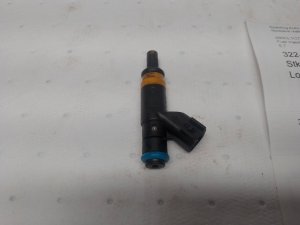
5149168AI→5149168AJ— Standard revision and improvement by the manufacturer for the 3.6L V6 ignition coil.5037479 (Orange-band)→Siemens DEKA (Purple-band)— The original OEM orange-band fuel injectors for HEMI engines became unavailable. The purple-band injector is offered as a direct OEM-spec replacement.
Heads up: While a direct replacement, it is always best practice to replace fuel injectors in a full set to ensure they are flow-matched.
Model Year Variations Within This Range
- 2019-2023: The core engine architecture for the 3.6L V6, 5.7L HEMI, and 6.4L HEMI remained consistent throughout this period. Diagnostic procedures for a P0306 code do not change significantly between these model years. The primary variations were special edition packages (e.g., 'Last Call' for 2023) which were mostly cosmetic and did not alter the fundamental mechanical or electrical systems related to this code.
Helpful Videos
![How to Fix DODGE P0306 Engine Code in 3 Minutes [2 DIY Methods / Only $4.76]](https://img.youtube.com/vi/VB1MufzPfos/mqdefault.jpg)
Used OEM Parts in Stock




New Aftermarket Parts Available

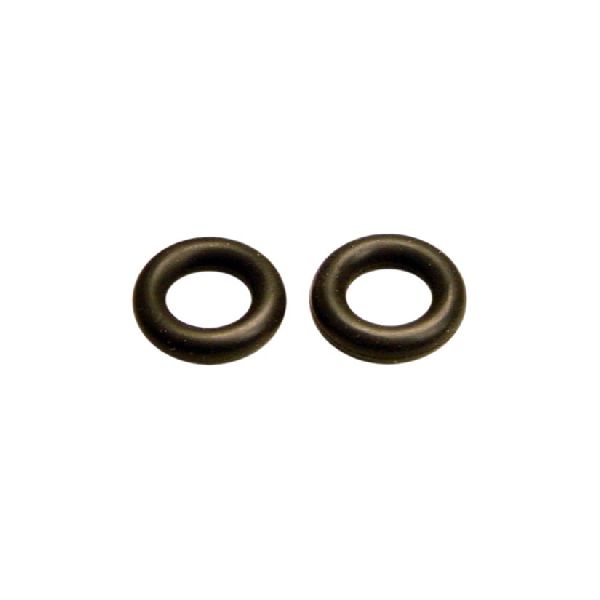

The information in this article is provided for general reference and educational purposes only. Vehicle specifications, procedures, and part compatibility can vary by production date, trim level, and region. Always consult your vehicle's factory service manual and verify part numbers before purchasing or performing repairs. Safety-critical components such as airbags, seat belts, and braking systems should be installed by a qualified professional.
- Dodge CHALLENGER:
- 🎬 Helpful Videos
- 🛍️ Shop This Part
- What's Unique About the 2019-2023 Dodge CHALLENGER
- Diagnostic Flowchart
- Symptoms You May Notice
- Most Likely Causes
- Rare But Worth Checking
- Diagnosis Steps
- Parts You'll Likely Need
- Related Codes That Often Appear With This One
- Technical Service Bulletins (TSBs) & Recalls
- Platform-Specific Known Issues
- Mechanic-Grade Diagnostic Values
- Hidden / Shadow Codes Worth Checking
- Scan Tool Commands That Help
- Wiring & Ground Locations
- Real Owner Repair Stories
- "I Checked Everything" — The Actual Cause
- OEM Part Supersession History
- Model Year Variations Within This Range
- 🎟️ Get 5% Off