

P0306 on 2010-2012 Chevrolet Colorado 5.3L V8: Cylinder 6 Misfire Causes and Fixes
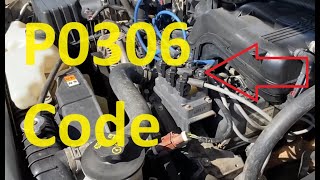
On a 2010-2012 Colorado with the 5.3L V8, a P0306 code indicates a misfire in cylinder #6. The most common causes are a faulty ignition coil, a worn-out spark plug, or a loose spark plug wire. A more serious, but common, cause on this specific engine is a failed Active Fuel Management (AFM) lifter. A DIY fix for basic ignition parts typically costs between $50 and $150.
- P0306 on a 2010-2012 Colorado means you have the 5.3L V8 and cylinder #6 is misfiring.
- The most likely causes are a bad ignition coil, a worn/fouled spark plug, or a loose spark plug wire.
- A quick and free diagnostic is to swap the cylinder #6 ignition coil with another cylinder's coil to see if the misfire code follows it.
- Check that the spark plug wire is fully seated on both ends, as noted in a GM service bulletin.
- Do not ignore a flashing check engine light, as it signals a severe misfire that can quickly ruin your expensive catalytic converter.
What's Unique About the 2010-2012 Chevrolet COLORADO
The 2010-2012 Colorado with the 5.3L V8 is a relatively uncommon but potent combination. While ignition component failure is a common cause for misfires on any vehicle, General Motors issued a specific Technical Service Bulletin (TSB #PIP4819A) for the 2010 model year highlighting that loose spark plug wires could be a direct cause of misfire codes, including P0306. This makes checking the wire connections a critical first step. Additionally, the 5.3L V8 in these trucks (engine code LH9) is known for potential oil consumption issues and lifter failure related to the Active Fuel Management (AFM) system. Cylinder #6 is one of the AFM-controlled cylinders (along with 1, 4, and 7), making it susceptible to misfires caused by a collapsed or stuck lifter, which is a significant and costly repair.
Diagnostic Flowchart
Tap your situation to follow the diagnostic path that matches what you're seeing on this vehicle.
Symptoms You May Notice
- Engine shaking or vibrating, especially at idle
- Flashing or solid Check Engine Light
- Noticeable loss of power and sluggish acceleration
- Rough idling
- Hesitation or stumbling when pressing the gas pedal
- Reduced fuel economy
- A smell of raw fuel from the exhaust
- A distinct ticking or tapping sound from the engine, which often points to a failed AFM lifter
- "Service StabiliTrak" message appearing on the dashboard along with the CEL
- Replacing the oxygen sensors before diagnosing the misfire. A misfire can cause O2 sensor codes, but a bad O2 sensor will not cause a single-cylinder misfire code like P0306.
- Replacing the catalytic converter. A misfire will destroy a catalytic converter over time, but a failing converter is the result, not the cause, of the P0306 code.
Most Likely Causes
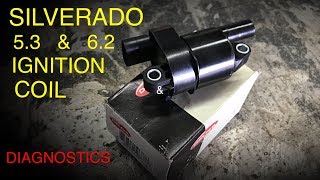
- Faulty Ignition Coil 🔴 High Probability The coil-on-plug design exposes the coils to significant heat and vibration, leading to eventual failure. This is a very common failure point for single-cylinder misfires on GM V8 engines.
How to confirm: Swap the ignition coil from cylinder #6 with another cylinder (e.g., cylinder #4 on the same bank). Clear the codes and drive. If the code changes to P0304, the ignition coil is bad.
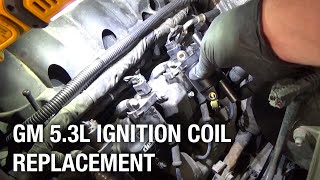
Typical fix: Replace the faulty ignition coil. 🎬 See this quick walkthrough for replacing a GM ignition coil. It's good practice to replace the spark plug at the same time.
Est. part cost: $40-$90 - Worn or Fouled Spark Plug 🔴 High Probability Spark plugs are a regular maintenance item. On the 5.3L V8, oil consumption from the AFM system can cause spark plugs in affected cylinders (including #6) to become fouled with oil or carbon deposits, leading to a weak or non-existent spark.
How to confirm: Remove the spark plug from cylinder #6 and inspect it for wear on the electrode, cracks in the porcelain, or heavy oil/carbon fouling. The original ACDelco 41-110 plugs have been superseded by 41-162, though some owners report better performance with the older 41-110 spec.
Typical fix: Replace the spark plug. It is highly recommended to replace all 8 spark plugs as a set to ensure even performance.
Est. part cost: $10-$25 per plug - Loose or Damaged Spark Plug Wire 🟡 Medium Probability A GM Technical Service Bulletin (TSB #PIP4819A) specifically calls out loose spark plug wires as a cause for misfires on 2010 models. Wires can also degrade from heat over time or get damaged during other repairs.
How to confirm: Visually inspect the spark plug wire for cylinder #6. Ensure it is firmly seated on both the ignition coil and the spark plug. Check for any signs of arcing (white marks) or physical damage.
Typical fix: Reseat the loose wire or replace the entire set of 8 spark plug wires if they are old or damaged.
Est. part cost: $50-$100 for a set - Clogged or Faulty Fuel Injector ⚪ Low Probability
How to confirm: Listen to the injector with a mechanic's stethoscope for a consistent clicking sound. You can also test the injector's electrical circuit with a 'noid light' to see if it's receiving a pulse from the ECM. Swapping the injector with another cylinder is also possible but more labor-intensive.
Typical fix: Replace the faulty fuel injector for cylinder #6. Sometimes, running a high-quality fuel system cleaner like Techron for a couple of tanks can resolve a minor clog.
Est. part cost: $60-$150
Rare But Worth Checking
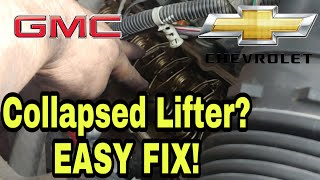
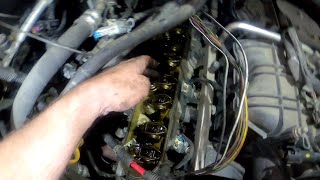
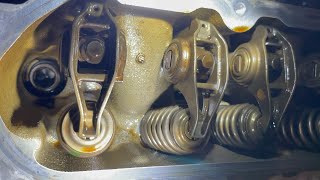
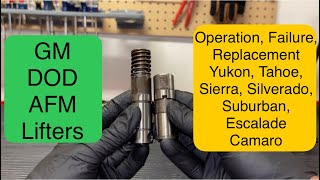
- Failed AFM Lifter: The 5.3L V8 is known for issues with the Active Fuel Management (AFM) lifters. Since cylinder #6 is an AFM cylinder, a collapsed or stuck lifter is a significant and relatively common cause of a P0306 code on this engine. This failure prevents the valve from opening, causing a complete lack of compression and combustion. It is usually accompanied by a distinct ticking or tapping noise from the valve cover area. This is a major repair that requires removing the cylinder head. 🎬 Watch: How to diagnose and replace a collapsed AFM lifter.
- Intake Manifold Gasket Leak: A vacuum leak from a failed intake manifold gasket near the port for cylinder #6 can lean out the air/fuel mixture enough to cause a misfire. This may also be accompanied by a P0171 or P0174 lean code. A smoke test is the most effective way to confirm this type of leak.
- Low Engine Compression: This is a worst-case scenario indicating an internal mechanical problem, such as a bad valve, worn piston rings, or a head gasket failure. A failed AFM lifter is a common cause of low compression on this specific cylinder. A compression test is needed to confirm this.
Diagnosis Steps
- Read the code with an OBD-II scanner to confirm P0306 and check for any other codes.
- Listen for an audible ticking noise from the engine bay. A distinct tick from the passenger side valve cover area strongly suggests a potential AFM lifter issue, which is more serious than a simple ignition problem.
- Locate cylinder #6. On the 5.3L V8, it is the third cylinder back on the passenger side of the engine.
- Inspect the spark plug wire for cylinder #6. Per TSB #PIP4819A, ensure it is securely connected at both the ignition coil and the spark plug.
- Swap the ignition coil from cylinder #6 with the coil from cylinder #4 (front cylinder on the passenger side). Clear the codes and drive the truck. If the code returns as P0304, the ignition coil is faulty and needs replacement.
- If the code remains P0306, remove the spark plug from cylinder #6. Inspect it for damage, wear, or fouling (especially oil or carbon). If it looks questionable, replace it. It's best to replace all eight plugs at once.
- If the coil and plug are good, inspect the fuel injector. Listen for a steady clicking sound. Check the wiring and connector for damage.
- If the simple ignition and fuel components check out, the problem may be more severe. Perform a compression test on cylinder #6. A very low or zero reading points towards a mechanical issue, most likely a failed AFM lifter.
- If compression is low, the next step is to remove the valve cover to visually inspect the valve train for lack of movement on the cylinder #6 rockers, confirming a collapsed lifter.
Parts You'll Likely Need
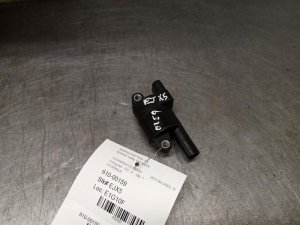
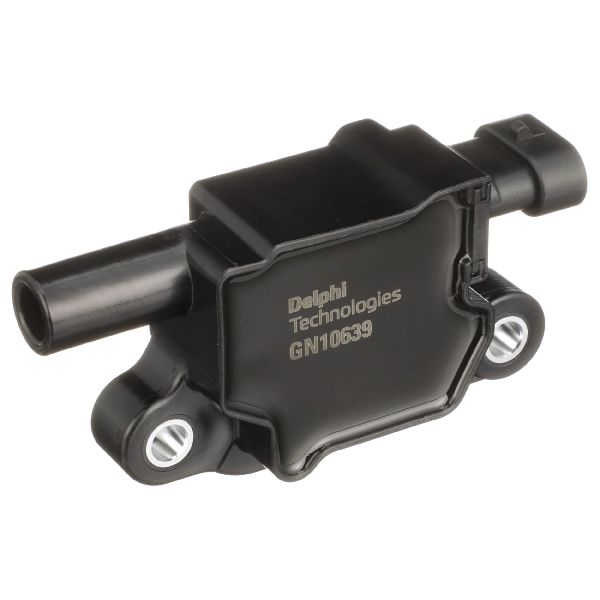
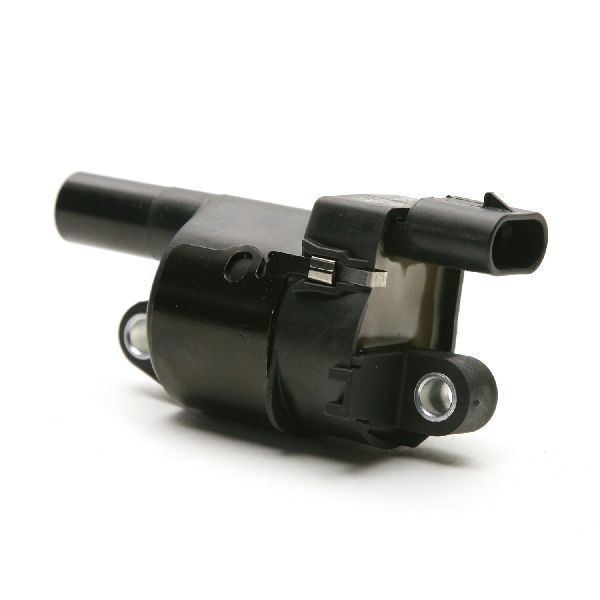
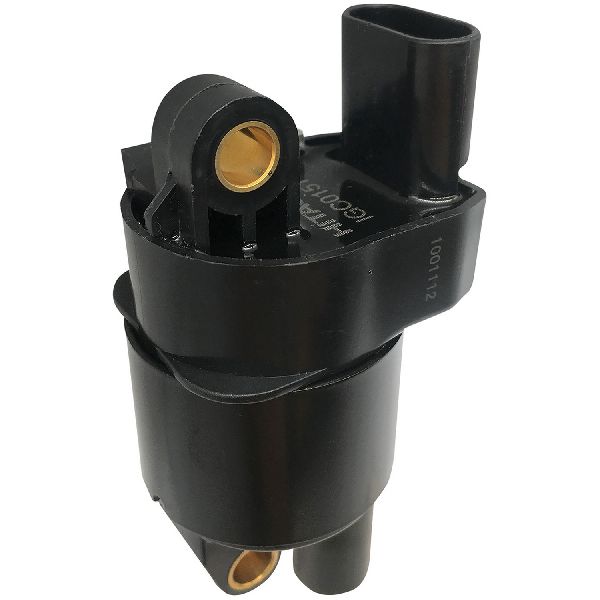
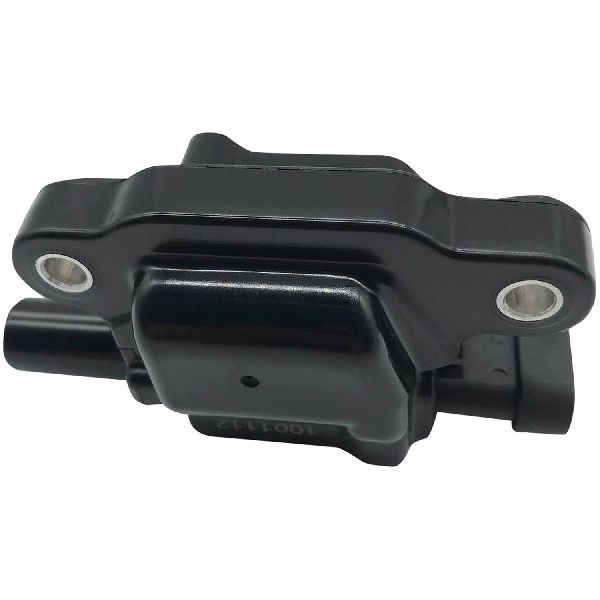
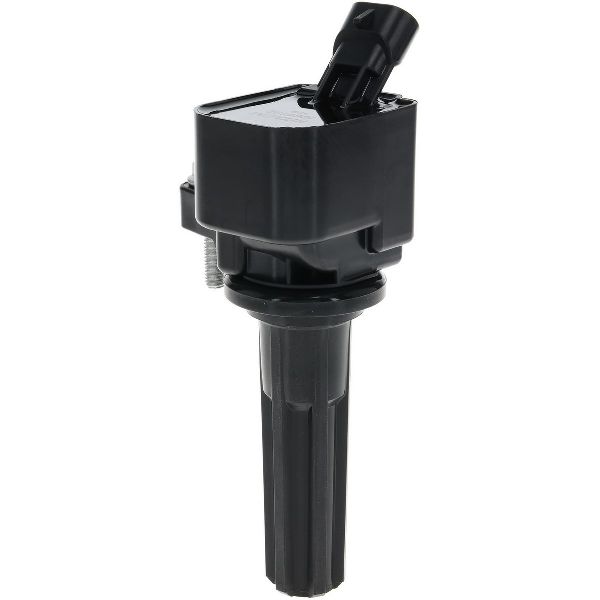
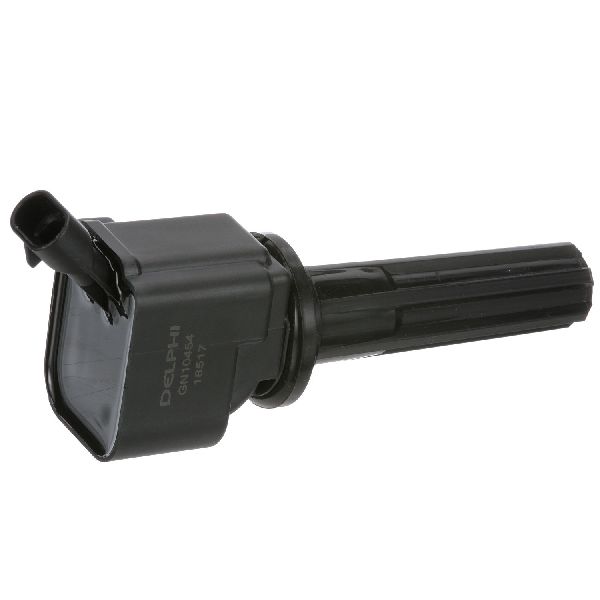
- Ignition Coil
(OEM #12570616)— This is one of the most common failure items for a single-cylinder misfire. Heat and vibration cause the internal windings to fail over time.
Trusted brands: ACDelco (D510C), Delphi, NGK
OEM price range: $60-$90
Aftermarket price range: $40-$70 - Iridium Spark Plug
(OEM #12621258)— Spark plugs are a maintenance item and can become fouled by oil due to the engine's AFM system, causing misfires. The original spec was ACDelco 41-110, which was superseded by 41-162.
Trusted brands: ACDelco (41-110 or 41-162), NGK Laser Iridium, Denso
OEM price range: $15-$25
Aftermarket price range: $10-$20 - Spark Plug Wire Set
(OEM #19297032)— A GM TSB points to loose wires as a potential cause. Wires also degrade with age and heat, leading to a weak spark.
Trusted brands: ACDelco (9748RR), NGK
OEM price range: $70-$100
Aftermarket price range: $50-$80
Related Codes That Often Appear With This One
- P0300 — If the misfire is intermittent or starting to affect other cylinders, a P0300 (Random/Multiple Misfire) code may appear alongside P0306. A failing AFM lifter can sometimes trigger a P0300 initially.
- P0174 — If the misfire is caused by a vacuum leak on the passenger side bank (where cylinder 6 is located), a P0174 (System Too Lean Bank 2) code may also be stored.
Technical Service Bulletins (TSBs) & Recalls
- PIP4819A: Mentions that an engine misfire with DTCs P0300 through P0308 may be caused by loose spark plug wires, requiring inspection and replacement.
Platform-Specific Known Issues
- TSB #PIP4819A: For 2010 models, GM issued a bulletin noting that misfire codes (P0300-P0308) could be caused by loose spark plug wires. The fix is to inspect and replace any wires that are not securely attached.
- Active Fuel Management (AFM) Lifter Failure: The 5.3L V8 engine (LH9) is highly susceptible to AFM lifter failure. The lifters for cylinders 1, 4, 6, and 7 are special collapsible types that can get stuck or fail, causing a persistent misfire.
Mechanic-Grade Diagnostic Values
- Ignition Coil Primary Resistance — expected: 0.4 - 0.6 ohms. Failure: A reading outside this range indicates a faulty coil.
- Ignition Coil Secondary Resistance — expected: 5,000 - 7,200 ohms. Failure: A reading outside this range indicates a faulty coil.
- Fuel Pressure (Key on, engine off) — expected: 55-62 PSI. Failure: Low pressure can cause lean misfires, though it usually affects multiple cylinders.
- Spark Plug Wire Resistance — expected: 4,000-7,000 ohms per foot is normal for modern GM HEI systems.. Failure: Extremely high resistance (open circuit) or very low resistance can indicate a problem.
Hidden / Shadow Codes Worth Checking
- Misfire Counters (per cylinder): Professional scan tools like the GM Tech2 or GDS2 can display a live count of misfire events for each cylinder. These counters increment even for minor events that aren't yet severe enough to set a P030x code. This can help identify a problem cylinder early. (see via GM Tech2, GDS2, or other high-end professional scan tools with live data graphing capabilities.)
Scan Tool Commands That Help
- GDS2 / Tech2: Cylinder Power Balance Test — This function allows the technician to disable one cylinder at a time (by cutting fuel or spark) and observe the corresponding drop in engine RPM. If disabling cylinder #6 causes little or no RPM drop compared to other cylinders, it confirms that cylinder #6 is not contributing power, isolating the fault.
- GDS2 / Tech2: Crankshaft Position (CKP) System Variation Learn Procedure — After replacing a crankshaft sensor, PCM, or on a higher mileage engine, performing this relearn procedure can improve the accuracy of misfire detection. Inaccurate CKP data can sometimes cause false misfire counts.
Wiring & Ground Locations
- G103 — Lower left side of the engine.. This is a primary engine ground. A poor connection here can cause a variety of engine performance issues and erratic sensor readings, potentially leading to misfire codes.
- G106 — Passenger side, behind the engine airbox.. This ground splice (SP106) serves multiple components, including the ECM and automatic transmission controls. Corrosion here is a known issue on Colorados and can cause unpredictable electrical problems.
- ECM Connector J2, Pin 52 — At the Engine Control Module (ECM), which is located in the right rear of the engine compartment.. This specific pin is the control circuit for the cylinder 6 fuel injector (Circuit 476, LT BLU/WHT wire). A voltage or continuity test at this pin can help determine if the injector driver in the PCM is functioning or if there is a wiring fault between the PCM and the injector.
Real Owner Repair Stories
- YouTube video 'How to fix AFM misfire on 5.3 Chevy' (2005-2010 GM 5.3L V8 (specific vehicle not mentioned, but applies to the engine family)) — Misfire on an AFM cylinder (1, 4, 6, or 7), likely due to a stuck or collapsed lifter.
❌ Tried (didn't work) Not specified, but implies other diagnostics did not resolve the issue.
✅ What actually fixed it As a diagnostic 'hack' to confirm an AFM issue, the user unplugged the brake booster pressure sensor. On these trucks, this action disables the AFM/DOD system, forcing the engine to run on all 8 cylinders continuously. This stopped the misfire, confirming the issue was with the AFM system itself and not a standard ignition or fuel problem. The user notes this will cause the Check Engine Light to stay on.
OEM Part Supersession History
ACDelco 41-110→ACDelco 41-162— Supplier change (from NGK or Denso to the other) and a slight design change. The 41-162 has a slightly different length to position the electrode differently in the combustion chamber.
Heads up: Both are technically compatible, but many owners and some mechanics report that the original 41-110 plugs provide a smoother idle and better performance, citing lower manufacturing quality on the newer 41-162 plugs.GM AFM Lifter (Original for Gen IV LS)→Newer DFM-style Lifter— GM released a revised lifter design for the newer Dynamic Fuel Management (DFM) engines. This new lifter is backwards compatible with the older Active Fuel Management (AFM) engines.
Heads up: The new DFM lifter (e.g., Elgin HL-7025) can be used in older AFM engines, but the original AFM-only lifter (e.g., Elgin HL-7011) CANNOT be used in the newer DFM engines.
Model Year Variations Within This Range
- 2010-2012: The 2009 model year used the 5.3L LH8 V8. For 2010-2012, the engine was the LH9. The primary difference is the LH9 is Flex Fuel (E85) compatible, meaning it has different fuel injectors and possibly different fuel system components and PCM calibration. Using LH8 injectors on an LH9 (or vice-versa) could cause running issues.
Helpful Videos

Used OEM Parts in Stock


New Aftermarket Parts Available

The information in this article is provided for general reference and educational purposes only. Vehicle specifications, procedures, and part compatibility can vary by production date, trim level, and region. Always consult your vehicle's factory service manual and verify part numbers before purchasing or performing repairs. Safety-critical components such as airbags, seat belts, and braking systems should be installed by a qualified professional.
- Chevrolet COLORADO:
- 🎬 Helpful Videos
- 🛍️ Shop This Part
- What's Unique About the 2010-2012 Chevrolet COLORADO
- Diagnostic Flowchart
- Symptoms You May Notice
- Most Likely Causes
- Rare But Worth Checking
- Diagnosis Steps
- Parts You'll Likely Need
- Related Codes That Often Appear With This One
- Technical Service Bulletins (TSBs) & Recalls
- Platform-Specific Known Issues
- Mechanic-Grade Diagnostic Values
- Hidden / Shadow Codes Worth Checking
- Scan Tool Commands That Help
- Wiring & Ground Locations
- Real Owner Repair Stories
- OEM Part Supersession History
- Model Year Variations Within This Range
- 🎟️ Get 5% Off