

P0306 on 2008-2013 Cadillac CTS: Cylinder 6 Misfire Causes and Fixes
P0306 on a 2008-2013 Cadillac CTS indicates a misfire in cylinder 6. The most common causes are a failed ignition coil or a worn spark plug. This is a straightforward DIY repair, with parts costing between $25 for a single coil and plug, to $150 for a full set. Cylinder 6 is located on the driver's side of the engine, closest to the firewall.
- P0306 means cylinder 6 is misfiring.
- The most likely cause is a bad ignition coil, followed by a worn spark plug.
- A simple diagnostic is to swap the coil from cylinder 6 with another cylinder to see if the misfire code follows the coil.
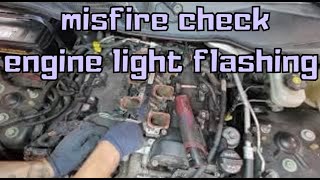
- Driving with a flashing check engine light can cause expensive damage to your catalytic converter.
- This is a common and relatively easy DIY repair that can save you hundreds in labor costs.
What's Unique About the 2008-2013 Cadillac CTS

The second-generation Cadillac CTS primarily used 3.0L (LF1) and 3.6L (LLT/LFX) direct-injection V6 engines. While these engines are generally reliable, misfire codes like P0306 are common. Manufacturer Technical Service Bulletins (TSBs) for this platform specifically point to issues with loose spark plug connections (TSB #PIP4819A) and ignition coil control circuits (TSB #PIP5038B), highlighting the ignition system as a primary area for inspection. Additionally, these direct-injection engines are highly susceptible to carbon buildup on intake valves over time, which can restrict airflow and cause misfires, especially on cold starts. A less common but significant issue for higher-mileage 3.6L LLT engines (2008-2011) is timing chain stretch, which can alter valve timing and lead to misfire codes.
Diagnostic Flowchart

Tap your situation to follow the diagnostic path that matches what you're seeing on this vehicle.
Symptoms You May Notice

- Rough or vibrating idle
- Hesitation or stumbling during acceleration
- Noticeable loss of engine power
- Flashing or solid Check Engine Light
- Reduced fuel economy
- Smell of unburnt gasoline from the exhaust
- Replacing oxygen (O2) sensors. While a faulty O2 sensor can cause performance issues, it will typically set its own specific trouble codes and is unlikely to cause a single-cylinder misfire.
Most Likely Causes

- Faulty Ignition Coil 🔴 High Probability Ignition coils are a common failure point on many modern engines. TSB #PIP5038B specifically discusses heat-stressed or damaged ignition coils as a cause for misfires on this platform, sometimes due to EMI transients reflecting back to the ECM.
How to confirm: The easiest way to confirm a bad coil is to swap the ignition coil from cylinder 6 with another cylinder (e.g., cylinder 4, which is the middle cylinder on the driver's side). Clear the codes and drive the vehicle. If the code changes to P0304, the coil is faulty and needs replacement. Cylinder 6 is the rearmost cylinder on the driver's side.
Typical fix: Replace the faulty ignition coil. Many owners choose to replace all six coils and spark plugs at the same time as a preventative measure, especially if the vehicle has over 75,000 miles.
Est. part cost: $25-$70 per coil - Worn or Fouled Spark Plug 🔴 High Probability Spark plugs are a regular maintenance item with a typical service life of up to 100,000 miles. A worn electrode, incorrect gap, or carbon/oil fouling can prevent a strong spark. TSB #PIP4819A suggests inspecting ignition components, which starts with the plug.
How to confirm: After ruling out the ignition coil, remove the spark plug from cylinder 6. Inspect it for wear (rounded electrode), damage (cracked porcelain), or deposits (black carbon or oily residue). Compare it to a new spark plug.
Typical fix: Replace the spark plug in cylinder 6. It is highly recommended to replace all six spark plugs at the same time to ensure even performance and avoid future misfires. Use a torque wrench for installation and do not apply anti-seize compound to the threads of modern coated plugs.
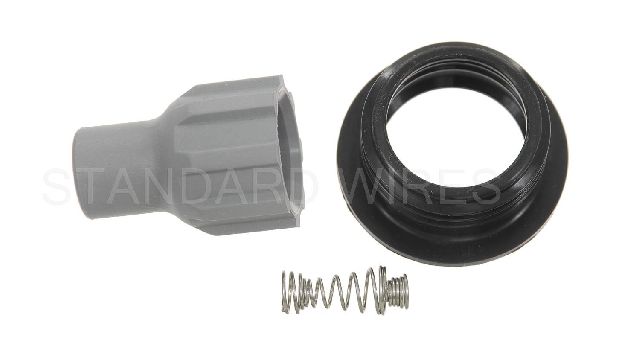
Est. part cost: $10-$20 per plug - Loose Spark Plug Wire/Connection 🟡 Medium Probability TSB #PIP4819A specifically calls out inspecting and replacing loose spark plug wires as a fix for misfire codes. On this Coil-on-Plug engine, this refers to the boot connecting the coil to the plug, which can become loose or fail to make a good connection.
How to confirm: Visually inspect the connection between the ignition coil and the spark plug. Ensure the coil-on-plug boot is seated firmly ('clicks' into place) and that the electrical connector to the coil is secure with its locking tab engaged.
Typical fix: Reseat the ignition coil and its electrical connector. If the boot is damaged (torn, brittle) or the connector is loose, replace the ignition coil assembly.
Est. part cost: $0-$70 - Clogged Fuel Injector ⚪ Low Probability Direct injection (DI) fuel injectors operate under high pressure and can become clogged over time from fuel deposits, preventing the correct amount of fuel from reaching the cylinder.
How to confirm: This is more difficult to diagnose. A professional can perform a fuel injector balance test. A DIY method is to swap the injector with another cylinder, but this is labor-intensive as it requires removing the intake manifold.
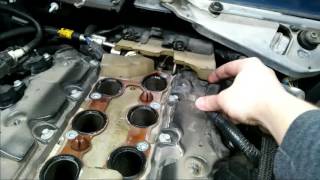
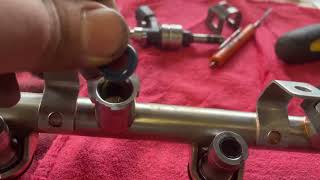
Typical fix: Replace the faulty fuel injector. This is a more involved job that requires removing the upper intake manifold. It's recommended to replace the intake gaskets at the same time. 🎬 Watch this walkthrough for replacing fuel injectors on the 3.6L.
Est. part cost: $50-$150 per injector
Rare But Worth Checking
- Intake Valve Carbon Buildup: A known and widespread issue on GM's direct-injection engines (LLT, LF1, LFX). Oil vapor from the PCV system bakes onto the back of the intake valves, restricting airflow and causing misfires, especially on cold starts. This issue is addressed in TSB #PIP5029 series. The fix often involves media blasting the valves (e.g., with walnut shells) or performing a chemical induction cleaning service. 🎬 See how to clean carbon buildup from your intake valves.
- Vacuum Leak: A leak in a vacuum hose or a failed intake manifold gasket near cylinder 6 can introduce unmetered air, leaning out the air-fuel mixture and causing a misfire. A smoke test is the most effective way to find a vacuum leak.
- Low Engine Compression: A mechanical issue like a worn piston ring, a damaged valve, or a failing head gasket can cause a loss of compression, leading to a persistent misfire. A more significant concern on the 3.6L LLT engine is stretched timing chains, which can cause the cam/crank correlation to be off, leading to misfires and codes like P0008, P0016, or P0017.
Diagnosis Steps
- Read the codes with an OBD-II scanner to confirm P0306 and check for any other related codes (e.g., P0300, P0356).
- Locate cylinder 6. On the V6 engines, the cylinders are numbered with odds on the passenger side (Bank 1) and evens on the driver's side (Bank 2), front to back. Cylinder 6 is the rearmost cylinder on the driver's side, closest to the firewall.
- Swap the ignition coil from cylinder 6 with cylinder 4 (the middle cylinder on the same bank).
- Clear the codes and test drive the vehicle. If the code returns as P0304, the ignition coil is the problem.
- If the code remains P0306, the coil is likely good. Next, swap the spark plug from cylinder 6 with cylinder 4.
- Clear the codes and test drive again. If the code changes to P0304, the spark plug was the issue.
- If the misfire still remains on cylinder 6, inspect the ignition coil's electrical connector and wiring for damage, corrosion, or looseness.
- If ignition components are confirmed good, the issue may be a clogged fuel injector, significant carbon buildup on the intake valves, or a mechanical problem (like low compression). Professional diagnosis may be required to perform a fuel injector balance test, a compression test, or inspect for carbon buildup with a borescope.
Parts You'll Likely Need
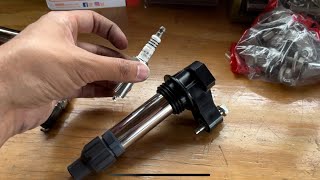
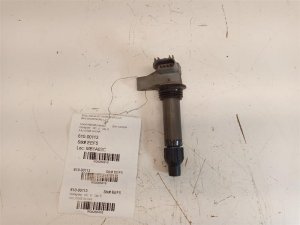
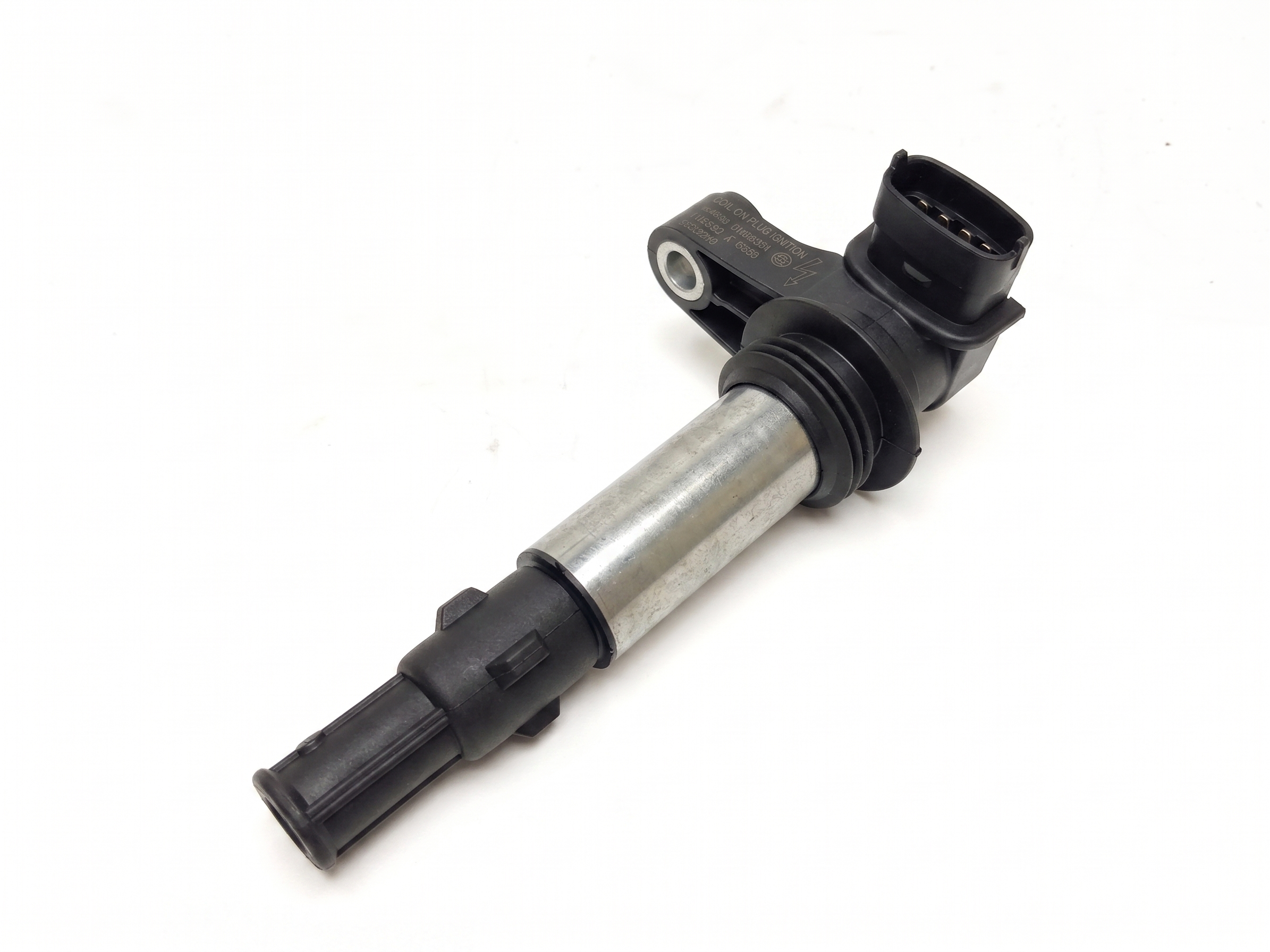
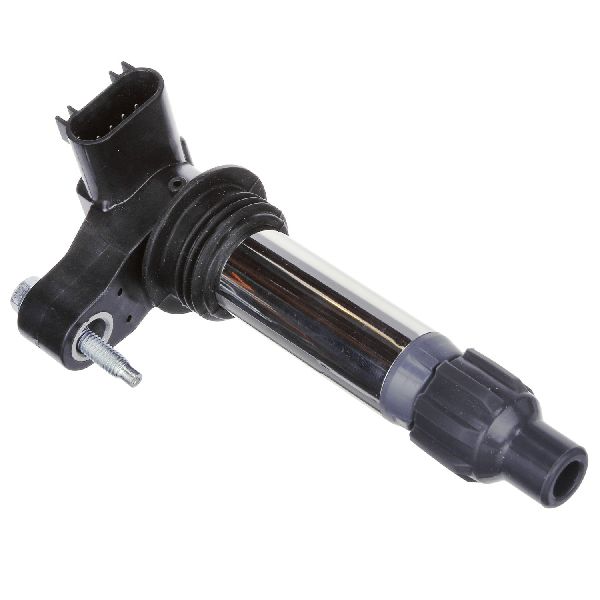
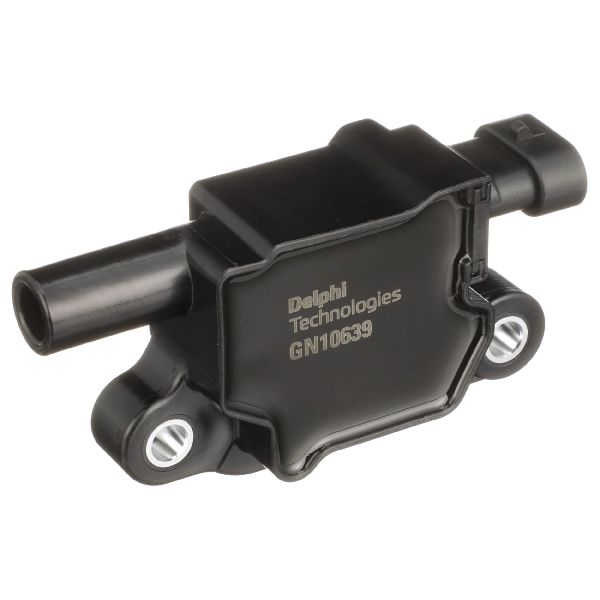
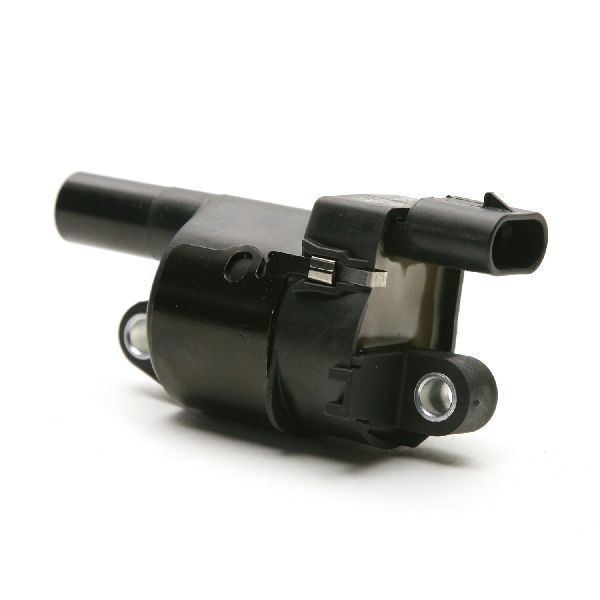
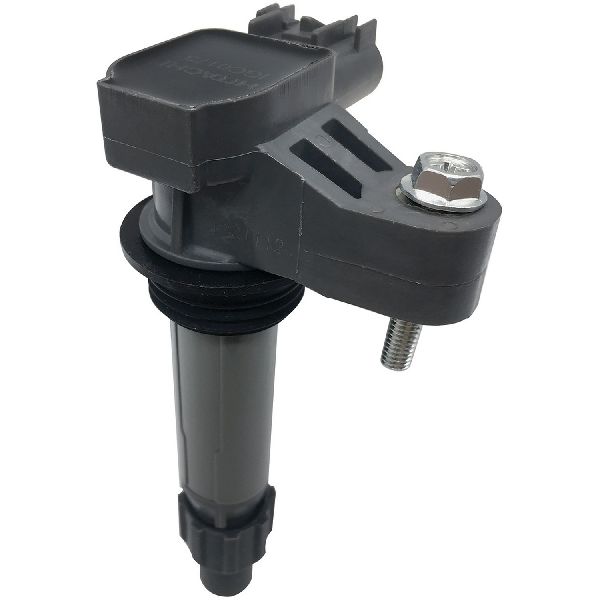
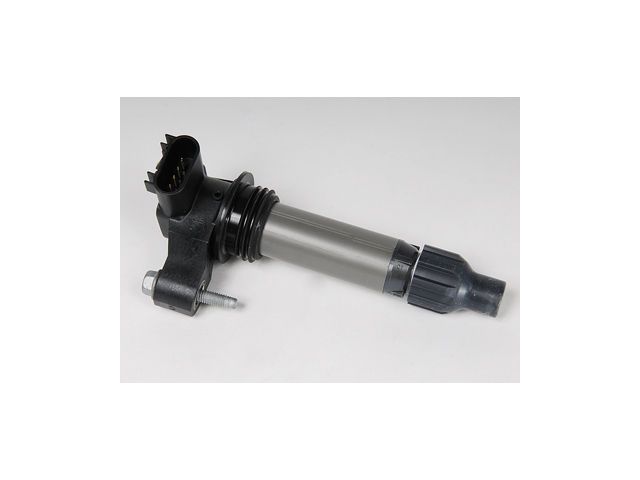
- Ignition Coil
(OEM #12632479 (supercedes 12618542, 12610626, 12590990))— This is the most frequent cause of a single-cylinder misfire and is directly implicated in TSBs for this vehicle. The ACDelco part number is often cross-referenced as D515C.
Trusted brands: ACDelco (OEM), Delphi, NGK, Denso
OEM price range: $50-$70
Aftermarket price range: $25-$50 - Iridium Spark Plug
(OEM #41-109 (or superseding number like 41-166))— Spark plugs are a routine wear item and the second most likely cause of a P0306 code. Iridium is the original equipment material for long life.
Trusted brands: ACDelco (OEM), NGK (often the OEM manufacturer), Denso, Bosch
OEM price range: $12-$18
Aftermarket price range: $8-$15
Related Codes That Often Appear With This One
- P0300 — If the misfire is intermittent or begins to affect other cylinders, a P0300 (Random/Multiple Cylinder Misfire) code may appear alongside P0306. This can point towards a systemic issue like carbon buildup or a vacuum leak.
- P0356 — This code means 'Ignition Coil F (Cylinder 6) Primary/Secondary Circuit Malfunction'. As noted in TSB #PIP5038B, it often appears with P0306 and points directly to a problem with the ignition coil, its wiring, or the driver circuit in the ECM.
- P0008, P0017 — These codes indicate an engine timing issue, specifically a Camshaft/Crankshaft position correlation error. On the 3.6L V6, these are classic symptoms of a stretched timing chain, which can be an underlying cause of misfires.
Technical Service Bulletins (TSBs) & Recalls
- PIP4819A: Recommends inspecting and replacing loose spark plug wires (coil boots) for P030x misfire codes.
- PIP5038B: Points to ignition coil circuit faults when P030x and P035x codes appear together, potentially due to heat stress or electrical interference.
- PIP5029D: Details the diagnosis and treatment (decarboning process) for misfires caused by carbon buildup on intake and/or exhaust valves on direct injection engines including the 3.0L LF1 and 3.6L LLT.
Platform-Specific Known Issues
- TSB #PIP4819A notes that misfire codes can be caused by loose spark plug wires (coil boots), requiring inspection and replacement.
- TSB #PIP5038B indicates that misfire codes may be accompanied by ignition coil circuit codes (P0351-P0356), pointing towards a fault in the coil or its wiring, sometimes caused by electrical interference.
- TSB #PIP5029D addresses engine misfires caused by carbon buildup on intake valves, a common issue for these direct injection engines.
Mechanic-Grade Diagnostic Values
- High-Pressure Fuel Rail Pressure (Direct Injection) — expected: 2.0-5.0 MPa (290-725 PSI) at idle.. Failure: Pressure significantly below range, especially under load, can cause lean misfires. Pressure may be commanded higher with a scan tool to test pump response.
- Low-Pressure Fuel System Pressure — expected: 380-410 kPa (55-60 psi) with the fuel pump running.. Failure: Pressure below this range indicates a weak in-tank fuel pump or a clogged filter, starving the high-pressure pump.
- Fuel Injector Coil Resistance (2008-2011 3.6L LLT) — expected: Approximately 1.5 ohms.. Failure: A reading that is significantly higher (open) or lower (shorted) than the other injectors indicates a faulty injector coil.
- Fuel Injector Coil Resistance (2012-2013 3.6L LFX) — expected: Approximately 12-14 ohms.. Failure: An injector with resistance significantly outside this range (e.g., below 10 ohms or infinite) is likely faulty.
- Ignition Coil Primary Resistance — expected: Typically very low, between 0.5 and 1.5 ohms. (General value, not specific to this vehicle). Failure: An open (infinite resistance) or shorted (zero resistance) reading indicates a failed coil.
Hidden / Shadow Codes Worth Checking
- Mode $06 Misfire Counts: Professional scan tools can access Mode $06 data, which includes raw misfire counts for each cylinder, even for misfires not frequent enough to set a P0306 code. This can help identify an intermittent or developing issue on cylinder 6 before it becomes a constant problem. (see via Any professional-grade OBD-II scanner with Mode $06 functionality.)
Scan Tool Commands That Help
- GDS2 / Tech2: Cylinder Power Balance Test — This active test allows a technician to disable each cylinder's fuel injector one by one and observe the corresponding drop in engine RPM. If disabling cylinder 6 causes little or no RPM drop compared to other cylinders, it confirms that cylinder 6 is not contributing power, isolating the fault without swapping parts.
- GDS2 / Tech2: Fuel Injector Balance Test — This test commands each injector to flow for a specific duration and measures the pressure drop in the fuel rail. It can definitively identify a clogged or weak injector on cylinder 6 if it produces a smaller pressure drop than the others. This is a more precise diagnostic step before removing the intake manifold to replace an injector.
- GDS2 / Tech2: Fuel Pressure Control — Allows the technician to command the high-pressure fuel pump to various pressures to test its functionality. If the pump fails to reach or maintain the commanded pressure, it could be the source of a system-wide lean condition causing misfires.
Wiring & Ground Locations
- ECM (Engine Control Module) — Located in the front of the engine compartment, on the passenger side, sometimes under the fuse block.. The ECM contains the driver circuit that sends the signal to fire the ignition coil for cylinder 6. A failure of this driver, though rare, can cause a P0306 and P0356. All wiring for the coil and injector originates here.
- G111 / G112 — Primary engine block grounds. G111 is often located on the engine block above the starter motor, while G112 is near the battery.. A loose or corroded ground at these points can cause unstable voltage and electrical noise for the entire engine management system, including the ignition coils and injectors, leading to intermittent misfires.
- Ignition Coil Connector (Cylinder 6) — On the rearmost ignition coil on the driver's side of the engine.. This connector provides power and the control signal to the coil. The pins can be tested for 12V power (Pink/Black wire) and the control signal from the ECM. A damaged connector or wiring here is a direct cause of P0306/P0356.
Real Owner Repair Stories
- YouTube video by 'Jbolanos10' (2003 Cadillac Deville 4.6L V8 (Note: Different engine, but same code and similar diagnostic principles)) — Engine shaking badly, P0306 code present.
❌ Tried (didn't work) Replaced the ignition coil pack for cylinder 6. This improved the misfire but did not eliminate it; a P0300 (random misfire) and eventually P0306 returned.
✅ What actually fixed it The fuel injectors were clogged. After removing the fuel rail, the four front injectors were found to be blocked. Replacing them with new injectors resolved the misfire completely.
OEM Part Supersession History
12622561→41-109 (current ACDelco PN), 41-166 (newer alternative)— Standard part evolution for material improvements and manufacturing updates.
Heads up: The ACDelco 41-109 is the widely accepted OEM equivalent for this vehicle range. Be cautious with some aftermarket brands as quality can vary significantly, potentially causing premature failure.12590990, 12610626, 12618542→12632479 (current ACDelco PN, also known as D515C)— Revisions to improve durability and resistance to heat and electrical failure.
Model Year Variations Within This Range
- 2008-2011 (LLT) vs. 2012-2013 (LFX): The 3.6L V6 was updated from the LLT to the LFX in 2012. Key differences include a composite intake manifold (vs. aluminum), integrated exhaust manifolds, a different ECU (Delphi vs. Bosch), and different fuel injectors with a higher resistance. While the cause of P0306 is often the same (coils, plugs), the specific part numbers for injectors and diagnostic values differ. The timing chain design was also improved for the 2013+ LFX models, making it less of a concern than on the LLT.
Helpful Videos
Used OEM Parts in Stock

New Aftermarket Parts Available

The information in this article is provided for general reference and educational purposes only. Vehicle specifications, procedures, and part compatibility can vary by production date, trim level, and region. Always consult your vehicle's factory service manual and verify part numbers before purchasing or performing repairs. Safety-critical components such as airbags, seat belts, and braking systems should be installed by a qualified professional.
- Cadillac CTS:
- 🎬 Helpful Videos
- 🛍️ Shop This Part
- What's Unique About the 2008-2013 Cadillac CTS
- Diagnostic Flowchart
- Symptoms You May Notice
- Most Likely Causes
- Rare But Worth Checking
- Diagnosis Steps
- Parts You'll Likely Need
- Related Codes That Often Appear With This One
- Technical Service Bulletins (TSBs) & Recalls
- Platform-Specific Known Issues
- Mechanic-Grade Diagnostic Values
- Hidden / Shadow Codes Worth Checking
- Scan Tool Commands That Help
- Wiring & Ground Locations
- Real Owner Repair Stories
- OEM Part Supersession History
- Model Year Variations Within This Range
- 🎟️ Get 5% Off