

P0306 on 2013 Audi S5: Cylinder 6 Misfire Causes and Fixes
On a 2013 Audi S5 with the 3.0T engine, a P0306 code is most often caused by a failed ignition coil or a worn spark plug in cylinder 6. Swapping the coil from cylinder 6 to another cylinder is a quick, no-cost way to diagnose the problem. A new OEM-quality coil costs about $50-$80. On this engine, a P0306 can also be a symptom of a leaking supercharger intercooler, a more serious issue.
- P0306 on a 2013 S5 means cylinder 6 (rear, driver's side) is misfiring.
- The most likely cause is a bad ignition coil or spark plug. Start diagnosis by swapping the coil from cylinder 6 to another cylinder.
- A flashing check engine light is serious. Stop driving immediately to prevent expensive damage to the catalytic converter.
- If you also have a P130A code, it's a protective measure by the car's computer in response to the misfire. Fix the P0306, and the P130A will be resolved.
- If new coils and plugs don't fix the issue, consider platform-specific problems like carbon buildup or a leaking supercharger intercooler, which may require professional help.
What's Unique About the 2013-2013 Audi S5
The 2013 S5 uses the 3.0L supercharged V6 (3.0T), a direct-injection engine. While ignition components are the primary cause of misfires, these engines are also known for specific issues that can cause a P0306. Carbon buildup on intake valves is a common problem due to the direct-injection design. More critically, the supercharger's integrated liquid-to-air intercoolers can leak coolant internally, often dripping directly into cylinders 3 and 6, causing a persistent misfire accompanied by unexplained coolant loss. A severe misfire will often be accompanied by code P130A, which means the ECU has intentionally shut down the cylinder to protect the catalytic converter from damage by unburnt fuel.
Diagnostic Flowchart
Tap your situation to follow the diagnostic path that matches what you're seeing on this vehicle.
Symptoms You May Notice
- Rough or vibrating idle
- Hesitation or stumbling during acceleration
- Noticeable loss of engine power
- Flashing Check Engine Light (indicates a severe misfire)
- Engine running in 'limp mode'
- Reduced fuel economy
- Smell of gasoline from the exhaust
- Sweet smell of coolant from the exhaust and slow coolant loss (if caused by leaking intercooler)
- Replacing only the spark plug when the ignition coil was the actual cause.
- Replacing fuel system components before performing the simple ignition coil swap test.
- Replacing a head gasket for coolant loss when the actual cause is a leaking supercharger intercooler.
Most Likely Causes
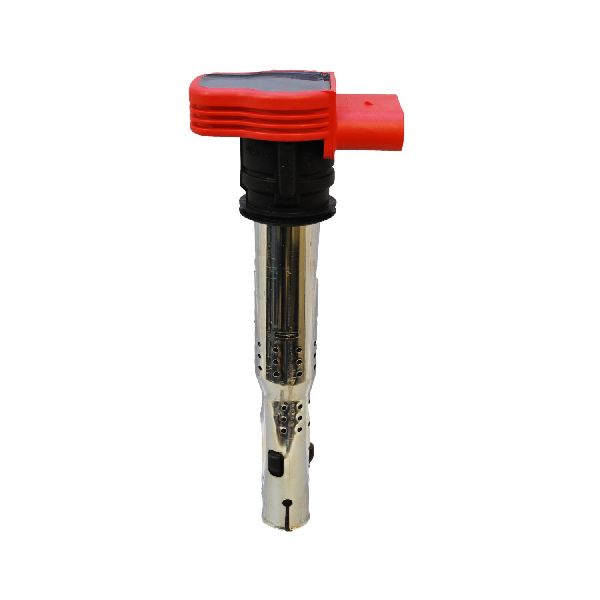
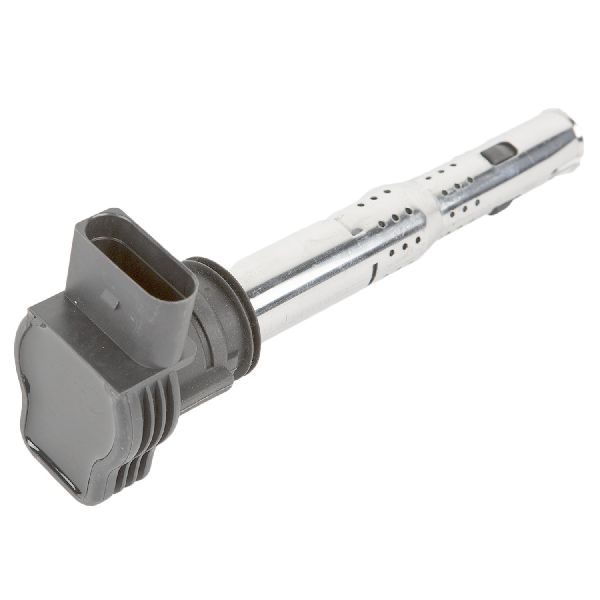
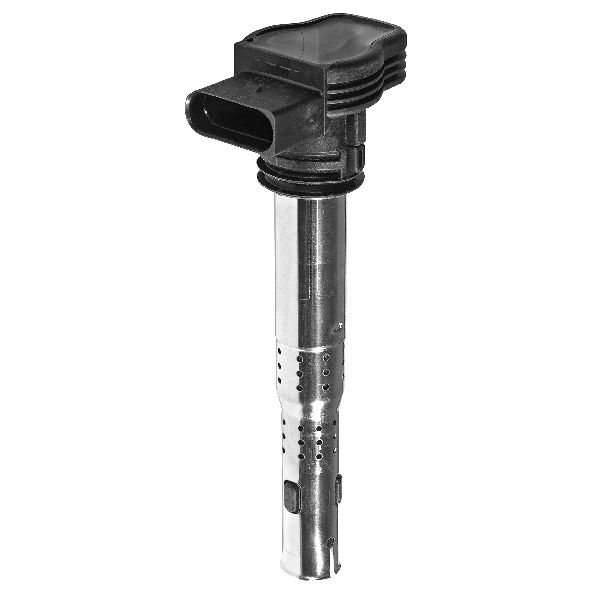
- Faulty Ignition Coil 🔴 High Probability Ignition coils are a common failure item on modern Volkswagen/Audi engines due to high heat and electrical stress. Though failures are less frequent than on the 2.0T, they are still the primary suspect for a single-cylinder misfire.
How to confirm: Swap the ignition coil from cylinder 6 with another cylinder (e.g., cylinder 5). Clear the codes and drive. If the code changes to P0305, the coil is faulty. This is a definitive, no-cost diagnostic step. 🎬 Watch: How to diagnose a misfire on your Audi 3.0T engine
Typical fix: Replace the faulty ignition coil. It is highly recommended to replace all six coils at once for preventative maintenance, especially on higher mileage vehicles, using OEM-quality brands like Bosch, NGK, or Eldor.
Est. part cost: $50 - $80 per OEM-quality coil - Worn or Fouled Spark Plug 🔴 High Probability Spark plugs are a regular maintenance item with a service interval of 35,000-55,000 miles. Issues like oil consumption or a leaking intercooler can foul them prematurely, causing a misfire.
How to confirm: After confirming the coil is good, remove the spark plug from cylinder 6. Inspect it for wear on the electrode, black carbon deposits, or a white/pink crusty residue, which indicates coolant contamination. Compare it to a plug from a healthy cylinder.
Typical fix: Replace the spark plug. It is best practice to replace all six spark plugs as a set, especially if they are near their service interval. Use the correct NGK or Bosch plugs specified for the engine. 🎬 See this DIY walkthrough for replacing ignition coils and spark plugs
Est. part cost: $15 - $30 per plug - Carbon Buildup on Intake Valves 🟡 Medium Probability As a direct-injection engine, fuel is sprayed directly into the cylinder and does not wash over the intake valves. Over time, oil vapors from the PCV system bake onto the valves, restricting airflow and causing misfires, especially on cold starts or under heavy load.
How to confirm: This is difficult to confirm without a borescope inspection of the intake ports, which requires removing the supercharger. It is often diagnosed after ruling out all ignition and fuel delivery issues. Misfires across a whole bank (e.g., P0304, P0305, P0306) can also point to this.
Typical fix: The intake valves need to be manually cleaned, typically through walnut blasting. 🎬 Watch: How to scrape and walnut blast your intake valves This is a labor-intensive job that costs several hundred dollars.
Est. part cost: $0 (service cost is labor) - Failed Fuel Injector ⚪ Low Probability While less common than on the 2.0T engine, 3.0T injectors can fail, either becoming clogged or sticking open. A stuck-open injector can wash out the cylinder, foul the spark plug, and cause persistent misfires. Over time, they can also become a more common failure point.
How to confirm: This is challenging to diagnose without professional tools. After ruling out ignition components, a technician can perform tests to measure injector flow and function. This requires removing the supercharger for access. A key symptom of a failing injector can be increased knock activity visible in logs.
Typical fix: Replace the fuel injector. It is highly recommended to replace all six injectors at the same time, along with their seals, due to the high labor cost of accessing them.
Est. part cost: $150 - $250 per OEM injector
Rare But Worth Checking
- Leaking Supercharger Intercooler: The 3.0T supercharger has two integrated liquid-to-air intercoolers that can leak coolant internally. Due to their placement, leaks often drip coolant into cylinders 3 and 6, causing a misfire that can be misdiagnosed as a head gasket failure. Key symptoms are unexplained coolant loss with no external drips and a fouled spark plug with white, crusty deposits. This is a well-documented issue in owner forums.
- Failed PCV Valve (Oil Separator): The PCV valve diaphragm can tear, creating a significant unmetered vacuum leak. This can lead to a lean condition, rough idle, a high-pitched whistling sound from the engine bay, and random or multiple misfires. The PCV is located under the supercharger, making replacement labor-intensive.
- Low Engine Compression: A mechanical issue like a bad piston ring, scored cylinder wall, or a problem with the valvetrain can cause a loss of compression, leading to a persistent misfire that does not resolve with ignition or fuel system repairs. A compression test is required to diagnose this.
- Clogged Catalytic Converter: A failing or clogged catalytic converter on Bank 2 (driver's side) can create excessive exhaust backpressure, leading to misfires on cylinders 4, 5, and 6. This is often a consequence of long-term misfires dumping raw fuel, which melts the converter's internal structure.
Diagnosis Steps
- Read the fault codes with an OBD-II scanner to confirm P0306 and check for any other codes like P130A or P0300.
- Note if the Check Engine Light is solid or flashing. A flashing light indicates a severe, catalyst-damaging misfire.
- Swap the ignition coil from cylinder 6 (rear, driver's side) with the coil from cylinder 5 (middle, driver's side).
- Clear the codes, start the engine, and let it run or drive it briefly to see if the misfire returns.
- Re-scan for codes. If the code is now P0305, the ignition coil is bad and needs to be replaced.
- If the code remains P0306, the coil is likely good. Proceed to the next step.
- Remove the spark plug from cylinder 6. Inspect it for wear, carbon fouling, oil, or a white/crusty deposit indicating coolant. If the plug is fouled, replace it. It's best to replace all six.
- If ignition components are ruled out, check for symptoms of other common issues: unexplained coolant loss (intercooler leak), a whistling noise at idle (PCV failure), or a rotten-egg smell from the exhaust (catalytic converter).
- If the cause is not apparent, professional diagnosis is recommended to test fuel injectors, check for carbon buildup with a borescope, or perform a compression test.
Parts You'll Likely Need
- Ignition Coil
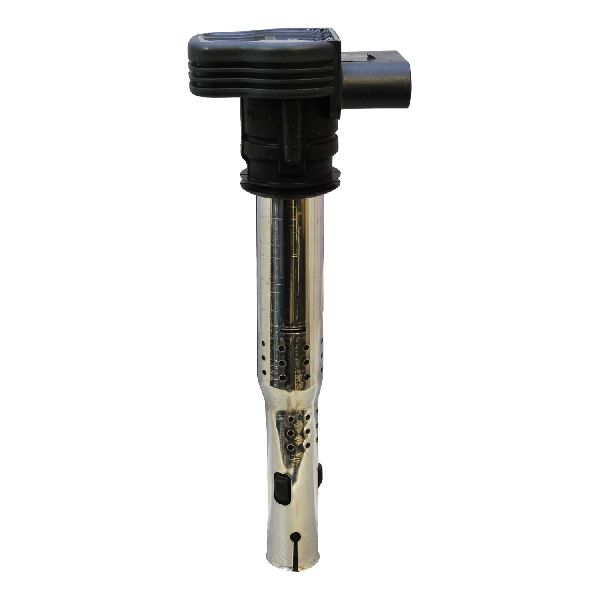
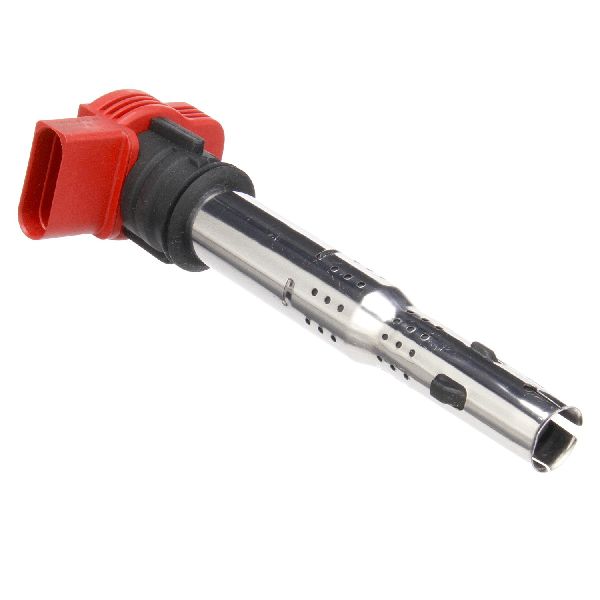
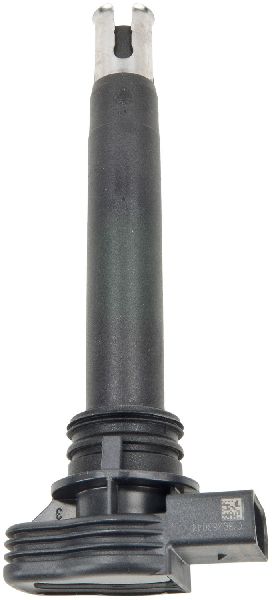
(OEM #06E905115G (or earlier revisions F, E))— This is the most frequent cause of a single-cylinder misfire on the 3.0T engine.
Trusted brands: Bosch, NGK, Eldor
OEM price range: $50-$80
Aftermarket price range: $35-$60 - Spark Plug
(OEM #NGK PFR8S8EG (or OEM 101905611G))— A worn or fouled spark plug is the second most common cause and is a regular maintenance item.
Trusted brands: NGK, Bosch
OEM price range: $20-$30
Aftermarket price range: $15-$25
Related Codes That Often Appear With This One
- P130A — This code means 'Hide Cylinder' or 'Cylinder Disabling'. The ECU sets this code when it detects excessive misfires and intentionally shuts off the fuel injector to the offending cylinder (in this case, cylinder 6) to prevent unburned fuel from damaging the catalytic converter. Fixing the root cause of P0306 will resolve P130A.
- P0300 — This code means 'Random/Multiple Cylinder Misfire Detected'. If the condition causing the misfire is not isolated to cylinder 6 (e.g., a large vacuum leak from a failed PCV, or a failing catalytic converter), you may see this code as well.
- P0304, P0305 — Seeing misfires on the entire bank (cylinders 4, 5, and 6) can point towards a systemic issue on that side of the engine, such as a clogged catalytic converter for Bank 2 or a major vacuum leak affecting that bank.
Technical Service Bulletins (TSBs) & Recalls
- 01138920337681 (also 2033768/2): Notes that a cylinder misfire fault (DTC P0301-P0306) may be stored in conjunction with DTC P130A (hide cylinder). Instructs dealers to contact the Technical Assistance Center before proceeding with repairs.
Platform-Specific Known Issues
- TSB on 'Hide Cylinder' Strategy: A Technical Service Bulletin (TSB #2033768 / 01 13 89) was issued for cylinder misfire faults (P0301-P0306) appearing with DTC P130A. The TSB is informational, instructing technicians to contact Audi's Technical Assistance Center (TAC) before performing repairs, indicating the potential complexity of the diagnosis.
- Forum Discussion on Intercooler Leaks: A Reddit thread in r/Audi discusses a B8.5 S4 with a persistent cylinder 3 misfire and coolant loss. The consensus diagnosis was a leaking supercharger intercooler, which commonly affects cylinders 3 and 6. One user confirmed this was their issue, stating 'there was coolant all over cylinders 3&6 manifold.'
- Carbon Buildup Misfires: Forum discussions on Audizine and other enthusiast sites frequently point to carbon buildup as a cause for misfires that appear after ignition components have been replaced, especially under load or on cold starts.
- Catalytic Converter Clogging: A user on the Ross-Tech forums noted that a clogged catalytic converter on one bank can cause misfires across all cylinders on that bank (e.g., 4, 5, and 6), a diagnosis made after ruling out coils, plugs, and injectors.
Mechanic-Grade Diagnostic Values
- Timing Chain Stretch / Phase Position Bank 1 Intake — expected: 0 to -2 degrees for new or low-mileage chains.. Failure: Values of -4 degrees or more indicate significant stretch, and chain replacement should be considered. Readings between -2 and -4 degrees warrant close monitoring.
- Low-Pressure Fuel System — expected: Approximately 40-75 PSI from the in-tank pump to the engine.. Failure: Pressure below this range could indicate a failing low-pressure fuel pump, starving the High-Pressure Fuel Pump (HPFP).
- High-Pressure Fuel System (Direct Injection) — expected: Over 2,000 PSI for the direct injectors, boosted by the HPFP.. Failure: A fault code like P0087 (Fuel Rail/System Pressure - Too Low) along with misfires points to a failing HPFP.
Hidden / Shadow Codes Worth Checking
- Mode $06, TID $53: This function provides access to raw misfire counters for each cylinder from recent driving cycles. A technician can view these counters to see if cylinder 6 is logging misfires at a rate below the threshold required to trigger a P0306 code and Check Engine Light. (see via Requires a professional-grade scan tool or software like VCDS that can access Mode $06 data.)
Scan Tool Commands That Help
- VCDS (VAG-COM): Measuring Blocks, Groups 015 & 016 — To monitor the live misfire counter for each individual cylinder. Group 015 shows cylinders 1-3, and Group 016 shows cylinders 4-6. This helps confirm if the misfire is constant or only occurs under specific conditions (idle, load, etc.).
- VCDS (VAG-COM): Advanced Measuring Values - Camshaft adjustment: inlet phase: bank 1 — On cars with the UDS protocol, this replaces Measuring Block 93. It is used to check for timing chain stretch, which can be a root cause of misfires on higher mileage engines.
Wiring & Ground Locations
- Engine Ground — On the left lower front long member (frame rail).. A poor engine ground can cause erratic electrical behavior, including weak spark or inconsistent ignition coil performance, potentially leading to misfires. Ensuring this ground is clean and tight is a fundamental step in diagnosing electrical issues.
- Ignition Coil Harness (Cylinder 6) — The harness runs along the driver's side valve cover to the rearmost ignition coil.. While not a common failure point, the wiring or connector for the cylinder 6 ignition coil can become damaged from heat and vibration over time. A visual inspection for cracked insulation or a loose connector pin is warranted if a new coil and plug do not resolve the misfire.
Real Owner Repair Stories
- MyS4.org user blog (Audi S4 2.7T (B5 chassis, but demonstrates a relevant diagnostic process)) — Persistent P0306 misfire on cylinder 6.
❌ Tried (didn't work) Replacing all ignition coils., Replacing the fuel injector for cylinder 6., Cleaning the spark plug., Swapping the spark plug from cylinder 6 to cylinder 5 (code did not follow)., Replacing spark plugs with Iridium plugs gapped to .028 inches.
✅ What actually fixed it The owner replaced the Iridium spark plugs with OEM NGK PFR6Q plugs and, after initial failure, re-gapped them to a tighter .022 inches (down from .028). This finally resolved the persistent misfire. - YouTube channel 'Garage Taught' (Audi C7 platform with 3.0T engine) — Misfire on cylinder 3 under acceleration, EPC light.
❌ Tried (didn't work) Swapped coil pack from cylinder 3 to cylinder 2., Swapped spark plug from cylinder 3 to cylinder 1.
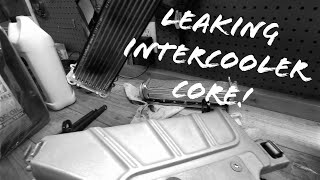
✅ What actually fixed it After swapping ignition and spark plug components, the misfire remained on cylinder 3. The owner diagnosed a leaking supercharger intercooler core by observing a drop in the dedicated coolant reservoir for the supercharger circuit. This confirmed coolant was leaking into the cylinder, causing the misfire.
OEM Part Supersession History
06E-905-115-A, B, C, D, E, F→06E-905-115-G— Progressive updates by the manufacturer to improve reliability and performance. Later revisions are generally more robust against heat and electrical stress.
Heads up: All revisions are generally interchangeable, but it is highly recommended to use the latest available revision (currently G) and to replace all six coils as a matched set to ensure consistent performance.
Helpful Videos
Used OEM Parts in Stock

New Aftermarket Parts Available

The information in this article is provided for general reference and educational purposes only. Vehicle specifications, procedures, and part compatibility can vary by production date, trim level, and region. Always consult your vehicle's factory service manual and verify part numbers before purchasing or performing repairs. Safety-critical components such as airbags, seat belts, and braking systems should be installed by a qualified professional.
- Audi S5:
- 🎬 Helpful Videos
- 🛍️ Shop This Part
- What's Unique About the 2013-2013 Audi S5
- Diagnostic Flowchart
- Symptoms You May Notice
- Most Likely Causes
- Rare But Worth Checking
- Diagnosis Steps
- Parts You'll Likely Need
- Related Codes That Often Appear With This One
- Technical Service Bulletins (TSBs) & Recalls
- Platform-Specific Known Issues
- Mechanic-Grade Diagnostic Values
- Hidden / Shadow Codes Worth Checking
- Scan Tool Commands That Help
- Wiring & Ground Locations
- Real Owner Repair Stories
- OEM Part Supersession History
- 🎟️ Get 5% Off