

P0305 on 2009-2016 GMC Acadia: Cylinder 5 Misfire Causes and Fixes
P0305 indicates a misfire on cylinder 5. While the cause can be a simple ignition coil or spark plug, on the 2009-2016 Acadia's 3.6L V6, this code is frequently an early warning of a stretched timing chain, a significantly more serious and expensive repair. Accessing cylinder 5 requires removing the intake manifold.
- P0305 is a misfire in cylinder 5, which is on the rear, harder-to-access bank of the engine.
- Always check for timing-related codes like P0008 or P0017 before assuming it's a simple fix. The presence of these codes strongly suggests a stretched timing chain.
- If no other codes are present, the most common DIY diagnostic step is to swap the cylinder 5 ignition coil with another cylinder to see if the misfire follows the coil.
- Due to the high frequency of timing chain failures on this engine, a P0305 code warrants a more thorough diagnosis than on other vehicles.
- Continuing to drive with a flashing check engine light can cause expensive damage to the catalytic converter.
What's Unique About the 2009-2016 Gmc ACADIA

For many vehicles, a single-cylinder misfire code points to a routine fix like a spark plug. However, on the first-generation GMC Acadia with the 3.6L V6 engine, P0305 must be taken more seriously. This engine family is known for premature timing chain stretching. As an owner complaint filed with the NHTSA shows, a P0305 code can appear alongside timing correlation codes (like P0008 and P0017), pointing directly to this significant mechanical issue. GM acknowledged the timing chain wear issue by issuing Special Coverage Adjustment #11340C, which extended the warranty for this specific problem to 10 years or 120,000 miles for certain model years, including the 2009 Acadia. Therefore, what might seem like a simple ignition problem could be a symptom of a much larger job requiring extensive labor.
Diagnostic Flowchart

Tap your situation to follow the diagnostic path that matches what you're seeing on this vehicle.
Symptoms You May Notice

- Flashing or solid Check Engine Light
- Rough or vibrating idle
- Engine hesitation or stumbling during acceleration
- Noticeable loss of power
- Poor fuel economy
- A smell of raw fuel from the exhaust
- Rattling noise from the engine on cold starts (indicative of timing chain issues)
- Replacing only the spark plug and ignition coil without considering the high probability of a timing chain issue, especially when a rattling noise or other timing-related codes (P0008, P0017) are present.
- Assuming a simple tune-up will fix the issue without first checking for TSBs like #11340C related to timing chains, which was a major issue for these vehicles.
Most Likely Causes

- Stretched Timing Chain 🔴 High Probability The 3.6L V6 engine in this generation of Acadia is widely documented to have issues with premature timing chain wear. GM issued Special Coverage #11340C extending the warranty to 10 years/120,000 miles for this issue on many 2009 models due to the high failure rate. The stretching causes cam/crank timing to deviate, leading to misfires.
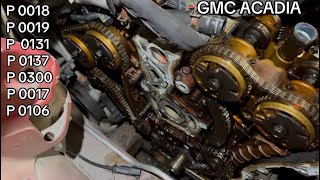
How to confirm: Check for other diagnostic trouble codes, specifically P0008, P0017, or P0018. 🎬 Watch: Try this simple fix before replacing your timing chains. A rattling noise from the engine on cold starts is a strong indicator. A mechanic can confirm by checking cam/crank correlation data with a professional scan tool or lab scope without major disassembly.
Typical fix: Replacement of all three timing chains, tensioners, and guides. This is a labor-intensive and costly repair, often requiring engine removal or dropping the subframe. 🎬 Watch: A complete guide to the Acadia timing chain replacement.
Est. part cost: $300-$600 for a full kit - Faulty Ignition Coil 🟡 Medium Probability Ignition coils are a common failure item on most modern vehicles as they age. Heat and vibration contribute to their eventual failure.
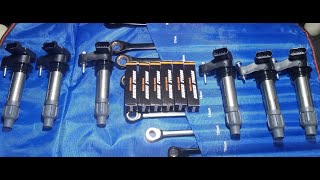
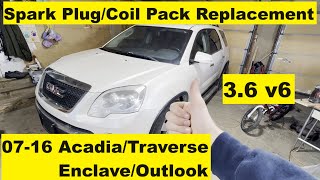
How to confirm: Swap the ignition coil from cylinder 5 with another cylinder (e.g., cylinder 4 on the front bank). Clear the codes and drive the vehicle. If the code changes to P0304, the ignition coil is faulty. Accessing cylinder 5 requires removing the upper intake manifold, a process detailed in multiple online videos. 🎬 See this walkthrough for accessing and replacing rear ignition coils.
Typical fix: Replace the faulty ignition coil. It is often recommended to replace the spark plug at the same time, and some owners choose to replace all rear bank coils and plugs due to the labor involved in accessing them.
Est. part cost: $40-$80 for one coil - Worn or Fouled Spark Plug 🟡 Medium Probability Spark plugs are a regular maintenance item with a service life of around 100,000 miles. Carbon fouling can also occur, especially with direct injection engines, leading to a weak or non-existent spark.
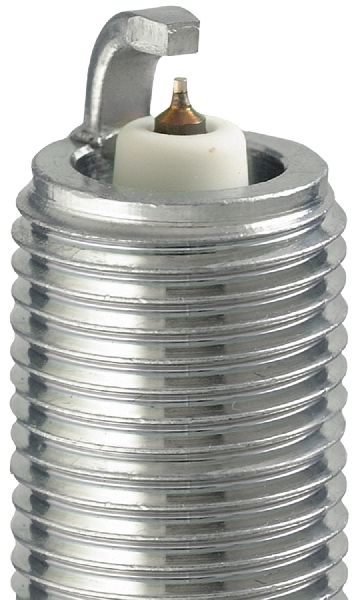
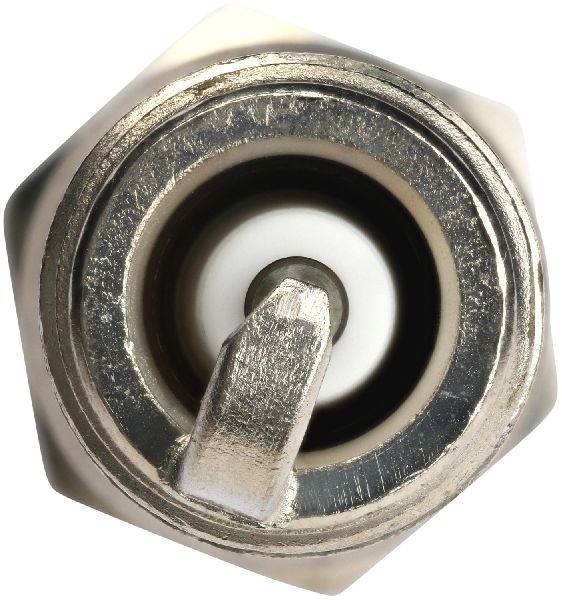
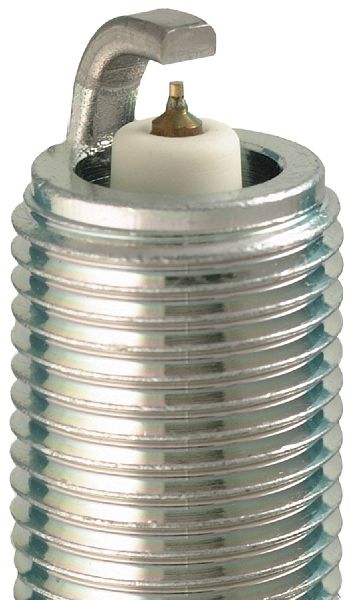
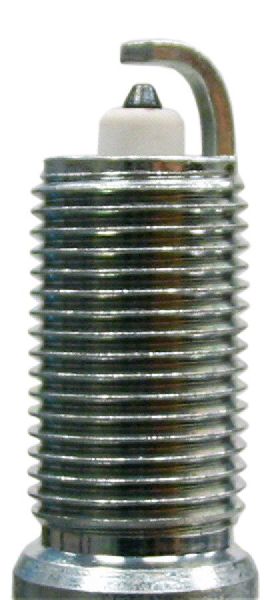
How to confirm: After removing the ignition coil, remove the spark plug from cylinder 5 and inspect it for wear, damage, or heavy carbon/oil deposits. The correct gap for the OEM ACDelco 41-107 Iridium plug is 0.043 inches, though they should not be re-gapped.
Typical fix: Replace the spark plug. It is best practice to replace all six spark plugs at once if they are near the end of their service life.
Est. part cost: $10-$25 per spark plug - Clogged or Faulty Fuel Injector ⚪ Low Probability Direct injection (DI) injectors operate under very high pressure and can become clogged with carbon deposits or fail electronically over time, preventing the correct amount of fuel from reaching the cylinder.
How to confirm: This is more difficult to diagnose. A professional can perform a fuel injector balance test. A DIY method is to listen for a consistent clicking sound from the injector with a mechanic's stethoscope. Swapping injectors is possible but much more involved than swapping coils.
Typical fix: Replace the faulty fuel injector. This also requires removing the intake manifold and potentially the fuel rail.
Est. part cost: $50-$120 for one injector
Rare But Worth Checking
- Carbon Buildup on Intake Valves: Direct injection engines spray fuel directly into the cylinder, so gasoline detergents don't wash over the intake valves. Over time, oil vapor from the PCV system can bake onto the valves, forming hard carbon deposits that restrict airflow to cylinder 5 and cause a misfire, especially on cold starts. This typically requires professional cleaning (e.g., walnut blasting) with the intake manifold removed.
- Low Engine Compression: Internal engine damage, such as a bad valve, worn piston rings, or a damaged cylinder head, can cause low compression in cylinder 5, leading to a misfire. A compression test can confirm this and would indicate the need for major engine repair.
- Intake Manifold Gasket Leak: A vacuum leak from a failed intake manifold gasket near the cylinder 5 runner can lean out the air/fuel mixture and cause a misfire. When removing the intake manifold for other service (coils, plugs), it is best practice to replace the gaskets.
Diagnosis Steps
- Read all codes stored in the ECM with an OBD-II scanner. Pay close attention to any timing-related codes like P0008 or P0017, as this points towards a timing chain issue.
- Listen for an engine rattle on a cold start, which is a classic symptom of a loose timing chain on the 3.6L V6.
- If no timing codes are present, proceed with diagnosing a simple misfire. The easiest test is to swap the cylinder 5 ignition coil with another cylinder (e.g., cylinder 4 on the easily accessible front bank).
- This requires removing the upper intake manifold to access the rear bank of cylinders (1, 3, 5). There are many video guides for this procedure. It is highly recommended to replace the intake manifold gaskets at this time.
- After swapping the coils, clear the codes and drive the vehicle until the check engine light returns.
- If the code changes to P0304 (or whichever cylinder you swapped with), the ignition coil is the culprit. Replace it.
- If the code remains P0305, the issue is not the coil. While the intake is off, inspect and replace the cylinder 5 spark plug. Check for wear, damage, or deposits. It's best to replace all plugs on the rear bank at this time.
- If the plug and coil are good, the next likely causes are a faulty fuel injector or a compression issue.
- A compression test on cylinder 5 will rule out mechanical engine problems. If compression is low, professional service is required.
- If all of the above check out, and especially if symptoms are worse on cold starts, suspect carbon buildup on the intake valves. Inspect them with a borescope while the intake manifold is removed.
- If no other cause is found, the problem most likely lies with the timing chains, which should be inspected by a qualified technician.
Parts You'll Likely Need
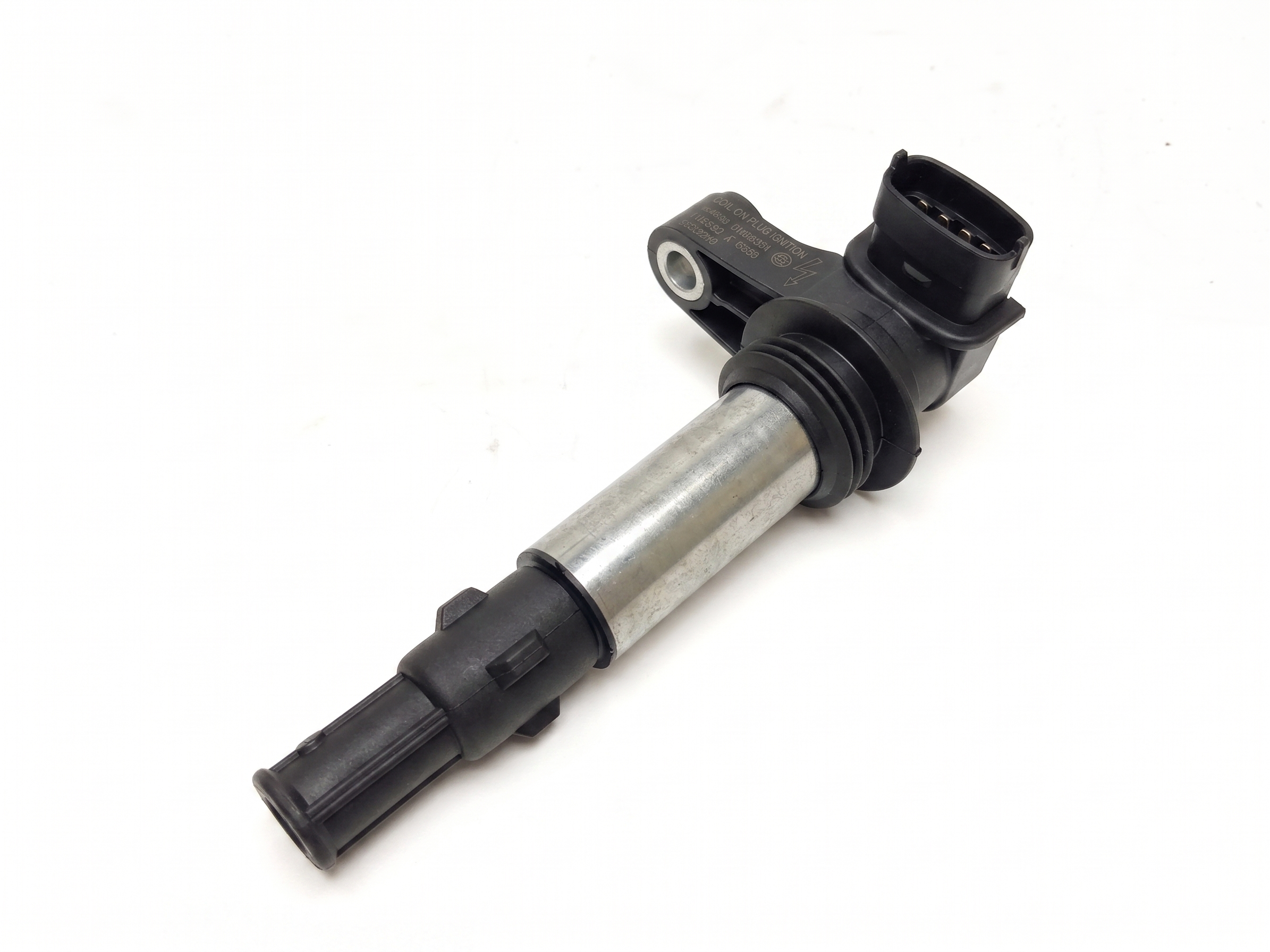
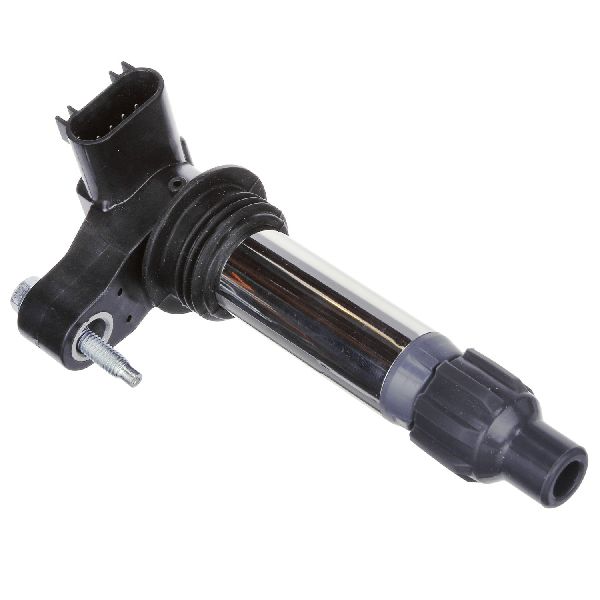
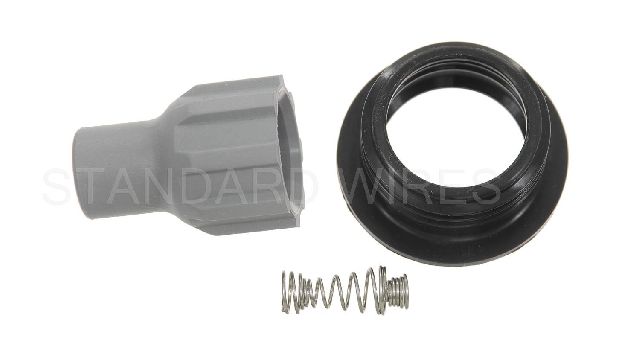
- Ignition Coil
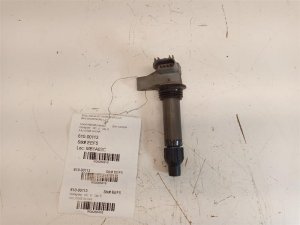
(OEM #12632479)— A common cause of isolated cylinder misfires. It's responsible for creating the high voltage needed to fire the spark plug.
Trusted brands: ACDelco, Delphi, NGK, Denso
OEM price range: $60-$90
Aftermarket price range: $40-$70 - Spark Plug
(OEM #41-107)
Related Codes That Often Appear With This One
- P0300 — If the misfire is intermittent or affects other cylinders, a P0300 (Random/Multiple Cylinder Misfire) code may be stored alongside P0305. This often happens when timing chains begin to stretch.
- P0008, P0017 — These codes indicate a problem with the engine timing and correlation between the crankshaft and camshafts. When seen with P0305, they are a very strong indicator that the root cause is a stretched timing chain.
- P0301, P0303 — Misfires on other cylinders in the same bank (Bank 1: cylinders 1, 3, 5) can occur for the same reason, such as a timing issue, a clogged catalytic converter for that bank, or a vacuum leak affecting the entire bank.
Technical Service Bulletins (TSBs) & Recalls

- Bulletin #11340C: Special Coverage Adjustment - Timing Chain Wear. This TSB acknowledges premature timing chain wear on 2009 Acadia models (among others) with the 3.6L V6. It extended warranty coverage for this specific condition to 10 years or 120,000 miles and covered the replacement of the timing chains. It also instructed dealers to reprogram the ECM if chains were not replaced.
- Bulletin #PIP5038B: This bulletin addresses a range of misfire codes (P0300-P0306) and related ignition coil circuit codes. It instructs technicians to follow standard diagnostic procedures but highlights the prevalence of these codes across the GM lineup, indicating a need for careful diagnosis rather than immediate parts replacement.
- Bulletin #PIP5029C: While not specific to P0305, this TSB discusses cold start misfires (P0300) on 2009+ 3.6L engines due to carbon buildup on intake valves, a relevant potential cause.
Platform-Specific Known Issues
- The 2009-2016 GMC Acadia, along with its platform mates (Chevrolet Traverse, Buick Enclave, Saturn Outlook), is known for premature timing chain stretching on its 3.6L V6 engine. This issue was so prevalent that it led to GM issuing Special Coverage Adjustment #11340C, extending the warranty to 10 years or 120,000 miles for many 2009 models. The root cause was often attributed to a combination of early chain design and long oil change intervals.
- Due to the direct injection design of the 3.6L LLT V6, carbon buildup on the intake valves is a common secondary issue that can cause misfires, particularly when the engine is cold. This is because fuel does not spray over the valves to clean them.
Mechanic-Grade Diagnostic Values
- High-Pressure Fuel Pressure (at idle) — expected: Desired and Actual pressure on scan tool should match at approx. 4 MPa (580 psi).. Failure: Actual pressure is significantly lower than desired pressure, especially under load.
- Low-Pressure Fuel Pressure (key on, engine off) — expected: 55-60 psi (379-414 kPa).. Failure: Pressure below this range indicates a weak in-tank fuel pump.
- Ignition Coil Primary Resistance — expected: 0.4 to 2.0 ohms.. Failure: An open circuit (infinite resistance) or a reading significantly outside the expected range.
- Ignition Coil Secondary Resistance — expected: 5,000 to 10,000 Ohms (5k-10k Ω).. Failure: A reading significantly outside this range suggests the coil's secondary winding has failed.
- Direct Fuel Injector Resistance — expected: 1.5 - 2.5 ohms for LFX engines, or around 12 ohms for LLT engines.. Failure: A significant deviation from the expected resistance, or an open/short reading.
- Camshaft Position Actuator Solenoid (VVT Solenoid) Resistance — expected: 7-12 Ohms.. Failure: A reading outside this range, or infinite resistance (open circuit), indicates a failed solenoid.
Hidden / Shadow Codes Worth Checking
- Mode $06, Test ID $A2-$A7: Provides raw misfire counts for each cylinder (Cylinder 1 is $A2, Cylinder 2 is $A3, etc.). This allows a technician to see misfires that have not yet reached the threshold to set a P030x code. (see via A professional scan tool or some consumer-grade OBD-II scanners with Mode $06 functionality.)
Scan Tool Commands That Help
- GDS2 / Tech2: Crankshaft Position Variation Learn — This procedure must be performed after replacing the crankshaft, crankshaft position sensor, or performing major engine work like a timing chain replacement. It resets the baseline for misfire detection. Failure to perform it can lead to false P030x codes.
- GDS2 / Tech2: Injector Balance Test — Used to diagnose a potentially faulty fuel injector. The scan tool commands each injector to fire for a set duration and measures the corresponding drop in fuel pressure. An injector that causes a significantly different pressure drop than the others is likely faulty.
Wiring & Ground Locations
- G112 — On the rear of the Bank 1 (firewall side) cylinder head.. This is a primary ground for the ignition coils on Bank 1, which includes cylinder 5. A loose or corroded connection at G112 can cause intermittent misfires on cylinders 1, 3, and 5.
- Ignition Coil Connector (Cylinder 5) — On top of the ignition coil for cylinder 5, under the intake manifold.. The connector provides power and the trigger signal from the ECM. A damaged connector or spread terminals can cause a poor connection, leading to a P0305. The wires to check are the ignition voltage circuit, the control circuit (trigger from ECM), and the ground circuit.
- Fuel Injector Connector (Cylinder 5) — On the cylinder 5 fuel injector, under the intake manifold.. Provides the signal to operate the fuel injector. A fault in the wiring harness (short or open) to this connector will prevent the injector from firing, causing a P0305. The two wires are the high voltage supply circuit and the high voltage control circuit.
Real Owner Repair Stories
- Edmunds Car Forums (2011 GMC Acadia Denali, 82,000 miles) — Check engine light with misfire codes.
❌ Tried (didn't work) An initial induction cleaning service fixed the issue for about a year., A second induction cleaning service when the light returned did not fix it; the light came back on immediately., Using Sea Foam in the gas tank as recommended by the mechanic.
✅ What actually fixed it The owner was advised by two separate mechanics that the issue was hard carbon deposits on the intake valves, a known issue with the 3.6L direct injection engine. The final recommended fix was physical cleaning of the valves (such as walnut shell blasting) which requires removing the intake manifold. - The ASE Mechanic YouTube Channel (GMC Acadia (year not specified)) — Intermittent misfire on cylinders 2, 4, and 6 (Bank 2) with P0300 code.
❌ Tried (didn't work) The owner drove the vehicle for over two weeks with the issue, which led to a melted catalytic converter.
✅ What actually fixed it The mechanic found a loose 8mm bolt for the main engine ground on Bank 2. Tightening this ground bolt resolved the intermittent misfire condition. The video notes that for Bank 1 misfires (1, 3, 5), a similar ground on that cylinder head should be checked.
Model Year Variations Within This Range
- 2009-2011: These model years use the 3.6L LLT V6 engine. Fuel injector resistance is specified around 11-14 ohms.
- 2012-2016: These model years use the updated 3.6L LFX V6 engine. The LFX features cylinder heads with integrated exhaust manifolds, a composite intake manifold, and different fuel injectors with a lower resistance specification (around 1.5-2.5 ohms). While still prone to timing chain and carbon issues, diagnostic values for some components differ from the earlier LLT engine.
Helpful Videos

Used OEM Parts in Stock
New Aftermarket Parts Available

The information in this article is provided for general reference and educational purposes only. Vehicle specifications, procedures, and part compatibility can vary by production date, trim level, and region. Always consult your vehicle's factory service manual and verify part numbers before purchasing or performing repairs. Safety-critical components such as airbags, seat belts, and braking systems should be installed by a qualified professional.
- Gmc ACADIA:
- 🎬 Helpful Videos
- 🛍️ Shop This Part
- What's Unique About the 2009-2016 Gmc ACADIA
- Diagnostic Flowchart
- Symptoms You May Notice
- Most Likely Causes
- Rare But Worth Checking
- Diagnosis Steps
- Parts You'll Likely Need
- Related Codes That Often Appear With This One
- Technical Service Bulletins (TSBs) & Recalls
- Platform-Specific Known Issues
- Mechanic-Grade Diagnostic Values
- Hidden / Shadow Codes Worth Checking
- Scan Tool Commands That Help
- Wiring & Ground Locations
- Real Owner Repair Stories
- Model Year Variations Within This Range
- 🎟️ Get 5% Off