

P0305 on 2010-2013 Chevrolet Express: Cylinder 5 Misfire Causes and Fixes
A P0305 code on a 2010-2013 Chevy Express indicates a misfire in cylinder 5. The most common cause, cited in GM TSB #PIP4819A, is a loose or faulty spark plug wire. Other frequent culprits include a worn spark plug or a bad ignition coil. If a ticking noise is present, the issue could be a more serious mechanical problem like a failed lifter, a known issue on these V8 engines.
- P0305 means cylinder 5 is misfiring.
- Start your diagnosis by checking the spark plug wire for cylinder 5 (third from the front on the driver's side), as this is a known issue (TSB #PIP4819A).
- If the wire is good, the most likely culprits are the spark plug or ignition coil. Swap these parts with another cylinder to confirm the failure before buying new parts.
- Do not ignore a flashing Check Engine Light, as it signals a severe misfire that can quickly damage your catalytic converter.
What's Unique About the 2010-2013 Chevrolet EXPRESS
For the V8 engines in the 2010-2013 Express (4.8L, 5.3L, 6.0L), the ignition system uses individual ignition coils connected to the spark plugs via short spark plug wires. A General Motors Technical Service Bulletin (TSB #PIP4819A) specifically calls out loose spark plug wires as a cause for misfire codes, including P0305, on these vehicles. This makes checking the wire connection at both the coil and the spark plug the most important first step. Additionally, some of these engines feature Active Fuel Management (AFM), which can lead to lifter failure, a more severe potential cause for a single-cylinder misfire that may not be present on other platforms.
Diagnostic Flowchart
Tap your situation to follow the diagnostic path that matches what you're seeing on this vehicle.
Symptoms You May Notice
- Flashing or solid Check Engine Light
- Rough or shaking idle
- Engine hesitation or stumbling during acceleration
- Noticeable loss of power
- Possible fuel smell from the exhaust
- Engine may sound like it's stuttering or choking under load.
- A persistent ticking or chirping noise from the engine bay, which could indicate a mechanical issue.
- Replacing the catalytic converter. A misfire can destroy a catalytic converter, but the converter itself does not cause the misfire. The misfire must be fixed first.
Most Likely Causes
- Loose or Faulty Spark Plug Wire 🔴 High Probability A known issue documented in GM Technical Service Bulletin #PIP4819A. The wire can become loose at the coil or spark plug, causing an intermittent connection. Some owners report aftermarket wires can be too long and rub against the steering shaft, pulling them loose.
How to confirm: Locate cylinder 5 (the third cylinder back on the driver's side). Check that the spark plug wire is firmly clicked into place on both the ignition coil and the spark plug. Inspect the wire for any signs of damage, corrosion, or arcing. A solid click should be felt and heard when seating it.
Typical fix: Reseat the wire firmly. If the connection is loose or the wire is damaged, replace the full set of spark plug wires. 🎬 See this walkthrough for replacing plugs and wires on an Express.
Est. part cost: $40-$80 - Worn Spark Plug 🔴 High Probability
How to confirm: Remove the spark plug from cylinder 5. Inspect it for wear, fouling, or a cracked insulator. For a definitive test, swap the cylinder 5 spark plug with one from another cylinder (e.g., cylinder 1). If the code changes to P0301, the spark plug is the culprit.
Typical fix: Replace the spark plug. It is recommended to replace all 8 spark plugs at the same time for even performance. The original ACDelco 41-110 plugs have been superseded by 41-162, though some owners prefer the look and quality of the 41-110s if they can be found.
Est. part cost: $5-$15 per plug - Bad Ignition Coil 🟡 Medium Probability
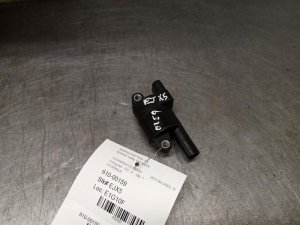
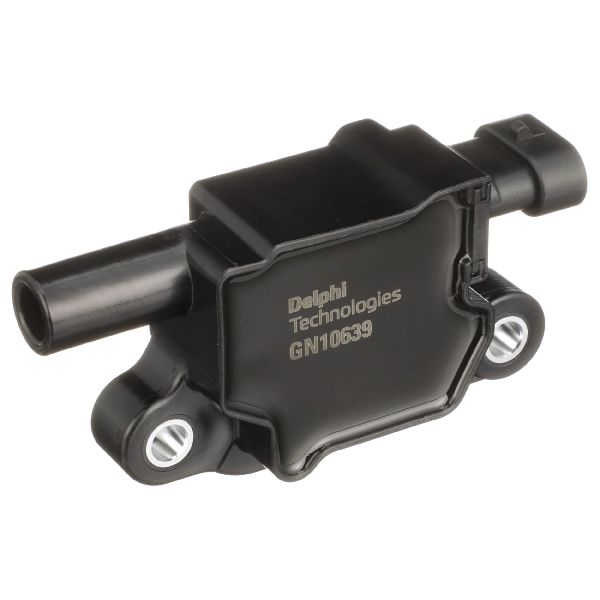
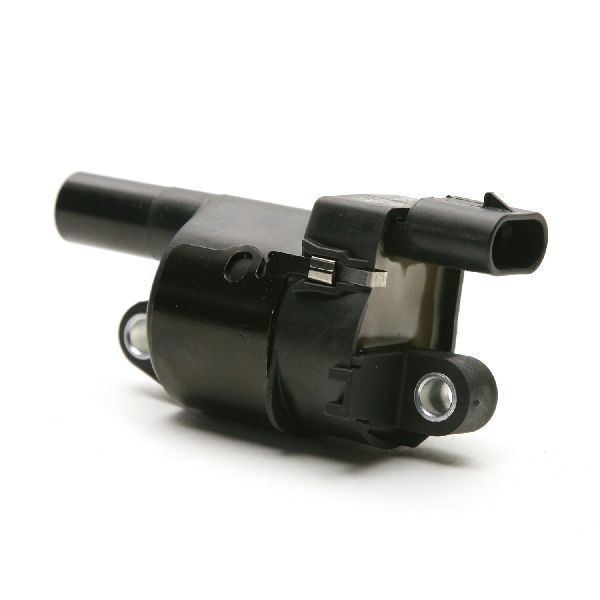
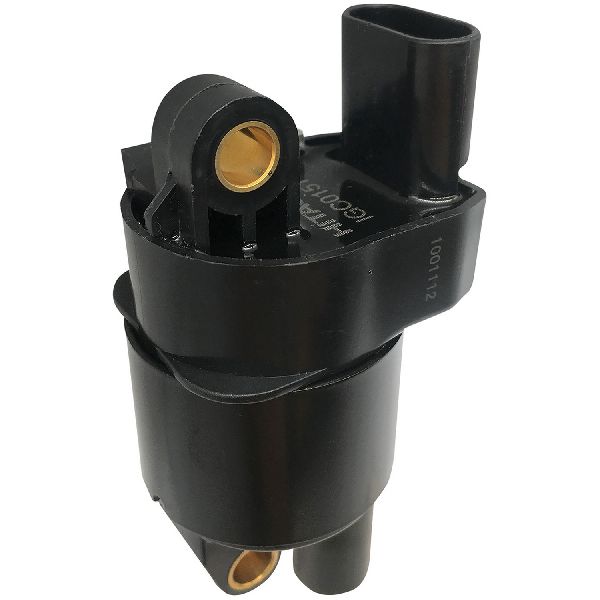
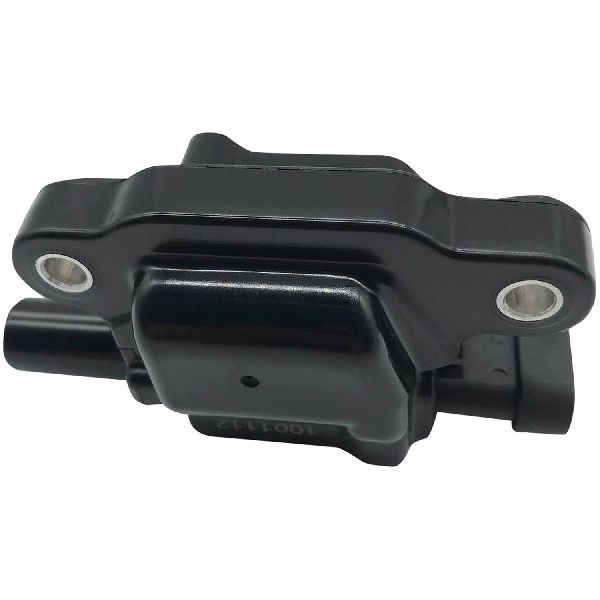
How to confirm: Swap the ignition coil from cylinder 5 with another cylinder (e.g., cylinder 1). Clear the codes and drive the vehicle. If the misfire code moves to P0301, the ignition coil is faulty. There are two different styles of coil packs (round and flat), so visually confirm which type you have before ordering a replacement. 🎬 Watch: How to replace an ignition coil on your Chevy Express.
Typical fix: Replace the failed ignition coil.
Est. part cost: $30-$60 - Clogged or Faulty Fuel Injector ⚪ Low Probability
How to confirm: This is a more involved diagnosis. A professional can perform a fuel injector balance test. A DIY method is to listen to the injector with a mechanic's stethoscope to ensure it's clicking. Swapping the injector with another cylinder is also possible but requires disassembling the fuel rail.
Typical fix: Replace the faulty fuel injector. It's often recommended to replace all injectors on that bank or all 8 if they are original and high-mileage.
Est. part cost: $50-$100 per injector
Rare But Worth Checking
- Intake Manifold Gasket Leak: A vacuum leak near the intake runner for cylinder 5 can lean out the air/fuel mixture and cause a misfire. This may be more noticeable at idle and can sometimes produce a hissing sound. A damaged gasket can also cause coolant leaks or overheating.
- Mechanical Engine Issue (Lifter/Camshaft): Though less common for a single non-AFM cylinder, a persistent P0305 after checking fuel and ignition could point to an internal engine problem. A collapsed or stuck lifter or a worn camshaft lobe are known issues on this engine family, often accompanied by a ticking or chirping noise. A compression test is the first step to diagnose this, followed by a visual inspection of the valvetrain with the valve cover removed.
Diagnosis Steps
- Read the code with an OBD-II scanner to confirm P0305. Check for any other stored codes.
- Identify cylinder 5. On the Chevy Express V8 engines, cylinders are numbered 1-3-5-7 on the driver's side (front to back) and 2-4-6-8 on the passenger's side. Cylinder 5 is the third one back on the driver's side.
- Per TSB #PIP4819A, inspect the spark plug wire for cylinder 5. Ensure it is securely fastened at the ignition coil and the spark plug. Wiggle it to check for looseness. Check for rubbing against the steering shaft.
- If the wire is secure, swap the ignition coil from cylinder 5 with the coil from cylinder 1 (P0301). Clear the codes and drive. If the code returns as P0301, the coil is bad.
- If the code remains P0305, swap the spark plug from cylinder 5 with the plug from cylinder 1. Clear the codes and drive. If the code returns as P0301, the spark plug is bad.
- If the misfire is still on cylinder 5, listen to the fuel injector with a mechanic's stethoscope to confirm it is clicking. Check the wiring harness and connector for damage.
- If fuel and ignition systems are confirmed to be working, perform a compression test on cylinder 5 to rule out mechanical engine problems like a bad lifter, worn cam lobe, or valve issue.
Parts You'll Likely Need
- Spark Plug Wire Set
(OEM #9748RR)— This is the most likely cause according to GM's own service bulletin. Wires are a common wear item and should be replaced as a set.
Trusted brands: ACDelco, NGK
OEM price range: $50-$70
Aftermarket price range: $40-$60 - Ignition Coil
(OEM #12699382)— A common failure point that causes a single-cylinder misfire. The coil-near-plug design makes it easy to access and replace. Note: The ACDelco part number D521C (GM 25198623) is often cross-referenced but appears to fit smaller GM engines, not the V8s in the Express. The correct OEM number is often cited as 12699382 or the part it supersedes.
Trusted brands: ACDelco, Delphi
OEM price range: $45-$60
Aftermarket price range: $30-$50 - Iridium Spark Plug
(OEM #41-110)— Spark plugs are a routine maintenance item and a frequent cause of misfires as they wear out. The OEM recommended plug 41-110 has been superseded by 41-162.
Trusted brands: ACDelco, NGK
OEM price range: $8-$12
Aftermarket price range: $6-$10
Related Codes That Often Appear With This One
- P0300 — This is a 'Random/Multiple Misfire' code. It often appears alongside a specific cylinder code like P0305 if the misfire is severe or affecting other cylinders intermittently.
Technical Service Bulletins (TSBs) & Recalls
- PIP4819A: Notes that a Service Engine Soon light with misfire codes (P0300-P0308) can be caused by loose spark plug wires, and the fix is to inspect and replace them as needed.
- 19-NA-219: While not specific to P0305, this bulletin details various causes for misfires and engine noises on this engine family, including worn cam lobes, sticking valves, and collapsed lifters, which are relevant if basic ignition/fuel fixes fail.
Platform-Specific Known Issues
- A notable issue documented in TSB #PIP4819A is the tendency for spark plug wires to become loose, leading to misfire codes like P0305. Technicians are advised to inspect and replace any loose wires.
- On engines equipped with Active Fuel Management (AFM), lifter failure is a significant and well-documented problem. While AFM cylinders are typically 1, 4, 6, and 7, a failure on any lifter can cause camshaft damage over time, leading to misfires on other cylinders. A persistent ticking noise is a major warning sign.
Mechanic-Grade Diagnostic Values
- Fuel Pressure (Key On, Engine Off) — expected: 55-62 PSI. Failure: Pressure below 55 PSI can indicate a weak fuel pump or a leak in the system.
- Fuel Injector Resistance — expected: 11.5 - 12.5 ohms. Failure: A reading significantly outside this range, or an open/shorted circuit, indicates a failed injector coil.
- Ignition Coil Secondary Resistance — expected: 9.5 - 11.1 kOhms. Failure: A reading outside this range suggests a fault in the coil's secondary windings.
Hidden / Shadow Codes Worth Checking
- Misfire Counters (Live Data): While not a stored 'code', professional scan tools (Tech2, GDS2) can display live misfire counters for each individual cylinder. This allows a technician to see small misfire events in real-time, even if they aren't frequent enough to set a P0305 code yet. This is crucial for diagnosing intermittent issues. (see via GM Tech2 or GDS2 software, or high-end aftermarket scanners with GM-specific live data capabilities.)
Scan Tool Commands That Help
- GDS2 / Tech2 / High-End Aftermarket: Cylinder Power Balance Test — This is a definitive test to confirm which cylinder is misfiring. The tool deactivates one cylinder at a time (by cutting fuel) and measures the corresponding drop in engine RPM. If disabling cylinder 5 causes little or no RPM drop compared to other cylinders, it confirms cylinder 5 is not contributing power.
- GDS2 / Tech2 / High-End Aftermarket: Fuel Injector Balance Test — Use this test when a faulty fuel injector is suspected. The scan tool commands the fuel pump to pressurize the rail, then pulses a single injector for a precise duration. The technician measures the pressure drop on a mechanical gauge. Comparing the drop from cylinder 5 to other cylinders can identify a clogged or faulty injector.
- GDS2 / Tech2 / High-End Aftermarket: Crankshaft Position (CKP) System Variation Learn — This procedure should be performed after replacing a crankshaft position sensor, ECM, or making major engine repairs. If the stored CKP variation data is incorrect, the ECM can misinterpret crankshaft speed fluctuations and falsely trigger misfire codes. Running the relearn procedure can resolve these false codes.
Wiring & Ground Locations
- PCM/ECM Ground — Typically found on the rear of the driver's side cylinder head or the top rear of the engine block. It is a black wire with a white stripe attached via a bolt.. A poor PCM ground can cause erratic behavior from multiple sensors, including the crank and cam sensors, leading to false misfire detection. It can also affect the ground reference for the ignition coil and fuel injector drivers.
- Ignition Coil Grounds — The ignition coils are grounded via a common ground wire in the harness that typically bolts to the cylinder head on each bank.. A loose or corroded ground for the driver's side bank can cause a weak spark on cylinders 1, 3, 5, and 7, leading to misfires.
- Engine Block to Firewall Ground — A braided ground strap connecting the back of the engine/cylinder head to the vehicle's firewall.. This is a secondary engine ground. If the main battery-to-block ground is compromised, this strap becomes critical. A poor connection here can cause a host of electrical issues, including ignition problems.
Real Owner Repair Stories
- Tahoe Yukon Forum (Chevrolet Tahoe 5.3L (similar engine architecture)) — Persistent P0305 misfire, rough running.
❌ Tried (didn't work) Replaced spark plug, Replaced spark plug wire, Swapped ignition coil, Replaced fuel injector
✅ What actually fixed it The final cause was a failed/collapsed exhaust lifter on cylinder #5, which is not an AFM cylinder. This required removing the cylinder head to replace the lifter.
"I Checked Everything" — The Actual Cause
- In cases where ignition parts, fuel parts, and a vacuum leak test (smoke test) all check out, the root cause is often mechanical. A forum user diagnosed a P0305 that persisted after replacing all common ignition and fuel components. The actual cause was a collapsed exhaust lifter on cylinder 5, a mechanical failure that a smoke test cannot detect.
When the Usual Fixes Don't Work
- While the most common causes for P0305 are simple ignition components, there are documented cases where owners have replaced plugs, wires, and coils with no success. In one such case involving a 5.3L V8, the ultimate culprit was a failed exhaust lifter on cylinder #5. This highlights that if the basic ignition and fuel swaps do not resolve the misfire, a mechanical issue like a lifter or camshaft lobe failure must be considered, even on a cylinder not typically associated with AFM problems.
OEM Part Supersession History
ACDelco D510C (and others)→12611424, 12570616— Standard part evolution and supplier changes.
Heads up: The 'round' or 'melon' style coil (e.g., D510C) is correct for these V8 engines. Do not use the 'square' or 'flat' style coil (e.g., D521C), which is often incorrectly cross-referenced by parts stores but is intended for smaller 4-cylinder GM engines like the Cruze.
Model Year Variations Within This Range
- 2010-2013: Some engines in this range may be the L59 variant, which is Flex Fuel (E85) capable. Most are the standard gasoline LM7 engine. While the P0305 diagnosis is the same, be aware that Flex Fuel vehicles may have different part numbers for fuel injectors and the fuel pump to handle the corrosive nature of ethanol.
Helpful Videos
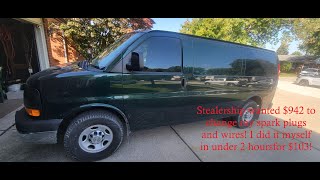
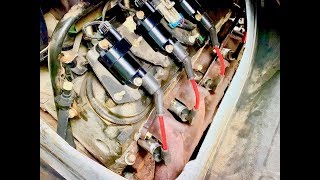
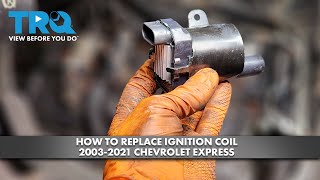
Used OEM Parts in Stock

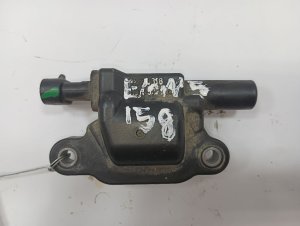
New Aftermarket Parts Available


The information in this article is provided for general reference and educational purposes only. Vehicle specifications, procedures, and part compatibility can vary by production date, trim level, and region. Always consult your vehicle's factory service manual and verify part numbers before purchasing or performing repairs. Safety-critical components such as airbags, seat belts, and braking systems should be installed by a qualified professional.
- Chevrolet EXPRESS:
- 🎬 Helpful Videos
- 🛍️ Shop This Part
- What's Unique About the 2010-2013 Chevrolet EXPRESS
- Diagnostic Flowchart
- Symptoms You May Notice
- Most Likely Causes
- Rare But Worth Checking
- Diagnosis Steps
- Parts You'll Likely Need
- Related Codes That Often Appear With This One
- Technical Service Bulletins (TSBs) & Recalls
- Platform-Specific Known Issues
- Mechanic-Grade Diagnostic Values
- Hidden / Shadow Codes Worth Checking
- Scan Tool Commands That Help
- Wiring & Ground Locations
- Real Owner Repair Stories
- "I Checked Everything" — The Actual Cause
- When the Usual Fixes Don't Work
- OEM Part Supersession History
- Model Year Variations Within This Range
- 🎟️ Get 5% Off