

P0305 on 2019-2021 Audi A7: Cylinder 5 Misfire Causes and Fixes
P0305 on a 2019-2021 Audi A7 most often means a failed ignition coil on cylinder 5. A simple diagnostic is to swap the coil with another cylinder to see if the fault follows. A new OEM-quality coil costs about $35-$55. If the coil and spark plug are good, the issue could be a more serious rocker arm failure, a known problem on this engine.
- P0305 on a 2019-2021 Audi A7 means cylinder 5 is misfiring.
- The most probable cause is a bad ignition coil, followed by a worn spark plug.
- A simple DIY test is to swap the cylinder 5 ignition coil with another cylinder's coil to see if the fault code moves.
- Avoid driving with a flashing check engine light to prevent costly damage to the catalytic converter.
- Check with an Audi dealer if a software update is available, as several TSBs mention this as a fix for misfire codes.
What's Unique About the 2019-2021 Audi A7
The 2019-2021 Audi A7 uses the EA839 (specifically, the DLZA code) 3.0L turbocharged V6 engine. Like many modern direct-injection VAG engines, the ignition coils are a known common failure point that can lead to misfires. Additionally, several Technical Service Bulletins (TSBs) have been issued by Audi for various models using this engine family, including the A7, for misfire conditions that can be resolved with a software update, indicating a sensitivity in the engine management system, particularly with certain fuel blends like winter-grade gasoline. A more serious and notable issue for the EA839 engine is the potential for rocker arm bearing failure, which can cause a distinct ticking noise and lead to misfires and, if ignored, catastrophic engine damage.
Diagnostic Flowchart
Tap your situation to follow the diagnostic path that matches what you're seeing on this vehicle.
Symptoms You May Notice
- Flashing or solid Check Engine Light
- Rough or vibrating idle
- Engine hesitation or stumbling during acceleration
- Noticeable loss of power
- A smell of fuel from the exhaust
- Distinct metallic ticking or tapping sound from the top of the engine, especially on the driver's side (Bank 2), which could indicate rocker arm failure.
- Replacing the fuel injector when the issue is a simple spark plug or ignition coil.
- Replacing oxygen sensors, which are unlikely to cause a single-cylinder misfire.
- Assuming a ticking noise is normal injector sound when it could be the more serious rocker arm failure.
Most Likely Causes
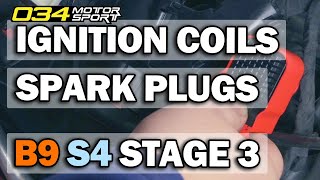
- Faulty Ignition Coil 🔴 High Probability Ignition coils on modern VAG engines are a very common failure item due to high heat and electrical stress. Aftermarket performance brands like APR and 034Motorsport offer high-output versions as direct replacements 🎬 Watch: How to install performance ignition coils and spark plugs., highlighting the frequency of this issue.
How to confirm: Swap the ignition coil from cylinder 5 with an adjacent cylinder (e.g., cylinder 4 or 6). Clear the codes and drive. If the code changes to P0304 or P0306, the coil is faulty.
Typical fix: Replace the faulty ignition coil. It is often recommended to replace all six coils at the same time for preventative maintenance, especially if they are original and the vehicle has higher mileage.
Est. part cost: $35 - $55 per coil - Worn or Fouled Spark Plug 🟡 Medium Probability Spark plugs are a regular maintenance item with a finite lifespan. High cylinder pressures in turbocharged engines can accelerate wear, and a faulty plug is a common cause for misfire codes like P0301-P0306.
How to confirm: After confirming the coil is good, remove the spark plug from cylinder 5. Inspect it for wear (worn electrode), carbon fouling, or damage to the ceramic insulator. Compare it to a plug from a healthy cylinder.
Typical fix: Replace the spark plug. It is best practice to replace all six spark plugs as a set to ensure even performance. Ensure they are gapped correctly if not pre-gapped.
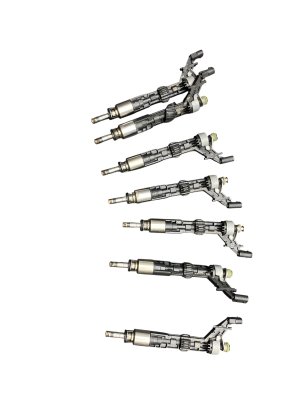
Est. part cost: $20 - $40 per plug - Faulty Fuel Injector ⚪ Low Probability Direct fuel injectors operate under high pressure and can become clogged or fail electronically over time, leading to lean conditions or misfires.
How to confirm: This is more difficult to diagnose. A professional can perform a fuel injector balance test. Swapping injectors between cylinders is possible but is a labor-intensive task that often requires removal of the fuel rail and intake components.
Typical fix: Replace the faulty fuel injector. It's often recommended to replace the seals for the surrounding injectors at the same time.
Est. part cost: $150 - $250 per injector - Engine Control Module (ECM) Software ⚪ Low Probability Audi has released TSBs for the EA839 engine family indicating that misfire codes can be triggered by software calibration issues, sometimes related to winter-blend fuels. The fix is an official software update.
How to confirm: A dealership or qualified shop with an ODIS diagnostic tool can check the current software version of the ECM (address word 0001) against Audi's database to see if an update is available per TSBs like A0123802069038_4 or A0122312069038_1.
Typical fix: Update the ECM software. This must be done by a dealer or specialist with access to Audi's Software Version Management (SVM) system.
Est. part cost: $0 (if under warranty) - $250
Rare But Worth Checking
- Low Cylinder Compression (Rocker Arm Failure): A known and serious issue on early EA839 engines (approx. 2017-2019) is rocker arm bearing failure. The needle bearings can fail, causing the rocker arm to create a loud ticking noise, lose contact with the camshaft, and result in a loss of compression and misfires (P0304, P0305, P0306 are common for Bank 2). If ignored, this can lead to metal shavings in the oil and catastrophic engine damage. Diagnosis requires a compression test and physical inspection.
- Vacuum Leak: A vacuum leak from a cracked hose or failed gasket can introduce unmetered air and disrupt the air-fuel ratio. While it typically causes random misfires (P0300) or affects a whole cylinder bank, a leak at the intake manifold runner for a specific cylinder could cause a single-cylinder misfire.
Diagnosis Steps
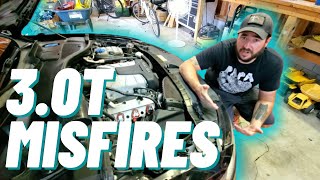
- Read the fault codes using an OBD-II scanner to confirm P0305 and note any other codes. Check freeze frame data 🎬 See this walkthrough on diagnosing misfires on Audi V6 engines. to see the conditions (engine speed, load) when the misfire occurred.
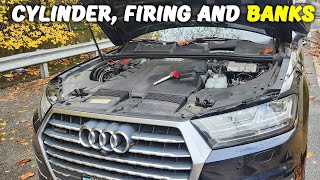
- To easily identify the faulty component, swap the ignition coil from cylinder 5 with the coil from cylinder 4. On the EA839 V6, Bank 2 is the driver's side. The cylinders are numbered 4-5-6 from front to back. Cylinder 5 is the middle cylinder on the driver's side.
- Clear the codes and drive the car until the check engine light reappears.
- Scan the codes again. If the code is now P0304, the ignition coil is the problem.
- If the code remains P0305, the coil is likely good. Return it to its original position and move the spark plug from cylinder 5 to cylinder 4.
- Clear the codes and repeat the test drive. If the code changes to P0304, the spark plug is faulty.
- If the code remains P0305, listen carefully to the driver's side of the engine for a distinct metallic ticking noise, which could suggest a rocker arm issue.
- Inspect the wiring harness and connector for the cylinder 5 coil and injector for any visible damage or corrosion.
- Consult a professional to perform a cylinder compression and leak-down test to check the mechanical health of the engine, which is critical if a rocker arm failure is suspected.
Parts You'll Likely Need
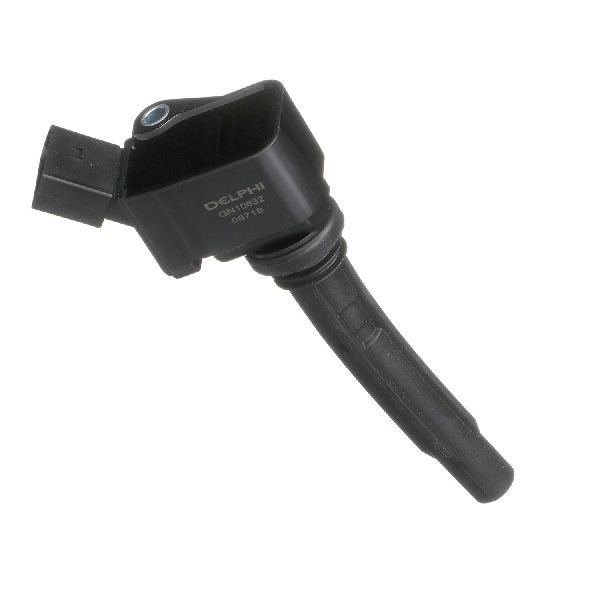
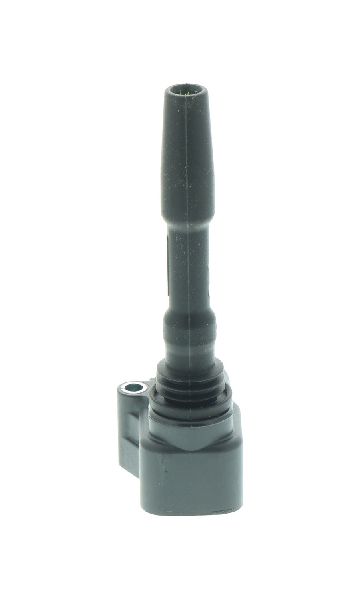
- Ignition Coil
(OEM #06M905115F (or superseding versions))— This is the most common failure part for a P0305 code on this engine. It's responsible for generating the high voltage for the spark plug. The original part number may have been superseded. Eldor is a known OEM supplier.
Trusted brands: Genuine Audi/VW, Eldor, Bosch, APR, NGK
OEM price range: $55
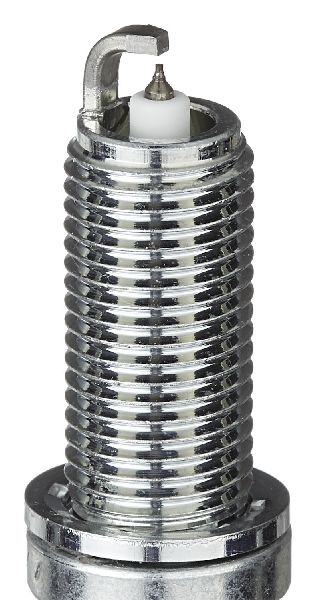
Aftermarket price range: $35 - Spark Plug
(OEM #06M905606F)— This is a standard maintenance item that wears out over time. A worn plug can't create a strong enough spark, causing a misfire. NGK is a common OEM supplier for this part.
Trusted brands: NGK, Bosch, Denso
OEM price range: $40
Aftermarket price range: $20 - Fuel Injector
(OEM #06E906036AL)— If the ignition system is healthy, a clogged or failed fuel injector is the next likely cause, preventing the correct amount of fuel from entering the cylinder. This part number is for the preceding EA837 engine but is often listed as compatible; verification with VIN is crucial.
Trusted brands: Bosch, Genuine Audi
OEM price range: $250
Aftermarket price range: $150
Related Codes That Often Appear With This One
- P0300 — If the misfire is intermittent or begins to affect other cylinders, a P0300 (Random/Multiple Cylinder Misfire) code may appear alongside P0305.
- P0304, P0306 — These codes indicate misfires in other cylinders on the same bank (Bank 2, driver's side). Seeing them together with P0305 could point to a systemic issue on that bank, such as a clogged catalytic converter, a vacuum leak affecting that side, or the known rocker arm issue.
Technical Service Bulletins (TSBs) & Recalls
- A0124212069038_5: General TSB for MIL on with cylinder misfires P0300-P0306.
- A0123802069038_4: Notes that an ECM software update can correct misfire detection.
- A0122312069038_1: Explicitly states a software update is available for MIL illumination with DTCs P03
Platform-Specific Known Issues
- Audi has issued several Technical Service Bulletins (TSBs) related to misfire codes (including P0305) for 2019-2021 A7 models. TSB A0123802069038_4 and others note that a software update for the Engine Control Module can correct misfire detection sensitivity, especially for issues related to winter blend fuel.
- A widely discussed issue on the EA839 engine family, particularly in 2018-2019 models, is the potential for rocker arm failure. This can cause a ticking noise from the valve cover area and may eventually lead to severe engine damage, including loss of compression and misfires on Bank 2 (Cylinders 4, 5, 6). Audi has released updated rocker arm parts to address this.
Mechanic-Grade Diagnostic Values
- High Pressure Fuel Rail (Actual Value) — expected: Over 60 bar (approx. 870 PSI) after a hot soak, should be stable at idle.. Failure: Significant drops in pressure under load or values far below specification (e.g., P0087 code) could indicate a failing High-Pressure Fuel Pump (HPFP).
Hidden / Shadow Codes Worth Checking
- P0171: System Too Lean (Bank 1). While not a shadow code, this often appears with misfires caused by a vacuum leak, such as a failed PCV system. A lean condition can lead to misfires as the air-fuel mixture becomes difficult to ignite. (see via Standard OBD-II scanner.)
- P0507: Idle Control System RPM Higher Than Expected. This can be triggered by a vacuum leak from a faulty PCV valve, which introduces unmetered air and can lead to misfires. (see via Standard OBD-II scanner.)
Scan Tool Commands That Help
- VCDS (VAG-COM) or ODIS: Live Data > Misfire Sum Counter & Misfire cylinder 1-6 — This is the primary method for confirming which cylinder is misfiring and how frequently. After swapping a coil or spark plug, monitoring these counters will show if the misfire has moved to the new cylinder, confirming the faulty component.
- VCDS (VAG-COM) or ODIS: Advanced Measuring Values > Fuel high pressure; actual value — Used to monitor the high-pressure fuel system. If misfires occur under load and are not ignition-related, checking for a stable and adequate fuel pressure is a critical next step.
Wiring & Ground Locations
- Engine Ground Points — The main engine ground strap is typically located at the bottom front right of the engine compartment on the C8 platform. Additional grounds are located on the chassis rails near the strut towers.. A poor engine ground can cause a variety of electrical issues, including weak spark from the ignition coils or erratic sensor readings, which can lead to misfire codes. Ensuring the main ground connections are clean and tight is a crucial, often overlooked, diagnostic step.
- Cylinder 5 Injector/Coil Connector — On the driver's side (Bank 2) of the engine, the middle connector on the engine wiring harness corresponds to cylinder 5.. When diagnosing a persistent P0305, inspecting the specific connector and its wiring for cylinder 5 is essential. Look for corrosion, backed-out pins, or harness damage that could interrupt the signal to the coil or injector.
Real Owner Repair Stories
- Reddit user on r/AudiS4 (2018 Audi S4 (shares EA839 engine)) — Misfires and low compression on cylinder 6.
❌ Tried (didn't work) Not specified, but diagnosis led to compression test.
✅ What actually fixed it Dealer ran a compression test which failed. They suspected a failed piston ring and recommended a new engine under warranty. This highlights that misfires on the EA839 can be a symptom of serious internal engine failure. - AudiWorld Forums (Audi S4 (B8 platform, different engine but same diagnostic principle)) — Consistent P0305 misfire code.
❌ Tried (didn't work) Swapped spark plug from cylinder 5 to 6., Swapped ignition coil pack from cylinder 5 to 6.
✅ What actually fixed it The user's problem remained on cylinder 5 after swapping the most common parts, pointing towards a more complex issue like a fuel injector, wiring, or mechanical compression problem. This story is valuable as it demonstrates a real-world example of the standard diagnostic steps failing to isolate the cause.
OEM Part Supersession History
06M109417H, 06M109417L→0P2109417— The original rocker arms on early EA839 engines were prone to bearing failure. The updated part number represents a revised design to improve durability and address the widespread failure causing ticking noises and misfires.
Heads up: The newer part (0P2109417) is the correct replacement for all previous versions and should be used for any rocker arm service.
Model Year Variations Within This Range
- 2019-2021: There were no significant mechanical changes to the DLZA engine within this model year range that would alter the fundamental causes or diagnosis of a P0305 code. The primary change was the introduction of a plug-in hybrid model in 2021, which has a different powertrain. The known rocker arm issue is more prevalent on earlier 2019 models but can still occur on later years.
Helpful Videos
Used OEM Parts in Stock
New Aftermarket Parts Available


The information in this article is provided for general reference and educational purposes only. Vehicle specifications, procedures, and part compatibility can vary by production date, trim level, and region. Always consult your vehicle's factory service manual and verify part numbers before purchasing or performing repairs. Safety-critical components such as airbags, seat belts, and braking systems should be installed by a qualified professional.
- Audi A7:
- 🎬 Helpful Videos
- 🛍️ Shop This Part
- What's Unique About the 2019-2021 Audi A7
- Diagnostic Flowchart
- Symptoms You May Notice
- Most Likely Causes
- Rare But Worth Checking
- Diagnosis Steps
- Parts You'll Likely Need
- Related Codes That Often Appear With This One
- Technical Service Bulletins (TSBs) & Recalls
- Platform-Specific Known Issues
- Mechanic-Grade Diagnostic Values
- Hidden / Shadow Codes Worth Checking
- Scan Tool Commands That Help
- Wiring & Ground Locations
- Real Owner Repair Stories
- OEM Part Supersession History
- Model Year Variations Within This Range
- 🎟️ Get 5% Off