

P0304 on 2012-2013 Subaru Impreza: Cylinder 4 Misfire Causes and Fixes
P0304 on a 2012-2013 Impreza is a cylinder 4 misfire. The most common fixes are a new ignition coil or spark plug. However, be aware of Subaru Technical Service Bulletins (TSBs) that link this code to camshaft position sensor issues, which is a more complex and expensive repair. A major valve spring recall (NHTSA Campaign 18V-772) also affects these vehicles and can cause misfires and catastrophic engine failure.
- P0304 on a 2012-2013 Impreza indicates a misfire in cylinder 4 (driver's side, rear).
- Start your diagnosis with the simple and common fixes: swap the ignition coil with another cylinder to see if the code follows, and inspect the spark plug.
- Do not ignore this code, especially if the check engine light is flashing, as it can lead to costly catalytic converter damage.
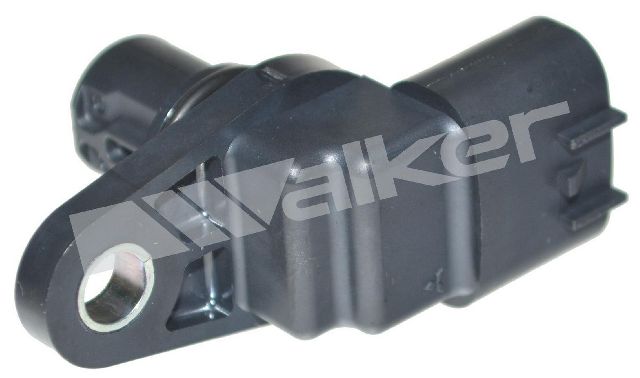
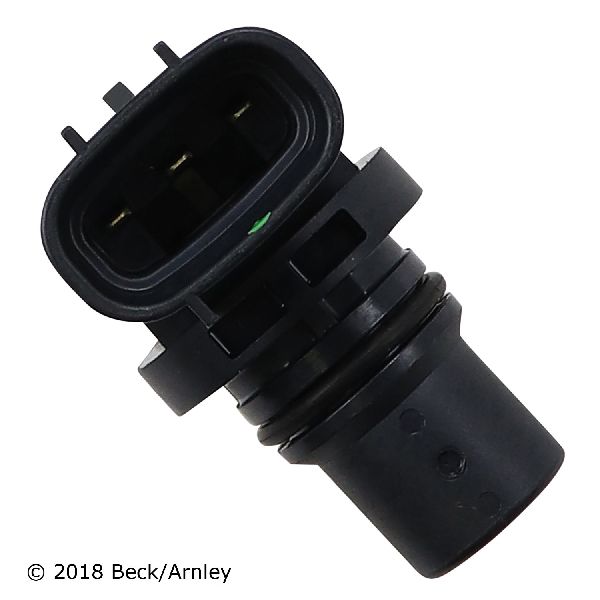
- Be aware that Subaru has issued TSBs for this engine linking misfire codes to camshaft position sensor problems. If simple fixes don't work, this is a likely culprit and may require professional diagnosis.
What's Unique About the 2012-2013 Subaru IMPREZA
While P0304 is a generic code, on the 2012-2013 Impreza with the 2.0L FB20 engine, it can be more than a simple spark plug or coil issue. Subaru issued several Technical Service Bulletins (TSBs), notably #11-130-13R, indicating that misfire codes can be caused by incorrect clearance on the camshaft position sensors, requiring a special shimming procedure. Furthermore, these specific model years were subject to a major safety recall (NHTSA Campaign 18V-772, Subaru recall WTY-84) for defective engine valve springs which could fracture, causing misfires, abnormal engine noise, and potentially sudden engine stalls.
Diagnostic Flowchart
Tap your situation to follow the diagnostic path that matches what you're seeing on this vehicle.
Symptoms You May Notice
- Rough or shaky idle
- Hesitation or stumbling during acceleration
- Noticeable loss of engine power, especially below 3,000 RPM
- Solid or flashing Check Engine Light
- Reduced fuel economy
- Smell of unburned gasoline from the exhaust
- Abnormal engine noise, such as ticking or knocking, which could indicate a valve spring issue
- Replacing only the spark plug when the ignition coil is the actual cause of failure.
- Continuously replacing ignition components when the underlying issue is related to the camshaft position sensor clearance as described in Subaru TSBs.
- Ignoring the possibility of a fractured valve spring, especially if the vehicle's recall history is unknown.
Most Likely Causes
- Failed Ignition Coil 🔴 High Probability Coil-on-plug systems are common failure points on many modern engines as they age. Heat cycles and vibration can cause the internal windings to fail.
How to confirm: Swap the ignition coil from cylinder 4 with another cylinder (e.g., cylinder 2 on the passenger side). Clear the codes and drive the car. If the code changes to P0302, the coil is bad.
Typical fix: Replace the faulty ignition coil. It is often recommended to replace all four coils and spark plugs at the same time for preventative maintenance.
Est. part cost: $50-$100 per coil - Worn or Fouled Spark Plug 🔴 High Probability Spark plugs are a regular maintenance item. An excessively worn electrode gap can prevent a strong spark, causing a misfire. Owners report that the FB20 engine is sensitive to using non-OEM (NGK) plugs.
How to confirm: Remove the spark plug from cylinder 4 and inspect it. Look for a worn electrode, oil fouling, carbon buildup, or cracks in the porcelain. Compare the electrode gap to a new plug; a significantly larger gap indicates wear.
Typical fix: Replace the spark plug. It is best practice to replace all four spark plugs at the same time using OEM-spec plugs.
Est. part cost: $10-$25 per plug - Faulty Camshaft Position Sensor or Incorrect Clearance 🟡 Medium Probability As documented in Subaru TSB #11-130-13R, the clearance of the camshaft position sensor can be out of specification on FB engines, leading to misfire DTCs. This TSB consolidates several previous bulletins about the same issue.
How to confirm: This requires advanced diagnostics, often with an oscilloscope, to check the sensor's waveform for irregularities. A technician would then physically measure the sensor clearance and compare it to the specification of 1.3 +/- 0.05mm. If out of spec, a shim is required.
Typical fix: The fix involves installing a specific shim from a kit (p/n 10130AA060) to correct the sensor's clearance. This is typically a job for a professional technician due to the specific measurement and tools required. The sensor o-ring (p/n 13099AA050) is a one-time use part and must be replaced.
Est. part cost: $50-$150 for the sensor, plus labor and the shim kit. - Clogged or Faulty Fuel Injector ⚪ Low Probability
How to confirm: Swap the fuel injector from cylinder 4 with another cylinder. If the misfire code follows the injector, the injector is the problem. This is more labor-intensive than swapping a coil. A multimeter can also be used to check the injector's resistance.
Typical fix: Replace the faulty fuel injector. Sometimes, professional fuel system cleaning can resolve a clogged injector.
Est. part cost: $70-$150 per injector
Rare But Worth Checking
- Fractured Engine Valve Spring (Recall Issue): A major recall (NHTSA Campaign 18V-772 / Subaru #WTY-84) was issued for 2012-2014 Imprezas due to valve springs that may fracture. This can cause a misfire, rough idle, abnormal engine noise, and eventually lead to engine stall and failure. It is critical to verify if this recall service has been performed on the vehicle.
- Vacuum Leak: A vacuum leak near the intake manifold runner for cylinder 4 can lean out the air-fuel mixture and cause a misfire, typically at idle.
- Low Engine Compression: A mechanical issue like a burnt valve, leaking head gasket, or worn piston rings can cause a loss of compression, leading to a persistent misfire that won't be fixed by replacing ignition or fuel parts. A compression test is needed to diagnose this.
Diagnosis Steps
- Read all stored trouble codes with an OBD-II scanner. Note any other codes present, especially camshaft sensor codes (P034x, P036x, P039x).
- Check vehicle history to see if the valve spring recall (NHTSA 18V-772) has been completed. If not, this should be investigated by a dealer immediately.
- Swap the ignition coil from cylinder 4 (driver's side, rear) with the coil from cylinder 2 (passenger side, rear).
- Clear the codes and run the engine to see if the misfire code returns and has moved to P0302. If it has, the ignition coil is faulty.
- If the code remains P0304, inspect and replace the spark plug in cylinder 4. Check for wear, damage, or fouling. Ensure OEM-spec (NGK) plugs are used.
- If the misfire persists, inspect the wiring and connector for the ignition coil and fuel injector on cylinder 4 for any damage or corrosion.
- If ignition components are confirmed good, the next steps involve more complex diagnostics like checking for vacuum leaks, testing the fuel injector, and performing an engine compression test on cylinder 4.
- If camshaft position sensor codes are present or all else fails, the issue may be related to the camshaft position sensor clearance, as detailed in TSB #11-130-13R. This diagnosis is best left to a professional technician with an oscilloscope.
Parts You'll Likely Need
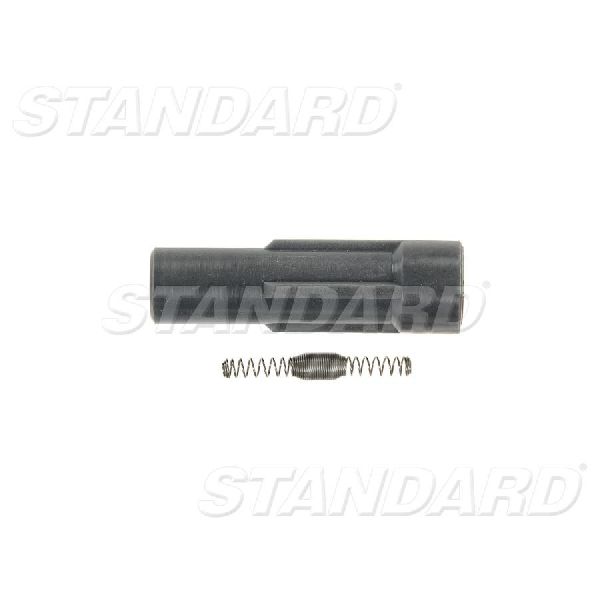
- Ignition Coil
(OEM #22433AA652)— This is one of the most common failure items for a single-cylinder misfire. It's responsible for generating the high voltage for the spark plug. This part number supersedes 22433AA651 and 22433AA650.
Trusted brands: Denso, NGK, Hitachi, Genuine Subaru
OEM price range: $90-$120
Aftermarket price range: $50-$80 - Spark Plug
(OEM #22401AA781)— Spark plugs are a routine wear item and a frequent cause of misfires. A worn plug cannot create an effective spark. This part number supersedes 22401AA780.
Trusted brands: NGK, Denso, Genuine Subaru
OEM price range: $15-$25
Aftermarket price range: $10-$18 - Camshaft Position Sensor Shim Kit
(OEM #10130AA060)— Required to fix misfires caused by incorrect camshaft position sensor clearance, as per TSB #11-130-13R. The kit contains 8 shims of varying thickness (0.1mm to 0.8mm).
Trusted brands: Genuine Subaru
OEM price range: $20-$40
Aftermarket price range: N/A
Related Codes That Often Appear With This One
- P0300 — If the misfire is intermittent or affects multiple cylinders, a P0300 (Random/Multiple Cylinder Misfire) may be stored alongside P0304. A user on The Subaru Forums reported a P0300 along with a cam sensor code after a transmission replacement.
- P0301, P0302, P0303 — If other cylinders are also misfiring, their respective codes will appear. This often points to a systemic issue like low fuel pressure, a large vacuum leak, or the valve spring recall issue affecting multiple cylinders.
- P0340, P0341, P0365, P0366, etc. — As per Subaru TSB #11-130-13R, misfire codes on this engine are frequently accompanied by camshaft position sensor codes (e.g., P0340, P0365). Their presence strongly suggests the cause is related to the valvetrain/sensor clearance issue.
Technical Service Bulletins (TSBs) & Recalls
- 11-130-13R: Details inspection and repair for difficulty starting, rough idle, and misfire DTCs (P0301-P0304) related to camshaft position sensor clearances. This bulletin supersedes several earlier ones on the same topic.
- 11-125-12: (Superseded by 11-130-13R) Connected misfire DTCs P0301-P0304 with exhaust camshaft position sensor codes.
- 11-124-12R: (Superseded by 11-130-13R) Linked misfire DTCs P0301-P0304 with intake camshaft position sensor codes.
Platform-Specific Known Issues
- Subaru Technical Service Bulletin #11-130-13R explicitly links misfire codes P0301-P0304 with camshaft position sensor-related DTCs on FA and FB series engines. The cause is identified as incorrect sensor clearance, which may require a specialized shimming procedure to correct.
- NHTSA Recall 18V-772 (Subaru #WTY-84): A critical safety recall was issued for 2012-2014 Imprezas due to engine valve springs that could fracture, leading to misfire, engine noise, and potential stalling. It is crucial to verify the completion of this recall.
- Excessive Oil Consumption: The FB20B engine in these models is known for potential oil consumption issues, which can lead to fouled spark plugs and misfires. Subaru issued TSB 02-157-14R, which in some cases resulted in a short block replacement if consumption exceeded 1 quart per 1200 miles.
Mechanic-Grade Diagnostic Values
- Fuel Injector Resistance — expected: 5 to 20 ohms. Failure: A reading outside of this range, or a reading that is significantly different (e.g., by 5 ohms) from the other injectors.
- Low-Pressure Fuel System — expected: Around 50-60 psi at idle.. Failure: Significantly lower pressure could indicate a weak in-tank fuel pump, causing lean conditions and misfires.
Scan Tool Commands That Help
- Subaru Select Monitor (SSM) or equivalent advanced scan tool: Current Data Display > Roughness Monitor — To view the live misfire count for each individual cylinder. This is Subaru's specific PID for tracking misfire events before they are frequent enough to set a persistent DTC. It can help confirm which cylinder is actively misfiring during a test drive.
Wiring & Ground Locations
- Main Engine Ground — Bolts onto the top starter bolt, connecting the engine block to the chassis.. A poor engine ground can cause a weak or inconsistent spark, leading to misfires. The ECU itself relies on a solid ground path via the intake manifold, which is connected to the block. A faulty main ground can create bizarre, hard-to-diagnose electrical issues, including misfires.
- GE-1 / GE-2 — Top center of the engine.. These are engine ground points shown in wiring diagrams for the 2.0L engine performance system, which includes the ignition coils and fuel injectors. A problem at these specific grounds could affect multiple components.
- Engine Control Module (ECM) — Located on the right side of the dash.. This is the location of the main computer. While not a ground point itself, knowing its location is critical for any wiring diagnostics tracing back from the coils or injectors.
Real Owner Repair Stories
- ultimatesubaru.org forum user (2000 Subaru Outback (EJ engine, but demonstrates a common diagnostic path)) — Jerky acceleration, rough idle, and a P0304 code.
❌ Tried (didn't work) Replaced knock sensor., Swapped spark plug wire from cylinder 4 to cylinder 2 (code remained P0304)., Inspected spark plugs (looked 'mint').
✅ What actually fixed it The ignition coil was faulty and replacing it resolved the P0304 misfire code. The user confirmed the old coil tested within spec for secondary resistance but was failing under load. - Reddit user r/subaru (2012 Impreza) — Not specified, but vehicle required a new engine block.
❌ Tried (didn't work) A TSB-guided piston ring replacement was performed to address excessive oil consumption.
✅ What actually fixed it The ring replacement did not fix the oil consumption. 1,100 miles later, cylinder 2 was full of oil with a fouled plug. The ultimate resolution was a new short block from Subaru. This highlights how oil consumption can directly lead to misfires by fouling plugs.
Model Year Variations Within This Range
- 2012-2013: The 2012-2013 Impreza uses the FB20B engine, a port-injected version. Later Imprezas (from 2016 onwards) switched to the FB20D, which features direct injection and has different fuel system components and specifications. Therefore, diagnostic procedures and parts for the fuel system are not interchangeable with later generations.
Helpful Videos



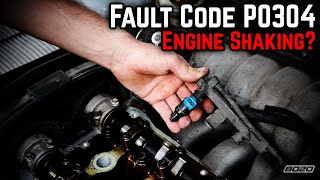
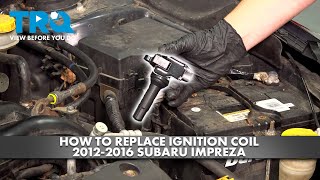


Used OEM Parts in Stock


New Aftermarket Parts Available
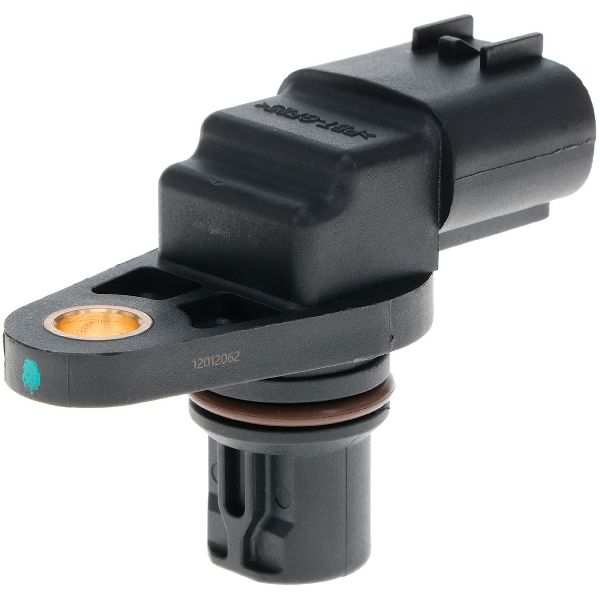



The information in this article is provided for general reference and educational purposes only. Vehicle specifications, procedures, and part compatibility can vary by production date, trim level, and region. Always consult your vehicle's factory service manual and verify part numbers before purchasing or performing repairs. Safety-critical components such as airbags, seat belts, and braking systems should be installed by a qualified professional.
- Subaru IMPREZA:
- 🎬 Helpful Videos
- 🛍️ Shop This Part
- What's Unique About the 2012-2013 Subaru IMPREZA
- Diagnostic Flowchart
- Symptoms You May Notice
- Most Likely Causes
- Rare But Worth Checking
- Diagnosis Steps
- Parts You'll Likely Need
- Related Codes That Often Appear With This One
- Technical Service Bulletins (TSBs) & Recalls
- Platform-Specific Known Issues
- Mechanic-Grade Diagnostic Values
- Scan Tool Commands That Help
- Wiring & Ground Locations
- Real Owner Repair Stories
- Model Year Variations Within This Range
- 🎟️ Get 5% Off