

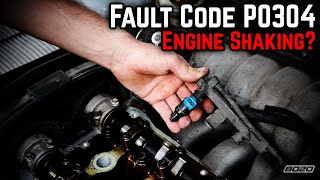
P0304 on 2015-2019 Ram ProMaster City: Cylinder 4 Misfire Causes and Fixes
P0304 on a ProMaster City most often means there's oil in the #4 spark plug tube from a leaking valve cover gasket, which ruins the ignition coil and plug. Expect to replace the valve cover gasket set, the cylinder 4 ignition coil, and all spark plugs. This is a common issue on the 2.4L Tigershark engine and its platform mates like the Jeep Cherokee and Chrysler 200.
- P0304 on a 2015-2019 ProMaster City is most likely caused by a failed valve cover gasket leaking oil into the #4 spark plug well.
- Before buying any parts, pull the ignition coil from cylinder 4 (driver's side) and check for oil.
- If oil is present, you must replace the valve cover gasket set, the cylinder 4 ignition coil, and all four spark plugs to permanently fix the issue.
- If the check engine light is flashing, avoid driving to prevent expensive damage to the catalytic converter.
- The correct spark plug gap for the 2.4L engine is 0.047 inches.
What's Unique About the 2015-2019 Ram PROMASTER CITY
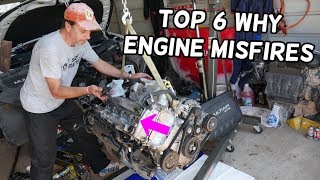
The 2.4L Tigershark engine in the ProMaster City is well-known for a specific failure that causes misfires. The valve cover gasket and integrated spark plug tube seals tend to fail, allowing engine oil to leak directly into the spark plug wells. This oil soaks the ignition coil boot, causing it to short out and fail, triggering codes like P0304. 🎬 Watch: This breakdown helps you find the real misfire cause fast. While bad plugs or coils are common on any car, checking for oil in the tube is the critical first diagnostic step on this van. Additionally, this engine family is known for excessive oil consumption, which can foul spark plugs even without a valve cover leak, and the MultiAir valvetrain system is sensitive to low or incorrect viscosity oil, which can cause misfire-like symptoms.
Diagnostic Flowchart
Tap your situation to follow the diagnostic path that matches what you're seeing on this vehicle.
Symptoms You May Notice
- Rough or shaking engine idle.
- Hesitation or stumbling during acceleration.
- Solid or flashing Check Engine Light.
- Noticeable loss of engine power.
- Reduced fuel economy.
- Engine may be difficult to start.
- Unpleasant or fuel-like odor from the exhaust.
- Audible ticking noise from the top of the engine, which can indicate a MultiAir system problem.
- Replacing only the ignition coil or spark plug without checking for and fixing an oil leak from the valve cover gasket. The new parts will soon fail if they become saturated with oil. This is a common theme in owner forums.
Most Likely Causes
- Oil in Spark Plug Well from Leaking Valve Cover Gasket 🔴 High Probability The valve cover gasket and its integrated spark plug tube seals are a very common failure point on the 2.4L Tigershark engine. The seals become hard and brittle from heat cycles, allowing oil to contaminate the ignition coil and spark plug.
How to confirm: Remove the ignition coil from cylinder 4 (driver's side). Visually inspect the coil boot and the inside of the spark plug tube for liquid engine oil. The presence of oil confirms this is the root cause.
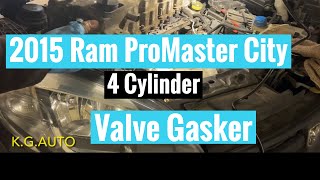
Typical fix: Replace the valve cover gasket along with the integrated spark plug tube seals and bolt grommets. It is essential to also replace the oil-fouled ignition coil and all four spark plugs at the same time. Use a torque wrench to tighten the valve cover bolts to specification to avoid cracking the plastic cover. 🎬 See this step-by-step valve cover gasket replacement walkthrough.
Est. part cost: $40-$90 - Faulty Ignition Coil 🔴 High Probability Ignition coils are a common wear item. The failure is often directly caused by the aforementioned oil leak, but they can also fail on their own due to age and heat cycles.
How to confirm: Swap the ignition coil from cylinder 4 with another cylinder (e.g., cylinder 3). Clear the codes and drive. If the code changes to P0303, the ignition coil is confirmed to be faulty.
Typical fix: Replace the faulty ignition coil. It's wise to replace the spark plug at the same time. If oil was present, the valve cover gasket must also be replaced.
Est. part cost: $30-$70 - Worn or Fouled Spark Plug 🟡 Medium Probability Spark plugs are a routine maintenance item. If they are past their service life or have been fouled by oil from a leaking valve cover gasket or from the engine's tendency to consume oil, they will cause a misfire.
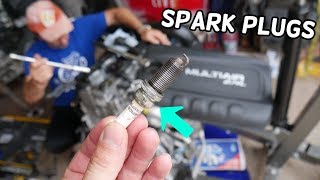
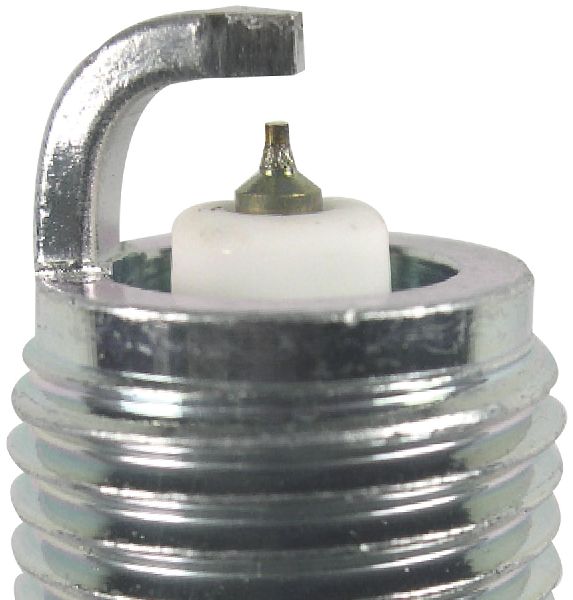
How to confirm: Remove the spark plug from cylinder 4. Inspect it for wear (rounded electrode), oil fouling, carbon deposits, or an incorrect gap. The correct gap is approximately 0.047 inches (1.2mm). 🎬 Watch: How to properly replace spark plugs on the 2.4L engine.
Typical fix: Replace the spark plug in cylinder 4. It is best practice to replace all four spark plugs as a set, especially if their age is unknown.
Est. part cost: $20-$50 for a set of four - Powertrain Control Module (PCM) Software Update Needed ⚪ Low Probability For 2019 models specifically, Technical Service Bulletin (TSB) #18-068-19 was issued to address false misfire codes (P0300-P0304) that could be resolved with a software update.
How to confirm: A Ram dealership can check your vehicle's VIN to see if TSB #18-068-19 (also RRT 19-071) is applicable and has not yet been performed.
Typical fix: The dealer reprograms the PCM with the latest software using a wiTECH scan tool. This is not a DIY repair.
Est. part cost: $0 if under warranty, otherwise ~$100-$200 for labor
Rare But Worth Checking
- Clogged or Faulty Fuel Injector: If ignition components are confirmed good, the fuel injector for cylinder 4 could be the problem. This is less common than ignition faults.
- Vacuum Leak: A leak in the intake manifold gasket near the runner for cylinder 4 or a failed PCV system can lean out the mixture and cause a misfire. A smoke test is the best way to confirm.
- Faulty PCV Valve: A stuck-open PCV valve can create a significant vacuum leak, leading to misfire codes. It's an often-overlooked but inexpensive part that can cause diagnostic headaches.
- Low Engine Compression: This is the worst-case scenario, indicating an internal mechanical problem like a bad valve, worn piston rings, or a head gasket leak. A compression test is required for diagnosis.
Diagnosis Steps
- Read the trouble codes with an OBD-II scanner. Note if any other codes are present, especially P1064 or P106B.
- Remove the plastic engine cover by pulling it straight up.
- Disconnect and remove the ignition coil from cylinder #4 (far driver's side).
- CRITICAL: Inspect the spark plug tube for any signs of liquid engine oil. If oil is present, the valve cover gasket has failed and is the root cause. The coil and plug are likely damaged.
- If no oil is found, swap the cylinder 4 ignition coil with the coil from cylinder 3. Clear the codes and run the engine to see if the misfire code moves to P0303. If it does, the coil is bad.
- If the code remains P0304, inspect and replace the spark plug in cylinder 4. Ensure the new plug is gapped correctly (approx. 0.047 inches).
- If ignition parts are good and there are no leaks, consider a possible faulty fuel injector or vacuum leak. A smoke test is the best method for finding vacuum leaks.
- If all else fails, perform an engine compression test to check for mechanical issues like bad valves or piston rings.
- For 2019 models, contact a dealer to check for the applicability of TSB #18-068-19 for a PCM software update.
- When performing repairs involving the valve cover, ensure a torque wrench is used for reinstallation. A common specification is a two-pass method: first to 55 in-lbs, then to 90 in-lbs.
Parts You'll Likely Need
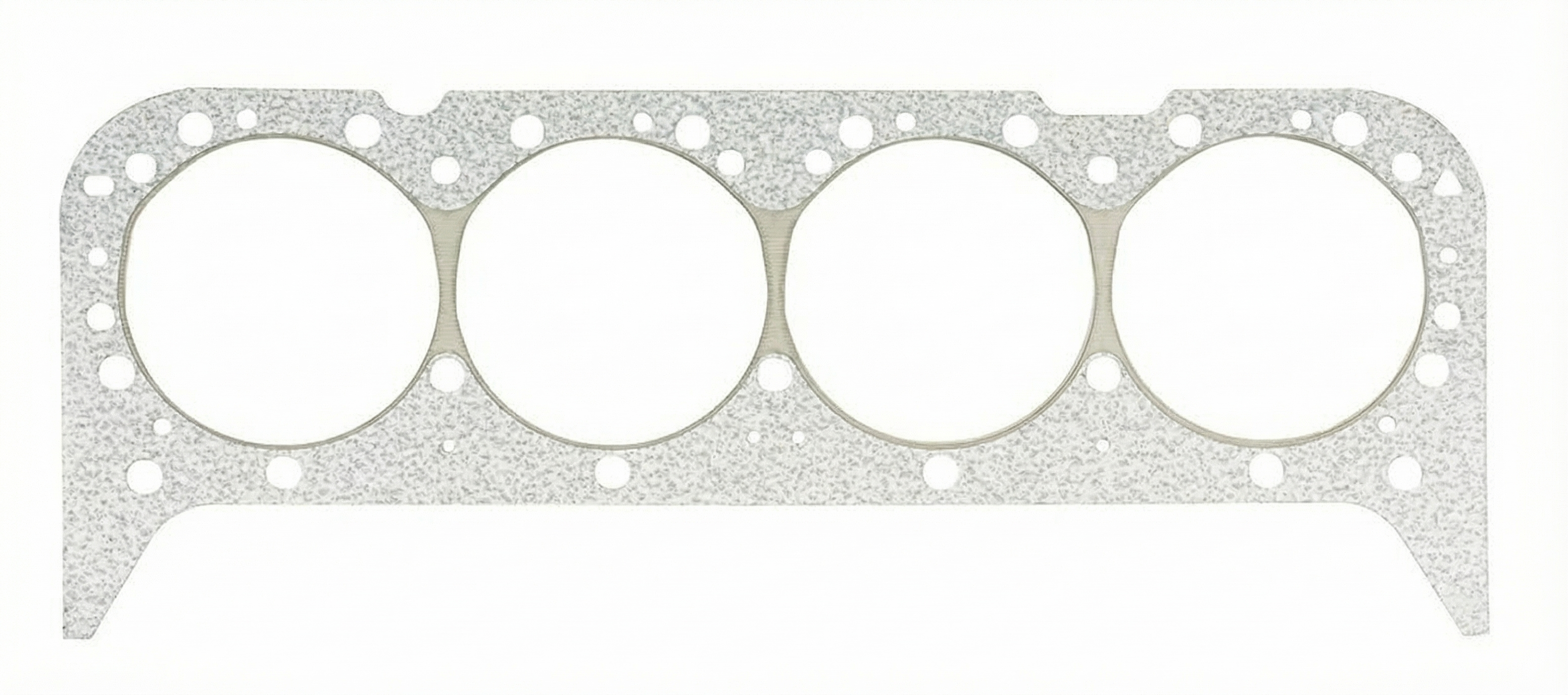
- Valve Cover Gasket Set — This is the most common root cause of P0304 on this engine, as it fails and allows oil to leak into the spark plug tubes. The set should include the main gasket, spark plug tube seals, and bolt grommets.
Trusted brands: Mopar, Fel-Pro (e.g., VS 50906 R), Mahle
OEM price range: $50-$80
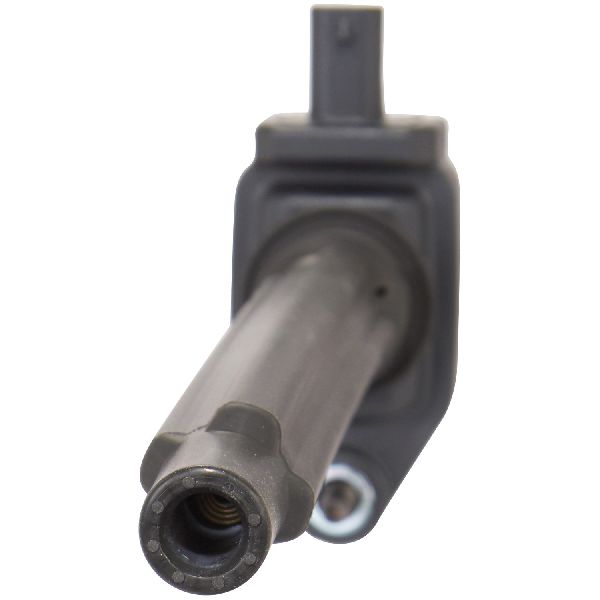
Aftermarket price range: $30-$50 - Ignition Coil
(OEM #68242286AA)— The ignition coil for cylinder 4 is the part that ultimately fails, either from oil contamination or normal wear.
Trusted brands: Mopar, NGK, Denso, Bosch
OEM price range: $50-$80
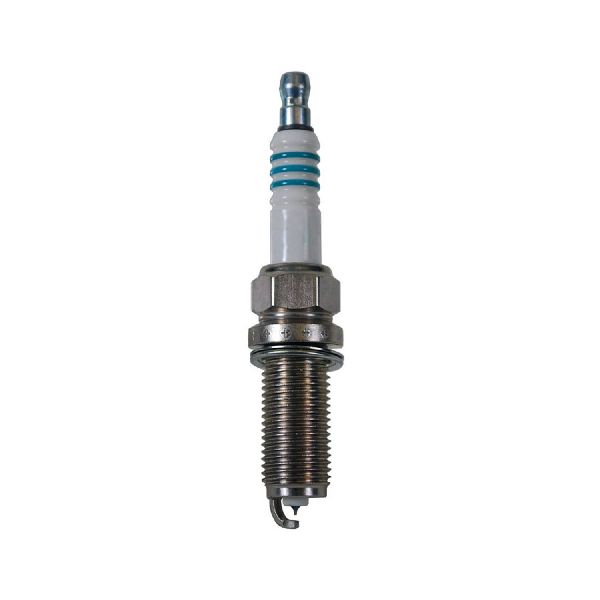
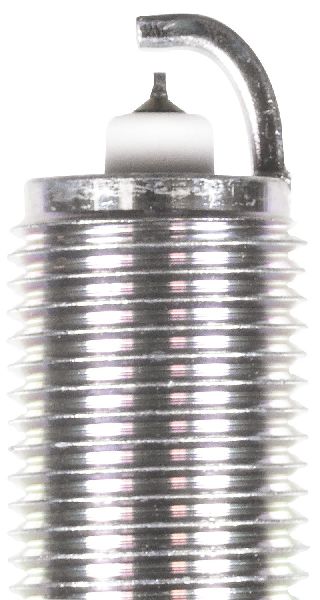
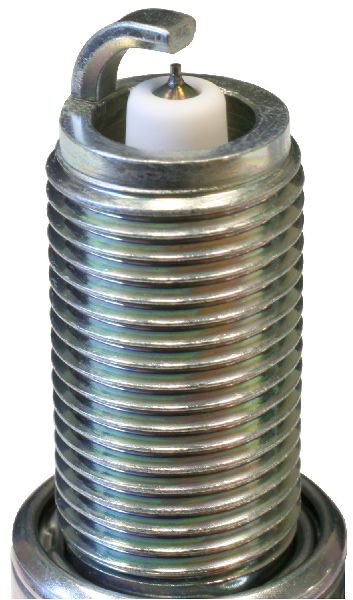
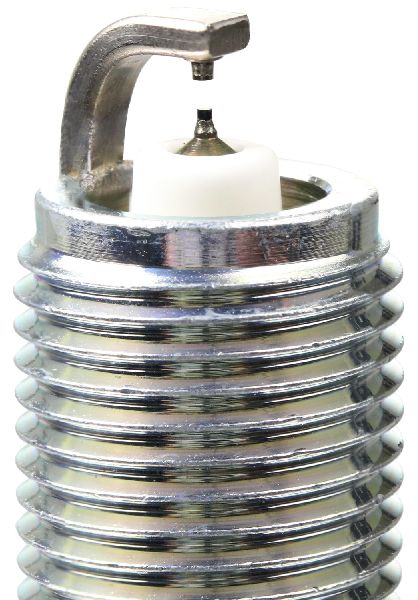
Aftermarket price range: $30-$70 - Iridium Spark Plugs — A worn or oil-fouled spark plug is a primary cause of misfires. It's best practice to replace all four at once.
Trusted brands: NGK, Champion, Denso
OEM price range: $40-$60 (set of 4)
Aftermarket price range: $20-$50 (set of 4) - Valve Cover Bolt Grommets/Isolators
(OEM #4884763AA)— These rubber grommets harden and leak over time and should always be replaced when doing a valve cover gasket job to ensure a proper seal.
Trusted brands: Mopar
OEM price range: $3-$6 each
Aftermarket price range: $2-$4 each
Related Codes That Often Appear With This One
- P0300 — If the underlying cause, like a large vacuum leak or failing valve cover gasket, begins to affect other cylinders, a P0300 (Random/Multiple Cylinder Misfire) code may appear alongside P0304.
- P0171 — If the misfire is caused by a vacuum leak (e.g., from the intake gasket or PCV valve), the engine will run lean, which can also trigger a P0171 (System Too Lean) code.
- P0301, P0302, P0303 — As the valve cover gasket degrades, oil can leak into multiple spark plug tubes, causing misfires on other cylinders in addition to cylinder 4.
- P1064, P106B — These codes indicate a problem with the Cylinder 4 Oil Supply Solenoid, part of the MultiAir 'brick'. Their presence alongside P0304 strongly suggests the root cause is a failing MultiAir actuator, not a simple ignition component.
Technical Service Bulletins (TSBs) & Recalls
- 18-068-19: For 2019 models, addresses P030x misfire codes that can be resolved with a PCM software update. Also released as RRT 19-071.
- 08-027-20: Mentions rough running and P030x misfire codes, related to the common ignition component failures on this platform.
Platform-Specific Known Issues
- A widely documented issue on the 2.4L Tigershark engine is the failure of the valve cover gasket and spark plug tube seals, leading to oil filling the spark plug wells. This directly causes ignition coil failure and misfire codes like P0304.
- This engine family is also known for issues with excessive oil consumption, which can foul spark plugs and, if the level gets too low, affect the oil-dependent MultiAir valvetrain system, causing misfires.
Mechanic-Grade Diagnostic Values
- Ignition Coil Primary Resistance — expected: 0.56 - 0.68 Ohms. Failure: A reading outside this range indicates a faulty coil winding.
- Ignition Coil Secondary Resistance — expected: 7.8 - 9.6 kOhms. Failure: A reading outside this range indicates a faulty secondary coil winding.
- Fuel Injector Resistance — expected: Approximately 12 Ohms. Failure: A reading significantly different from other injectors, or an open/short circuit.
- Low-Side Fuel Pressure — expected: 58 - 64 PSI. Failure: Pressure below this range can indicate a weak fuel pump, causing lean conditions.
- Valve Cover Bolt Torque — expected: 90 in-lbs (10 Nm). Failure: Uneven or incorrect torque can crack the plastic cover or cause leaks. A two-pass method (55 in-lbs, then 90 in-lbs) is recommended.
Hidden / Shadow Codes Worth Checking
- P1064: Cylinder 4 Oil Supply Solenoid Valve Stuck. This points directly to a failure within the MultiAir actuator ('brick') for cylinder 4. (see via An advanced, dealer-level scan tool like wiTECH is typically required. Basic OBD-II readers may not show these manufacturer-specific codes.)
- P106B: Cylinder 4 Oil Supply Solenoid Valve Out of Range. This also points directly to a failure within the MultiAir actuator ('brick') for cylinder 4. (see via An advanced, dealer-level scan tool like wiTECH is typically required. Basic OBD-II readers may not show these manufacturer-specific codes.)
Scan Tool Commands That Help
- Professional OBD-II Scanner (e.g., wiTECH): Misfire Counter Live Data — To monitor cylinder-specific misfire counts in real-time during a test drive or at idle to confirm that cylinder 4 is the only one misfiring.
- Professional OBD-II Scanner (e.g., wiTECH): Cylinder Contribution / Power Balance Test — To identify which cylinder is not contributing power, confirming the misfire location without having to swap components. Also used after a repair to verify the fix.
When the Usual Fixes Don't Work
- While a P0304 code is most commonly fixed by replacing the cylinder 4 spark plug and ignition coil (and the valve cover gasket if oil is present), a significant counter-narrative exists for the 2.4L Tigershark engine. If these common repairs do not resolve the issue, the root cause is often a failure of the MultiAir actuator ('brick') for cylinder 4. This is a more complex and expensive repair that is often missed during initial diagnosis. The presence of companion codes like P1064 (Cylinder 4 Oil Supply Solenoid Stuck) is a strong indicator that the MultiAir system is the actual culprit, not the ignition system.
OEM Part Supersession History
68242286AA→68242286AB— Standard part revision by the manufacturer.
Heads up: None found. 68242286AB is a direct replacement for 68242286AA.5047063AA (PCV Valve)→68333854AA (PCV Valve)— Part design change.
Heads up: Part number 5047063AA is specified for 2015-2018 models, while 68333854AA is for 2018-2022 models. The change occurred during the 2018 model year, so VIN verification is recommended for 2018 vehicles.
Model Year Variations Within This Range
- 2015-2018: TSB #08-027-20 addresses misfire codes and rough running by replacing all four ignition coil insulating boots, suggesting the original boots were prone to failure.
- 2018: The PCV valve part number changed mid-year. Early 2018 models may use PN 5047063AA, while later models use 68333854AA.
- 2019: TSB #18-068-19 was issued to correct false misfire codes via a PCM software update. This is a primary diagnostic consideration for this specific model year if no physical cause is found.
Helpful Videos
Used OEM Parts in Stock

New Aftermarket Parts Available

The information in this article is provided for general reference and educational purposes only. Vehicle specifications, procedures, and part compatibility can vary by production date, trim level, and region. Always consult your vehicle's factory service manual and verify part numbers before purchasing or performing repairs. Safety-critical components such as airbags, seat belts, and braking systems should be installed by a qualified professional.
- Ram PROMASTER CITY:
- 🎬 Helpful Videos
- 🛍️ Shop This Part
- What's Unique About the 2015-2019 Ram PROMASTER CITY
- Diagnostic Flowchart
- Symptoms You May Notice
- Most Likely Causes
- Rare But Worth Checking
- Diagnosis Steps
- Parts You'll Likely Need
- Related Codes That Often Appear With This One
- Technical Service Bulletins (TSBs) & Recalls
- Platform-Specific Known Issues
- Mechanic-Grade Diagnostic Values
- Hidden / Shadow Codes Worth Checking
- Scan Tool Commands That Help
- When the Usual Fixes Don't Work
- OEM Part Supersession History
- Model Year Variations Within This Range
- 🎟️ Get 5% Off