

P0304 on 2012-2013 Mazda MAZDA3: Cylinder 4 Misfire Causes and Fixes
P0304 on a 2012-2013 Mazda3 with the 2.0L Skyactiv-G engine most often points to a failed ignition coil on cylinder 4. A specific Mazda Technical Service Bulletin (TSB) confirms that coils from a particular supplier (YUMEBISHI) are prone to failure. Replacing the single coil is a simple DIY fix, with parts costing between $40 and $100. If the coil and spark plug are good, carbon buildup on the intake valves is the next most likely suspect.
- P0304 on a 2012-2013 Mazda3 is most likely a bad ignition coil on cylinder 4.
- A simple 'swap test' is the easiest way to confirm a bad coil or spark plug at home with basic tools.
- Do not drive the vehicle if the Check Engine Light is flashing, as this can cause expensive damage to the catalytic converter.
- Due to a known issue documented in a TSB, if you find one faulty ignition coil, inspect the others and consider replacing them as a set to prevent future failures.
What's Unique About the 2012-2013 Mazda MAZDA3

For the 2012-2013 Mazda3 with the 2.0L Skyactiv-G engine, the P0304 code is strongly linked to a specific manufacturing issue with the ignition coils. Mazda issued Technical Service Bulletin (TSB) #01-014-16-3208 acknowledging that ignition coils from the supplier YUMEBISHI were prone to internal failure, especially with large temperature swings. The TSB explains how to differentiate the faulty YUMEBISHI coils (4-digit lot number) from the reliable MITSUBISHI coils (5-digit lot number). This makes a faulty ignition coil a much higher probability on this vehicle compared to other potential causes.
Diagnostic Flowchart

Tap your situation to follow the diagnostic path that matches what you're seeing on this vehicle.
Symptoms You May Notice

- Rough or shaky idle
- Engine hesitation or stumbling during acceleration, especially under load
- Noticeable loss of power
- Flashing Check Engine Light (indicates a severe misfire)
- Solid Check Engine Light
- Reduced fuel economy
- Unpleasant or fuel-like smell from the exhaust
- Replacing the fuel pump when only a single cylinder is misfiring. A fuel pump issue would typically affect all cylinders and trigger a random misfire code (P0300) or other fuel system codes.
- Immediately assuming a major mechanical failure before thoroughly testing the ignition system, which is the most probable cause on this specific vehicle per TSBs.
Most Likely Causes

- Faulty Ignition Coil 🔴 High Probability Mazda TSB #01-014-16-3208 directly identifies internal failure of ignition coils from the supplier YUMEBISHI as the primary cause for misfires. These coils can be identified by their 4-digit lot number. Coils from MITSUBISHI (5-digit lot number) are not affected. This is the most likely culprit.
How to confirm: Perform a 'swap test'. Move the ignition coil from cylinder 4 to another cylinder (e.g., cylinder 3). Clear the codes and run the engine. If the code changes to P0303 (Cylinder 3 Misfire), the ignition coil is confirmed to be faulty. Visually inspect the lot number on the coil; if it has 4 digits, it is the failure-prone YUMEBISHI type.
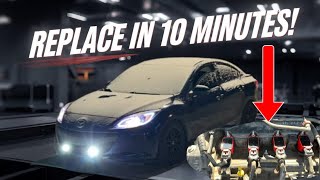
Typical fix: Replace the faulty ignition coil. 🎬 Watch this walkthrough on how to replace your ignition coils. The TSB recommends checking the brand of the other coils; if they are also the YUMEBISHI type, consider replacing all four to prevent future failures. Use the updated OEM part or a quality aftermarket equivalent.
Est. part cost: $40-$100 - Worn or Fouled Spark Plug 🟡 Medium Probability Spark plugs are a standard wear item with a finite lifespan. If they are past their service interval, the electrode can be worn, or they can become fouled with carbon or oil, leading to a weak or inconsistent spark.
How to confirm: After ruling out the ignition coil, remove the spark plug from cylinder 4. Inspect it for a worn center electrode, cracks in the ceramic, or heavy black (carbon) or wet (oil/fuel) deposits. Compare its condition to the plug from a healthy cylinder.
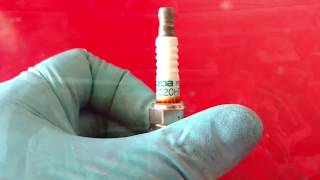
Typical fix: Replace the spark plug. It is best practice to replace all four spark plugs 🎬 See how to properly access and replace your spark plugs. at the same time to ensure even performance and maintain the proper service interval.
Est. part cost: $10-$25 per plug - Carbon Buildup on Intake Valves 🟡 Medium Probability The 2.0L Skyactiv-G is a gasoline direct injection (GDI) engine. Fuel is injected directly into the cylinder, so it never washes over the intake valves. Over time, oil vapor from the PCV system can bake onto the back of the valves, restricting airflow and causing misfires, especially on higher-mileage vehicles or those used for frequent short trips.
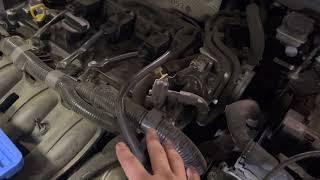
How to confirm: This is difficult to confirm without disassembly. A borescope can be inserted into the spark plug hole or intake runner to visually inspect the valves. A temporary improvement after using a chemical intake valve cleaner 🎬 Watch a demonstration of using Seafoam to clean intake valves. can also point to this issue, as one owner on Reddit reported their P0304 went away for months after a 'top engine clean'.
Typical fix: Professional 'walnut blasting' is the most effective method, which involves removing the intake manifold and using crushed walnut shells to safely blast the carbon off the valves. Chemical cleaning services are also available but may be less effective on heavy deposits.
Est. part cost: $0 (for chemical cleaner) to $600-$1000 (for professional walnut blasting) - Clogged or Faulty Fuel Injector ⚪ Low Probability While less common than ignition issues, a fuel injector can become clogged with deposits or fail electronically, preventing the correct amount of fuel from reaching cylinder 4. A leaking injector can also cause a misfire and is often accompanied by a P0172 rich code.
How to confirm: This is more complex. A mechanic can perform a fuel injector balance test. A DIY method is to listen to the injector with a mechanic's stethoscope; it should have a consistent, audible clicking sound. Swapping injectors between cylinders is possible but is labor-intensive as it requires removing the intake manifold. A spark plug wet with fuel on the misfiring cylinder is a strong indicator of a leaking injector.
Typical fix: Replace the faulty fuel injector. A professional fuel system cleaning might resolve minor clogs, but direct injector failure usually requires replacement.
Est. part cost: $70-$150
Rare But Worth Checking
- Improper PCM Logic in Cold Weather: Mazda TSB #01-005/15 notes that on 2012-13 Mazda3s, repeated short trips in temperatures below 14°F (-10°C) can cause excess fuel to accumulate in the crankcase. This leads to an increased oil level, fuel dilution, and can trigger misfire codes (P0300-P0304). The fix is a PCM reprogram at a dealership and an oil change.
- Vacuum Leak: A leak in the intake manifold gasket near cylinder 4 can lean out the air/fuel mixture and cause a misfire. This is less common but worth considering if ignition and fuel components check out. Leaks can be found by spraying brake cleaner near gasket surfaces while listening for a change in engine idle speed.
- Low Engine Compression: This indicates a mechanical engine problem, such as a bad valve, worn piston rings, or a damaged head gasket. This is the least likely cause and should only be investigated after all other possibilities have been exhausted. A compression test is required for diagnosis.
Diagnosis Steps
- Read the code with an OBD-II scanner to confirm P0304 is present.
- Check for a flashing Check Engine Light. If it's flashing, minimize driving to prevent catalytic converter damage.
- Perform an ignition coil swap test. Move the coil from cylinder 4 to cylinder 3. Clear codes and drive. If the code moves to P0303, the coil is bad.
- While the coil is out, inspect it for a 4-digit (YUMEBISHI - bad) or 5-digit (MITSUBISHI - good) lot number.
- If the coil is good, inspect and/or swap the spark plug from cylinder 4 to cylinder 2. If the code moves to P0302, the spark plug is bad.
- Inspect the wiring and connector for the ignition coil and fuel injector on cylinder 4 for any damage, corrosion, or loose connections. One owner reported an intermittent P0304 that was likely a bad connection, temporarily fixed by reseating the coil.
- If ignition components are good, consider the possibility of carbon buildup, especially on engines over 80,000 miles. A chemical intake cleaner can be a first step, but professional cleaning may be needed.
- If the cause is still not found, more advanced diagnostics are needed, such as checking fuel injector function, testing for vacuum leaks, or performing a mechanical compression test.
Parts You'll Likely Need
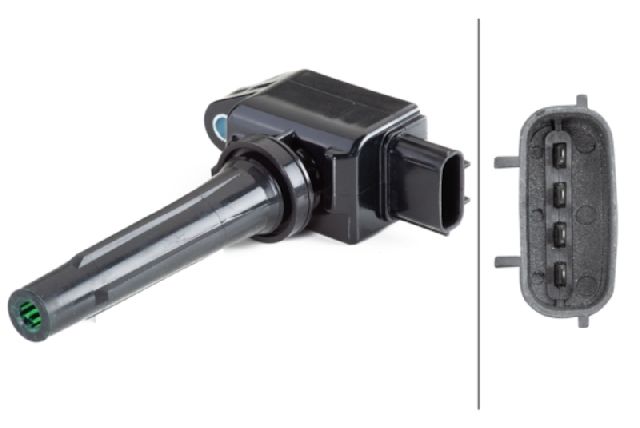
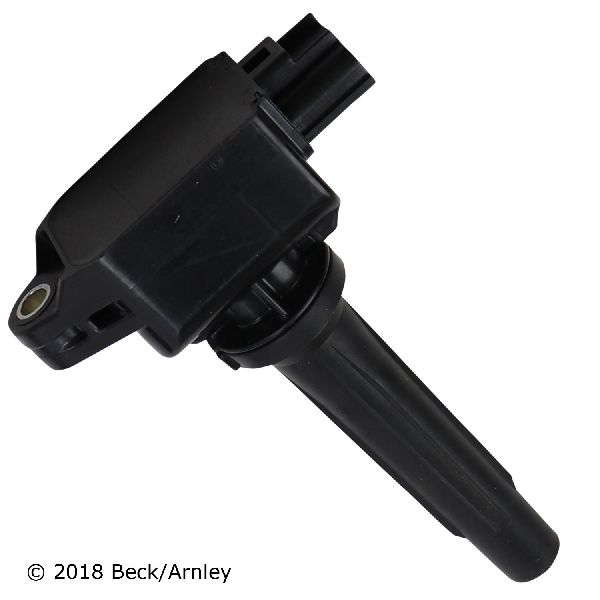
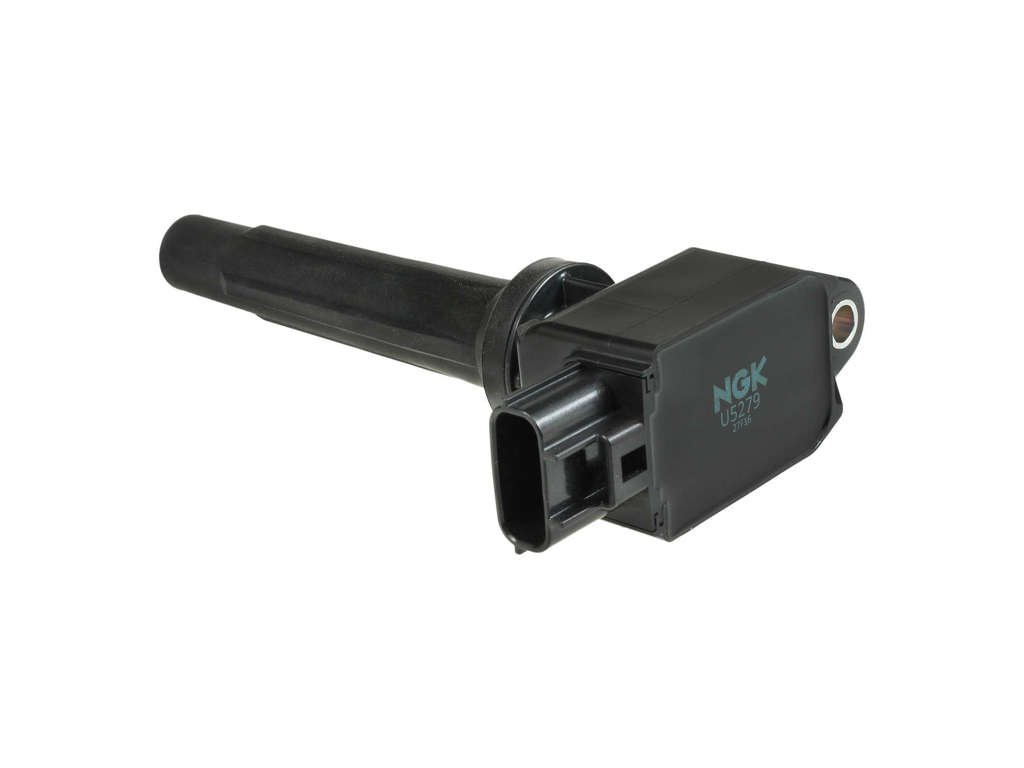
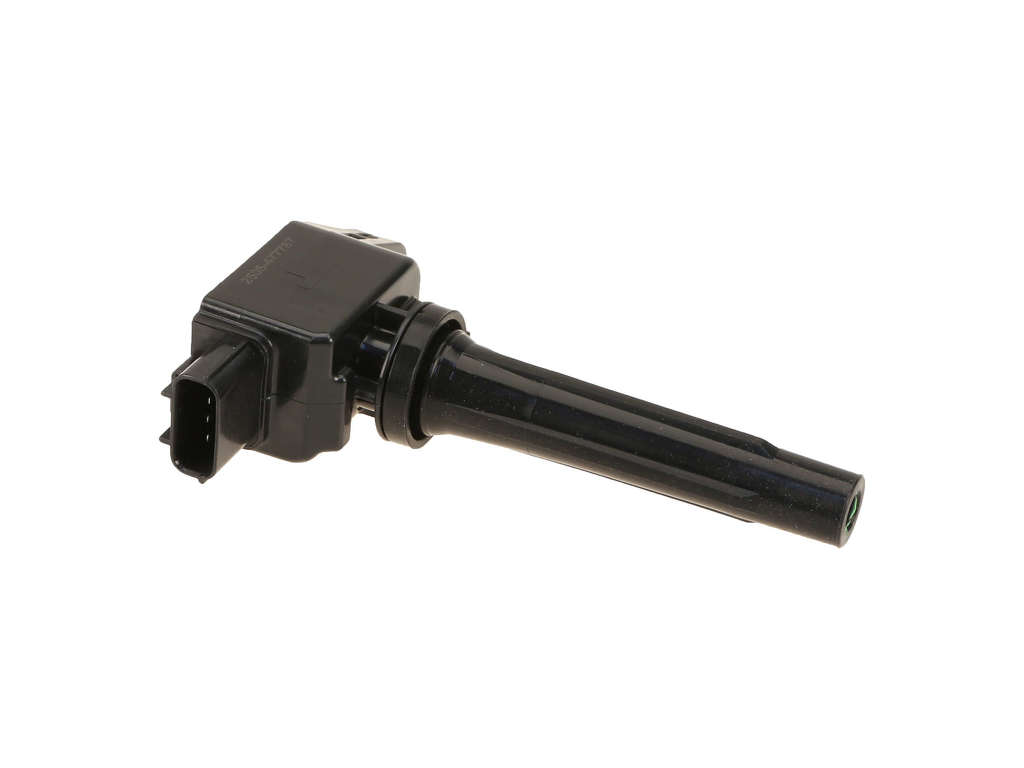
- Ignition Coil
(OEM #PE20-18-100A)— This is the most common failure part for a P0304 code on this vehicle, as documented by Mazda's own Technical Service Bulletin. The original part may have been a faulty YUMEBISHI unit.
Trusted brands: Mazda (OEM), NGK, Denso, Delphi
OEM price range: $90-$120
Aftermarket price range: $40-$80 - Spark Plug
(OEM #PE5R-18-110)— This is a primary ignition component and a common wear item that directly causes misfires when it fails or is past its service life.
Trusted brands: NGK (ILKAR7L11), Denso
OEM price range: $15-$25
Aftermarket price range: $10-$20
Related Codes That Often Appear With This One
- P0300 — If the misfire is intermittent or other cylinders are also beginning to fail (e.g., multiple bad YUMEBISHI coils), a P0300 (Random Misfire) code may appear alongside P0304.
- P0171 — If the misfire is caused by a vacuum leak or a clogged fuel injector that is stuck closed, the engine may run lean, triggering a 'System Too Lean (Bank 1)' code.
- P0172 — If the misfire is caused by a leaking fuel injector that is stuck open, the engine will run rich, potentially triggering a 'System Too Rich (Bank 1)' code.
Technical Service Bulletins (TSBs) & Recalls
- 01-014-16-3208: Lack of power/rough idle with misfire DTCs caused by internal failure of YUMEBISHI-supplied ignition coils.
- 01-005/15: Misfire DTCs and increased engine oil level in cold weather due to improper PCM logic. Requires PCM reprogram.
- 01-012-19-3612: General TSB listing misfire codes P0300-P0304 as a known issue.
- 01-006/18: Rough idle and misfire codes in freezing temperatures due to frozen water in the main silencer.
Platform-Specific Known Issues
- TSB #01-014-16-3208: Notes that vehicles may experience misfire codes (P0300-P0304) due to internal failure of ignition coils from the supplier YUMEBISHI, especially with large temperature fluctuations. It advises identifying them by their 4-digit lot number and replacing them, as the MITSUBISHI-supplied coils (5-digit lot number) are not affected.
- TSB #01-005/15: For vehicles in cold climates (below 14°F / -10°C), misfire codes can be triggered by improper PCM logic causing fuel to dilute the engine oil during repeated short trips. The fix requires a PCM reprogram and an oil change.
- TSB #01-006/18: In very cold climates (below freezing), a rough idle and misfire codes can be caused by frozen water accumulating in the main silencer (muffler), restricting exhaust flow. This is a less common cause but specific to this platform.
Mechanic-Grade Diagnostic Values
- Engine Compression — expected: A real-world test on a 2012 2.0L Skyactiv with 160k miles showed readings of 145-155 PSI across cylinders.. Failure: Significant deviation (typically >15-20%) between the misfiring cylinder and the others.
- High-Pressure Fuel System Pressure — expected: The Skyactiv direct injection system operates at extremely high pressures, up to 3000 PSI.. Failure: Pressure readings significantly below specification would indicate an issue with the high-pressure mechanical fuel pump.
- Short-Term Fuel Trim (STFT) at Idle — expected: Close to 0%.. Failure: A strong negative value, such as -20%, indicates the PCM is removing a large amount of fuel, often to compensate for a leaking fuel injector on the misfiring cylinder.
- Ignition Coil Connector Voltage — expected: Approximately 12V (battery voltage) at the power supply pin with key on.. Failure: No voltage or low voltage indicates a wiring or power supply issue to the coil.
Wiring & Ground Locations
- Engine/Transmission Grounds — Key grounding points include the engine block, transmission housing, alternator body, and a main chassis ground on the strut tower.. A poor ground connection for the engine or ignition system can cause a weak or inconsistent spark, leading to misfires that are difficult to diagnose as the components themselves may test as good.
- Throttle Body / VVT Cover Ground — Some owners add supplemental grounds to the throttle body and the variable valve timing (VVT) solenoid cover.. While not a direct cause of a single-cylinder misfire, ensuring all engine management components are well-grounded can improve overall engine smoothness and electrical stability, potentially resolving intermittent issues.
Real Owner Repair Stories
- Reddit user dfever (2015 Mazda 3 2.0L, ~91k miles (Note: a newer model year but same engine family and relevant issue)) — Flashing CEL, hesitation on acceleration, limp mode, confirmed P0304.
❌ Tried (didn't work) Swapping spark plug from cylinder 4 to 3., Swapping ignition coil from cylinder 4 to 3 (misfire code did not move).
✅ What actually fixed it Replacing all four ignition coils with aftermarket ULTRA-POWER parts. The misfire did not return. - Reddit user in r/AskAMechanic (2012 Mazda 3 Skyactiv (i touring)) — Persistent P0304.
❌ Tried (didn't work) Swapping spark plug and coil to another cylinder (code stayed on cylinder 4)., Engine compression test (was good)., Fuel injector test via computer (looked good).
✅ What actually fixed it A 'top engine clean' to remove carbon deposits caused the P0304 code to disappear for several months before returning. This strongly indicates the root cause was carbon buildup on the intake valves, requiring a more permanent cleaning solution like walnut blasting. - YouTube channel 'Fix It All' (Mazda with 2.5L Skyactiv engine (similar GDI architecture)) — Rough running, smoke from exhaust, P0304 and P0172 (System Too Rich) codes.
❌ Tried (didn't work) Replacing spark plugs.
✅ What actually fixed it Diagnosis found the cylinder 4 spark plug was wet with fuel. A compression test was good. The cause was a leaking direct fuel injector on cylinder 4. Replacing the single injector resolved both the misfire and the rich condition.
When the Usual Fixes Don't Work
- In one documented case, a 2015 Mazda 3 owner performed a coil and plug swap for a P0304 code, and the misfire did not move from cylinder 4. This would typically rule out the coil and plug. However, after further diagnostics led nowhere, the owner replaced all four ignition coils, which permanently fixed the problem. This suggests that on this platform, a coil can fail intermittently under load in a way that a simple swap test at idle does not reveal, leading to a common misdiagnosis.
OEM Part Supersession History
PE01-18-100, PE01-18-100A, PE20-18-100, P51B-18-100→PE20-18-100A— Part revision and consolidation over time. The newest part number is assumed to have addressed the reliability issues of earlier versions (like the YUMEBISHI coils).
Model Year Variations Within This Range
- 2012-2013: The 2012 model year was the first to introduce the 2.0L Skyactiv-G engine to the Mazda3 platform, replacing the previous 2.0L MZR engine. The Skyactiv-G in the 2012-2013 Mazda3 uses a 12:1 compression ratio, which is lower than the 14:1 in the CX-5 of the same era, because the 3's chassis could not accommodate the more efficient 4-2-1 exhaust manifold required for the higher compression. This makes causes like carbon buildup and ignition sensitivity particularly relevant to this specific engine version.
Helpful Videos

Used OEM Parts in Stock


New Aftermarket Parts Available


The information in this article is provided for general reference and educational purposes only. Vehicle specifications, procedures, and part compatibility can vary by production date, trim level, and region. Always consult your vehicle's factory service manual and verify part numbers before purchasing or performing repairs. Safety-critical components such as airbags, seat belts, and braking systems should be installed by a qualified professional.
- Mazda MAZDA3:
- 🎬 Helpful Videos
- 🛍️ Shop This Part
- What's Unique About the 2012-2013 Mazda MAZDA3
- Diagnostic Flowchart
- Symptoms You May Notice
- Most Likely Causes
- Rare But Worth Checking
- Diagnosis Steps
- Parts You'll Likely Need
- Related Codes That Often Appear With This One
- Technical Service Bulletins (TSBs) & Recalls
- Platform-Specific Known Issues
- Mechanic-Grade Diagnostic Values
- Wiring & Ground Locations
- Real Owner Repair Stories
- When the Usual Fixes Don't Work
- OEM Part Supersession History
- Model Year Variations Within This Range
- 🎟️ Get 5% Off