

P0304 on 2011-2015 Lexus CT HYBRID: Cylinder 4 Misfire Causes and Fixes
P0304 on a Lexus CT200h is often caused by clogged EGR passages in the intake manifold, a known issue for this vehicle. Before replacing spark plugs or coils, inspect the EGR system. Cleaning the EGR and intake can often resolve the misfire, though Lexus TSB L-SB-0019-16 recommends replacing the intake manifold assembly.
- P0304 on a Lexus CT200h is very often caused by a clogged EGR system, not just a bad spark plug or coil.
- Diagnose by checking simple ignition parts first (coil/plug swap), but be prepared to inspect and clean the EGR passages in the intake manifold.
- If the car shudders violently on cold starts and loses coolant, a head gasket check (combustion leak test) is necessary.
- Cleaning the EGR system is a preventative maintenance item that can help prevent more serious issues like head gasket failure on this engine.
What's Unique About the 2011-2015 Lexus CT HYBRID

The Lexus CT200h uses the same 2ZR-FXE hybrid engine as the Toyota Prius, which is known for a specific issue causing misfires. The Exhaust Gas Recirculation (EGR) system can become clogged with carbon deposits, especially in the intake manifold passages. This disrupts airflow to the cylinders, leading to misfires under light acceleration. While standard ignition faults can occur, the EGR issue is a well-documented, platform-specific problem that is often the root cause and can even lead to head gasket failure if ignored.
Diagnostic Flowchart

Tap your situation to follow the diagnostic path that matches what you're seeing on this vehicle.
Symptoms You May Notice
- Rough or shaky idle, especially on a cold start.
- Hesitation or stumbling during light acceleration.
- Flashing or solid Check Engine Light.
- Noticeable decrease in fuel economy.
- Engine noise that sounds like a violent clattering or banging on startup for a few seconds, which then smooths out (strong indicator of head gasket leak).
- Immediately replacing the catalytic converter. A misfire is the cause of converter failure, not the other way around. Fix the misfire first.
- Replacing only spark plugs and ignition coils without inspecting the EGR system. On this specific engine, the EGR is a primary suspect and ignoring it can lead to the problem returning.
- Assuming a rough cold start is just a simple misfire. On the 2ZR-FXE, a violent shudder on startup that clears quickly is a hallmark symptom of a head gasket leak and should be investigated before performing other repairs.
Most Likely Causes

- Clogged EGR Passages and Intake Manifold 🔴 High Probability The 2ZR-FXE engine's EGR system design is prone to heavy carbon buildup over time. This restricts exhaust gas flow and clogs the small distribution ports within the intake manifold, leading to an improper air/fuel mixture and misfires. This is a widely-known issue, with many owners performing preventative cleaning every 75,000-100,000 miles.
How to confirm: Visually inspect the EGR valve, EGR cooler, and especially the intake manifold ports for heavy, black carbon deposits. The passages inside the manifold are often completely blocked. The official Lexus TSB (L-SB-0019-16) confirms this as the cause.
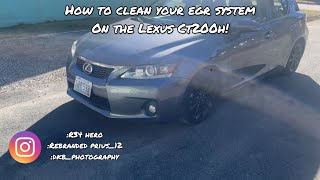
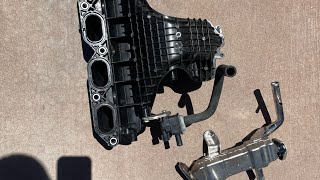
Typical fix: Remove and thoroughly clean the EGR valve, EGR cooler, EGR pipe, and intake manifold. Replace the intake manifold gasket and any related EGR gaskets. Some owners use carb cleaner, degreasers, or even pressure washers for cleaning. 🎬 Watch: Step-by-step guide to cleaning your CT200h EGR system. Note: Lexus's TSB L-SB-0019-16 recommends replacing the entire intake manifold assembly with an updated part (P/N 17120-37054).
Est. part cost: $20-$50 for gaskets if cleaning; $230-$350 for a new OEM intake manifold assembly. - Faulty Ignition Coil 🟡 Medium Probability
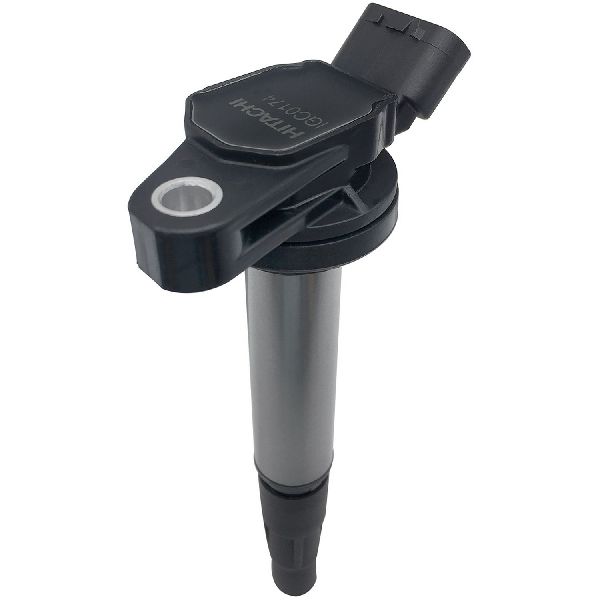
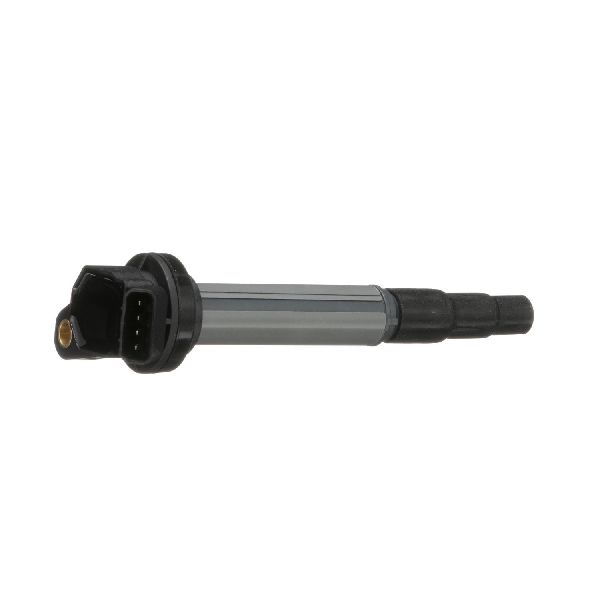
How to confirm: Swap the ignition coil from cylinder 4 with another cylinder (e.g., cylinder 2). Clear the codes and drive the vehicle. If the code changes to P0302, the ignition coil is faulty.
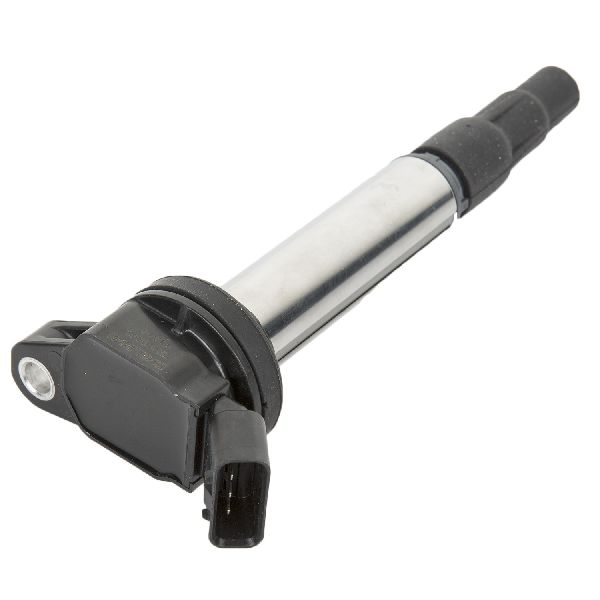
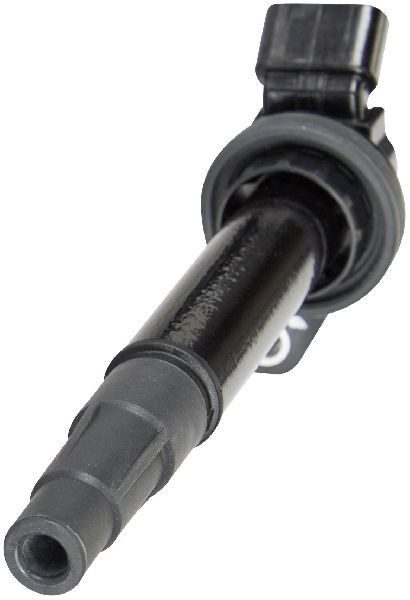
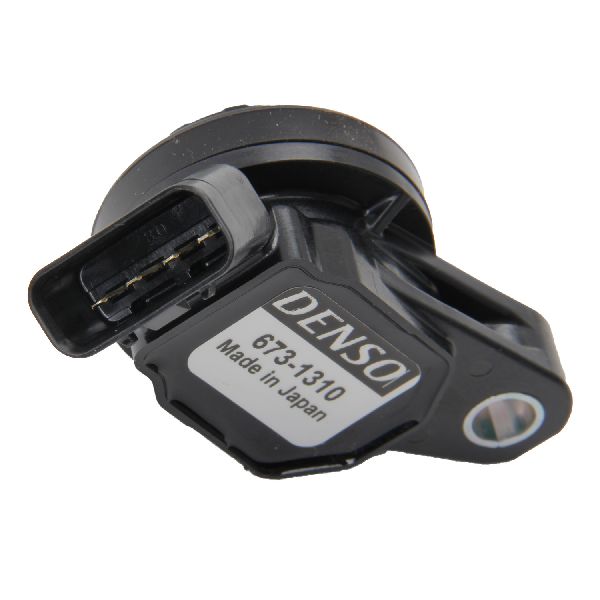
Typical fix: Replace the faulty ignition coil. It is often recommended to replace all four if they are original and high-mileage. Denso is the OEM supplier.
Est. part cost: $40-$90 per coil for a quality brand like Denso. - Worn or Fouled Spark Plug 🟡 Medium Probability
How to confirm: After confirming the coil is good, remove the spark plug from cylinder 4 and inspect it. Look for wear on the electrode, oil fouling, or carbon buildup. Compare it to a plug from a working cylinder.
Typical fix: Replace the spark plug. It is best practice to replace all four spark plugs at the same time with OEM-spec Iridium plugs (Denso SK16R11 or NGK IFR5A11).
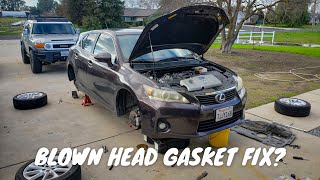
Est. part cost: $8-$20 per plug. - Leaking Head Gasket ⚪ Low Probability High-mileage 2ZR-FXE engines, especially those with a history of clogged EGR systems, are known to develop head gasket failures. The theory is that poor EGR flow causes localized overheating, stressing the gasket. Coolant seeps into a cylinder overnight, causing a misfire on cold starts as the piston tries to compress the liquid.
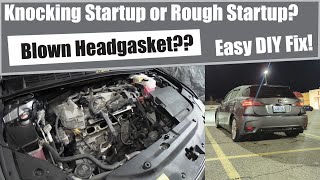
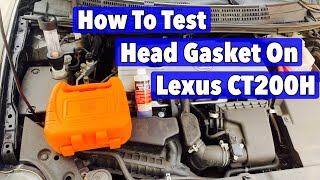
How to confirm: The classic symptom is a violent, rattling/shaking cold start that smooths out after a few seconds, combined with gradual coolant loss. A block test (combustion leak test) can check for exhaust gases in the coolant. 🎬 See how to perform a head gasket combustion leak test. However, early-stage leaks on this engine may not show up on a block test or compression test. The most definitive early diagnosis is using a borescope in the cylinder first thing in the morning to look for coolant pooling on the piston or an unusually 'steam-cleaned' piston top.
Typical fix: This is a major repair that involves removing the cylinder head to replace the gasket. It is critical to also clean the entire EGR circuit during this repair to address the root cause.
Est. part cost: $150-$300 for a head gasket set and new head bolts.
Rare But Worth Checking
- Faulty Fuel Injector: A clogged or failing fuel injector can cause a lean misfire. This is less common than ignition or EGR issues, but some owners have resolved a persistent P0304 with a fuel system cleaner like Seafoam or by replacing the injector.
- ECM Logic Update Needed: Lexus issued a TSB (L-SB-0174-17) for some models that could exhibit misfire codes after a cold soak due to an ECM logic issue. The fix is a software update performed by a dealer.
- Clogged PCV Valve: A clogged Positive Crankcase Ventilation (PCV) valve can create a vacuum leak or increase crankcase pressure, disrupting the air-fuel mixture and potentially causing misfires. It's a low-cost part that is wise to replace when the intake manifold is removed for cleaning.
Diagnosis Steps
- Read the trouble codes with an OBD-II scanner and note any other codes present, paying close attention to P0401 or other cylinder misfires.
- Perform a basic ignition system check. Swap the ignition coil from cylinder 4 to cylinder 2. Clear codes and test drive. If the code changes to P0302, the coil is bad.
- If the misfire remains on cylinder 4, swap the spark plug from cylinder 4 to cylinder 2. If the code changes to P0302, the spark plug was the issue.
- If ignition components are good, the next step is to investigate the EGR system. This is the most likely cause. The procedure involves removing the intake manifold to access the EGR ports for inspection and cleaning.
- Thoroughly clean the intake manifold passages, EGR valve, and EGR cooler of all carbon buildup. Replace the PCV valve (P/N 12204-37010) while the manifold is off.
- While cleaning, replace the required gaskets: intake manifold gasket (17177-0T020), and EGR pipe/cooler gaskets as needed.
- If the misfire persists, especially on cold starts with coolant loss, suspect a head gasket. Let the car sit overnight. Before starting, use a borescope to inspect cylinder 4 for any signs of coolant on the piston.
- If a head gasket leak is suspected, confirm with a combustion leak test (block tester), though be aware that very early leaks may not be detected this way.
Parts You'll Likely Need

- Intake Manifold Gasket
(OEM #17177-0T020)— This must be replaced when the intake manifold is removed for EGR cleaning, which is the most common cause of P0304 on this vehicle.
Trusted brands: Fel-Pro, Victor Reinz, Lexus OE
OEM price range: $25-$40
Aftermarket price range: $15-$25 - Ignition Coil
(OEM #90919-02258)— A common failure item for any engine misfire. It's the second most likely cause after a clogged EGR system.
Trusted brands: Denso (OEM), NGK, Bosch
OEM price range: $70-$90
Aftermarket price range: $40-$65 - Iridium Spark Plug
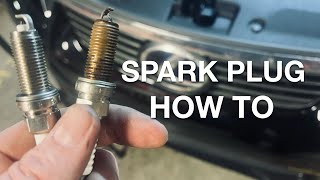
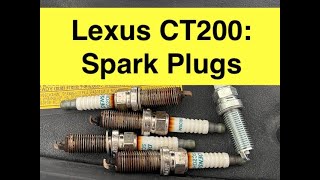
(OEM #Denso SK16R11)— A worn or fouled spark plug is a basic cause of a misfire. They are a maintenance item and should be checked or replaced. The 2ZR-FXE uses Iridium plugs. 🎬 Watch this walkthrough on how to replace your spark plugs.
Trusted brands: NGK, Denso
OEM price range: $12-$20
Aftermarket price range: $8-$15 - Intake Manifold Assembly (Updated)
(OEM #17120-37054)— Lexus TSB L-SB-0019-16 recommends outright replacement of the intake manifold to fix the EGR clogging issue, not just cleaning. This is the latest revised part number.
Trusted brands: Lexus OE
Related Codes That Often Appear With This One
- P0300 — This is a 'Random/Multiple Misfire' code. It often appears with P0304 if the underlying issue, like a clogged EGR system or failing head gasket, is starting to affect other cylinders as well.
- P0301, P0302, P0303 — These codes indicate misfires in cylinders 1, 2, and 3, respectively. Seeing them alongside P0304 strongly points to a systemic problem like a clogged EGR, intake leak, or failing head gasket affecting the whole engine.
- P0401 — This code means 'EGR Flow Insufficient'. It is commonly seen with misfire codes because the same carbon buildup that causes the P0304 misfire also restricts flow through the EGR valve itself, triggering the P0401 code.
Technical Service Bulletins (TSBs) & Recalls
- L-SB-0019-16: Notes that P0300, P0301, P0302, P0303, and P0304 misfires can be caused by clogged EGR ports in the intake manifold during light acceleration. Recommends replacement of the intake manifold assembly.
- L-SB-0174-17: Mentions that an ECM logic modification is available for misfire DTCs that may illuminate after a cold soak on some 2013 models.
- L-SB-0015-16: Addresses P0401 (EGR Flow Insufficient) and rough idle on 2011-2012 models, recommending an updated EGR valve and ECU reprogram, highlighting the systemic nature of the EGR issues on this engine.
Platform-Specific Known Issues
- Lexus Technical Service Bulletin L-SB-0019-16 directly addresses P030x misfire codes on the 2011-2016 CT200h. It states the cause is clogged EGR ports in the intake manifold. The official dealer fix is to replace the intake manifold assembly with an updated part, not to clean the old one.
- Lexus Technical Service Bulletin L-SB-0174-17 notes that on some 2013 models, misfire codes can be set after a cold soak, and an ECM software update is available to correct the logic.
- Higher mileage 2ZR-FXE engines have a well-documented tendency for head gasket failure, often preceded by a clogged EGR system. Symptoms include a violent, shuddering cold start that smooths out, accompanied by gradual coolant loss. This is heavily discussed in owner forums for both the CT200h and its platform-mate, the Toyota Prius.
Mechanic-Grade Diagnostic Values
- Intake Manifold Bolt/Nut Torque — expected: 28 Nm (21 ft-lbf). Failure: N/A - This is an installation specification.
- EGR Pipe to Intake Manifold Bolt Torque — expected: 10 Nm (8 ft-lbf). Failure: N/A - This is an installation specification.
Hidden / Shadow Codes Worth Checking
- Mode $06, Test ID $A2-$AD: Mode $06 provides access to non-continuous monitor test results, including misfire counts for each cylinder. For Toyota/Lexus, Test IDs $A2 through $AD typically correspond to misfire counts for cylinders 1 through 12 (depending on the engine). A technician can view the raw misfire count for cylinder 4 even if it hasn't reached the threshold to trigger a P0304 code. (see via An advanced OBD-II scan tool that supports Mode $06 data. The data will show a component ID, test ID, a measured value, and pass/fail status. A high misfire count on cylinder 4 relative to others indicates an emerging problem.)
Scan Tool Commands That Help
- Techstream: Active Test: Control the Fuel Injector — After swapping ignition coils and plugs, a technician can use this command to individually activate the fuel injector for cylinder 4. A change in engine RPM or sound indicates the injector is working; no change suggests it is clogged or has failed.
- Techstream: Active Test: Control the EGR Valve Step Position — This allows a technician to command the EGR valve to open at idle. If the engine stumbles or stalls, it confirms the valve is mechanically capable of opening and that the EGR passages are at least partially clear. If there is no change in engine operation, the valve may be stuck or the passages completely blocked.
- Techstream: Health Check / DTC Check — To check for any required ECM software updates, as mentioned in TSB L-SB-0174-17, which addresses misfire codes after a cold soak. The tool can verify the current software calibration ID against the latest available version.
Wiring & Ground Locations
- ECM (Engine Control Module) — Located on the left side of the engine compartment.. The ECM is the source of the command signals for both the ignition coil and the fuel injector for cylinder 4. Any corrosion or damage to the ECM connectors or wiring harness could interrupt these signals.
- Engine Ground Points — Multiple ground points are located on the engine block and cylinder head, often visible when the plastic engine cover is removed. A key ground strap often connects the engine to the chassis on the passenger side.. A poor engine ground can cause erratic behavior in ignition components. The ignition coils rely on a solid ground path to function correctly. A weak or corroded ground can lead to a weak spark and intermittent misfires.
Real Owner Repair Stories
- ClubLexus forum user 'stormchaser' (Lexus CT200h (year not specified, but post is from 2016)) — Severe shuddering and misfiring on cold starts, which gradually clears. The noise was described as worrying.
❌ Tried (didn't work) The user suspected the EGR valve based on common knowledge for the CT and Prius.
✅ What actually fixed it The user planned to clean the EGR valve with carburetor cleaner to resolve the issue, which is the widely accepted fix for these specific symptoms.
OEM Part Supersession History
17120-37050, 17120-37051, 17120-37052, 17120-37053→17120-37054— This is the updated intake manifold assembly recommended by Lexus TSB L-SB-0019-16 to address the issue of clogged EGR ports causing misfires. The updated design is intended to be less prone to carbon buildup.
Model Year Variations Within This Range
- 2014-2015 (vs 2011-2013): The 2014 model year introduced a facelift for the CT200h. While the engine remained the 2ZR-FXE, some owner forums suggest that the EGR system was improved in 2014 and later models, making them potentially less susceptible to the severe clogging and subsequent head gasket issues seen in earlier years. However, the official TSB from Lexus still includes models up to 2016.
Helpful Videos
Used OEM Parts in Stock


New Aftermarket Parts Available


The information in this article is provided for general reference and educational purposes only. Vehicle specifications, procedures, and part compatibility can vary by production date, trim level, and region. Always consult your vehicle's factory service manual and verify part numbers before purchasing or performing repairs. Safety-critical components such as airbags, seat belts, and braking systems should be installed by a qualified professional.
- Lexus CT HYBRID:
- 🎬 Helpful Videos
- 🛍️ Shop This Part
- What's Unique About the 2011-2015 Lexus CT HYBRID
- Diagnostic Flowchart
- Symptoms You May Notice
- Most Likely Causes
- Rare But Worth Checking
- Diagnosis Steps
- Parts You'll Likely Need
- Related Codes That Often Appear With This One
- Technical Service Bulletins (TSBs) & Recalls
- Platform-Specific Known Issues
- Mechanic-Grade Diagnostic Values
- Hidden / Shadow Codes Worth Checking
- Scan Tool Commands That Help
- Wiring & Ground Locations
- Real Owner Repair Stories
- OEM Part Supersession History
- Model Year Variations Within This Range
- 🎟️ Get 5% Off