

P0304 on 2002-2005 Land Rover Freelander: Cylinder 4 Misfire Causes and Fixes
P0304 on a 2002-2005 Freelander indicates a misfire in cylinder 4. The most common causes are a failed ignition coil or a worn spark plug. A leaking intake manifold gasket is also a frequent culprit on the 2.5L KV6 engine. Expect to pay $30-$70 for a coil and $5-$15 for a spark plug. Always check for vacuum leaks around the plastic intake manifold, a known weak point.
- P0304 on a Freelander is a misfire on cylinder 4, located in the middle of the front cylinder bank.
- Start your diagnosis by swapping the ignition coil from cylinder 4 with another cylinder to see if the code follows; this is the most common failure.
- If ignition parts are good, strongly suspect a vacuum leak from the intake manifold gaskets, a known weak point on this engine.
- Do not ignore a flashing check engine light, as it indicates a severe misfire that can quickly damage your catalytic converter.
- When replacing spark plugs or coils, it's wise to replace them in sets to ensure reliability and performance.
What's Unique About the 2002-2005 Land Rover FREELANDER
The 2002-2005 Freelander uses a 2.5L Rover KV6 engine in a transverse layout. A defining characteristic of this engine is its plastic intake manifold system, 🎬 Watch: How to test and rebuild the KV6 VIS motors. which is notoriously prone to vacuum leaks from failed gaskets. These leaks can lean out the air-fuel mixture and cause misfires, often triggering lean codes (P0171/P0174) alongside the P0304. While ignition components are a common cause on any vehicle, the intake gaskets are a very frequent point of failure on this specific platform and should be a primary suspect if ignition parts don't solve the problem. The engine's firing order is 1-6-5-4-3-2.
Diagnostic Flowchart
Tap your situation to follow the diagnostic path that matches what you're seeing on this vehicle.
Symptoms You May Notice
- Engine shaking, vibrating, or rough idle.
- Flashing or solid Check Engine Light.
- Hesitation or stumbling during acceleration.
- Noticeable loss of engine power.
- Reduced fuel economy.
- A smell of unburnt fuel from the exhaust.
- Misfire or rough running that only appears or worsens when the engine is hot.
- Replacing only the spark plug when the ignition coil is the actual cause.
- Replacing ignition components when a vacuum leak from the intake manifold gasket is the root problem. As one owner found, fixing the vacuum leak may not even solve the P0304 if an ignition component is also bad.
- Assuming the fuel injector is bad without swapping it to another cylinder to confirm the fault moves with the injector.
Most Likely Causes
- Failed Ignition Coil 🔴 High Probability Coil-on-plug systems are common failure points due to constant heat and vibration. The KV6 engine uses individual coils for each cylinder, and failure of one is a top cause for a single-cylinder misfire.
How to confirm: Swap the ignition coil from cylinder 4 with another cylinder on the same bank, for example, cylinder 2 (front-most cylinder). Cylinder 4 is the middle cylinder on the front bank, near the radiator. Clear the codes and drive. If the code changes to P0302, the coil is faulty. An inline spark tester can also be used to verify spark output from the coil. 🎬 Watch: How to remove and test Freelander coil packs and plugs.
Typical fix: Replace the faulty ignition coil. It is often recommended to replace all three coils on the bank, or all six, along with spark plugs for preventative maintenance, especially on higher mileage vehicles.
Est. part cost: $30 - $70 - Worn or Fouled Spark Plug 🔴 High Probability
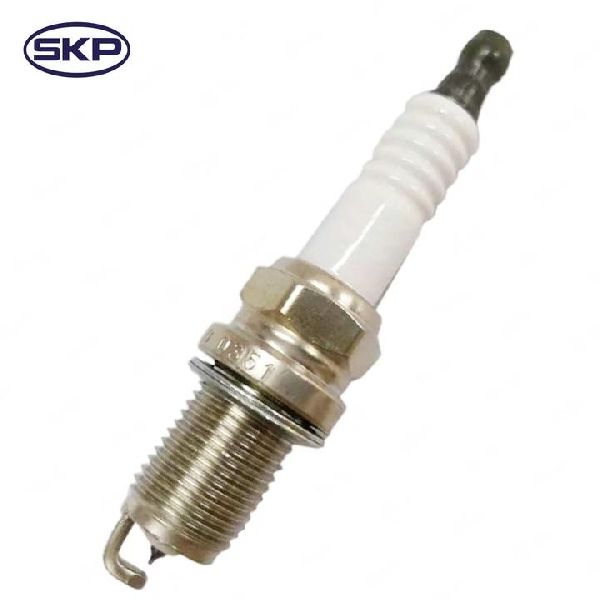
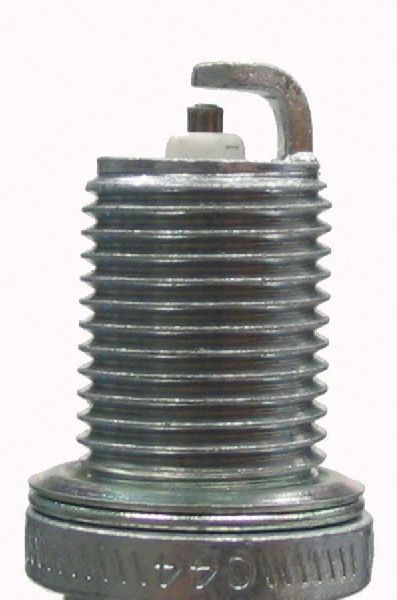
How to confirm: After ruling out the ignition coil, remove the spark plug from cylinder 4. Inspect it for a worn electrode, heavy carbon buildup, oil fouling, or contamination from coolant. A worn plug is a very common and simple cause.
Typical fix: Replace the spark plug. It is best practice to replace all six spark plugs at the same time to ensure even performance and prevent future misfires.
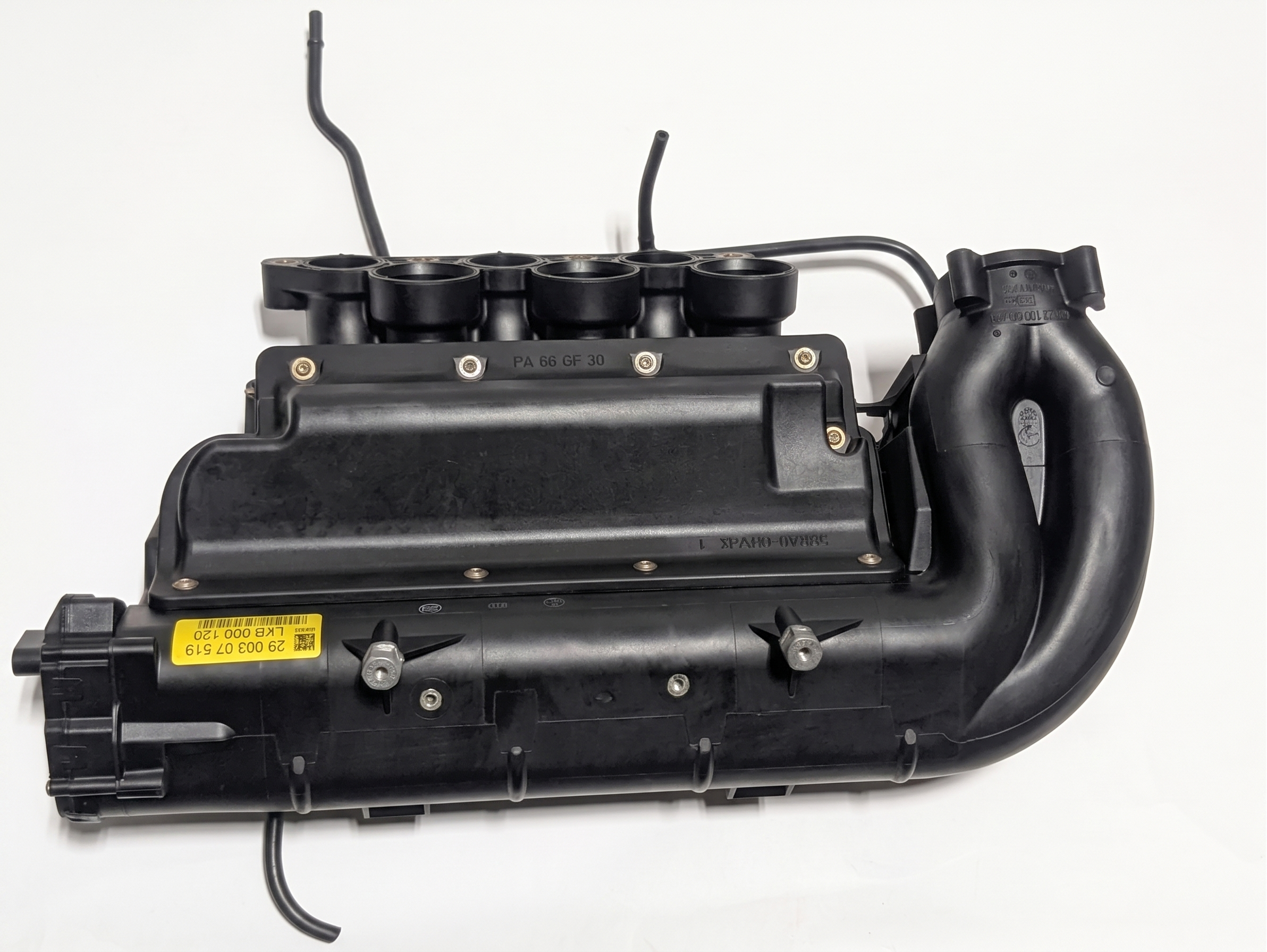
Est. part cost: $5 - $15 per plug - Leaking Intake Manifold Gaskets 🟡 Medium Probability The KV6 engine's plastic intake manifold and its rubber gaskets are a well-documented weak point. The gaskets degrade over time, causing vacuum leaks that allow unmetered air into the engine. This leans out the air-fuel mixture, leading to misfires and often lean codes (P0171/P0174).
How to confirm: With the engine running, carefully spray short bursts of brake cleaner or unlit propane around the intake manifold gasket area for cylinder 4. If the engine RPM changes, a leak is present. Also inspect all vacuum and crankcase ventilation hoses for cracks, as they become brittle with age. A professional smoke test is the most definitive method.
Typical fix: Replace the upper and lower intake manifold gaskets. This is a more involved job as the entire plastic intake manifold must be removed. 🎬 See this top engine rebuild for tips on heads and valves.
Est. part cost: $40 - $100 for a quality aftermarket gasket set - Faulty or Clogged Fuel Injector ⚪ Low Probability As mentioned in TSB SWA09013, fuel system issues can be a source of misfires. [NHTSA] While less common than coils or plugs, an injector can become clogged or fail electrically, starving cylinder 4 of fuel.
How to confirm: Listen to the injector with a mechanic's stethoscope; it should have a consistent clicking sound. You can also check its resistance with a multimeter. As a definitive test, you can swap the injector from cylinder 4 with another cylinder to see if the misfire code follows the injector, as documented by owners.
Typical fix: Replace the faulty fuel injector. It's recommended to replace the O-rings and seals at the same time. Sometimes, professional fuel system cleaning can restore a clogged injector.
Est. part cost: $50 - $150
Rare But Worth Checking
- Low Fuel Pressure: Related to TSB SWA09013, if the entire system is starved for fuel due to a weak fuel pump or a severely clogged fuel filter, it can manifest as a single or multiple cylinder misfire. Owners report the target fuel pressure for the KV6 is around 4.5 Bar (60 PSI).
- Low Engine Compression: This indicates a more serious mechanical problem, such as a burnt valve, worn piston rings, or a failing head gasket. A compression test is needed to diagnose this.
- Faulty Crankshaft Position Sensor: While a failing sensor usually causes multiple random misfires (P0300) or a no-start condition, it can occasionally manifest as a single-cylinder misfire before failing completely.
Diagnosis Steps
- Read the code with an OBD-II scanner and confirm P0304 is present. Note any other codes, especially P0171, P0174, or other P030x codes.
- Identify cylinder 4: It is the middle cylinder on the bank closer to the radiator.
- Test the ignition coil by swapping the coil from cylinder 4 with the coil from cylinder 2 (the front-most cylinder on the same bank).
- Clear the codes and drive the vehicle until the check engine light returns.
- If the code is now P0302, the ignition coil is bad and needs replacement.
- If the code remains P0304, the coil is likely good. Remove the spark plug from cylinder 4 and inspect it for wear, damage, or fouling. Replace if necessary. It's best to replace all six if they are old.
- If the plug and coil are good, check for vacuum leaks. Carefully spray short bursts of brake cleaner around the intake manifold gaskets near cylinder 4. If the engine idle changes, you have found a leak. Thoroughly inspect all PCV and vacuum hoses for cracks.
- If no vacuum leak is found, test the fuel injector. Listen for a steady clicking with a stethoscope. If you are mechanically inclined, consider swapping the injector with another cylinder's injector to see if the misfire follows.
- If all of the above steps do not identify the problem, check fuel pressure (should be ~60 PSI) and consider performing a compression test on cylinder 4 to rule out internal mechanical engine issues.
Parts You'll Likely Need
- Ignition Coil
(OEM #NEC000110L)— This is the most common electrical component to fail and cause a single-cylinder misfire.
Trusted brands: Bosch, Delphi, NGK, Valeo, Standard Motor Products (SMP), Bremi
OEM price range: $60 - $90
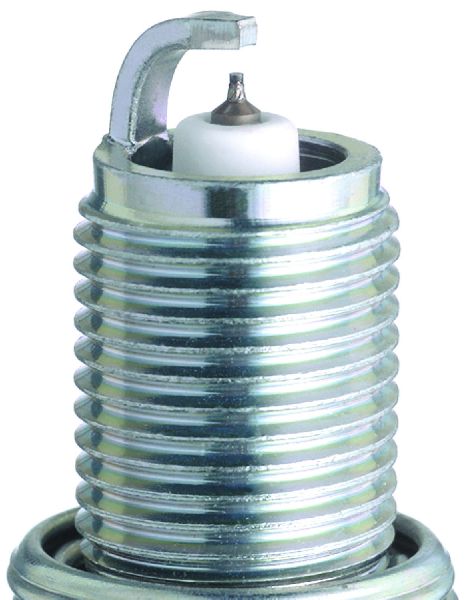
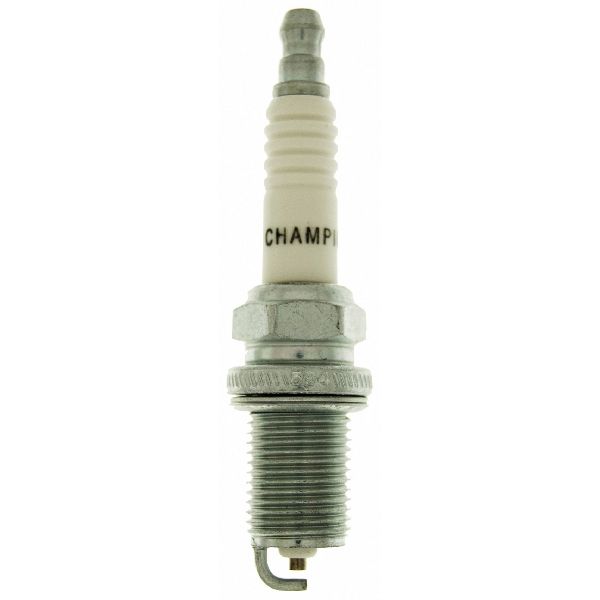
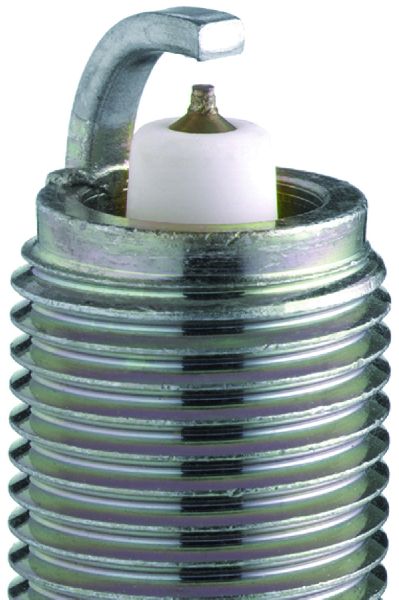
Aftermarket price range: $30 - $70 - Spark Plug — Spark plugs are a routine maintenance item and can wear out or become fouled, preventing a proper spark.
Trusted brands: NGK, Bosch, Champion
OEM price range: $10 - $20
Aftermarket price range: $5 - $15 - Intake Manifold Gasket Set (KV6) — These gaskets are a known major failure point on the 2.5L KV6 engine, causing vacuum leaks that lead to misfires and lean codes. The original part number from Pass 1 was incorrect.
Trusted brands: Victor Reinz, Mahle, Allmakes4x4
OEM price range: $80 - $130
Aftermarket price range: $40 - $100
Related Codes That Often Appear With This One
- P0171 / P0174 — These codes mean 'System Too Lean' for Bank 1 and Bank 2. They are very commonly caused by a vacuum leak, such as a faulty intake manifold gasket, which allows unmetered air into the engine and is a primary cause of misfires on the KV6 engine.
- P0300 — This is a 'Random/Multiple Cylinder Misfire' code. It often appears with P0304 if the underlying issue, like a large vacuum leak or low fuel pressure, is affecting more than just cylinder 4.
- P0301, P0302, P0303, P0305, P0306 — These are misfire codes for other cylinders. Seeing them alongside P0304 points to a systemic issue rather than a component specific to cylinder 4. The provided TSB SWA09013 lists all these codes as potential results of a fuel system problem. [NHTSA, 18]
Technical Service Bulletins (TSBs) & Recalls
- SWA09013: Mentions that poor starting, engine stumbling, or stalling can be accompanied by misfire codes P0301-P0306, lean codes P0171/P0174, and P0316, pointing towards a potential fuel system issue like low fuel pressure or faulty injectors. [NHTSA]
Platform-Specific Known Issues
- The plastic intake manifold system is a significant source of problems on the KV6 engine. The gaskets between the upper and lower manifold sections frequently fail, causing vacuum leaks that are a primary cause of misfire and lean condition codes.
Mechanic-Grade Diagnostic Values
- Fuel Pressure — expected: 3.5 bar (51 lbf/in² or ~51 PSI). Failure: Significantly lower pressure indicates a weak fuel pump or clogged filter.
- Fuel Injector Resistance — expected: 14.5 ± 0.7 ohms at 20°C (68°F). Failure: A reading significantly outside this range, or an open/short circuit, indicates a faulty injector coil.
- Ignition Coil Primary Resistance (General Guide) — expected: ~1.0 - 3.6 ohms. Failure: A reading that is significantly higher (open) or near zero (short) suggests a faulty coil.
- Ignition Coil Secondary Resistance (General Guide) — expected: ~6,000 - 13,000 ohms (6.0k - 13.0k ohms). Failure: A reading far outside this range, especially an open circuit (infinite resistance), points to a failed coil.
Scan Tool Commands That Help
- Land Rover T4 Testbook: Vehicle Maintenance -> Reset Adaptations — This function should be used after replacing components that affect the air/fuel mixture, such as O2 sensors, the MAF sensor, or fixing a significant vacuum leak. The ECU stores long-term fuel trim adjustments, and failing to reset them can cause misfire or lean/rich codes to persist even after the mechanical fault is repaired.
Wiring & Ground Locations
- Main Engine Ground Strap — Runs between the chassis rail, located under the battery tray, and a mounting point on the gearbox.. A poor engine ground can cause erratic behavior in all engine electronics, including the ignition coils and injectors, leading to weak spark or incorrect injector firing and causing misfires.
- Battery Negative to Body Ground — A strap connecting the battery's negative terminal to the body/inner wing, typically just behind or near the battery.. This is the primary ground reference for many vehicle systems. Corrosion or a loose connection here can cause widespread electrical issues, including misfires.
- CKP Sensor Connector Bracket — The bracket for the Crankshaft Position (CKP) sensor connector is secured by one of the starter motor's mounting bolts.. If the starter has been replaced or removed, an improperly secured CKP sensor connector can lead to a poor connection or harness damage. A faulty CKP signal is a primary cause of misfires.
Real Owner Repair Stories
- LandyZone forum user (Freelander V6) — Engine running as if on 4 or 5 cylinders, severe misfire. A humming noise was heard from the upper VIS motor for 20-30 seconds after engine shutdown.
❌ Tried (didn't work) Initial diagnosis pointed towards VIS motor codes.
✅ What actually fixed it The user unplugged the faulty VIS motor. This caused the engine to run correctly again (albeit with a check engine light for the unplugged motor). The conclusion was that the VIS motor had failed, jamming the internal intake valve in a position that severely disrupted airflow and caused the misfire. - Land Rover Forums user (2005 Freelander V6, 170,000km) — Sudden loss of power and misfiring, with codes P0305 (Cyl 5 misfire), P0306 (Cyl 6 misfire), and P0032 (HO2S Heater Control Circuit High Bank 1 Sensor 1).
❌ Tried (didn't work) The owner was considering replacing spark plugs and wires first.
✅ What actually fixed it Following advice that multiple misfires on one bank often point to a fueling problem, the owner replaced the upstream O2 sensor on Bank 1. This completely resolved the misfire issue. - 2CarPros forum user (2002 Freelander SE V6) — Poor engine performance.
❌ Tried (didn't work) Attempting to replace just the 'T' in the vacuum line assembly.
✅ What actually fixed it A vacuum line running from the valve cover had a cracked 'T' connector. The entire vacuum line assembly had to be purchased from the dealer and replaced to fix the vacuum leak. This highlights how brittle plastic components in the vacuum system are a common failure point.
"I Checked Everything" — The Actual Cause
- A common diagnostic dead-end on the KV6 engine is a misfire that persists even when a smoke test shows no vacuum leaks. A likely cause in this scenario is a failure of the internal Variable Intake System (VIS). A smoke test will not detect a broken or stuck internal butterfly valve inside the plastic intake manifold. This internal obstruction or incorrect airflow path can cause turbulence and starve a cylinder of air, leading to a misfire that appears to have no external cause.
OEM Part Supersession History
NEC000070→NEC000110L— Likely a design revision or change in manufacturer for the short, coil-on-plug ignition coil used on the front bank.
Model Year Variations Within This Range
- 2002-2005: The KV6 engine uses two different types of ignition systems. The front bank of cylinders (2, 4, 6), which is near the radiator, uses short coil-on-plug units (Part No. NEC000110L). The rear bank of cylinders (1, 3, 5) uses remote-mounted coils with traditional HT spark plug leads. This is critical for diagnosis, as a P0304 fault will always relate to the coil-on-plug unit, not an HT lead.
- Post-2003 (EU Spec): Later European specification engines had changes to the crankcase breather and vacuum hose layout, as air-assisted injectors were eliminated. While North American models were more consistent, be aware that different vacuum hose routing may exist, which is important when diagnosing vacuum leaks.
Helpful Videos
Used OEM Parts in Stock

New Aftermarket Parts Available


The information in this article is provided for general reference and educational purposes only. Vehicle specifications, procedures, and part compatibility can vary by production date, trim level, and region. Always consult your vehicle's factory service manual and verify part numbers before purchasing or performing repairs. Safety-critical components such as airbags, seat belts, and braking systems should be installed by a qualified professional.
- Land Rover FREELANDER:
- 🎬 Helpful Videos
- 🛍️ Shop This Part
- What's Unique About the 2002-2005 Land Rover FREELANDER
- Diagnostic Flowchart
- Symptoms You May Notice
- Most Likely Causes
- Rare But Worth Checking
- Diagnosis Steps
- Parts You'll Likely Need
- Related Codes That Often Appear With This One
- Technical Service Bulletins (TSBs) & Recalls
- Platform-Specific Known Issues
- Mechanic-Grade Diagnostic Values
- Scan Tool Commands That Help
- Wiring & Ground Locations
- Real Owner Repair Stories
- "I Checked Everything" — The Actual Cause
- OEM Part Supersession History
- Model Year Variations Within This Range
- 🎟️ Get 5% Off